Sotos Syndrome: Symptoms, Causes, and Treatment Options
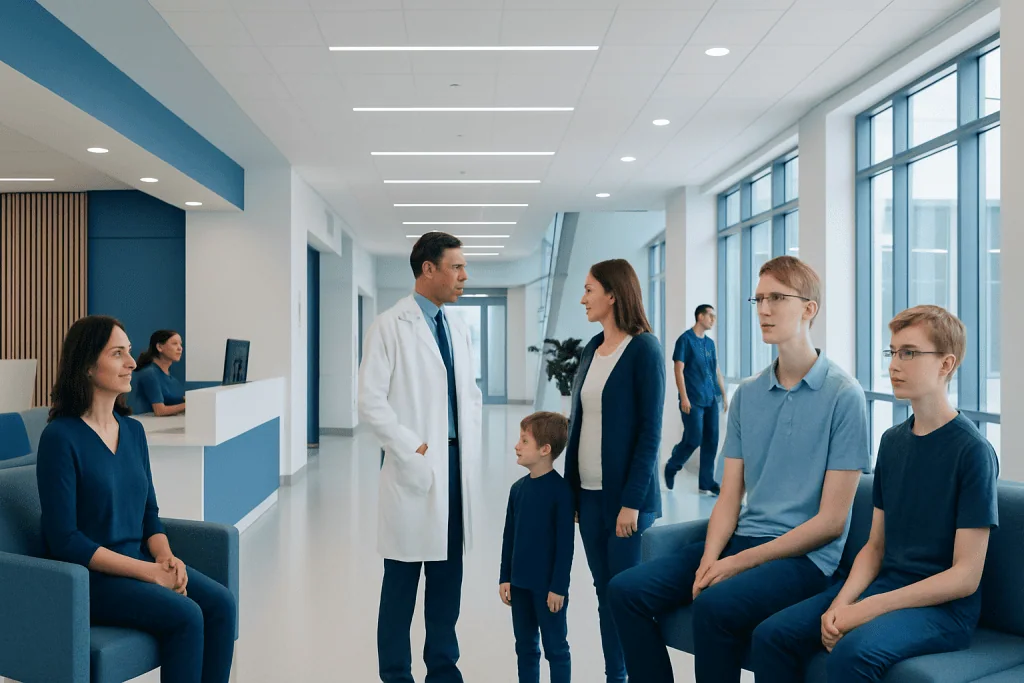
Sotos syndrome is usually caused by a change in the NSD1 gene. Common features include childhood overgrowth, distinctive facial features, and developmental delay.
Key Takeaways
- Sotos syndrome is usually caused by a change in the NSD1 gene.
- Common features include childhood overgrowth, distinctive facial features, and developmental delay.
- Diagnosis is based on clinical findings and genetic testing.
- Treatment is individualized and may include developmental, educational, and medical support.
- Regular follow-up helps monitor growth, learning, behavior, and associated health concerns.
Sotos syndrome is a genetic condition that typically causes rapid growth in early childhood, a larger-than-average head size, and developmental differences. Treatment does not cure the condition, but careful medical follow-up and supportive therapies can help children manage symptoms and reach their potential.
Overview
Sotos syndrome is a rare genetic overgrowth condition that most often becomes noticeable in infancy or early childhood. It commonly causes fast growth in the early years, a head size that is larger than average, and differences in learning, speech, behavior, or motor development. Many children also share a recognizable pattern of facial features, although these can become less obvious with age.
The condition varies widely from person to person. Some children have mild developmental challenges and grow into independent adults, while others need more ongoing educational, behavioral, or medical support. Because the signs can overlap with other growth or neurodevelopmental conditions, diagnosis often requires a detailed clinical assessment and genetic testing.
Sotos syndrome is not contagious and is not caused by anything a parent did or did not do during pregnancy. In most cases, it happens because of a new genetic change. A coordinated care plan involving pediatrics, genetics, neurology, developmental specialists, and therapists can help families understand the condition and plan for long-term care.
Signs and symptoms
The most common features of sotos syndrome involve growth and development. Babies and children may be taller than expected for age, have a larger head circumference, and show rapid growth during the first years of life. Bone age may also be advanced, meaning the bones appear more mature than expected on imaging.
Developmental differences are also common. Speech and language delay, learning difficulties, low muscle tone, delayed motor milestones, and coordination problems may be present. Some children have behavior or attention concerns, including features that overlap with autism spectrum disorder or attention-deficit/hyperactivity disorder, but these are not the same in every child.
Doctors may also notice a typical facial appearance, especially in early childhood. This can include a broad and prominent forehead, a long narrow face, down-slanting eyes, and a pointed chin. Other possible features include feeding difficulties in infancy, scoliosis, seizures, heart or kidney differences, and sleep or sensory concerns. Because symptoms vary, some children have many features while others have only a few.
- Rapid growth in infancy or childhood
- Large head size (macrocephaly)
- Speech, learning, or developmental delay
- Low muscle tone and delayed motor skills
- Behavior, attention, or social communication differences
- Distinctive facial features that may soften with age
Causes and risk factors

Sotos syndrome is most often caused by a change in the NSD1 gene. This gene helps regulate growth and development. When it does not work as expected, the body’s normal pattern of growth and brain development can be affected. In a small number of people, the diagnosis may involve a deletion that includes the NSD1 gene rather than a single gene change.
The condition usually follows an autosomal dominant inheritance pattern, which means one altered copy of the gene can cause the syndrome. However, most children diagnosed with sotos syndrome are the first in their family to have it. In these cases, the genetic change is new, sometimes called de novo, rather than inherited from a parent.
Parents often wonder whether there was anything that could have prevented the condition. In most cases, the answer is no. There are no established lifestyle, diet, or environmental causes. If one parent has sotos syndrome, there is a higher chance of passing it on to a child, so genetic counseling can be helpful for family planning and for understanding recurrence risk.
How diagnosis is made
Diagnosis begins with a careful review of a child’s growth pattern, developmental milestones, medical history, and physical features. Pediatricians may suspect the condition when a child has early overgrowth together with developmental delay and characteristic facial findings. Because several disorders can look similar, specialists often consider other overgrowth syndromes or neurological conditions during the evaluation, including autism when social communication concerns are present.
Genetic testing is the main way to confirm the diagnosis. This may include targeted testing of the NSD1 gene or a broader panel for developmental and overgrowth conditions. Some children also undergo chromosomal microarray testing if a deletion is suspected. A confirmed genetic result can help guide follow-up and counseling, although a clinical diagnosis may still be considered in select situations.
Additional tests depend on symptoms rather than being identical for every child. Doctors may recommend developmental assessment, hearing and vision checks, heart evaluation, kidney ultrasound, or brain imaging if there are seizures, significant neurological symptoms, or other specific concerns. The goal is not simply to label the condition, but to identify each child’s strengths and medical needs early.
Treatment options and ongoing care
There is no single cure that reverses sotos syndrome, so treatment focuses on each person’s symptoms, development, and general health. Early intervention is often the most important step. Speech therapy, occupational therapy, physical therapy, behavioral support, and tailored educational planning can all improve function and independence. If learning or communication difficulties are prominent, developmental specialists may coordinate formal assessments and school accommodations.
Medical treatment depends on associated problems. For example, seizures may be managed by a neurologist, feeding or reflux issues may need pediatric or digestive care, and scoliosis or orthopedic concerns may need musculoskeletal follow-up. Some children benefit from multidisciplinary assessment when neurological symptoms or developmental delay are complex, including neurology care or pediatric rehabilitation as part of a broader plan.
Children with low muscle tone, poor balance, or delayed coordination may need structured physical support over time. If brain-related symptoms such as persistent seizures, unusual head growth patterns, or other neurological findings require closer assessment, doctors may use pediatric neurosurgery evaluation in selected cases, although surgery is not a routine treatment for the syndrome itself. When a child has overlapping developmental concerns, families may also be guided toward services commonly used for developmental delay.
Near the end of the diagnostic journey, many families benefit from care coordination and clear follow-up plans. Acibadem International’s multidisciplinary specialists and JCI-accredited hospitals evaluate and treat children with complex genetic and developmental conditions, including sotos syndrome, with care tailored to international patients.
Daily support, prognosis, and family planning
Living with sotos syndrome often involves long-term support rather than constant medical treatment. Daily routines that include speech practice, motor activities, consistent sleep habits, and predictable school support can make a meaningful difference. Families often find it helpful to keep records of growth, therapy goals, school feedback, and specialist visits so care remains organized over time.
Prognosis depends on the severity of developmental and medical features. Many children continue to make progress across childhood and adolescence, especially when therapies begin early and are reviewed regularly. Adult height may remain above average, but the extremely rapid growth seen in early childhood usually slows with time. Distinctive facial features often become less marked as a person gets older.
Genetic counseling can help families understand inheritance, recurrence risk, and testing options for relatives or future pregnancies when appropriate. Counseling does not change the diagnosis, but it can provide practical and emotional support. It may also help families discuss what the condition means in a clear, informed, and reassuring way.
When to seek medical care
Parents should arrange medical evaluation if a baby or child shows unusually rapid growth, a larger-than-expected head size, delayed speech or motor milestones, low muscle tone, or learning and behavior concerns. These signs do not always mean sotos syndrome, but they do deserve professional assessment. Early diagnosis can help children access therapies and screening for associated health issues.
Prompt medical attention is especially important if a child has seizures, repeated falls, significant feeding problems, breathing difficulties, severe sleep disturbance, or sudden changes in behavior or development. New headaches, vomiting, weakness, or loss of previously learned skills also need urgent review. Families should contact a qualified doctor whenever symptoms are worsening or when they are unsure whether a change is serious.
Frequently asked questions
What is sotos syndrome?
Sotos syndrome is a genetic condition that typically causes childhood overgrowth, a larger head size, and developmental differences. It can also affect speech, learning, movement, and behavior, but symptoms vary from person to person.
What causes sotos syndrome?
Most cases are caused by a change in the NSD1 gene, which plays a role in growth and development. The condition is often due to a new genetic change and is not usually caused by anything parents did during pregnancy.
How is sotos syndrome diagnosed?
Doctors diagnose it by combining physical findings, growth history, developmental assessment, and genetic testing. Testing usually looks for changes in the NSD1 gene and may be supported by other evaluations based on the child's symptoms.
Can sotos syndrome be cured?
There is no cure that removes the genetic cause of sotos syndrome. Treatment focuses on supportive care, therapies, and medical follow-up to address each child's specific needs and improve quality of life.
Does every child with sotos syndrome have intellectual disability?
No. Learning and developmental effects can range from mild to more significant, and some children have stronger skills in certain areas than others. Early therapy and educational support can help children build on their strengths.
Is sotos syndrome inherited?
It can be inherited in an autosomal dominant pattern, but most affected children are the first in their family to have the condition. Genetic counseling can help explain whether other family members may be affected and what the recurrence risk may be.
References
- National Institutes of Health
- MedlinePlus Genetics
- National Organization for Rare Disorders
- Genetics Home Reference legacy materials within U.S. National Library of Medicine resources
- American Academy of Pediatrics
This article is for general information only and is not a substitute for professional medical advice. Please consult a qualified doctor about your individual situation.
Explore treatments in Turkey — costs, top hospitals & a free quote
JCI-accredited · board-certified surgeons · reply within 24h
Add us as a Preferred Source to see more of our trusted health content across Google Search, AI Overviews and Discover.