Sound Bath — Explained by Medical Evidence, Not Myths

A sound bath usually involves passive listening to soothing sounds in a quiet setting. Research suggests sound-based relaxation may improve stress, mood, and subjective well-being in some people.
Key Takeaways
- A sound bath usually involves passive listening to soothing sounds in a quiet setting.
- Research suggests sound-based relaxation may improve stress, mood, and subjective well-being in some people.
- Evidence is still limited, and a sound bath should not replace diagnosis or treatment for mental or physical health conditions.
- People with sound sensitivity, tinnitus, trauma-related triggers, or certain neurological conditions may need extra caution.
- If symptoms such as anxiety, insomnia, pain, dizziness, or hearing problems are persistent, medical assessment is important.
A sound bath is a guided relaxation practice in which a person listens to sustained sounds or vibrations from instruments such as singing bowls, gongs, or chimes. Medical evidence suggests it may help some people feel calmer and less stressed, but it should be understood as a wellness activity rather than a proven treatment for disease.
What a Sound Bath Is—and What It Is Not
A sound bath is a relaxation session in which a person rests quietly while listening to resonant sounds created by instruments such as crystal or metal singing bowls, gongs, tuning forks, bells, or chimes. Despite the name, there is no water involved. The term “bath” refers to being immersed in layers of sound.
In medical terms, a sound bath is best understood as a structured sensory relaxation practice. It may overlap with meditation, mindfulness, breath awareness, and guided rest. Some people report feeling calmer, sleepier, or more emotionally settled after a session, which is consistent with general relaxation responses seen in other mind-body approaches.
What it is not is equally important. A sound bath is not a proven cure for anxiety disorders, depression, chronic pain, hearing problems, neurological disease, or other medical conditions. Claims that specific frequencies can “detox” the body, “reset” organs, or replace evidence-based care are not supported by strong clinical evidence.
For many people, the most balanced view is that a sound bath can be a supportive wellness activity when used alongside healthy routines and, when needed, professional medical care. If a person is seeking help for persistent stress, mood symptoms, poor sleep, or pain, a clinician can help identify the cause and recommend appropriate treatment.
How a Sound Bath May Affect the Body and Mind
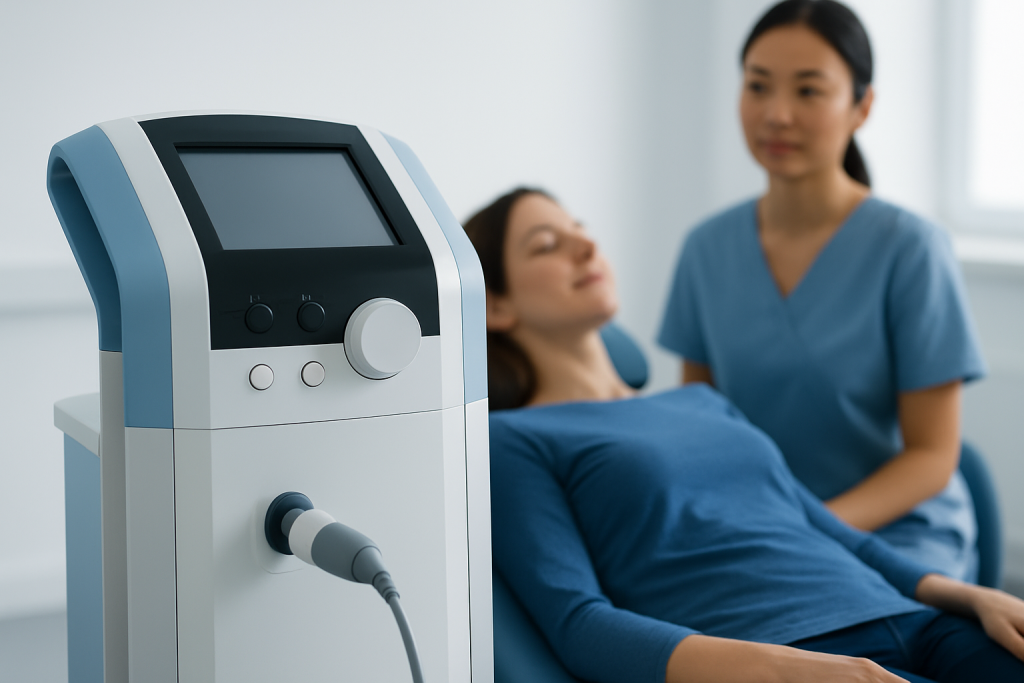
The main medical explanation for a sound bath is not mystical but physiological and psychological. Slow, repetitive sounds in a quiet environment may help shift attention away from daily stressors, encourage slower breathing, and support a state of rest. This can reduce subjective tension and promote a sense of calm.
Music and sound have long been studied in healthcare settings, especially for stress reduction, comfort, and emotional support. While a sound bath is not the same as formal music therapy, it may draw on similar pathways, including attention regulation, emotional processing, and autonomic nervous system calming. In simple terms, certain sounds may help some people feel less mentally overloaded.
However, people respond differently. One person may find gong vibrations deeply soothing, while another may feel overstimulated, distracted, or uneasy. Sound is not universally calming, and individual preference, hearing profile, past experiences, and the environment all matter.
Because of this, the effects of a sound bath are better described as possible and variable rather than guaranteed. It may support relaxation, but it does not work the same way for everyone, and its benefits are usually measured by how a person feels rather than by a disease-specific medical outcome.
What the Medical Evidence Says

Research on sound baths specifically is still developing. Small studies and observational reports suggest that meditative sound experiences may be associated with short-term reductions in stress, tension, and negative mood, and may improve feelings of relaxation or spiritual well-being in some participants. These findings are promising but not definitive.
Several limits affect the quality of the evidence. Many studies include small numbers of people, lack strong comparison groups, or combine different practices such as meditation, breathwork, and sound, making it difficult to isolate the effect of sound alone. Self-reported outcomes are valuable, but they can also be influenced by expectations, the setting, and the supportive group atmosphere.
It is also important to distinguish a sound bath from evidence-based therapies that use sound or music in more structured medical settings. For example, trained clinicians may use music therapy for emotional support, rehabilitation, or symptom relief in selected patients. A wellness sound bath can be relaxing, but it is not equivalent to individualized clinical therapy.
Overall, the current evidence supports a careful conclusion: a sound bath may be helpful as a complementary relaxation practice for some people, especially for stress management and general well-being. It should not be presented as a substitute for treatments such as psychotherapy, sleep evaluation, pain management, hearing assessment, or care for depression and other diagnosed conditions.
Possible Benefits, Limits, and Common Misconceptions
People often try a sound bath because they want help unwinding, sleeping better, or creating a regular pause in a busy routine. These are reasonable goals. The most plausible benefits are reduced momentary stress, improved relaxation, enhanced mindfulness, and a pleasant feeling of mental quiet after the session.
There are also limits. A sound bath does not diagnose why a person has insomnia, anxiety, headaches, ear symptoms, or ongoing pain. If symptoms continue, there may be an underlying medical, psychological, or neurological cause that needs proper assessment. Wellness practices can support recovery, but they do not replace it.
Misconceptions are common in online discussions. Scientific evidence does not support the idea that a sound bath can cure infections, shrink tumors, repair hearing loss, or eliminate psychiatric illness. Likewise, there is no high-quality evidence that specific sound frequencies alone can rebalance every body system in a precise medical way.
A more evidence-based approach is to treat a sound bath as one tool within a broader self-care plan. For example, a person with chronic stress may benefit from sleep hygiene, physical activity, psychological support, and, when indicated, psychiatric evaluation and care. When symptoms involve sleep disruption, a structured sleep disorder assessment may be more useful than relying on relaxation practices alone.
Who Should Be Careful With a Sound Bath
A sound bath is generally low risk for many healthy adults, but it is not ideal for everyone. People with sound sensitivity, migraine triggered by noise, tinnitus, hearing aids, recent ear surgery, vertigo, or certain balance disorders may find strong vibrations or sustained tones uncomfortable. Those with hearing concerns may benefit from an ENT evaluation if symptoms are frequent or worsening.
People with trauma-related symptoms can also have mixed reactions. Closing the eyes, lying still, or being exposed to loud or unpredictable sounds may feel unsettling rather than calming. In these situations, a person may prefer a shorter session, a gentler sound environment, or a different relaxation method altogether.
For individuals with epilepsy or other neurological conditions, caution is sensible even though sound is not the same trigger as flashing light. A person who has unusual sensory sensitivity, dissociation, panic symptoms, or episodes of dizziness should discuss recurring symptoms with a doctor, especially if they are severe or new.
Pregnant people, older adults, and people with chronic illness do not automatically need to avoid sound baths, but comfort and safety matter. The volume should not be painfully loud, the environment should allow easy movement, and a participant should feel free to sit up, leave early, or keep their eyes open if needed.
How to Try a Sound Bath Safely and Realistically
For someone interested in a sound bath, the safest approach is to start with realistic expectations. It may feel peaceful and restorative, but it should be viewed as a supportive relaxation experience rather than a treatment plan. Choosing a quiet, professionally run session with moderate volume is often more comfortable than starting with a very intense gong-based event.
Practical steps can improve comfort. A person may wish to ask in advance which instruments will be used, how long the session lasts, and whether they can sit instead of lie down. Ear sensitivity should be mentioned beforehand, and anyone using hearing devices or living with tinnitus may prefer a position farther from the instruments.
It also helps to pay attention to the body’s response afterward. A healthy relaxation practice should generally leave a person feeling settled, neutral, or pleasantly tired. If a session repeatedly causes headaches, ringing in the ears, panic, dizziness, or emotional distress, it may not be the right fit.
When stress is persistent or begins to interfere with work, relationships, or sleep, broader support may be needed. Evidence-based options can include counseling, stress management strategies, and evaluation for anxiety or sleep disorders. In selected cases, neurology assessment or other specialist care may be recommended depending on the symptoms.
When to Seek Medical Care
A sound bath should not delay medical attention when symptoms are ongoing, severe, or unexplained. A person should seek professional advice if stress, low mood, panic, poor sleep, or fatigue lasts for weeks, returns often, or affects daily life. These symptoms can have medical or psychological causes that deserve proper evaluation.
Medical care is also important for ear-related or neurological symptoms such as hearing loss, persistent tinnitus, ear pain, dizziness, fainting, severe headaches, confusion, or balance problems. These are not issues to self-treat with wellness practices alone.
Urgent care may be needed for chest pain, shortness of breath, thoughts of self-harm, sudden weakness, trouble speaking, or sudden severe headache. These symptoms require prompt assessment and should never be managed by meditation, sound sessions, or home remedies.
For international patients who need diagnosis or specialist treatment, Acibadem International’s multidisciplinary specialists and JCI-accredited hospitals provide evaluation and care across mental health, neurology, sleep medicine, and ENT services. A sound bath may be part of a personal wellness routine, but persistent symptoms should always be discussed with a qualified clinician.
Frequently asked questions
Does a sound bath really work?
A sound bath may help some people relax, feel calmer, and temporarily reduce stress. Current evidence supports it more as a wellness practice than as a proven medical treatment, and results vary from person to person.
Is a sound bath the same as sound healing?
The terms are often used interchangeably in everyday conversation, but they are not medical diagnoses or standardized treatments. “Sound bath” usually refers to a guided listening session, while “sound healing” is a broader wellness term that may include many claims not strongly supported by clinical evidence.
Can a sound bath help anxiety or depression?
A sound bath may ease momentary tension or promote a sense of calm, which can be helpful for general stress. However, anxiety disorders and depression are medical conditions that may need professional assessment and evidence-based treatment, so a sound bath should not replace care.
Are sound baths safe for everyone?
They are generally low risk for many adults, but not everyone finds them comfortable. People with tinnitus, hearing sensitivity, migraine triggered by sound, vertigo, trauma-related symptoms, or certain neurological conditions may need caution or may prefer a different relaxation approach.
Can a sound bath improve sleep?
Some people feel sleepy or more relaxed after a session, which may support bedtime routines. If insomnia is frequent, severe, or long-lasting, it is important to look for underlying causes rather than relying only on relaxation practices.
What should a person do if a sound bath causes discomfort?
It is sensible to sit up, move farther from the instruments, use hearing protection if appropriate, or leave the session. Repeated headaches, dizziness, ringing in the ears, panic, or distress after exposure should be discussed with a healthcare professional.
This article is for general information only and is not a substitute for professional medical advice. Please consult a qualified doctor about your individual situation.
Explore treatments in Turkey — costs, top hospitals & a free quote
JCI-accredited · board-certified surgeons · reply within 24h
Add us as a Preferred Source to see more of our trusted health content across Google Search, AI Overviews and Discover.

More from the Health Library

Cold Sores and Herpes Simplex — Explained by Medical Evidence, Not Myths

Chickpea Pasta: A Complete Medical Overview

Pore Strips: What Patients Need to Know

Monolid Eyes: An Evidence-Based Guide for Patients

Hypothermia — Explained by Medical Evidence, Not Myths