Soursop and Cancer Treatment: How It Works, Results and What to Expect

Soursop is not an evidence-based replacement for surgery, chemotherapy, radiation therapy, immunotherapy, or other oncology treatments. Compounds in soursop have shown activity against cancer cells in laboratory studies, but human clinical benefit has not been established.
Key Takeaways
- Soursop is not an evidence-based replacement for surgery, chemotherapy, radiation therapy, immunotherapy, or other oncology treatments.
- Compounds in soursop have shown activity against cancer cells in laboratory studies, but human clinical benefit has not been established.
- Soursop products may cause side effects and may interact with medicines, especially when taken as concentrated teas, extracts, or supplements.
- People receiving cancer care should discuss all herbs, teas, powders, and supplements with their oncology team.
- Evidence-based supportive care, balanced nutrition, physical activity when appropriate, and symptom management can support overall wellbeing during treatment.
Soursop is often promoted as a natural cancer treatment, but there is no reliable clinical evidence that it treats, cures, or prevents cancer in people. Laboratory research has identified compounds with anticancer effects in cells, yet these findings have not been shown to be safe or effective as a cancer treatment for patients.
Soursop and cancer treatment: the evidence at a glance
Soursop and cancer treatment are frequently discussed online because extracts from the soursop plant have shown effects on cancer cells in laboratory experiments. However, there is no good-quality clinical evidence that eating soursop fruit or taking soursop tea, leaf preparations, or supplements can treat or cure cancer in people.
Soursop, also called graviola or Annona muricata, is a tropical fruit. The fruit can be part of an ordinary diet for many people, but concentrated products are different from food. They may provide far higher and less predictable amounts of plant chemicals, and their safety during cancer treatment is uncertain.
Cancer treatment decisions should be based on the cancer type, stage, tumor biology, overall health, and personal goals. A qualified oncology team can explain established options and help a person assess whether a complementary product could interfere with their care.
How does soursop work in laboratory research?

Soursop contains naturally occurring compounds called annonaceous acetogenins. In test-tube and animal studies, some of these compounds have been associated with effects such as slowing cell growth, disrupting cellular energy production, and triggering programmed cell death. These mechanisms are sometimes described as anticancer activity.
Laboratory findings are an early step in research, not proof of a treatment. A substance may affect cells in a dish at concentrations that cannot be safely achieved in the human body. It must also be absorbed, distributed to the tumor, and shown to help patients more than it harms them.
Human cancers are biologically complex. A product that appears promising against one cell line may not work against a tumor in a person, and it may also affect healthy tissues. At present, soursop has not completed the clinical testing needed to establish a cancer-treatment role.
What is the anticancer activity of soursop?
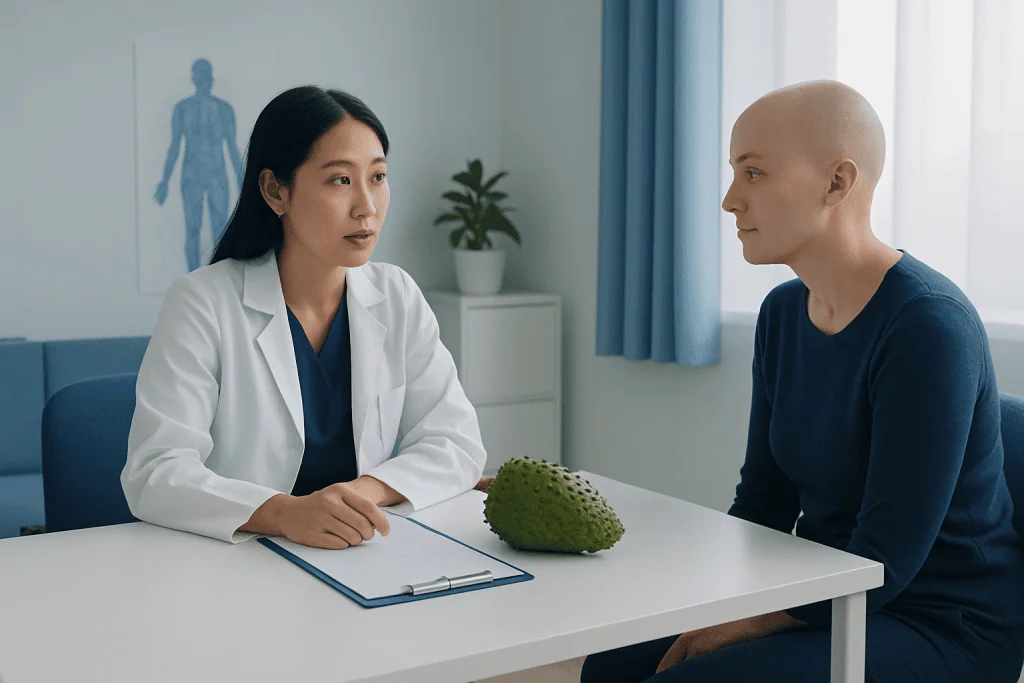
The anticancer activity of soursop refers mainly to results from preclinical research. Soursop-derived compounds have been studied in laboratory models for their potential effects on cell signaling, energy metabolism, cell division, and cell survival. These studies can help researchers identify substances worth investigating further.
They do not demonstrate that soursop cures cancer or improves survival in people. Claims that soursop is stronger than chemotherapy, can shrink tumors, or can replace medical treatment are not supported by reliable human research and may delay care that has been shown to help.
Oncologists use treatments supported by clinical trials, such as surgery, radiotherapy, systemic medicines, and targeted approaches when appropriate. The right treatment plan is individualized and may include cancer treatment options selected after careful diagnostic assessment.
Who may consider soursop, and who should avoid it?
There is no established candidacy for soursop as a cancer therapy because it is not a proven cancer treatment. A person who enjoys the fresh fruit as part of a varied diet should still mention it to their care team if they are receiving active cancer treatment, particularly if they plan to use it regularly or in large quantities.
Extra caution is appropriate with soursop leaves, teas, capsules, tinctures, powders, and extracts. These products can vary widely in ingredients and strength. They may be especially unsuitable for people with low blood pressure, diabetes, liver or kidney concerns, neurologic conditions, pregnancy or breastfeeding, or those taking multiple medicines.
People should not stop, postpone, reduce, or substitute prescribed cancer treatment in favor of soursop. If someone wishes to use any complementary product, an oncologist, pharmacist, or dietitian can review possible interactions and offer safer alternatives for the person’s goals, such as nausea relief, nutrition support, or anxiety management.
What happens after taking soursop?
After eating ripe soursop fruit, many people experience no unusual effects beyond normal digestion. Some may develop stomach upset, nausea, loose stools, or an allergic reaction. The fruit is not expected to produce a measurable anticancer effect after a single serving or regular dietary intake.
Concentrated leaf products, teas, and supplements may carry greater risks than the fruit itself. Reported concerns include low blood pressure, changes in blood sugar, digestive symptoms, and potential effects on the nervous system. Some research has raised concern about compounds in soursop that may be harmful to nerve cells with prolonged or high exposure.
Supplement quality is another concern. Products sold as natural remedies may not contain the amount stated on the label and may include unlisted ingredients. Anyone who develops new weakness, tremor, persistent vomiting, fainting, rash, breathing difficulty, or other concerning symptoms after using a product should stop it and seek medical advice promptly.
How long does it take to see results from soursop?
There is no evidence-based timeline for results from soursop because it has not been proven to treat cancer in humans. No reliable clinical studies show that soursop tea, fruit, leaves, or supplements shrink tumors, prevent recurrence, or improve cancer-related outcomes.
Some people may notice digestive effects soon after consuming a soursop product, but these are side effects or ordinary food-related responses rather than evidence that cancer is being treated. Tumor response should never be judged by how a person feels after a supplement.
When cancer treatment is underway, clinicians monitor response with appropriate examinations, blood tests, imaging, and sometimes biopsies. The timing and method of monitoring depend on the cancer diagnosis and treatment plan. New symptoms or perceived changes should be discussed with the oncology team rather than used to guide self-treatment.
What stops cancer cells from growing naturally?
The body has natural systems that help control abnormal cells, including DNA repair, immune surveillance, programmed cell death, and signals that regulate cell division. Cancer can develop when genetic and cellular changes allow abnormal cells to evade these controls. No food, herb, or supplement has been shown to reliably restore these safeguards or stop established cancer on its own.
Healthy habits can support general health and, in some cases, lower the risk of certain cancers. These include avoiding tobacco, limiting alcohol, maintaining a weight that is healthy for the individual, being physically active as able, following a balanced eating pattern, protecting skin from excessive ultraviolet exposure, and participating in recommended screening and vaccination programs.
For someone diagnosed with cancer, supportive measures work alongside—not instead of—medical treatment. A dietitian can help with eating difficulties, weight changes, and nutrition during therapy, while the oncology team can address pain, fatigue, nausea, sleep, and emotional wellbeing.
Benefits, risks, and when to seek medical care
The potential benefit of soursop in cancer treatment remains unproven. Fresh fruit may be enjoyed in moderation as a food if it suits a person’s dietary needs, but it should not be viewed as an anticancer procedure or a substitute for treatment. Concentrated preparations offer uncertain benefit and potentially greater risk.
Medical advice should be sought before starting soursop supplements, particularly during chemotherapy, radiotherapy, immunotherapy, hormonal therapy, or treatment for other conditions. A person should contact their clinician promptly for worsening symptoms, unexpected weight loss, persistent pain, a new lump, unexplained bleeding, jaundice, ongoing vomiting, or treatment side effects that are difficult to manage. Urgent care is needed for severe allergic symptoms, chest pain, fainting, severe weakness, or sudden neurologic symptoms.
Acibadem International’s multidisciplinary specialists and JCI-accredited hospitals support international patients with cancer diagnosis and treatment planning. A cancer specialist can review complementary products in the context of the person’s diagnosis and provide guidance that protects the safety and effectiveness of their overall care.
Frequently asked questions
Can soursop cure cancer?
No. There is no reliable clinical evidence that soursop cures cancer in people. Laboratory findings do not establish that a food, tea, or supplement is an effective human cancer treatment.
Can soursop be used with chemotherapy?
It should not be used routinely with chemotherapy without approval from the oncology team. Soursop extracts and supplements may have side effects or interact with medicines, and their contents and concentrations can vary.
Is soursop tea safer than soursop supplements?
Soursop tea is still a concentrated plant preparation and is not proven to treat cancer. Its strength can vary, and it may still cause side effects or interact with medications, so it should be discussed with a clinician.
Is eating soursop fruit safe during cancer treatment?
For many people, small amounts of the ripe fruit may be similar to eating other fruits, but individual dietary needs vary. People with low appetite, diarrhea, diabetes, swallowing difficulties, or treatment-related dietary restrictions should ask their cancer team or dietitian for personalized advice.
Why are laboratory studies not enough to recommend soursop for cancer?
Cell and animal studies cannot predict whether a product will be safe, absorbed adequately, or effective in people. Clinical trials are needed to determine the right dose, identify risks, compare outcomes, and establish whether patients benefit.
What should a person do if they have already started taking soursop for cancer?
They should tell their oncology team exactly what product they are using, how often, and in what form. The team can assess possible risks and interactions and advise whether it should be stopped, while ensuring that proven cancer treatment is not delayed.
References
- National Cancer Institute
- American Cancer Society
- Memorial Sloan Kettering Cancer Center
- World Health Organization
This article is for general information only and is not a substitute for professional medical advice. Please consult a qualified doctor about your individual situation.
Oncology care in Turkey — second opinion and treatment plan
JCI-accredited · board-certified surgeons · reply within 24h
Add us as a Preferred Source to see more of our trusted health content across Google Search, AI Overviews and Discover.
Check your numbers in seconds
BMI, calories, due date, blood pressure and 30+ more clinical calculators — free, instant, doctor-reviewed ranges.