Spastic Colon — Explained by Medical Evidence, Not Myths

Spastic colon is usually another name for irritable bowel syndrome (IBS). Symptoms often include abdominal pain, bloating, diarrhea, constipation, or alternating bowel habits.
Key Takeaways
- Spastic colon is usually another name for irritable bowel syndrome (IBS).
- Symptoms often include abdominal pain, bloating, diarrhea, constipation, or alternating bowel habits.
- IBS is diagnosed based on symptoms and by ruling out warning signs that suggest another condition.
- Treatment focuses on symptom relief through diet, stress management, and medicines when needed.
- Blood in the stool, weight loss, fever, anemia, or symptoms waking a person from sleep need medical evaluation.
Spastic colon is an older term most often used to describe irritable bowel syndrome, or IBS. It does not mean the colon is permanently damaged; instead, it refers to a pattern of bowel symptoms such as abdominal pain, bloating, diarrhea, constipation, or both, related to how the gut functions.
What spastic colon means today
Spastic colon is a commonly used older term, but in modern medicine it usually refers to irritable bowel syndrome (IBS). IBS is a functional gastrointestinal disorder, which means the digestive tract looks normal on standard testing but does not always work smoothly. The bowel can become more sensitive, and its muscle contractions may be stronger, less coordinated, or more noticeable than usual.
This helps explain why a person may feel cramping, urgency, bloating, constipation, diarrhea, or a mix of these symptoms even when scans or blood tests do not show structural damage. In other words, spastic colon is not a myth, but the term can be misleading because it sounds as though there is a visible spasm or injury in the colon at all times. IBS is real, common, and manageable, but it is different from inflammatory bowel diseases such as Crohn’s disease.
Symptoms often come and go over time. Many people notice flares after certain foods, during stress, around hormonal changes, or after a stomach infection. Some have mild symptoms that improve with lifestyle changes, while others need a more individualized plan.
How spastic colon feels: common symptoms
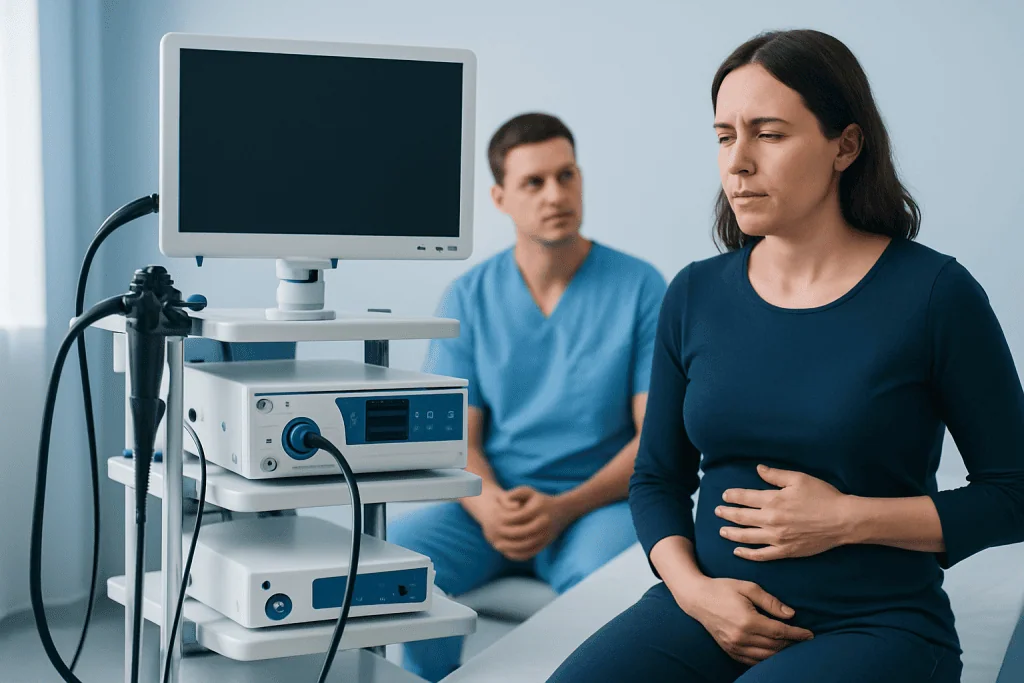
The most typical symptom is recurring abdominal pain or cramping related to bowel movements. The pain may improve after passing stool, or it may come with a change in how often a person goes to the bathroom. Some people mainly have diarrhea, some mainly constipation, and others alternate between the two.
Bloating is also very common. A person may feel pressure, fullness, visible abdominal distension, or excess gas. These symptoms can be frustrating because they may affect daily routines, travel, meals, and confidence in social situations.
Common symptoms can include:
- Cramping or abdominal pain
- Bloating or a swollen feeling in the abdomen
- Diarrhea, constipation, or alternating bowel habits
- Urgency to have a bowel movement
- A feeling of incomplete emptying after using the toilet
- Mucus in the stool in some cases
Symptoms that are not typical for IBS include rectal bleeding, unexplained weight loss, persistent fever, progressive symptoms in later life, or waking from sleep because of severe diarrhea or pain. These do not automatically mean a serious illness is present, but they do mean a doctor should look for other causes.
Why it happens: causes and risk factors

There is no single cause of spastic colon or IBS. Instead, it is understood as a disorder of gut-brain interaction. The intestines and nervous system constantly communicate, and in IBS that communication may become more sensitive or dysregulated. As a result, normal digestion can feel painful, and bowel movements can speed up or slow down.
Several factors may contribute. These include altered intestinal motility, heightened pain sensitivity in the gut, changes in the gut microbiome, stress or anxiety, and sometimes symptoms beginning after a gastrointestinal infection. Food can trigger symptoms in some people, but food is not the root cause in every case.
Risk can be higher in people with a family history of IBS, a history of food poisoning or infectious gastroenteritis, ongoing psychological stress, or other functional pain conditions. IBS can overlap with disorders such as ulcerative colitis symptoms in the sense that both affect the bowel, but IBS itself does not cause intestinal ulcers, bleeding, or the chronic inflammation seen in inflammatory bowel disease.
Myths about spastic colon can create confusion. It is not caused simply by a “weak stomach,” poor willpower, or stress alone. Stress can worsen symptoms, but it is only one part of a much more complex condition involving digestion, nerves, and the bowel’s normal movement patterns.
How doctors diagnose spastic colon
Doctors diagnose IBS mainly from a person’s symptoms, medical history, and physical examination. A widely used approach looks for recurrent abdominal pain associated with bowel movements or changes in stool frequency or stool form. The goal is not only to label symptoms correctly, but also to identify any features that suggest another condition needs to be excluded.
Basic testing may be recommended depending on age, symptom pattern, and family history. This can include blood tests, stool tests, or tests for conditions such as celiac disease when appropriate. If warning signs are present, additional evaluation may be needed to look for problems such as infection, inflammatory bowel disease, or colon disease.
Some people may need imaging or endoscopic evaluation, especially if symptoms are new at an older age, there is rectal bleeding, anemia, or a strong family history of bowel disease. In selected cases, doctors may recommend colonoscopy to examine the large intestine more closely.
Diagnosis matters because treatment depends on the symptom pattern. For example, diarrhea-predominant IBS and constipation-predominant IBS are approached differently, even though both may be called spastic colon by patients.
Treatment options that can help
Treatment for spastic colon is individualized. There is no single best therapy for everyone, because symptoms vary from person to person. Most treatment plans combine lifestyle strategies, dietary adjustments, and medicines if needed. The right plan depends on whether pain, bloating, diarrhea, constipation, or mixed symptoms are the main problem.
Dietary changes are often a starting point. Keeping a simple symptom and food diary may help identify personal triggers. Some people benefit from eating regular meals, reducing large fatty meals, limiting excess caffeine or alcohol, and increasing soluble fiber carefully. Others may improve with a short-term, guided low-FODMAP approach under the advice of a qualified clinician or dietitian, followed by structured reintroduction to avoid unnecessary long-term restriction.
Medicines may be used to target specific symptoms. Depending on the pattern, a doctor may recommend antispasmodic medicines for cramping, anti-diarrheal treatment, stool softening or constipation therapies, or other prescription options. Some people also benefit from therapies that reduce gut sensitivity or support the gut-brain connection.
When symptoms are persistent or difficult to classify, assessment by a specialist in gastroenterology care can help tailor treatment. If another digestive disorder is suspected, evaluation may include tests used in broader digestive and abdominal care pathways, although surgery is not a treatment for IBS itself.
Self-care, lifestyle, and prevention of flares
There is no guaranteed way to prevent IBS, but many people can reduce flare frequency and severity by learning their own triggers. Regular routines often help. Eating at consistent times, staying well hydrated, sleeping adequately, and making time for physical activity can support healthy bowel function.
Stress management is important because the bowel and nervous system are closely linked. This does not mean symptoms are “all in the mind.” Rather, relaxation techniques, mindfulness, cognitive behavioral strategies, breathing exercises, or counseling may calm the gut-brain cycle that can amplify pain, urgency, and bloating.
Helpful self-care measures may include:
- Keeping a symptom diary to notice food or stress patterns
- Increasing soluble fiber gradually if constipation is present
- Avoiding abrupt major diet changes without medical guidance
- Exercising regularly to support bowel motility and stress relief
- Seeking review if over-the-counter remedies are needed often
Near the end of a treatment journey, some people benefit from coordinated specialist care. Acibadem International’s multidisciplinary specialists and JCI-accredited hospitals evaluate and treat digestive conditions for international patients when more detailed assessment is needed.
When to seek medical care
Spastic colon symptoms should be discussed with a doctor if they are new, frequent, disruptive, or unclear. A medical review is especially important if symptoms are interfering with eating, sleep, work, school, or daily quality of life. Even when IBS is likely, proper evaluation helps rule out other conditions and guides treatment.
Prompt medical attention is needed if there is blood in the stool, black stools, ongoing vomiting, unexplained weight loss, fever, anemia, difficulty swallowing, severe dehydration, or symptoms that wake a person from sleep. New symptoms after age 50, or a strong family history of colon cancer, celiac disease, or inflammatory bowel disease, should also be assessed.
Anyone with severe or persistent abdominal pain should not assume it is spastic colon. Conditions affecting the gallbladder, appendix, pancreas, stomach, or intestines can sometimes mimic IBS, and they may need a different form of treatment.
Frequently asked questions
Is spastic colon the same as IBS?
In most cases, yes. Spastic colon is an older term commonly used to describe irritable bowel syndrome, a condition that affects bowel function rather than causing visible structural damage. Doctors today usually prefer the term IBS because it is more precise.
Can spastic colon cause both diarrhea and constipation?
Yes, it can. Some people mainly have diarrhea, some mainly have constipation, and others alternate between the two. This pattern helps doctors decide which treatments may be most helpful.
Does spastic colon damage the intestines?
IBS does not usually damage the intestines or increase inflammation in the way inflammatory bowel diseases do. It can still cause very real discomfort and disruption, but it does not typically lead to permanent injury of the colon. If warning signs are present, a doctor should check for other conditions.
What foods trigger spastic colon symptoms?
Triggers vary from person to person, so there is no universal IBS diet. Common triggers may include large meals, fatty foods, caffeine, alcohol, and certain fermentable carbohydrates. A symptom diary and guidance from a clinician or dietitian can help identify patterns safely.
When should someone worry that it is more than spastic colon?
Medical review is important if there is blood in the stool, unexplained weight loss, fever, anemia, persistent vomiting, or symptoms that wake a person from sleep. New symptoms later in life or a family history of bowel disease also deserve evaluation. These features can suggest that testing for another condition is needed.
Can stress make spastic colon worse?
Yes, stress can worsen symptoms in many people because the gut and brain communicate closely. Stress does not mean the condition is imaginary, and it is not the only cause. Managing stress may reduce symptom intensity as part of a broader treatment plan.
References
- National Institute of Diabetes and Digestive and Kidney Diseases
- American College of Gastroenterology
- National Health Service
- Mayo Clinic
- Rome Foundation
This article is for general information only and is not a substitute for professional medical advice. Please consult a qualified doctor about your individual situation.
Persistent digestive symptoms? Get evaluated in Turkey
JCI-accredited · board-certified surgeons · reply within 24h
Add us as a Preferred Source to see more of our trusted health content across Google Search, AI Overviews and Discover.

More from the Health Library

Citrulline Malate — Explained by Medical Evidence, Not Myths

Leukonychia: Symptoms, Causes, and Treatment — Complete Patient Guide

Magnesium Stearic: What Patients Need to Know

Etodolac: An Evidence-Based Guide for Patients

Excessive Sleepiness: Causes and When to Get Help