Spider Vein Removal With Laser or Sclerotherapy

Spider veins are small red, blue or purple vessels that commonly appear on the legs and face. Sclerotherapy is often used for leg spider veins, while laser treatment may be suitable for selected small surface veins.
Key Takeaways
- Spider veins are small red, blue or purple vessels that commonly appear on the legs and face.
- Sclerotherapy is often used for leg spider veins, while laser treatment may be suitable for selected small surface veins.
- Treated veins generally fade over time, but new spider veins may develop elsewhere.
- A clinical assessment helps rule out underlying vein disease, especially when symptoms such as swelling or pain are present.
- Short walks and following compression advice can support recovery after leg vein treatment.
Spider vein removal is usually performed with sclerotherapy or surface laser treatment to make small, visible veins less noticeable. Most procedures are outpatient, require little downtime, and work gradually over weeks to months.
What is spider vein removal?
Spider vein removal refers to medical treatments that reduce the visibility of spider veins: small, widened blood vessels close to the skin. They may look like fine web-shaped, branching or line-like red, blue or purple marks. Spider veins are often seen on the thighs, calves, ankles and face, and are usually harmless.
The two most common approaches are sclerotherapy and laser-based treatment. In sclerotherapy, a clinician injects a solution into a small vein so that it closes and is gradually absorbed by the body. Laser treatment directs controlled light energy into the vessel, causing it to heat and seal. Neither method removes veins instantly; the appearance improves as the body clears the treated vessel over time.
Treatment is frequently chosen for cosmetic reasons, but an assessment is still important. Visible veins can occasionally occur alongside larger vein problems, including varicose veins, which may need a different evaluation or treatment plan.
Why spider veins develop
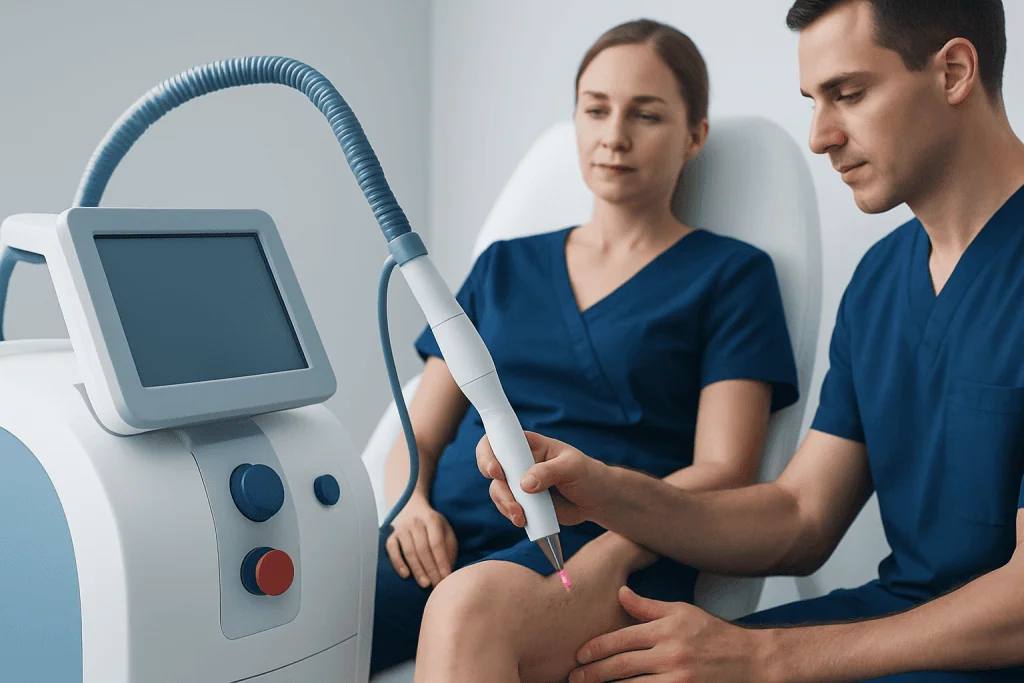
Spider veins develop when small surface veins become enlarged and more visible. In the legs, blood has to travel upward against gravity. Changes in vein valves, pressure within the veins and inherited features of the vein walls can all contribute to visible vessels. Facial spider veins may be associated with sun exposure, skin changes, temperature extremes or some inflammatory skin conditions.
Several factors can increase the likelihood of developing spider veins. These include a family history of visible veins, pregnancy, hormonal changes, increasing age, prolonged standing or sitting, excess body weight and previous injury to the area. They are common and do not necessarily mean a person has a serious circulation disorder.
Spider veins themselves often cause no symptoms. Some people with visible leg veins also experience aching, heaviness, burning, itching, swelling or night cramps. These symptoms may have several causes, so a healthcare professional should determine whether they relate to superficial vein disease or another condition.
- Family tendency toward vein problems
- Pregnancy and hormonal changes
- Occupations involving long periods of standing
- Reduced movement during long journeys or sedentary routines
- Previous vein procedures, injury or blood clot history
Assessment before treatment
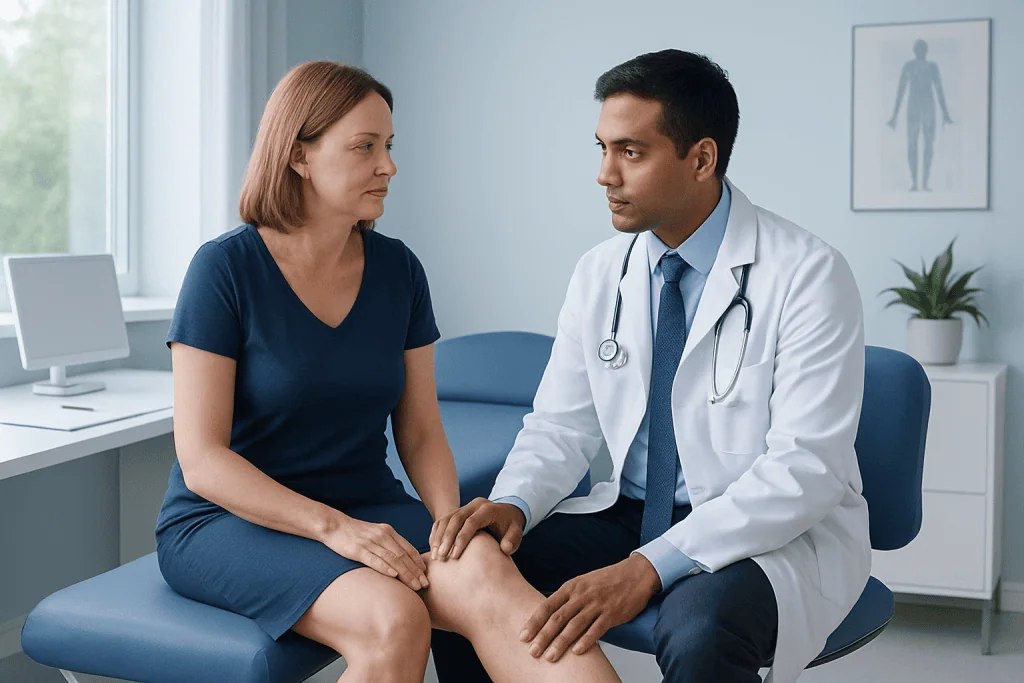
Before spider vein removal, the clinician asks about the person’s medical history, symptoms, medications, allergies, previous blood clots and pregnancy status. They examine the skin and veins while the person is standing. This helps identify the pattern and location of visible vessels and whether treatment is appropriate.
For straightforward, small cosmetic spider veins, an ultrasound scan may not always be necessary. However, duplex ultrasound is often advised when there are larger varicose veins, leg swelling, skin discoloration, a history of venous thrombosis, recurrent veins after past treatment, or symptoms that suggest an underlying problem with blood flow in the leg veins.
The consultation is also a chance to discuss realistic goals. Treatment can fade targeted veins considerably, but results vary with vein size, skin type, location and the method used. Existing spider veins can be treated, yet treatment does not prevent new vessels from appearing later.
People should tell their clinician about medicines and supplements, particularly those that affect bleeding or clotting. A clinician may recommend specific preparation steps, but prescribed medications should never be stopped without advice from the healthcare professional who manages them.
Spider vein removal procedures
Sclerotherapy is a commonly used option for spider veins on the legs. Using a very fine needle, the clinician injects a sclerosant into selected veins. The medicine irritates the inner lining of the vessel in a controlled way, allowing its walls to stick together. Blood is then naturally redirected through healthier veins, while the treated vein gradually fades.
Depending on the number and size of veins, a session can involve several injections. The procedure is usually performed in a clinic and does not generally require general anesthesia. Mild stinging, brief discomfort or cramping may occur during injection. Some people need more than one session to address all visible areas safely and effectively.
Laser vein treatment may be used for fine surface veins, especially on the face, or when injections are not preferred or suitable. A laser device sends targeted energy through the skin to heat the blood vessel. Protective eyewear is used, and the clinician may use cooling measures to protect the skin and improve comfort. Some leg veins may respond better to sclerotherapy than external laser treatment.
When larger feeder veins or vein reflux are identified, treating those vessels first may be recommended. Options may include varicose vein treatment planned according to ultrasound findings. A personalized approach can improve both symptom management and the appearance of smaller surface veins.
Recovery, aftercare and possible side effects
Recovery after spider vein removal is usually quick. Many people return to usual light activities on the same day. After sclerotherapy for leg veins, clinicians commonly encourage walking and may recommend compression stockings for a defined period. The exact type and duration of compression depend on the treatment area, vein pattern and the clinician’s advice.
For the first days after treatment, a person may be advised to avoid strenuous exercise, hot baths, saunas, sun exposure to the treated area and prolonged immobility. Regular, comfortable walking is often helpful. Following the individual aftercare plan is more important than using a generic schedule, since recommendations can vary between procedures.
Common temporary effects include redness, tenderness, bruising, mild swelling, itching or small raised areas along treated veins. After sclerotherapy, a brownish discoloration or fine new blood vessels can occasionally appear around the treatment site. These changes often improve gradually, though pigmentation can sometimes last longer.
Less common complications include skin injury, inflammation of a treated vein, allergic reaction or a blood clot. Laser treatment can rarely cause blistering, burns or changes in skin color. Patients should contact their clinic promptly if they develop increasing pain, marked swelling, spreading redness, a skin sore, sudden shortness of breath or chest pain.
Expected results and long-term care
Spider vein removal produces gradual results rather than an immediate change. Small facial vessels treated with laser therapy may fade within several weeks. Leg spider veins treated with sclerotherapy commonly take weeks to months to improve, and larger or more extensive areas may need additional sessions. A follow-up visit allows the clinician to assess the response and discuss whether further treatment would be useful.
Once a treated vein has closed and been absorbed, it generally does not reopen. However, the tendency to form visible veins can remain. New spider veins may develop in nearby or different areas over time, particularly when there is a family tendency, hormonal change or untreated underlying venous reflux.
While spider veins cannot always be prevented, supportive habits may help overall leg comfort and circulation. These include regular physical activity, taking breaks from prolonged sitting or standing, maintaining a weight that supports health, elevating the legs when appropriate and using compression garments if recommended by a clinician. Daily sunscreen use can help protect facial skin and may reduce the visibility of some sun-related vascular changes.
Acibadem International’s multidisciplinary specialists and JCI-accredited hospitals assess and treat vein concerns for international patients, with care plans based on clinical findings and individual goals.
When to seek medical care
A non-urgent medical appointment is appropriate when visible veins are accompanied by persistent leg aching, heaviness, itching, swelling, cramps, skin changes or worsening varicose veins. Assessment is particularly important for people with a previous blood clot, a strong family history of vein disease, or symptoms that affect daily activities.
Urgent medical care is needed for sudden one-sided leg swelling, warmth, redness or significant pain, as these symptoms can indicate a blood clot or another problem requiring prompt evaluation. Emergency care is necessary for chest pain, fainting, coughing blood or unexplained shortness of breath.
A vein specialist, dermatologist, vascular surgeon or qualified clinician can explain which treatment is suitable and whether imaging is needed. People should avoid attempting to remove or inject spider veins at home, as this can cause infection, skin damage and serious complications.
Frequently asked questions
Is spider vein removal painful?
Most people describe sclerotherapy as brief pinching or stinging during injections, followed by mild soreness or itching. Laser treatment can feel like quick snaps of warmth against the skin. Clinicians may use cooling methods or other comfort measures, depending on the procedure and area treated.
How long does it take to see results from spider vein removal?
Results develop gradually because the body needs time to clear the closed vein. Some small veins begin to fade within weeks, while leg veins may take several months to show their full response. Larger areas or more resistant veins may require more than one treatment session.
Do spider veins come back after treatment?
A successfully treated vein usually remains closed. However, new spider veins can develop later in the same or a different area because the underlying tendency to form visible veins may continue. Follow-up treatment is sometimes chosen for newly appearing veins.
Can spider veins be removed during pregnancy?
Spider vein procedures are commonly postponed during pregnancy because veins may improve after delivery and hormonal changes settle. A clinician can advise on safe comfort measures, such as regular movement or compression garments when appropriate. Treatment can be reconsidered after pregnancy and breastfeeding, based on individual circumstances.
Are spider veins and varicose veins the same?
No. Spider veins are small vessels near the skin surface and are usually flat, while varicose veins are larger, raised or bulging veins that may be associated with vein valve problems. Both can occur together, so an assessment may be useful when leg symptoms or larger veins are present.
What should a person avoid after sclerotherapy?
The treating clinician may advise avoiding strenuous exercise, heat exposure and prolonged sitting or standing for a short period. Sun protection is important because treated areas can be more prone to temporary pigmentation changes. Walking and wearing compression stockings may be recommended for leg treatment.
This article is for general information only and is not a substitute for professional medical advice. Please consult a qualified doctor about your individual situation.
Explore treatments in Turkey — costs, top hospitals & a free quote
JCI-accredited · board-certified surgeons · reply within 24h
Add us as a Preferred Source to see more of our trusted health content across Google Search, AI Overviews and Discover.

More from the Health Library

Proliferative Endometrium — Explained by Medical Evidence, Not Myths

Trench Mouth: What Patients Need to Know

Qid Medical Abbreviation: An Evidence-Based Guide for Patients

Garcinia Cambogia: An Evidence-Based Guide for Patients
Spirometer: What Patients Need to Know