Spinal Cord Compression in Cancer: Emergency Symptoms and Urgent Treatment

New severe back pain, leg weakness, numbness, or bladder and bowel changes in a person with cancer need urgent medical assessment. Spinal cord compression in cancer is usually caused by cancer that has spread to the spine and presses on the spinal cord.
Key Takeaways
- New severe back pain, leg weakness, numbness, or bladder and bowel changes in a person with cancer need urgent medical assessment.
- Spinal cord compression in cancer is usually caused by cancer that has spread to the spine and presses on the spinal cord.
- Early diagnosis with MRI and prompt treatment can reduce the risk of permanent nerve damage.
- Treatment may include steroids, radiotherapy, surgery, pain control, and rehabilitation depending on the cause and overall cancer plan.
- People should not ignore worsening symptoms, even if they already have chronic back pain.
Spinal cord compression in cancer happens when a tumor or collapsed bone presses on the spinal cord or nearby nerves. It is a medical emergency, and fast treatment can help preserve mobility, sensation, and bladder or bowel control.
Overview
Spinal cord compression in cancer, also called malignant spinal cord compression, occurs when cancer presses on the spinal cord or the bundle of nerves around it. This pressure can come from a tumor in the spine, cancer that has spread to the bones of the spine, or a weakened vertebra that collapses and narrows the spinal canal. Because the spinal cord carries messages between the brain and the body, compression can quickly affect movement, feeling, and bladder or bowel control.
This condition is treated as a medical emergency. The goal of urgent care is to relieve pressure on the spinal cord, reduce swelling, and protect nerve function before damage becomes permanent. Symptoms may begin gradually or worsen over hours to days, so recognizing warning signs early is very important.
Spinal cord compression can develop in people with known cancer, especially cancers that commonly spread to bone. In some cases, it may even be the first sign that cancer has spread. Although the situation is serious, rapid assessment and treatment can make a meaningful difference in comfort, function, and quality of life.
Emergency Symptoms to Watch For
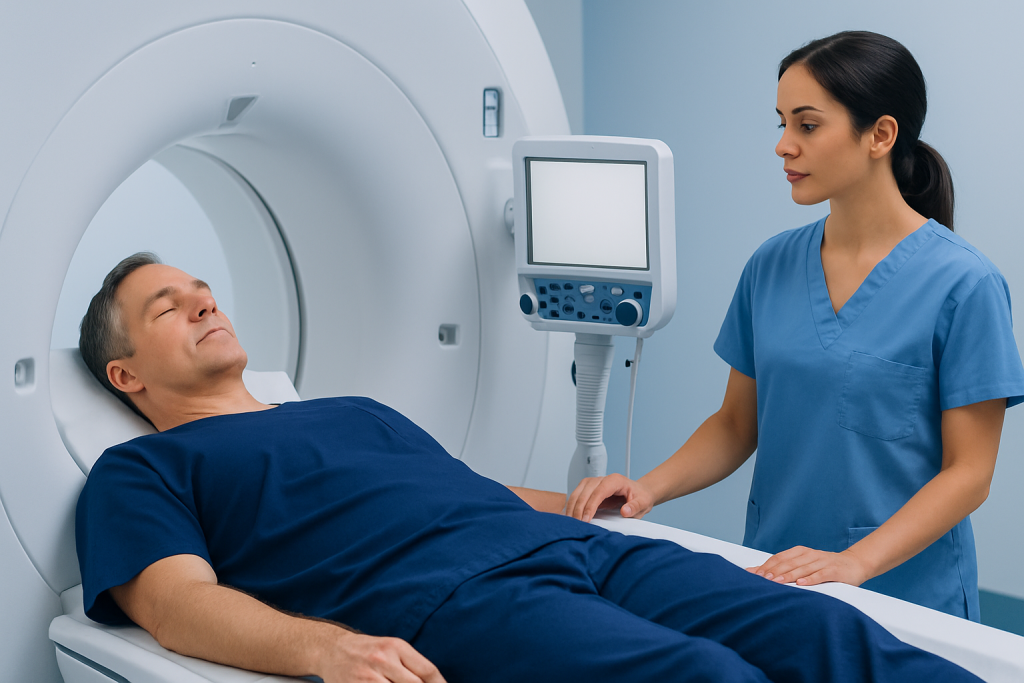
The most common early symptom is new or worsening back pain. This pain may be constant, may feel more intense when lying down, coughing, or straining, and may spread around the chest or down the legs. In a person with cancer, back pain that is different from usual should never be ignored.
As pressure on the spinal cord increases, nerve-related symptoms can appear. These may include weakness in the legs or arms, numbness, tingling, a heavy feeling in the limbs, difficulty walking, or poor balance. Some people notice that climbing stairs, standing up, or walking longer distances becomes harder than usual.
Changes in bladder or bowel function are especially urgent warning signs. Trouble starting urination, loss of bladder control, constipation, or loss of bowel control can happen when the lower spinal cord or nerves are affected. Anyone with cancer who develops back pain together with weakness, numbness, or bladder and bowel changes should seek emergency medical care immediately.
- New severe or rapidly worsening back or neck pain
- Pain that wakes the person at night or is worse when lying flat
- Weakness in the legs or arms
- Numbness, tingling, or reduced sensation
- Difficulty walking, balance problems, or falls
- New bladder or bowel problems
Causes and Risk Factors
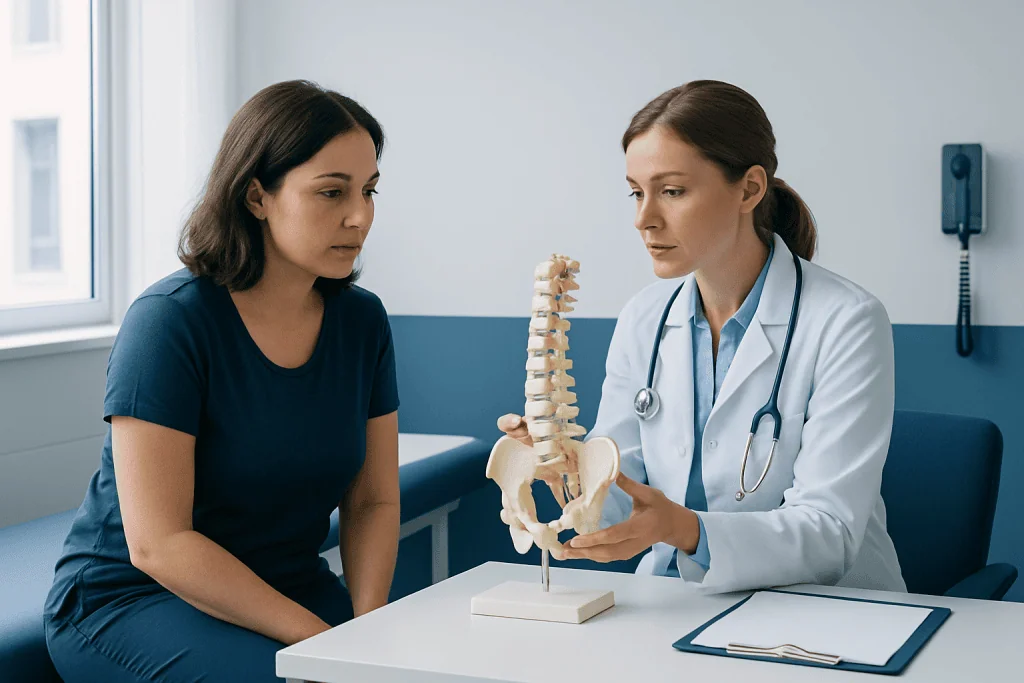
Most cases of spinal cord compression in cancer happen because cancer has spread to the spine. These secondary tumors, often called spinal metastases, can grow in a vertebra and extend into the spinal canal. They may also weaken the bone enough to cause collapse, which then presses on the spinal cord. This is closely related to bone metastasis, a common complication of advanced cancer.
Cancers that more often spread to bone and spine include breast, lung, prostate, kidney, thyroid, and multiple myeloma, although many other cancers can also cause this problem. A person may be at higher risk if they already have known spinal metastases, unexplained back pain, or a cancer stage associated with spread to bone.
Compression can happen at any level of the spine, but it most often affects the thoracic spine, the middle part of the back. The exact symptoms depend on where the pressure is located. For example, compression higher in the spine can affect the arms as well as the legs, while lower compression may mainly affect the legs and bladder or bowel function.
How Doctors Diagnose It
Diagnosis starts with an urgent clinical evaluation. The doctor asks about pain, weakness, numbness, walking difficulty, and changes in urination or bowel habits. A neurological examination helps assess muscle strength, reflexes, sensation, coordination, and whether there are signs that the spinal cord is under pressure.
The most important imaging test is usually an MRI scan of the spine, often covering the whole spine because more than one area can be involved. MRI can show the exact location of compression, whether a vertebra has collapsed, and how much the spinal cord and nearby nerves are affected. If MRI is not possible, other imaging such as CT may help, but MRI is generally preferred for detail.
Doctors may also order blood tests and review the person’s cancer history, current treatments, and overall health. If the compression is the first sign of cancer spread, the care team may need additional tests to understand the source of the tumor and plan treatment. Fast diagnosis is essential because delays can reduce the chance of recovery of nerve function.
Urgent Treatment Options
Treatment usually begins immediately once spinal cord compression is suspected or confirmed. Corticosteroids are often given first to reduce swelling around the spinal cord and help relieve pressure-related symptoms while the team plans definitive treatment. Pain relief and careful positioning are also important, and some people may need help with walking or temporary bladder support.
The main treatment depends on the cause, the location of compression, the type of cancer, and the person’s general condition. Radiotherapy is commonly used when a tumor is pressing on the spinal cord, especially if the cancer is expected to respond well to radiation. In selected cases, radiation oncology treatment can shrink the tumor and improve pain and neurological symptoms.
Surgery may be recommended when there is spinal instability, a collapsed vertebra, pressure that needs direct removal, or when tissue is needed for diagnosis. Operations can aim to decompress the spinal cord and stabilize the spine. Depending on the case, this may involve neurosurgery and close coordination with oncology, orthopedics, and rehabilitation specialists.
Further cancer treatment is guided by the underlying diagnosis and may include systemic therapy such as chemotherapy, hormonal treatment, targeted therapy, or immunotherapy. Some patients with painful or unstable vertebral damage may also benefit from specialist spine procedures and supportive care. If the condition is related to widespread metastatic cancer, treatment planning often balances symptom relief, mobility, and the broader goals of cancer care.
Recovery, Rehabilitation, and Self-Care
Recovery depends on how severe the compression was, how quickly treatment started, and whether nerve function was already significantly affected. In general, people who are still able to walk before treatment have a better chance of maintaining mobility. Even when symptoms improve, rehabilitation is often needed to regain strength, confidence, and day-to-day independence.
Physical therapy can help with walking, balance, transfers, and safe movement. Occupational therapy may support dressing, bathing, and adapting the home if weakness or numbness remains. Good pain control, skin care, constipation prevention, and bladder management can also make recovery safer and more comfortable.
At home, it is helpful to follow the medical team’s advice about activity, lifting, mobility aids, and medicines. People should report any return or worsening of pain, weakness, numbness, or bladder and bowel changes right away. Some patients may also need ongoing cancer-directed care, such as medical oncology treatment, to reduce the chance of further progression.
When to Seek Immediate Medical Help
Any person with cancer should seek urgent medical attention for new severe back pain, pain with weakness, numbness, walking difficulty, or changes in bladder or bowel function. These symptoms should not wait for a routine clinic visit. If symptoms are progressing quickly, emergency care is the safest choice.
People who already have cancer in the bones or spine should be especially alert to changes that are new or different from their usual symptoms. It can be easy to assume pain is part of the cancer journey, but spinal cord compression needs faster action than ordinary pain management alone. Early treatment may help prevent permanent disability.
Near the end of the care pathway, some people may need coordinated support from multiple specialties. Acibadem International’s multidisciplinary specialists in JCI-accredited hospitals diagnose and treat spinal emergencies related to cancer for international patients, with care planned according to the individual’s cancer type, neurological findings, and overall health.
Frequently asked questions
Is spinal cord compression in cancer always an emergency?
Yes. Spinal cord compression in cancer is treated as a medical emergency because ongoing pressure on the spinal cord can cause permanent nerve damage. Fast assessment and treatment can help protect movement, sensation, and bladder or bowel function.
What does the pain feel like?
The pain is often felt in the back or neck and may be new, worsening, or different from usual pain. It can be constant, worse at night, or increase with coughing, sneezing, or lying down. Some people also feel pain that wraps around the chest or travels into the arms or legs.
Can spinal cord compression happen even if cancer treatment is already underway?
Yes. It can develop before, during, or after cancer treatment, especially if cancer has spread to the spine. Any new neurological symptom should be reported quickly, even in someone already receiving oncology care.
Will symptoms go away after treatment?
Some symptoms may improve, especially if treatment starts early. Recovery varies from person to person and depends on how long the spinal cord was compressed and how severe the nerve injury was. Rehabilitation is often an important part of recovery.
Which test is usually best for diagnosis?
MRI of the spine is usually the most useful test because it shows the spinal cord, nerves, bones, and tumor clearly. It can also help identify whether more than one area of the spine is involved. Doctors may use additional imaging if needed.
Can someone have spinal cord compression without knowing they have metastatic cancer?
Yes. In some people, spinal cord compression is the first sign that cancer has spread, and sometimes even the first clue to an undiagnosed cancer. That is why urgent evaluation is important whenever these symptoms appear.
References
- National Cancer Institute
- American Cancer Society
- National Institute for Health and Care Excellence
- American Association of Neurological Surgeons
- World Health Organization
This article is for general information only and is not a substitute for professional medical advice. Please consult a qualified doctor about your individual situation.
Persistent digestive symptoms? Get evaluated in Turkey
JCI-accredited · board-certified surgeons · reply within 24h
Add us as a Preferred Source to see more of our trusted health content across Google Search, AI Overviews and Discover.

Medical Oncology Department
Medical treatment of cancer with chemotherapy, immunotherapy and targeted therapies under a multidisciplinary tumor board.
60 specialists in this unit