Spinal Epidural Abscess: Back Pain, Fever, and Neurological Warning Signs

Spinal epidural abscess is a medical emergency because it can compress the spinal cord and nerves. Common warning signs include severe back pain, fever, weakness, numbness, and changes in bladder or bowel function.
Key Takeaways
- Spinal epidural abscess is a medical emergency because it can compress the spinal cord and nerves.
- Common warning signs include severe back pain, fever, weakness, numbness, and changes in bladder or bowel function.
- MRI is usually the main test used to confirm the diagnosis and assess the extent of infection.
- Treatment often includes intravenous antibiotics, and some people also need surgery to drain the infection or relieve pressure.
- Early treatment improves the chance of recovery and helps prevent lasting nerve damage.
Spinal epidural abscess is an infection that forms in the space around the spinal cord. It can begin with back pain and fever, but urgent diagnosis and treatment are important because pressure on the spinal cord can lead to weakness, numbness, or loss of bladder and bowel control.
Overview
Spinal epidural abscess is a pocket of infection that develops in the epidural space, the area between the bones of the spine and the protective covering of the spinal cord. As pus and inflammation build up, they can press on the spinal cord or nearby nerves. This pressure can interfere with normal nerve function and may become a medical emergency.
The condition is uncommon, but it is important because symptoms may start vaguely and then worsen quickly. Some people first notice persistent or severe back pain, while others also develop fever, chills, or feeling generally unwell. If the infection continues to spread or causes more swelling, it can lead to weakness, numbness, or difficulty walking.
Spinal epidural abscess can affect the neck, chest, or lower back regions of the spine. The exact symptoms often depend on where the infection is located and how much the spinal cord or nerves are affected. Prompt medical evaluation is essential because early treatment can reduce the risk of permanent neurological problems.
Symptoms and neurological warning signs
The most common early symptom is back pain that feels deeper, more severe, or more constant than usual. The pain may stay in one part of the spine or spread into the arms, chest, or legs depending on the affected level. Fever may be present, but not everyone has a high temperature at the beginning.
As the infection progresses, neurological symptoms can appear. These may include weakness in the arms or legs, numbness, tingling, difficulty walking, poor balance, or unusual heaviness in the limbs. Some people notice sharp shooting pain or worsening tenderness over the spine.
More advanced warning signs suggest pressure on the spinal cord or nerve roots and need urgent attention. These include loss of bladder or bowel control, trouble starting urination, increasing paralysis, or rapidly worsening weakness. In some cases, spinal epidural abscess may occur alongside other serious infections such as meningitis, which can add symptoms like severe headache or confusion.
- Persistent or severe back or neck pain
- Fever, chills, or a general feeling of illness
- Weakness, numbness, or tingling in the limbs
- Difficulty walking or loss of coordination
- Changes in bladder or bowel control
Causes and risk factors

Most spinal epidural abscesses are caused by bacteria, especially when germs spread through the bloodstream from another site in the body. A skin infection, urinary tract infection, infected wound, dental infection, or infection of the heart valves may allow bacteria to travel and settle near the spine. Less commonly, the infection can spread directly from nearby spinal structures or develop after a procedure or injury.
Several factors can increase the risk. These include diabetes, weakened immunity, chronic kidney disease, cancer treatment, intravenous drug use, recent spinal surgery, spinal injections, or a recent infection elsewhere in the body. Older age and long-term health conditions may also make a person more vulnerable.
Sometimes the infection is linked with infection in the spinal bones or discs, such as spondylodiscitis. In other people, no clear source is found even after testing. Not having an obvious risk factor does not rule out the condition, which is why unexplained severe back pain with fever or neurological symptoms should be assessed promptly.
How doctors diagnose spinal epidural abscess
Diagnosis begins with a careful medical history and neurological examination. Doctors ask about the pattern of pain, any fever, recent infections, immune conditions, injuries, spine procedures, and changes in strength or sensation. The examination looks for tenderness over the spine, weakness, sensory changes, abnormal reflexes, and signs of spinal cord compression.
Blood tests can help show inflammation or infection. These often include a complete blood count, inflammatory markers such as C-reactive protein and erythrocyte sedimentation rate, and blood cultures to identify the germ. Although these tests support the diagnosis, imaging is usually needed to confirm the problem and map its location.
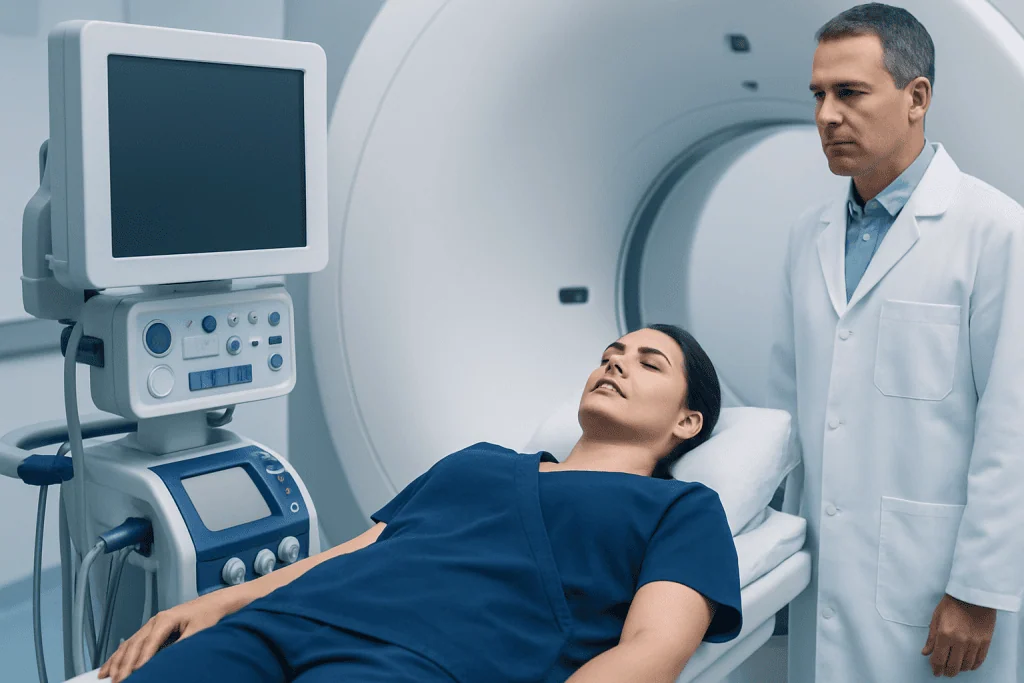
MRI with contrast is generally the most useful imaging test because it can clearly show the epidural space, the spinal cord, and nearby tissues. It also helps doctors look for related problems such as a brain abscess or other deep infections when symptoms suggest a wider infectious process. If MRI is not possible, other imaging may be considered, but MRI remains the usual first choice.
Treatment options
Treatment should begin as soon as spinal epidural abscess is suspected or confirmed. Most people need care in hospital so that doctors can monitor neurological function closely and start intravenous antibiotics. Antibiotic treatment is chosen to cover likely bacteria at first, then adjusted if culture results identify a specific organism.
Some patients can be treated with antibiotics alone, especially if the abscess is small, symptoms are limited, and there is no significant spinal cord compression. However, surgery is often needed when there is neurological weakness, a larger abscess, spinal instability, or poor response to antibiotics. Surgical treatment aims to drain infected material, reduce pressure on the spinal cord, and obtain samples for culture. Depending on the case, this may involve neurosurgical treatment or spine surgery.
Supportive care is also important. This may include pain control, management of blood sugar in people with diabetes, rehabilitation for walking or weakness, and follow-up imaging when needed. If doctors suspect widespread infection or complications, additional specialized care such as infectious diseases evaluation and treatment may be part of the plan.
Recovery, possible complications, and outlook
Recovery depends on how quickly the condition is recognized and whether nerve tissue was affected before treatment began. People treated early, before major weakness or paralysis develops, often have a better outcome. Improvement may continue gradually over weeks to months as the infection clears and nerves recover.
Possible complications include persistent weakness, chronic pain, numbness, walking difficulties, or bladder and bowel problems. In severe cases, delayed treatment can lead to permanent paralysis or spread of infection into the bloodstream. This is why spinal epidural abscess is taken seriously and monitored closely even after therapy has started.
Follow-up care may include repeat blood tests, imaging, neurological checks, and physical rehabilitation. Some people need a prolonged course of antibiotics supervised by their medical team. Near the end of the care pathway, patients who are traveling for treatment may also seek coordinated assessment at centers such as Acibadem International, where multidisciplinary specialists in JCI-accredited hospitals diagnose and treat complex spinal and neurological infections for international patients.
Prevention and when to seek urgent medical care
Not every case can be prevented, but lowering infection risk can help. Good control of diabetes, careful treatment of skin and urinary infections, and following medical advice after spinal procedures or surgery are important steps. People who inject drugs can reduce risk by seeking support and medical care for substance use and infections.
Anyone recovering from a recent infection, spinal injection, or surgery should pay attention to new fever, worsening back pain, wound redness, drainage, or neurological symptoms. Keeping follow-up appointments and reporting symptoms early may allow faster treatment before complications develop.
Urgent medical attention is needed for severe or worsening back pain together with fever, weakness, numbness, difficulty walking, or bladder and bowel changes. Even if fever is absent, new neurological symptoms with significant spinal pain should not be ignored. Prompt evaluation can make a major difference in protecting spinal cord function and improving recovery.
Frequently asked questions
Is spinal epidural abscess rare?
It is considered an uncommon condition, but doctors treat it as very important because it can become serious quickly. Even though it is rare, it should be considered when severe back pain occurs with fever or neurological symptoms.
Can spinal epidural abscess happen without fever?
Yes. Some people do not have a noticeable fever, especially early in the illness or if they have a weakened immune system. That is why persistent severe back pain with weakness, numbness, or bladder and bowel changes still needs urgent assessment.
What causes spinal epidural abscess?
It is usually caused by bacteria that spread through the bloodstream from another infection or enter the body after spinal surgery, injections, or trauma. Common sources include skin, urinary, dental, or blood infections, though sometimes no clear source is found.
How is spinal epidural abscess treated?
Treatment often includes intravenous antibiotics in hospital. Some people also need surgery to drain the abscess and relieve pressure on the spinal cord, especially if there is weakness, worsening symptoms, or a large collection.
Can a person recover fully from spinal epidural abscess?
Many people recover well, especially when the condition is diagnosed and treated early. Recovery may take time, and the outcome depends partly on how much neurological damage occurred before treatment started.
When should someone go to the emergency department?
Immediate medical care is important for severe back or neck pain with fever, weakness, numbness, trouble walking, or changes in bladder or bowel control. Rapidly worsening symptoms should be treated as an emergency because they may mean the spinal cord is under pressure.
References
- World Health Organization
- National Institute of Neurological Disorders and Stroke
- Centers for Disease Control and Prevention
- American Association of Neurological Surgeons
- Infectious Diseases Society of America
This article is for general information only and is not a substitute for professional medical advice. Please consult a qualified doctor about your individual situation.
Persistent digestive symptoms? Get evaluated in Turkey
JCI-accredited · board-certified surgeons · reply within 24h
Add us as a Preferred Source to see more of our trusted health content across Google Search, AI Overviews and Discover.