Sports Drinks for Electrolytes: A Complete Medical Overview
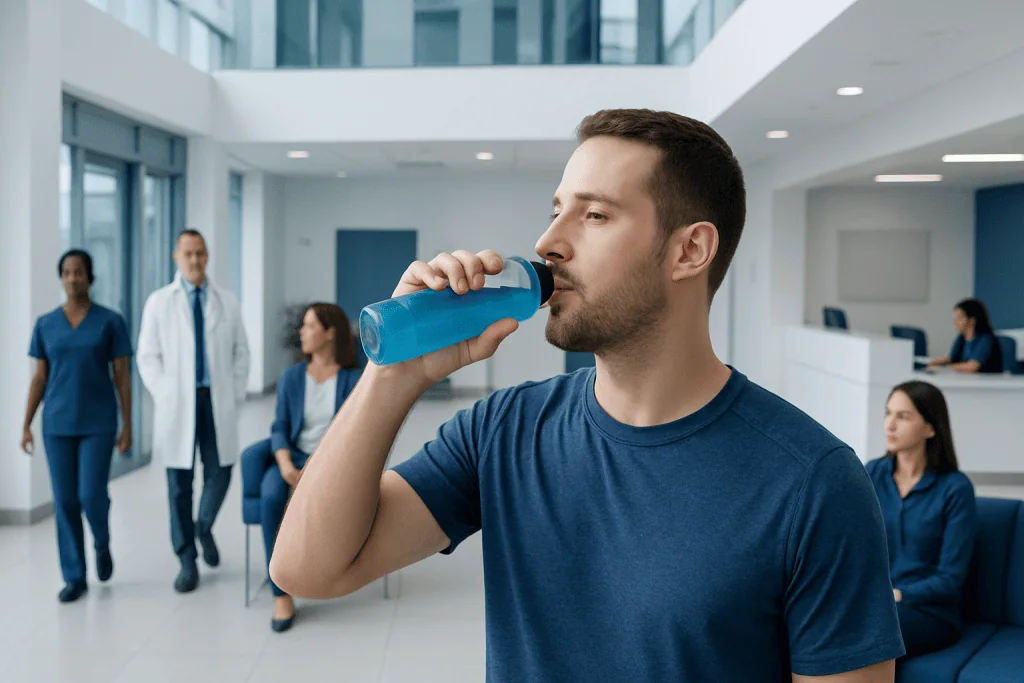
Sports drinks replace water plus electrolytes such as sodium and potassium, and many also contain carbohydrates. They are most helpful during prolonged, intense exercise, heavy sweating, or fluid losses from heat or illness.
Key Takeaways
- Sports drinks replace water plus electrolytes such as sodium and potassium, and many also contain carbohydrates.
- They are most helpful during prolonged, intense exercise, heavy sweating, or fluid losses from heat or illness.
- For shorter or lower-intensity activity, plain water is usually sufficient.
- Not all sports drinks are the same; sugar, sodium, caffeine, and calorie content can vary widely.
- People with certain medical conditions should ask a doctor which hydration strategy is safest.
Sports drinks for electrolytes can be useful when exercise, heat, or illness causes significant fluid and mineral loss. For many people and many workouts, however, water is enough, and the best choice depends on intensity, duration, health conditions, and total sugar intake.
Overview: What sports drinks for electrolytes actually do
Sports drinks for electrolytes are beverages designed to replace both fluid and key minerals lost in sweat, especially sodium and, to a lesser extent, potassium. Many formulas also include carbohydrates to provide energy during sustained exercise. In practical terms, they can support hydration better than plain water in specific situations, particularly when a person is exercising hard for a long time, training in heat, or losing fluids through heavy sweating.
That said, they are not automatically the healthiest or most effective choice for every person or every workout. For a short walk, routine gym session, or light exercise lasting under about an hour, water is usually enough for healthy adults. A balanced diet typically replaces everyday electrolyte losses without the need for specialized drinks.
The value of these beverages depends on context. The body needs the right balance of water and electrolytes to support muscle contraction, nerve signaling, blood pressure, and temperature regulation. Too little fluid can contribute to dehydration, while replacing only water during very prolonged sweating may dilute sodium levels in some circumstances. This is one reason sports drinks have a role, but also why they should be used thoughtfully rather than routinely.
How electrolytes affect hydration and performance
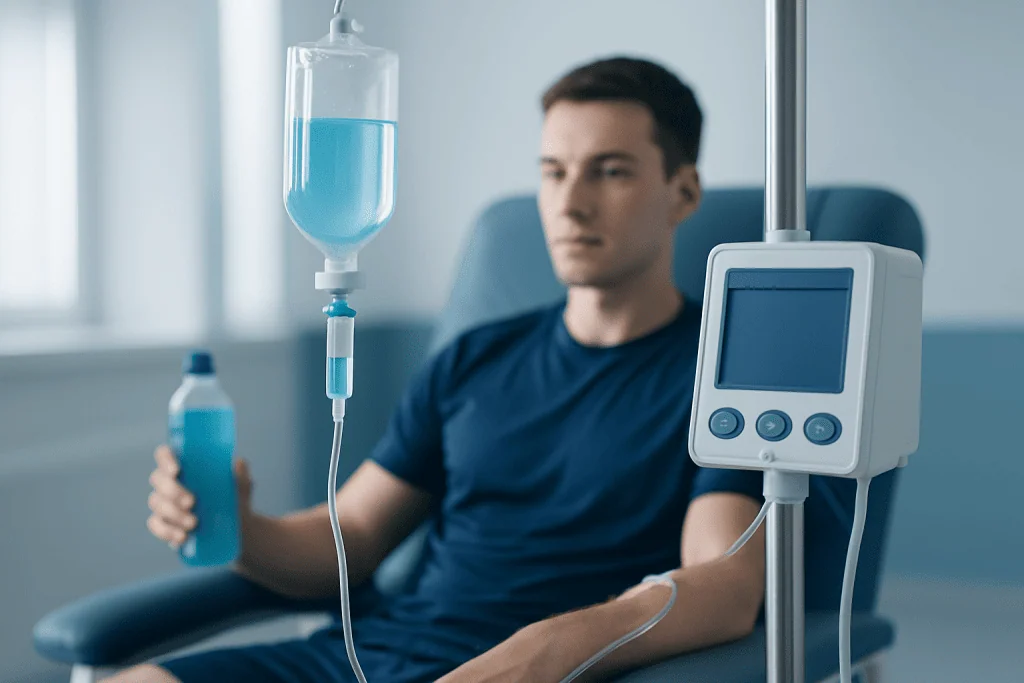
Electrolytes are minerals that carry an electrical charge and help the body perform essential tasks. Sodium helps maintain fluid balance and supports nerve and muscle function. Potassium is important for muscle contraction and heart rhythm. Smaller amounts of minerals such as magnesium and calcium also contribute to normal muscle and nerve activity.
During exercise, the body cools itself by sweating. Sweat contains water and electrolytes, with sodium being the main electrolyte lost. When those losses become substantial, a person may notice thirst, fatigue, reduced endurance, headache, lightheadedness, muscle cramps, or slower recovery. Replacing fluid alone can help, but replacing sodium as well may improve fluid retention and encourage continued drinking during prolonged exercise.
Carbohydrates in sports drinks serve a different purpose. They can provide readily available energy for endurance activities and may help maintain performance when exercise lasts longer than about 60 to 90 minutes. This is why sports drinks are not simply flavored water; they are intended for a specific physiological need, not just refreshment.
When sports drinks may help most

Sports drinks tend to be most useful when fluid and sodium losses are high or when a person needs both hydration and quick energy. Examples include endurance running, cycling, competitive team sports, long training sessions, high-intensity exercise in hot or humid weather, and physically demanding outdoor work. They may also be reasonable after significant sweating if eating and drinking normally will be delayed.
They can also be helpful during recovery from some illnesses that involve fluid loss, such as vomiting or diarrhea, although a clinician may recommend an oral rehydration solution instead because these products are specifically formulated for medical rehydration. If symptoms are severe, persistent, or accompanied by signs of significant dehydration, medical assessment is important. Related causes of fluid and electrolyte loss may include diarrhea and other gastrointestinal illnesses.
Situations where sports drinks may be considered include:
- Exercise lasting longer than 60 minutes, especially at moderate to high intensity
- Heavy sweating during hot or humid conditions
- Endurance events or tournaments with repeated bouts of activity
- Recovery after prolonged exertion when food is not immediately available
- Episodes of increased fluid loss, if a healthcare professional advises it
Even in these situations, the best product and amount vary. Sweat rates differ from person to person, so individual hydration needs are not identical.
When water is enough and when sports drinks may be less suitable
For many healthy people, plain water is appropriate before, during, and after everyday activity. Short workouts, low-intensity exercise, yoga, walking, and routine strength training often do not cause enough electrolyte loss to require a sports drink. In these cases, sports drinks may add unnecessary sugar and calories without offering a clear benefit.
Sports drinks may also be less suitable for people who are trying to limit sugar intake, manage weight, or control blood glucose levels unless a clinician or sports dietitian recommends them for a particular reason. Many products contain substantial amounts of carbohydrate. This is useful during endurance exercise, but not always desirable at other times. People living with diabetes should be especially careful about how these beverages fit into their overall nutrition and glucose management plan.
Some drinks marketed for exercise also contain caffeine, herbal stimulants, or very high concentrations of vitamins and minerals. These are not the same as standard sports drinks and may not be appropriate for children, pregnant people, or those with heart rhythm concerns, high blood pressure, or sleep problems. It is helpful to read labels closely rather than assuming all hydration drinks serve the same purpose.
How to choose a sports drink wisely
A useful sports drink should match the situation. During prolonged exercise, many people benefit from a product that contains sodium and a moderate amount of carbohydrate in a form that is easy to tolerate. Drinks that are very concentrated with sugar may slow stomach emptying and feel heavy, while drinks with little or no sodium may not adequately replace sweat losses during long sessions.
When comparing products, a few label features matter most:
- Sodium content, because sodium is the primary electrolyte lost in sweat
- Carbohydrate amount, especially if exercise is prolonged
- Total calories and added sugars
- Caffeine or stimulant ingredients, if present
- Serving size, since bottles often contain more than one serving
People with kidney disease, heart failure, uncontrolled high blood pressure, or conditions that affect fluid balance should not rely on general advice alone. In these cases, the safest hydration plan may differ from standard sports nutrition guidance. Medical teams may use blood tests or blood testing to assess electrolyte concerns when symptoms suggest an imbalance or another underlying problem.
For athletes with recurring cramps, dizziness, poor exercise tolerance, or repeated dehydration, a structured evaluation can be helpful. In some cases, clinicians may investigate causes beyond simple sweat loss, and this may include a medical check-up to review medications, nutrition, and overall health.
Risks, side effects, and common misunderstandings
Sports drinks are generally safe for most healthy people when used as intended, but they are not risk-free. Frequent use outside of prolonged exercise can contribute to excess sugar and calorie intake. Acidic and sugary drinks may also affect dental health if consumed often throughout the day.
Another misunderstanding is that more electrolytes are always better. The body needs balance, not excess. Very high sodium intake may be unhelpful for some people, while drinking large volumes of low-sodium fluid during endurance events can rarely contribute to low blood sodium, also called hyponatremia. Symptoms can overlap with dehydration, which is why severe headache, confusion, vomiting, or unusual swelling during or after endurance activity should not be ignored.
Muscle cramps are also commonly attributed only to electrolyte loss, but they can have multiple causes, including muscle fatigue, conditioning level, pacing, heat stress, and hydration habits. A sports drink may help in some cases, but it is not a guaranteed solution. If symptoms keep recurring, a medical review is sensible rather than repeatedly self-treating.
Prevention and self-care for better hydration
Good hydration is usually easier to achieve with a plan rather than waiting until intense thirst develops. Drinking fluids regularly during the day, beginning exercise well hydrated, and adjusting intake for heat, humidity, altitude, and activity duration can reduce the chance of performance decline and dehydration symptoms. Eating balanced meals also helps replace sodium, potassium, and other nutrients naturally.
Simple self-care strategies include weighing before and after long training sessions to learn approximate sweat losses, scheduling hydration breaks during prolonged activity, and combining fluids with recovery foods after exercise. Some people find that alternating water and a sports drink works well during long events, but needs differ widely.
Children, older adults, and people with chronic health conditions may need extra attention to hydration. Children may not recognize thirst early, while older adults may have a reduced thirst response or take medications that affect fluid balance. Anyone with repeated symptoms such as dizziness, faintness, severe cramping, or reduced urination should be assessed by a clinician. If a more detailed evaluation is needed, hospital-based teams may use internal medicine assessment to identify contributing health issues.
Near the end of the care pathway, some people also seek coordinated support for exercise-related health concerns. Acibadem International’s multidisciplinary specialists and JCI-accredited hospitals diagnose and treat hydration, electrolyte, and related internal medicine conditions for international patients.
When to seek medical care
Most mild dehydration improves with rest and oral fluids, but medical care is important when symptoms are severe, prolonged, or out of proportion to the activity performed. Warning signs include confusion, fainting, chest pain, shortness of breath, very little urination, persistent vomiting, severe weakness, or an inability to keep fluids down. These symptoms may indicate significant dehydration, heat-related illness, electrolyte imbalance, or another urgent problem.
Medical advice is also appropriate if a person has kidney disease, heart disease, uncontrolled diabetes, or takes medications such as diuretics and has questions about sports drinks or electrolyte products. Recurrent exercise-related cramps, dizziness, palpitations, or unusual fatigue deserve evaluation, especially if they happen repeatedly despite hydration efforts.
For infants, young children, older adults, and pregnant people, the threshold for seeking advice should be lower, because fluid and electrolyte disturbances can become more serious more quickly. A qualified doctor can help determine whether symptoms are due to dehydration alone or whether another condition needs attention.
Frequently asked questions
Are sports drinks for electrolytes better than water?
They can be better than water in specific situations, such as prolonged intense exercise, heavy sweating, or endurance events. For short or light activity, water is usually sufficient for healthy adults.
Do sports drinks really replace electrolytes?
Yes, most sports drinks replace some electrolytes, especially sodium, and many also contain potassium. However, the amount varies by brand, so reading the label is important.
Can someone drink sports drinks every day?
They can, but daily use is not necessary for most people and may add extra sugar and calories. Routine hydration is usually better supported by water and a balanced diet unless a clinician advises otherwise.
Are sports drinks helpful when sick with vomiting or diarrhea?
They may help with fluid intake, but oral rehydration solutions are often better suited for medical rehydration because they are formulated for that purpose. If vomiting, diarrhea, or dehydration symptoms are severe or ongoing, medical care is recommended.
Which electrolyte matters most in sweat loss?
Sodium is the main electrolyte lost in sweat and is usually the most important one to replace during prolonged exercise. Potassium also matters, but sweat losses of sodium are generally more significant.
Can sports drinks prevent muscle cramps?
They may help in some cases, especially when sweating and sodium loss are contributing factors. Still, cramps can also result from muscle fatigue, conditioning, pacing, and heat stress, so a sports drink is not a complete answer.
References
- World Health Organization
- Centers for Disease Control and Prevention
- American College of Sports Medicine
- National Institutes of Health
- Academy of Nutrition and Dietetics
This article is for general information only and is not a substitute for professional medical advice. Please consult a qualified doctor about your individual situation.
Explore treatments in Turkey — costs, top hospitals & a free quote
JCI-accredited · board-certified surgeons · reply within 24h
Add us as a Preferred Source to see more of our trusted health content across Google Search, AI Overviews and Discover.
Check your numbers in seconds
BMI, calories, due date, blood pressure and 30+ more clinical calculators — free, instant, doctor-reviewed ranges.

More from the Health Library

Lactoferrin: A Complete Medical Overview

Aphthous disease: A Complete Medical Guide for Patients

Breathalyzer Test: An Evidence-Based Guide for Patients

Obamacare Is What — Explained by Medical Evidence, Not Myths

Stairmaster Benefits: An Evidence-Based Guide for Patients