Sports Physical — Explained by Medical Evidence, Not Myths

A sports physical reviews health history, symptoms, and basic physical findings before sports participation. The medical history is often the most important part because it can reveal risks not obvious on examination.
Key Takeaways
- A sports physical reviews health history, symptoms, and basic physical findings before sports participation.
- The medical history is often the most important part because it can reveal risks not obvious on examination.
- A sports physical is different from an annual checkup, though both are useful and may be done together.
- Most athletes are cleared for sports, sometimes with recommendations, follow-up testing, or activity modifications.
- Chest pain, fainting with exercise, breathing trouble, or a history of concussion should always be discussed with a doctor.
A sports physical is a preparticipation medical evaluation that helps determine whether a child, teen, or adult can take part in sports safely. It does not predict every injury, but it can identify medical concerns, review past health issues, and guide safer training and follow-up care.
Overview: what a sports physical is and is not
A sports physical, also called a preparticipation physical evaluation, is a medical visit used to assess whether a person can participate in sports as safely as possible. It usually includes a review of personal and family medical history, current symptoms, previous injuries, medications, and a focused physical examination. Schools, clubs, and sports organizations often require it before a season begins.
Its purpose is not to “pass” or “fail” an athlete in a simple way. Instead, the evaluation looks for conditions that may need treatment, monitoring, protective equipment, rehabilitation, or temporary restrictions. Many athletes are cleared without limitations, while others may be cleared with follow-up advice or specialist review.
A sports physical is also different from a routine annual health check. The annual visit covers broader preventive care such as vaccinations, growth, mental health, and general wellness, while the sports physical focuses on issues that may affect exercise and competition. When possible, combining both visits can be helpful.
Who needs a sports physical and when it should be done
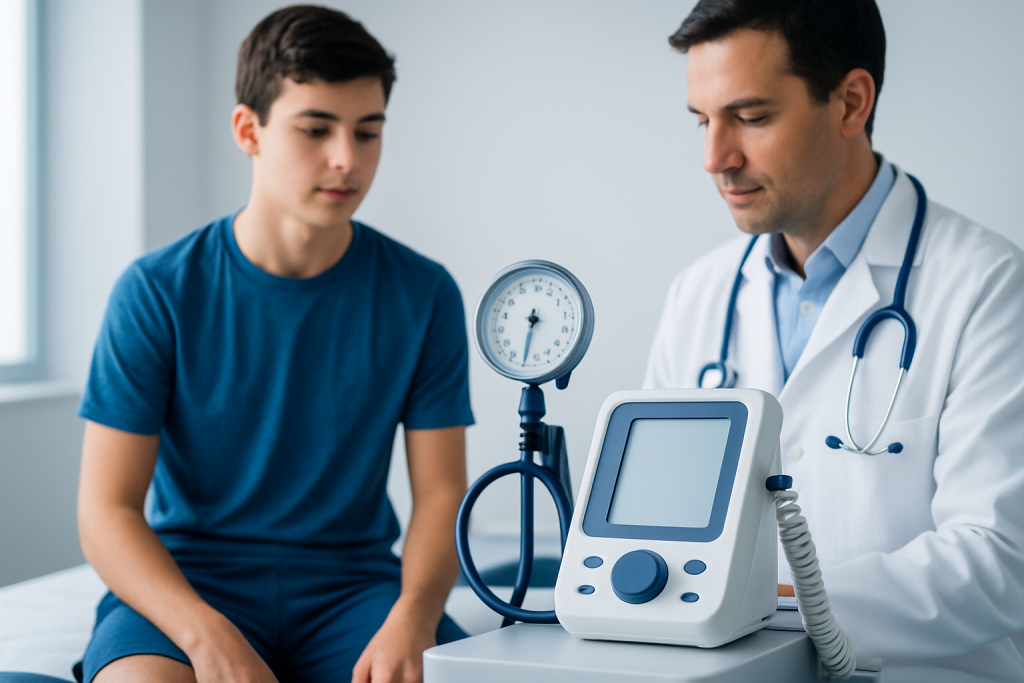
Children, adolescents, and adults who plan to take part in organized sports often need a sports physical. This includes school teams, recreational leagues, martial arts, dance, endurance events, and competitive fitness activities. Even when it is not mandatory, the visit can be useful before starting a new training program, especially after an injury or a change in health.
It is generally best to schedule the evaluation several weeks before the season starts rather than at the last minute. This allows time for follow-up tests, specialist appointments, or treatment if something needs closer attention. A rushed exam just before competition may leave little time to address concerns fully.
The visit is especially important for athletes with asthma, diabetes, seizures, heart symptoms, previous concussions, orthopedic injuries, or regular medication use. Athletes returning after a long break, surgery, or a significant illness may also benefit from more detailed review.
What happens during a sports physical

The most valuable part of the visit is often the medical history. The clinician may ask about chest pain, shortness of breath, fainting, palpitations, headaches, prior fractures, joint instability, concussions, heat illness, allergies, and any symptoms during exercise. Family history also matters, especially early heart disease, unexplained fainting, inherited conditions, or sudden death at a young age.
The physical examination usually includes height, weight, blood pressure, pulse, vision screening, and an assessment of the heart, lungs, abdomen, skin, nerves, and musculoskeletal system. The clinician may check posture, flexibility, strength, balance, joint motion, and any areas with previous injury. These findings help identify concerns that could affect participation or training plans.
Depending on age, symptoms, and medical history, the clinician may also review nutrition, hydration, menstrual history, sleep, mood, and use of supplements or energy products. This broader discussion is important because sports readiness is influenced by overall health, not only by strength or fitness.
- Review of past illnesses, surgeries, and hospitalizations
- Questions about exercise-related symptoms
- Check of medications, inhalers, and emergency plans
- Focused exam of heart, lungs, and joints
- Advice about injury prevention and safe return to play
Common concerns a sports physical can help identify
A sports physical can help detect issues that may otherwise go unnoticed during training. These include poorly controlled asthma, high blood pressure, exercise-related symptoms, eating-related concerns, recurrent joint instability, and incomplete recovery from previous injuries. It may also highlight signs that an athlete needs further evaluation for a heart, neurological, or musculoskeletal problem.
For example, a history of wheezing, nighttime cough, or shortness of breath with exercise may suggest the need for assessment and better control of asthma. Repeated ankle sprains, knee pain, or shoulder instability may point to the need for rehabilitation or consultation with specialists in orthopedic care. If dizziness, blackouts, or chest discomfort occur with exertion, more urgent cardiac evaluation may be needed before clearance.
The evaluation is also a useful time to discuss prior head injuries. Athletes with a recent concussion, ongoing headaches, trouble concentrating, or balance problems may need structured assessment and graduated return-to-play guidance. In some cases, additional review in neurology can help clarify symptoms and recovery planning.
Myths and facts about sports clearance
One common myth is that a sports physical guarantees that an athlete has no risk. In reality, no screening exam can predict every injury or medical event. The goal is to reduce risk by identifying warning signs, improving management of known conditions, and encouraging safe participation habits.
Another myth is that tests such as electrocardiograms, imaging, or blood work are needed for everyone. For most healthy athletes, routine testing beyond history and physical examination is not required. Additional tests are usually reserved for people with symptoms, abnormal findings, significant family history, or conditions that need closer evaluation.
It is also inaccurate to assume that being denied immediate clearance means someone can never play sports. Sometimes a temporary restriction is simply a safety step while an athlete completes treatment, rehabilitation, or further testing. After evaluation, many people can return with a plan tailored to their health needs.
Finally, a sports physical should not be viewed as paperwork alone. An honest, complete history is essential. Athletes, parents, and coaches should understand that hiding symptoms such as fainting, chest pain, severe headaches, or repeated concussions can place the athlete at greater risk.
When more testing or specialist care may be needed
Most athletes do not need extensive testing. However, further evaluation may be appropriate if the medical history or examination raises concern. Examples include fainting during exercise, unexplained chest pain, an irregular heartbeat, severe shortness of breath, persistent joint swelling, repeated dislocations, or neurological symptoms after head injury.
Depending on the concern, a clinician may recommend heart testing, lung evaluation, lab tests, or imaging studies. Persistent knee or shoulder pain, for example, may lead to rehabilitation planning or physical therapy and rehabilitation. Certain symptoms may require advanced assessment in cardiology before sports clearance is given.
Specialist involvement does not always mean a serious diagnosis. Often it simply helps confirm that an athlete can participate safely or clarifies what adjustments are needed, such as medication updates, training modifications, braces, or a structured return-to-play plan.
Prevention, self-care, and safer participation
A sports physical is only one part of sports safety. Athletes also benefit from gradual training progression, good technique, regular rest, and sport-specific conditioning. Warm-up and cool-down routines, appropriate footwear, and protective gear can lower the chance of some injuries, especially overuse problems and preventable trauma.
Sleep, hydration, and nutrition matter as much as practice time. Dehydration, illness, under-fueling, and overtraining can all reduce performance and increase risk. Athletes should report symptoms early rather than trying to push through pain, dizziness, or breathing problems. Early attention often shortens recovery and supports a safer return.
For athletes with chronic conditions, written action plans can be helpful. Examples include carrying rescue inhalers for asthma, monitoring blood sugar in diabetes, or following concussion recovery instructions closely. Near the end of the evaluation process, some families may choose care at centers such as Acibadem International, where multidisciplinary specialists in JCI-accredited hospitals evaluate and treat international patients with sports-related medical and orthopedic concerns.
When to seek medical care
Medical care should be sought promptly if an athlete has chest pain during exercise, faints, develops severe shortness of breath, has a fast or irregular heartbeat, or shows signs of heat illness such as confusion or collapse. These symptoms need timely medical assessment and should not be ignored or explained away as normal exertion.
A doctor should also review any injury that causes swelling, deformity, inability to bear weight, repeated instability, or pain that does not improve with rest. Head injuries deserve special attention, especially if there is headache, vomiting, dizziness, memory trouble, balance problems, or unusual sleepiness after a hit.
Even without urgent symptoms, a sports physical should be updated when there has been a major illness, surgery, new diagnosis, or change in medication. If there is any doubt about sports readiness, it is safest to pause participation and ask a qualified clinician for guidance.
Frequently asked questions
What is a sports physical?
A sports physical is a medical evaluation done before sports participation to look for health issues that may affect safe exercise and competition. It usually includes a health history, family history, and a focused physical exam.
Is a sports physical the same as an annual checkup?
No. A sports physical focuses on fitness for sports participation and exercise-related risks, while an annual checkup covers broader preventive health needs. Sometimes both can be done in the same visit, but they are not identical.
Do all athletes need heart tests or imaging?
Not usually. Most healthy athletes do not need routine heart tests, scans, or blood work if their history and exam are normal. Additional testing is generally recommended only when symptoms, abnormal findings, or family history raise concern.
Can someone fail a sports physical?
The goal is not to label someone as a failure. If concerns are found, the athlete may be cleared, cleared with recommendations, temporarily restricted, or referred for more evaluation. Many issues can be addressed with treatment, rehabilitation, or monitoring.
What should an athlete bring to a sports physical?
It helps to bring school or team forms, a list of medications, glasses or contact lenses if used, and information about past injuries or surgeries. Parents or guardians should also be ready to share family medical history, especially heart-related history.
When should a sports physical be scheduled?
It is best to schedule it several weeks before the season starts. This gives enough time for any follow-up appointments, tests, or treatment that may be needed before full participation.
This article is for general information only and is not a substitute for professional medical advice. Please consult a qualified doctor about your individual situation.
Explore treatments in Turkey — costs, top hospitals & a free quote
JCI-accredited · board-certified surgeons · reply within 24h
Add us as a Preferred Source to see more of our trusted health content across Google Search, AI Overviews and Discover.
Check your numbers in seconds
BMI, calories, due date, blood pressure and 30+ more clinical calculators — free, instant, doctor-reviewed ranges.

More from the Health Library

Twitching in Infants While Sleeping: What Patients Need to Know

Hot Water with Lemon Uses: An Evidence-Based Guide for Patients

Air Embolism: A Complete Medical Overview

Boostrix Vaccine: An Evidence-Based Guide for Patients

Dilation Chart: An Evidence-Based Guide for Patients