Squats for a Bigger But: A Complete Medical Overview
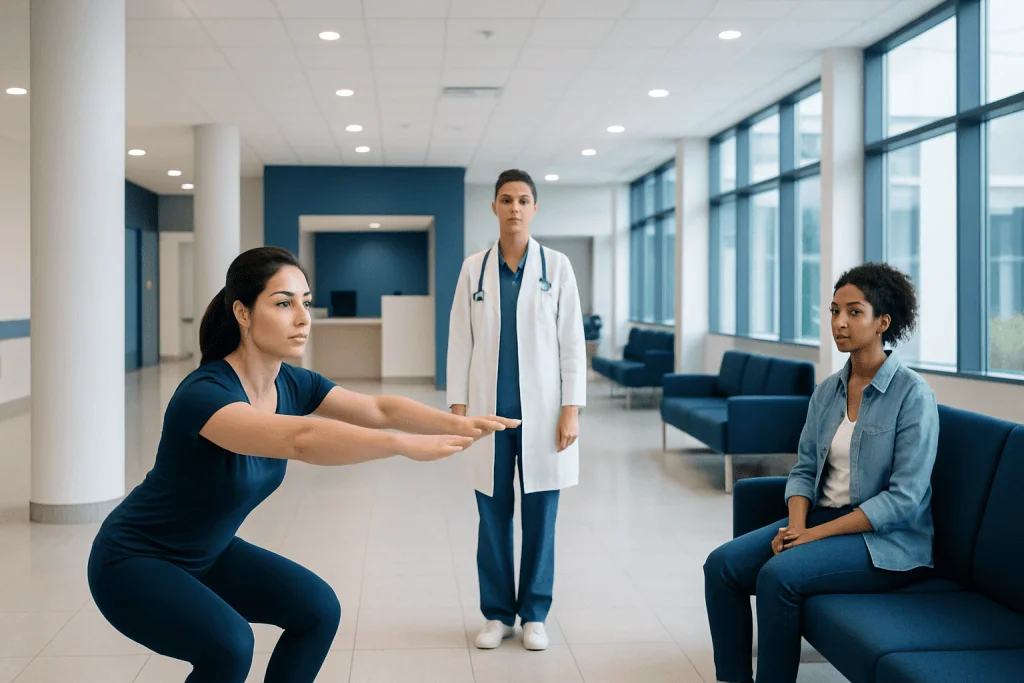
Squats can help enlarge and strengthen the glute muscles when they are performed consistently and progressed over time. Results depend on exercise technique, training intensity, genetics, nutrition, and overall body fat distribution.
Key Takeaways
- Squats can help enlarge and strengthen the glute muscles when they are performed consistently and progressed over time.
- Results depend on exercise technique, training intensity, genetics, nutrition, and overall body fat distribution.
- Squats alone may not fully target the glutes; combining them with other lower-body exercises often works better.
- Pain in the knees, hips, or lower back during squats should not be ignored and may require medical evaluation.
- Most healthy adults benefit from gradual training progression, rest days, and attention to mobility and posture.
Squats for a bigger but can support muscle growth because they train the gluteal muscles, but they are not the only factor that shapes results. A balanced approach that includes proper technique, progressive resistance, recovery, and attention to pain or injury risk is the safest and most effective way to work toward this goal.
Overview: Do squats help build the buttocks?
Yes. Squats for a bigger but can help because squats work the gluteal muscles, especially the gluteus maximus, along with the thighs and core. For many people, regular squat training contributes to stronger and fuller buttock muscles over time, particularly when the exercise becomes gradually more challenging.
However, squat training does not affect everyone in exactly the same way. The visible shape of the buttocks is influenced not only by muscle size, but also by pelvic structure, genetics, fat distribution, body weight, posture, and overall activity level. This is why one person may notice a rounder appearance quickly, while another mainly notices improved strength and function first.
From a medical and exercise perspective, the goal is not simply appearance. Strong gluteal muscles help support the hips, pelvis, and lower back. They also contribute to walking, climbing stairs, rising from a chair, and athletic movement. In that sense, squats can be useful for both body composition and musculoskeletal health.
How the glute muscles respond to squat training
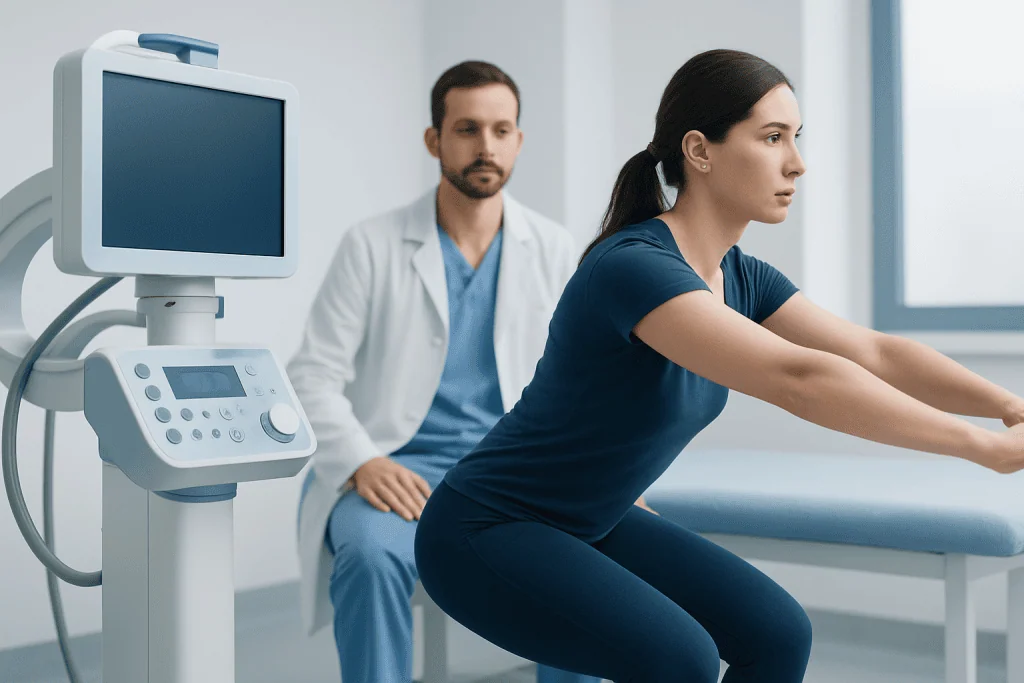
The buttocks are made up of three main muscles: the gluteus maximus, gluteus medius, and gluteus minimus. The gluteus maximus is the largest and is the main muscle most people think about when they want a fuller appearance. During a squat, the hips bend and extend, which places demand on the glutes as the body returns to standing.
Muscles grow through a process called hypertrophy. This usually happens when a person performs repeated resistance exercise, creates enough muscular effort, and allows time for recovery. In practical terms, bodyweight squats may help beginners, but many people eventually need added resistance or more difficult variations to continue building muscle.
Depth, stance, trunk angle, and hip mobility can all influence how much the glutes contribute during a squat. Some people naturally feel more work in the front of the thighs, while others feel the buttocks more strongly. This does not always mean the exercise is wrong, but it may suggest that adjustments in technique or additional glute-focused exercises would be helpful.
What affects results besides squats
Squats are only one part of the picture. People asking about squats for a bigger but often expect the movement alone to change shape quickly, but visible results depend on several factors. Progressive overload, which means gradually increasing the challenge, is one of the most important. Without that stimulus, the muscles may adapt and stop changing.
Nutrition also matters. Muscle growth generally requires adequate daily protein and enough overall energy intake to support training and recovery. Severe calorie restriction can make it harder to build muscle, even with a well-designed exercise plan. Sleep, hydration, and rest days are also important because muscle repair happens between workouts, not only during them.
Body composition affects what is visible from the outside. A person can gain glute strength and muscle without dramatic visual change if body fat patterns or natural pelvic shape mask the difference. On the other hand, a person may look different after improving posture and reducing inactivity, even before large muscle gains occur. This is why realistic expectations are important.
- Genetics influence muscle shape and response to training.
- Age and hormone status can affect muscle-building potential.
- Previous injury may change movement patterns.
- Daily sitting habits can contribute to weak or underactive glute muscles.
Safer squat form and common mistakes
Good squat form helps direct the exercise to the intended muscles while lowering the risk of strain. In general, a person should stand with feet about hip-width to shoulder-width apart, keep the chest comfortably lifted, brace the trunk, bend at the hips and knees together, and lower only as far as control and mobility allow. The heels usually stay grounded, and the knees should track in line with the toes rather than collapsing inward.
Common mistakes include rounding the lower back, lifting the heels excessively, dropping too quickly, or using more weight than can be controlled. Another frequent issue is allowing the knees or hips to shift unevenly from side to side. These patterns can increase stress on the joints and may reduce the effectiveness of the exercise for the glutes.
If pain occurs regularly during squats, it may be a sign of poor technique, overuse, limited ankle or hip mobility, muscle imbalance, or an underlying orthopedic problem. Persistent knee pain can sometimes overlap with conditions such as knee pain, while back discomfort may need separate assessment. For some people with recurring pain or instability, a supervised rehabilitation plan or physical therapy and rehabilitation program can be more appropriate than simply increasing repetitions.
Exercises that may help glute growth alongside squats
Squats can be effective, but they do not need to be the only exercise in a glute-focused routine. Many people benefit from combining squats with movements that emphasize hip extension more directly. This can improve muscle activation and reduce the tendency to rely only on the front of the thighs.
Useful options may include glute bridges, hip thrusts, lunges, step-ups, Romanian deadlifts, and resistance-band abduction exercises. These exercises challenge the glutes in slightly different ways and can help build strength across the hips and pelvis. For some people, this more varied approach produces better results than doing high numbers of bodyweight squats alone.
The best program is usually individualized. A beginner may progress well with bodyweight movements and careful coaching, while an experienced exerciser may need resistance training with barbells, dumbbells, or machines. If hip mechanics, posture, or past injury are limiting exercise choices, an assessment by an orthopedic specialist or supervised orthopedic rehabilitation team may help guide safer training.
When to seek medical care
Medical advice is appropriate if squats cause sharp pain, swelling, catching, giving way, numbness, or pain that continues after stopping exercise. Symptoms in the knees, hips, or lower back should not be dismissed as a normal part of training if they are recurrent or worsening. Exercise-related discomfort that persists may reflect strain, tendinopathy, joint irritation, or another condition that needs evaluation.
A doctor should also be consulted if a person has a history of recent injury, surgery, osteoporosis, significant balance problems, or chronic musculoskeletal disease before starting a demanding lower-body program. New weakness, loss of bladder or bowel control, fever with back pain, or severe pain after a fall requires urgent medical attention.
Assessment may include a physical examination, movement analysis, and when needed, imaging such as MRI to evaluate soft tissues or joints. In international patients who need further evaluation, Acibadem International’s multidisciplinary specialists in JCI-accredited hospitals diagnose and treat musculoskeletal concerns and can coordinate exercise-related care when appropriate.
Practical self-care and realistic expectations
For people using squats for a bigger but, a gradual and structured plan is usually the safest route. Starting with manageable volume, learning proper movement, and progressing over weeks to months is more sustainable than trying to do very high repetitions immediately. Rest days are part of progress because muscle tissue needs time to recover and adapt.
Warm-up exercises can prepare the hips, knees, and ankles for training. A simple warm-up may include a few minutes of walking or cycling, followed by mobility work and light activation drills for the glutes and core. After exercise, mild muscle soreness can be normal, but joint pain is not something to push through repeatedly.
People should remember that a fuller buttock shape cannot be guaranteed by any single exercise. Consistency matters more than quick fixes, and visible change often takes time. A qualified physician, sports medicine specialist, trainer, or rehabilitation professional can help tailor a plan that supports both appearance goals and long-term joint health.
Frequently asked questions
Can squats alone make the buttocks bigger?
Squats alone can help build the glute muscles, especially in beginners, but they are often not enough for the best results over time. Many people benefit more from combining squats with other resistance exercises, proper nutrition, and adequate recovery.
How long does it take to see results from squats?
This varies from person to person. Some people notice improved strength and muscle tone within several weeks, while visible shape changes may take longer depending on training consistency, resistance level, nutrition, and genetics.
Why do squats make the thighs feel worked more than the glutes?
Squats naturally involve the thigh muscles, especially the quadriceps, so this feeling is common. Technique, squat depth, body proportions, hip mobility, and muscle activation patterns can all affect whether the glutes feel strongly engaged.
Are squats safe for people with knee pain?
Not always. Some people with mild symptoms can squat safely with modified technique, reduced depth, or guided rehabilitation, but others may worsen their pain if the underlying problem is not addressed. Persistent or worsening knee pain should be evaluated by a qualified doctor.
Do bodyweight squats work as well as weighted squats?
Bodyweight squats can be effective for beginners and for learning technique. However, as the body adapts, additional resistance or more challenging variations are often needed to keep building muscle.
What is more important for glute growth: exercise or diet?
Both matter. Exercise provides the stimulus for muscle growth, while diet provides the energy and protein needed for repair and adaptation. Without enough recovery and nutrition, progress may be limited even with regular training.
References
- American College of Sports Medicine
- National Institute of Arthritis and Musculoskeletal and Skin Diseases
- MedlinePlus
- National Strength and Conditioning Association
This article is for general information only and is not a substitute for professional medical advice. Please consult a qualified doctor about your individual situation.
Explore treatments in Turkey — costs, top hospitals & a free quote
JCI-accredited · board-certified surgeons · reply within 24h
Add us as a Preferred Source to see more of our trusted health content across Google Search, AI Overviews and Discover.
Check your numbers in seconds
BMI, calories, due date, blood pressure and 30+ more clinical calculators — free, instant, doctor-reviewed ranges.

More from the Health Library

Dilated Pupils: What Patients Need to Know

Hawthorn Berry: An Evidence-Based Guide for Patients

Lozenge: Symptoms, Causes, and Treatment — Complete Patient Guide

Pinworms: An Evidence-Based Guide for Patients

Brca Testing: A Complete Medical Overview