

Sslad — Explained by Medical Evidence, Not Myths

Sslad most often refers to SSADH deficiency, a rare genetic metabolic condition. Symptoms can include developmental delay, speech difficulties, low muscle tone, seizures, sleep problems, and behavior changes.
Key Takeaways
- Sslad most often refers to SSADH deficiency, a rare genetic metabolic condition.
- Symptoms can include developmental delay, speech difficulties, low muscle tone, seizures, sleep problems, and behavior changes.
- Diagnosis usually involves urine, blood, genetic, and brain-related assessments coordinated by specialists.
- There is no single cure, but treatment focuses on symptom control, therapies, and long-term monitoring.
- Families benefit from care plans that include neurology, metabolic specialists, rehabilitation, and developmental support.
Sslad usually refers to SSADH deficiency, a rare inherited metabolic disorder that affects how the body breaks down a brain chemical called GABA. Medical evidence shows it can cause developmental delay, low muscle tone, seizures, and behavior or movement symptoms, but diagnosis and supportive treatment can help guide care.
What is sslad?
In medical use, sslad most commonly refers to succinic semialdehyde dehydrogenase deficiency, also called SSADH deficiency. It is a rare inherited metabolic disorder in which the body cannot properly break down a substance involved in the metabolism of gamma-aminobutyric acid, or GABA, an important chemical messenger in the brain.
Because this enzyme pathway does not work normally, certain compounds can build up in the body and affect brain development and function. This can lead to a range of neurologic, developmental, and behavioral symptoms. The condition is present from birth, although signs may become clearer over time rather than appearing all at once.
Sslad is not a myth-based diagnosis or a wellness trend. It is a scientifically recognized genetic condition described in medical literature and evaluated with biochemical and genetic testing. Since it is rare and symptoms can overlap with other disorders, people may live for some time without a clear diagnosis until a specialist investigates the cause more closely.
How sslad affects the body and brain
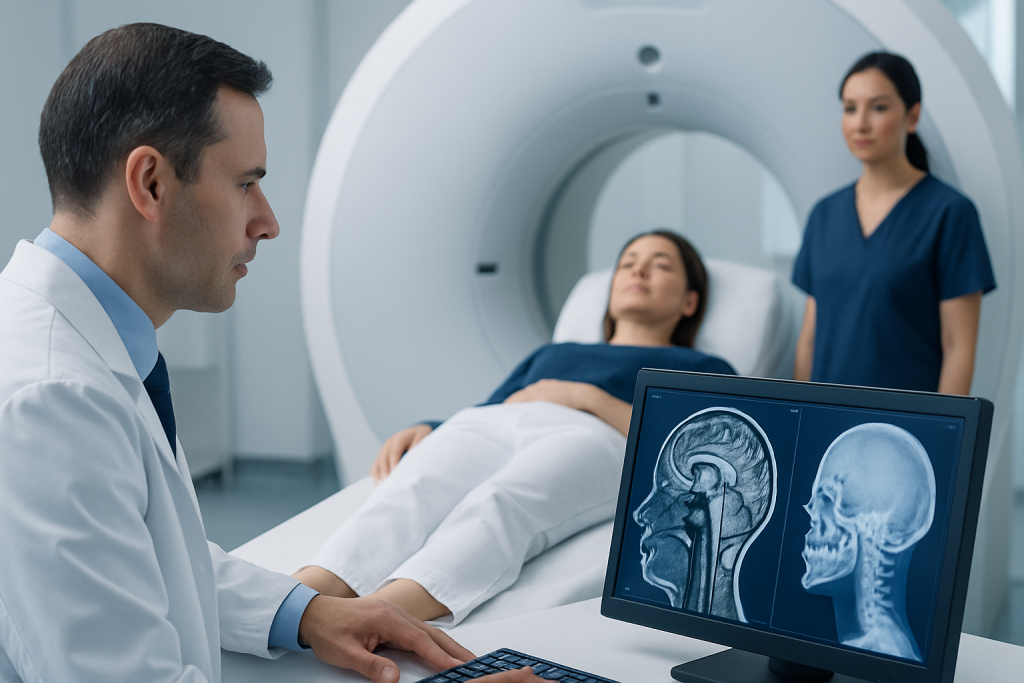
SSADH deficiency affects the pathway that helps process GABA, one of the brain’s main inhibitory neurotransmitters. When this pathway is disrupted, both GABA-related substances and gamma-hydroxybutyric acid can accumulate. These changes may interfere with normal signaling in the brain, especially during childhood development.
The effects can vary widely from person to person. Some children mainly show delays in speech, learning, or motor milestones, while others may have more noticeable seizures, coordination problems, or behavioral differences. This variation is one reason careful assessment by experienced clinicians is important.
Over time, the condition may affect movement, attention, sleep, and emotional regulation. In some patients, brain imaging or electroencephalogram findings help support the diagnosis, but these tests do not replace metabolic and genetic confirmation. Related neurologic conditions, such as epilepsy, may also need separate evaluation and ongoing management.
Symptoms and signs of sslad

Symptoms of sslad often begin in infancy or early childhood, but they can be subtle at first. Parents may notice delayed sitting, walking, or talking, low muscle tone, poor coordination, or learning difficulties. Some children seem unusually floppy as infants, while others have problems that become more obvious in preschool or school years.
Common symptoms and associated features may include:
- Developmental delay
- Speech and language delay
- Low muscle tone
- Balance or coordination problems
- Seizures
- Behavioral or attention difficulties
- Sleep disturbances
- Anxiety, autistic features, or social communication challenges
Not every person has every symptom, and severity can differ. Some individuals are mildly affected and primarily have learning or behavioral concerns, while others have more complex neurologic needs. Because these signs overlap with many childhood conditions, sslad should be considered as part of a broader medical assessment rather than assumed from symptoms alone.
Causes and risk factors
SSADH deficiency is caused by changes in the ALDH5A1 gene. This gene provides instructions for making the SSADH enzyme. When both copies of the gene have disease-causing variants, the enzyme does not work properly, and the metabolic pathway is disrupted.
The condition is inherited in an autosomal recessive pattern. This means a child is affected when one altered gene copy is inherited from each parent. Parents are usually carriers, which means they generally do not have symptoms themselves. A family history of a rare metabolic or neurologic disorder can increase suspicion, but many families have no prior known diagnosis.
There are no lifestyle causes of sslad, and it is not caused by parenting, diet, vaccines, or environmental myths sometimes discussed online. The main risk factor is genetic inheritance. If one child is diagnosed, genetic counseling can help the family understand recurrence risk, carrier testing, and implications for siblings or future pregnancies.
How doctors diagnose sslad
Diagnosis usually starts with a detailed medical history and neurologic examination. Doctors look at developmental milestones, movement patterns, seizure history, sleep, behavior, and family background. Because symptoms may overlap with cerebral palsy, autism spectrum disorder, global developmental delay, or other metabolic conditions, diagnosis often requires several steps.
Specialized laboratory testing is central. Urine testing may detect elevated gamma-hydroxybutyric acid, which can point toward SSADH deficiency. Blood tests and other metabolic studies may also be used to look for alternative explanations or associated findings. Genetic testing of the ALDH5A1 gene is often needed to confirm the diagnosis.
Additional assessments may include EEG for seizures, brain MRI, developmental testing, and consultations with neurology, genetics, and metabolic disease specialists. In children with unclear spells or suspected seizures, an expert may also evaluate for electroencephalography testing. A structured diagnostic pathway helps separate sslad from other uncommon disorders and supports a more personalized care plan.
Treatment options and long-term care
There is currently no single standard cure that corrects the underlying enzyme defect in routine clinical practice. Treatment focuses on managing symptoms, supporting development, and preventing complications. The best care plans are individualized, because the condition can affect each person differently.
Management may involve seizure treatment, physical therapy, occupational therapy, speech and language therapy, behavioral support, educational planning, and sleep assessment. If seizures are part of the condition, care may overlap with broader epilepsy treatment strategies. Children with significant movement or developmental challenges may also benefit from rehabilitation-based support.
Regular follow-up is important because symptoms can change with age. Some families also meet with dietitians, psychologists, and genetic counselors as part of multidisciplinary care. Near the end of the diagnostic process or during ongoing management, some international patients seek evaluation at centers such as Acibadem International, where multidisciplinary specialists at JCI-accredited hospitals assess rare neurologic and metabolic conditions and coordinate care.
Because this is a rare disease, families may hear about experimental or off-label approaches online. These should be discussed carefully with qualified doctors. Evidence for newer therapies may still be limited, so decisions are usually based on symptom burden, potential benefit, safety, and close specialist monitoring.
Living with sslad: daily support and self-care
Daily life with sslad often involves routines that support learning, mobility, communication, and sleep. A predictable schedule, school accommodations, and regular therapy sessions can make day-to-day functioning easier. Families are often encouraged to keep a record of milestones, symptoms, seizure-like events, and medication effects to share with the care team.
Practical support may include:
- Attending scheduled follow-up visits
- Continuing recommended physical, occupational, or speech therapy
- Watching for changes in sleep, behavior, or movement
- Using educational support plans when needed
- Discussing seizure safety if a child has epilepsy
- Seeking family counseling or support groups for coping
There is no proven home remedy that treats the root cause of sslad. However, supportive care can improve comfort, participation, and function. Families should avoid stopping medicines, trying restrictive diets, or starting supplements without medical advice, because these steps may not help and could complicate care.
When to seek medical care
Medical assessment is important if a child has developmental delay, loss of previously gained skills, unexplained low muscle tone, unusual movements, seizures, or persistent speech delay. These symptoms do not always mean sslad, but they do deserve professional evaluation, especially when more than one issue occurs together.
Urgent medical attention is needed for a first seizure, trouble breathing, severe sleepiness, a sudden change in consciousness, injury during a seizure, or repeated episodes that do not stop quickly. Parents should also contact a doctor if a diagnosed child develops new neurologic symptoms, significant regression, or changes in behavior that interfere with safety or daily life.
If diagnosis is still uncertain, referral to a pediatric neurologist, metabolic specialist, or genetics team may help. In selected cases, broader evaluation through services related to neurology care can help clarify whether symptoms are due to sslad or another neurologic condition.
Frequently asked questions
What does sslad stand for?
Sslad usually refers to succinic semialdehyde dehydrogenase deficiency, often shortened to SSADH deficiency. It is a rare inherited metabolic disorder that affects the breakdown of substances involved in brain signaling.
Is sslad a genetic disorder?
Yes. SSADH deficiency is caused by changes in the ALDH5A1 gene and is inherited in an autosomal recessive pattern. This means an affected child inherits one altered gene copy from each parent.
Can sslad cause seizures?
It can. Some people with sslad have seizures, while others mainly have developmental, movement, or behavioral symptoms. A neurologist may recommend EEG testing and ongoing follow-up if seizures are suspected.
How is sslad diagnosed?
Doctors usually combine a clinical assessment with metabolic testing and genetic testing. Urine studies may detect characteristic abnormalities, and confirmation often comes from identifying disease-causing variants in the ALDH5A1 gene.
Is there a cure for sslad?
There is no routine cure that fully corrects the enzyme problem at present. Treatment focuses on symptom management, developmental therapies, seizure control when needed, and long-term specialist follow-up.
Can adults have sslad, or is it only seen in children?
Although symptoms often begin in infancy or childhood, people with sslad can continue to need care into adolescence and adulthood. Some milder cases may be recognized later, especially when symptoms were previously unexplained.
References
- National Institute of Neurological Disorders and Stroke
- National Organization for Rare Disorders
- GeneReviews
- MedlinePlus Genetics
- Orphanet
This article is for general information only and is not a substitute for professional medical advice. Please consult a qualified doctor about your individual situation.
Medical weight-loss options in Turkey — costs & eligibility
JCI-accredited · board-certified surgeons · reply within 24h
Add us as a Preferred Source to see more of our trusted health content across Google Search, AI Overviews and Discover.

More from the Health Library



Related Specialists
Prof. Dr. Deniz Gökalp
Endocrinology
Asst. Prof. Dr. Neval Yurttutan Uyar
Clinical Laboratory
Dr. Mehmet Can Şahin
Inpatient Clinic Physicians Clinical Service
Dr. Farıda Kangarlı
Pediatrics