

Stage 1 Breast Cancer Treatment Timeline: How It Works, Results and What to Expect

Stage 1 breast cancer is an early-stage, localized cancer and is often highly treatable. Surgery is commonly the first treatment, although some people need medicine before surgery.
Key Takeaways
- Stage 1 breast cancer is an early-stage, localized cancer and is often highly treatable.
- Surgery is commonly the first treatment, although some people need medicine before surgery.
- Radiation is usually recommended after breast-conserving surgery and may be advised after mastectomy in selected situations.
- Chemotherapy is not required for every stage 1 breast cancer; tumor biology and genomic testing can help guide the decision.
- Long-term follow-up, prescribed endocrine therapy when appropriate, and attention to emotional and physical recovery are important parts of care.
A stage 1 breast cancer treatment timeline commonly begins with planning and surgery, followed by recovery, pathology review, and treatment such as radiation, hormone therapy, targeted therapy, or, in selected cases, chemotherapy. The exact sequence and duration depend on the tumor’s size, lymph node findings, hormone receptor and HER2 status, genomic test results, general health, and personal preferences.
Stage 1 Breast Cancer Treatment Timeline: What to Expect
A stage 1 breast cancer treatment timeline usually starts with diagnostic confirmation and treatment planning, then surgery within weeks when appropriate. After surgery, the care team reviews the final pathology and recommends additional treatment, which may include radiation, hormone-blocking therapy, HER2-targeted therapy, or chemotherapy for selected tumors. Active local treatment often takes several weeks to a few months, while some preventive medicines are taken for years.
Stage 1 means the cancer is small and has not spread to distant organs. It may be confined to the breast or involve only a very small amount of cancer in nearby lymph nodes. Even at this early stage, breast cancers can behave differently, so treatment is individualized rather than based on stage alone.
Care is generally coordinated by a breast surgeon, medical oncologist, radiation oncologist, radiologist, pathologist, breast care nurse, and supportive-care professionals. A written plan can help a person understand what happens first, what decisions depend on pathology results, and when follow-up will be needed.
How Serious Is Stage 1 Breast Cancer?
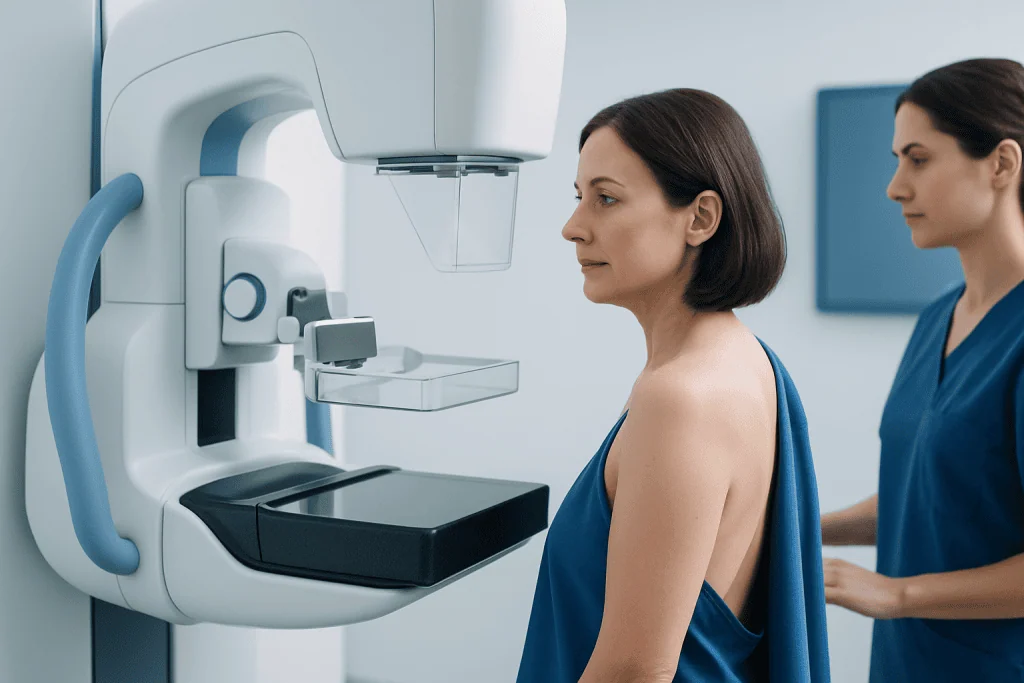
Stage 1 breast cancer is considered an early-stage breast cancer. It is serious because it is cancer and needs timely specialist assessment and treatment, but it is generally associated with favorable outcomes compared with more advanced stages. Treatment aims to remove or control the cancer in the breast and reduce the chance of recurrence elsewhere in the body.
Outlook varies between individuals. Important factors include tumor grade, the presence of hormone receptors, HER2 status, whether lymph nodes contain cancer cells, the cancer’s genomic features, surgical margins, and response to any treatment given before surgery. A clinician can explain how these findings affect an individual prognosis.
It can be helpful to view stage as one part of the picture rather than the whole picture. Modern pathology and biomarker testing allow the team to select treatments that are more closely matched to the biology of the particular cancer.
Planning and Candidacy: How Treatment Decisions Are Made
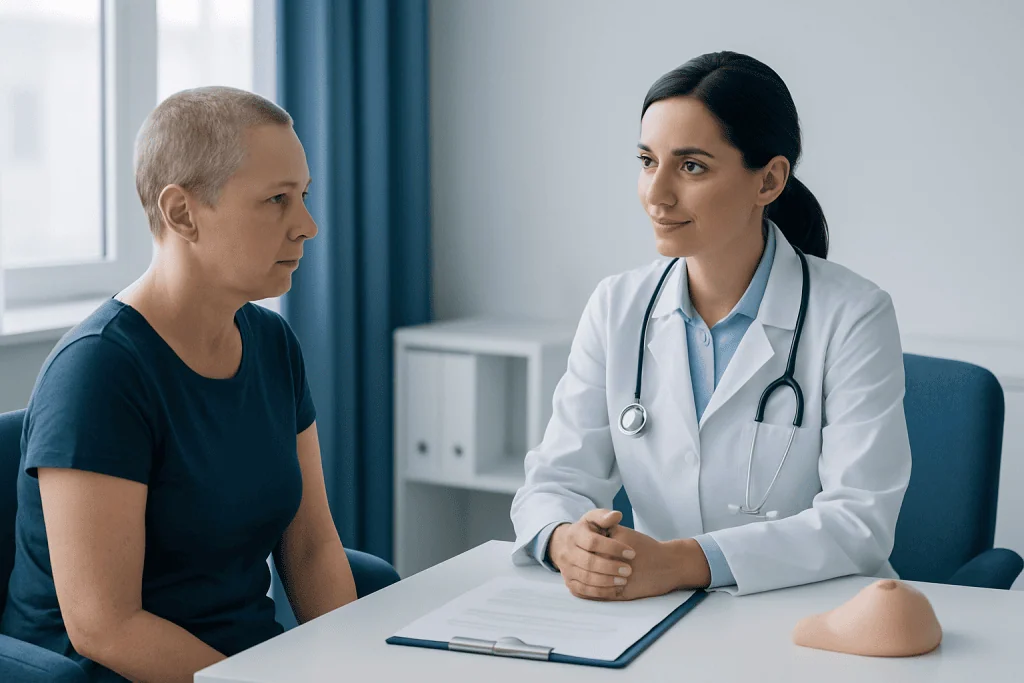
Before treatment begins, the team confirms the diagnosis with imaging and a biopsy. Mammography, breast ultrasound, magnetic resonance imaging in selected cases, and examination of the lymph nodes help define the extent of disease. The biopsy identifies the cancer type and usually tests for estrogen and progesterone receptors and HER2, proteins that strongly influence treatment choices.
Most people with stage 1 disease are candidates for either breast-conserving surgery, also called lumpectomy, or mastectomy. Breast-conserving surgery is usually followed by radiation. Mastectomy may be chosen because of the cancer’s location or size relative to the breast, multiple areas of disease, a high inherited cancer risk, prior radiation to the chest, or personal preference.
The team also considers overall health, medications, healing capacity, reproductive plans, family history, and individual priorities. Genetic counseling and testing may be appropriate for people with a strong family history, young age at diagnosis, certain tumor features, or ancestry associated with inherited cancer syndromes. For broader background on the diagnosis, see breast cancer.
- Hormone receptor-positive cancer: often benefits from endocrine therapy after local treatment.
- HER2-positive cancer: may require HER2-targeted medicine, sometimes with chemotherapy.
- Triple-negative cancer: may be more likely to need chemotherapy, depending on tumor size and other factors.
Step-by-Step Treatment Timeline
Weeks 1 to 3: diagnosis and treatment planning. After biopsy confirmation, the person meets the breast care team to review imaging, pathology, surgical options, and likely additional treatments. Some decisions can be made before surgery, while others must wait for the final pathology report.
Weeks 3 to 8: surgery and sentinel lymph node assessment. Many people have surgery first. A lumpectomy removes the tumor with a rim of normal tissue, while mastectomy removes breast tissue. A sentinel lymph node biopsy is often performed at the same time to check the first lymph nodes likely to receive drainage from the breast. If reconstruction is desired after mastectomy, plastic and reconstructive surgery planning may occur before the operation. Breast cancer surgery is tailored to the cancer and the person’s goals.
One to four weeks after surgery: pathology review and recovery assessment. The final report confirms tumor size, margins, lymph node findings, grade, and biomarkers. Sometimes a second operation is recommended to clear margins or address additional findings. For certain hormone receptor-positive, HER2-negative cancers, a genomic test on the tumor may help estimate whether chemotherapy is likely to add benefit.
Following weeks to months: additional treatment. Radiation often begins after surgical healing and after chemotherapy if chemotherapy is needed. A typical course may be delivered over several weeks, although schedules vary. Endocrine therapy often starts after surgery, radiation, or chemotherapy as advised, and may continue for several years. HER2-targeted treatment and chemotherapy schedules vary substantially according to tumor characteristics and the recommended regimen.
Do You Need Chemo If You Have Stage 1 Breast Cancer?
No. Chemotherapy is not needed for every person with stage 1 breast cancer. It is considered when the expected benefit of lowering recurrence risk outweighs its potential side effects. The decision is based on more than tumor size: cancer subtype, grade, lymph node findings, age, general health, and tumor genomic testing can all be relevant.
For many small, hormone receptor-positive and HER2-negative tumors, endocrine therapy may provide important risk reduction without chemotherapy. A genomic assay may be used in appropriate cases to help determine whether chemotherapy is likely to offer meaningful additional benefit. This does not replace clinical judgment, but it can support a more individualized decision.
Chemotherapy may be recommended more often for some HER2-positive or triple-negative cancers, including certain tumors that are still stage 1. In selected situations, medicine may be given before surgery to shrink a tumor or to assess its response; however, surgery first remains common for stage 1 disease. Medical oncologists explain expected benefits, possible short- and long-term effects, and supportive treatments before care starts.
Recovery, Benefits, Risks, and Long-Term Follow-Up
Recovery after lumpectomy is often measured in days to a few weeks, although tenderness, fatigue, and reduced shoulder movement can last longer. Recovery from mastectomy typically takes several weeks and may take longer when reconstruction is performed. The surgical team provides individualized instructions about wound care, activity, pain relief, exercises, drains when used, and the timing of return to work or usual activities.
The main benefit of treatment is to remove visible cancer and lower the risk of cancer returning in the breast, nearby lymph nodes, or elsewhere. Radiation reduces the risk of recurrence in the treated breast after lumpectomy. Systemic therapies, such as endocrine therapy, chemotherapy, or HER2-targeted therapy, may reduce the risk of cancer cells growing elsewhere in the body.
Possible treatment effects depend on the approach. Surgery can cause pain, bleeding, infection, scarring, numbness, altered breast appearance, and shoulder stiffness. Lymph node surgery can rarely contribute to lymphedema, or arm swelling. Radiation may cause temporary skin changes and fatigue, while systemic medicines have their own potential effects that should be discussed with the treating team.
Follow-up usually includes regular clinical visits and breast imaging of remaining breast tissue, often with mammography. People should report new breast changes, persistent bone pain, unexplained breathlessness, ongoing headaches, or other concerning symptoms rather than waiting for a routine appointment. Survivorship care may also include rehabilitation, nutrition support, emotional support, and management of treatment-related symptoms.
Can You Be Completely Cured of Stage 1 Breast Cancer?
Many people treated for stage 1 breast cancer remain free of cancer long term, and treatment is commonly given with curative intent. However, doctors are careful about the word “cured” because breast cancer can occasionally recur years after initial treatment. The aim is to give the most effective treatment for the individual cancer while minimizing unnecessary treatment.
Completing recommended surgery and additional treatments, attending follow-up appointments, and taking prescribed endocrine therapy consistently when it is indicated can help reduce recurrence risk. Healthy routines such as regular physical activity as tolerated, avoiding smoking, limiting alcohol, and maintaining a weight that is appropriate for the individual may support general health, but they do not replace medical treatment.
Emotional uncertainty after cancer treatment is common. Speaking with the oncology team, a counselor, a support group, or a specialist nurse can help a person navigate follow-up, side effects, family concerns, work, and changing body image.
How Long Does It Take for Stage 1 Breast Cancer to Spread?
There is no reliable fixed timeline for how long a stage 1 breast cancer takes to spread. Breast cancers grow at different rates depending on their biology, and some remain slow-growing while others can behave more actively. Stage 1 indicates that, based on available testing, there is no evidence of distant spread at the time of diagnosis.
Because it is not possible to predict the course of an untreated cancer precisely, prompt evaluation and treatment are important. In most cases, the care team can arrange necessary consultations and treatment planning without unnecessary delay. A short period for appropriate imaging, pathology review, second opinions, or genetic testing is often part of safe, informed care.
New symptoms do not automatically mean that cancer has spread, as many symptoms have non-cancer causes. Still, a person who develops a new breast lump, nipple discharge, skin changes, unexplained swelling near the collarbone or underarm, or persistent unexplained symptoms should contact a clinician for assessment.
When to Seek Medical Care
A person should arrange medical assessment promptly for a new breast lump, a thickened area, a change in breast shape, persistent skin dimpling or redness, a newly inverted nipple, nipple discharge that is bloody or occurs without squeezing, or a lump in the armpit. These changes are often caused by conditions other than cancer, but they should be checked.
Anyone already receiving treatment should contact their care team urgently for fever, worsening wound redness or drainage, sudden swelling, uncontrolled pain, shortness of breath, chest pain, or a treatment side effect that feels severe or unusual. The team can advise whether same-day review or emergency care is needed.
Acibadem International’s multidisciplinary specialists and JCI-accredited hospitals diagnose and treat breast cancer for international patients. A breast care team can help clarify the recommended sequence of surgery, radiation, and systemic therapy based on the individual pathology and treatment goals.
Frequently asked questions
What is the usual stage 1 breast cancer treatment timeline?
The timeline often includes diagnostic planning, surgery, a pathology review, and then any recommended radiation or systemic treatment. Surgery and initial recovery may occur over several weeks, while radiation commonly takes several weeks and endocrine therapy may continue for years. The sequence changes when chemotherapy or HER2-targeted treatment is needed.
Can you be completely cured of Stage 1 breast cancer?
Stage 1 breast cancer is commonly treated with curative intent, and many people remain cancer-free long term after treatment. No clinician can promise that recurrence will never occur, because breast cancer can sometimes return later. Recommended treatment and follow-up help reduce this risk.
How long does it take for Stage 1 breast cancer to spread?
There is no set timeframe because breast cancers vary widely in how quickly they grow and behave. Stage 1 means there is no evidence of distant spread at diagnosis based on the available assessment. Timely specialist care is important because untreated cancer cannot be predicted reliably.
Do you need chemo if you have Stage 1 breast cancer?
Not always. Many stage 1 cancers, particularly some hormone receptor-positive and HER2-negative tumors, can be treated without chemotherapy. The oncology team considers tumor subtype, size, grade, lymph nodes, and sometimes genomic test results when recommending chemotherapy.
How serious is Stage 1 breast cancer?
Stage 1 breast cancer is serious and needs treatment, but it is an early-stage cancer with a generally favorable outlook compared with later stages. The individual outlook depends on the tumor’s biology and response to treatment as well as stage. A breast oncology team can explain the findings in context.
Is radiation always needed after stage 1 breast cancer surgery?
Radiation is usually recommended after lumpectomy because it reduces the risk of cancer returning in the treated breast. It is not always required after mastectomy, especially for small node-negative cancers, although individual circumstances may change the recommendation. A radiation oncologist can explain the expected benefit.
References
- National Cancer Institute
- American Cancer Society
- National Comprehensive Cancer Network
- European Society for Medical Oncology
- World Health Organization
This article is for general information only and is not a substitute for professional medical advice. Please consult a qualified doctor about your individual situation.
Breast Cancer in Turkey — costs, top hospitals & a free quote
JCI-accredited · board-certified surgeons · reply within 24h
Add us as a Preferred Source to see more of our trusted health content across Google Search, AI Overviews and Discover.

Medical Oncology Department
Medical treatment of cancer with chemotherapy, immunotherapy and targeted therapies under a multidisciplinary tumor board.
60 specialists in this unitMore from the Health Library


Related Specialists

Dr. Levent Konur
Gynecology & Obstetrics
Dr. Meliha Kovancı Bayraktaroğlu
Gynecology & Obstetrics
Dr. Krıstıne Koyunseven
Infectious Diseases & Clinical Microbiology
Dr. Gülhan İpek Deniz
Medical Oncology