

Stage 1 Hodgkin’s Lymphoma Treatment: How It Works, Results and What to Expect

Stage 1 Hodgkin's lymphoma is an early-stage disease and is often highly treatable with curative intent. Treatment commonly includes chemotherapy, with radiation therapy used for selected people after careful planning.
Key Takeaways
- Stage 1 Hodgkin's lymphoma is an early-stage disease and is often highly treatable with curative intent.
- Treatment commonly includes chemotherapy, with radiation therapy used for selected people after careful planning.
- PET-CT scans help define the stage and may help clinicians tailor treatment intensity.
- Side effects vary by treatment plan, but supportive care and follow-up are important throughout recovery.
- Long-term follow-up focuses on detecting recurrence and monitoring possible late effects of treatment.
Stage 1 Hodgkin's lymphoma treatment is designed to cure lymphoma that is limited to one lymph node region or a single nearby organ site. Most people receive short-course chemotherapy, sometimes followed by involved-site radiation therapy, with the exact plan guided by scan results, lymphoma features and individual health needs.
Overview: How Stage 1 Hodgkin's Lymphoma Treatment Works
Stage 1 Hodgkin’s lymphoma treatment aims to eliminate lymphoma cells and achieve a lasting remission. In stage 1 disease, lymphoma is found in one lymph node region, such as the neck or underarm, or in a single lymphatic organ. In some cases, it may involve one nearby organ or tissue outside the lymphatic system; this may be described with an additional letter in the stage classification.
Although the lymphoma is localized at diagnosis, treatment is usually systemic rather than surgery alone. This is because microscopic lymphoma cells may be present beyond the area that can be felt or seen. Chemotherapy travels through the bloodstream to treat the whole body, while radiation can target the originally involved area when it is likely to add benefit.
The treatment plan is individualized by a hematologist-oncologist and radiation oncologist. It may depend on the pathology report, PET-CT findings, symptoms, the size and location of lymph nodes, blood test results, age, existing medical conditions and potential long-term effects. Care may include Hodgkin's lymphoma treatment planning with specialists from oncology, radiology, pathology, fertility care and supportive-care services.
Candidacy and Tests Before Treatment
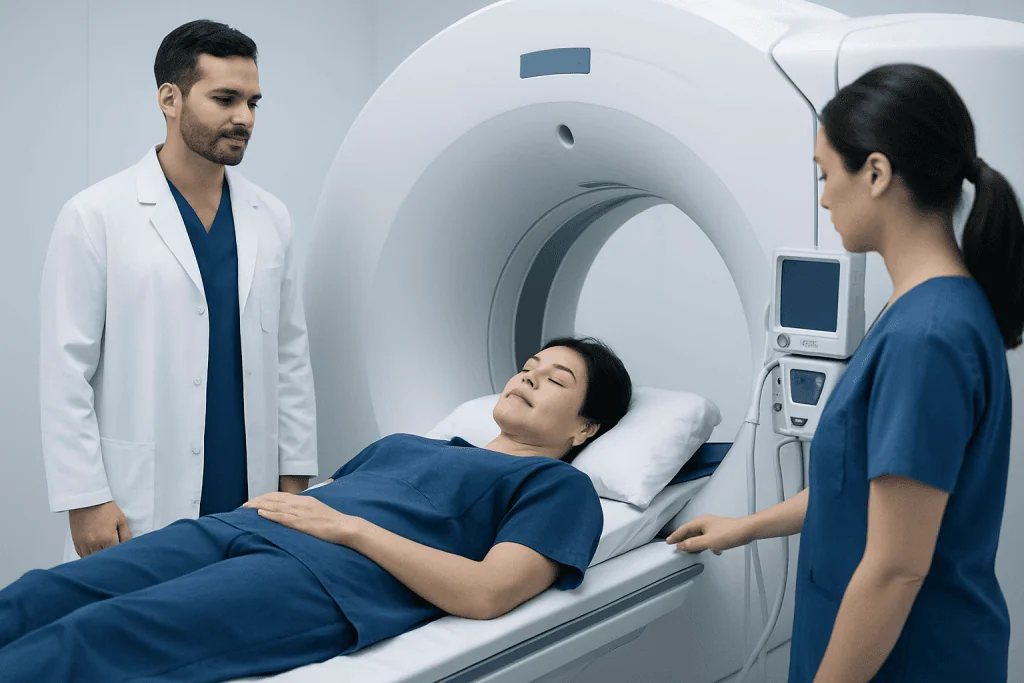
Before treatment begins, the diagnosis should be confirmed by a lymph node biopsy reviewed by an experienced hematopathologist. Classical Hodgkin lymphoma is the most common type, and its subtype can help guide care. A detailed medical history and physical examination are also used to identify symptoms such as fever, drenching night sweats or unexplained weight loss, sometimes called B symptoms.
Staging usually includes a PET-CT scan, which helps show where active lymphoma is present. Blood tests may assess blood cell counts and liver and kidney function. Depending on the proposed medicines and a person’s health history, clinicians may also arrange heart and lung testing before therapy.
Fertility can be affected by some cancer treatments, so people who may want biological children in the future should discuss fertility preservation before chemotherapy starts. This discussion can include sperm freezing, egg or embryo freezing, or referral to a fertility specialist. Vaccination history, infection screening, nutrition, dental health and emotional support are also considered as part of preparation.
Step by Step: Chemotherapy and Radiation Therapy

Chemotherapy is commonly the first part of stage 1 Hodgkin’s lymphoma treatment. It is given in planned cycles, with treatment days followed by recovery periods. The medicines are typically delivered through a vein in an outpatient infusion unit, although the schedule and combination can differ between patients. Blood tests are checked regularly so the team can assess recovery and make treatment as safe as possible.
Many early-stage treatment approaches use an interim PET-CT scan after initial chemotherapy. This scan assesses how the lymphoma is responding. For people with a favorable response, the team may recommend completing a shorter chemotherapy course, adding involved-site radiation therapy, or following another evidence-based approach suited to the individual’s clinical situation.
If radiation is recommended, planning starts with a simulation appointment. The radiation team uses imaging and positioning supports to map the treatment area precisely and protect nearby healthy tissues. Modern involved-site radiation therapy treats a smaller, carefully defined area than older techniques. Sessions are generally brief and are usually given on weekdays over several weeks; radiation itself is painless.
Surgery is generally used to obtain a biopsy rather than to remove all Hodgkin lymphoma. A multidisciplinary team review is valuable when the lymphoma is near important organs, when test results are unclear, or when treatment decisions involve balancing cure rates with possible long-term effects.
Benefits, Risks and Possible Side Effects
The main benefit of treatment is the possibility of curing the lymphoma. Early-stage Hodgkin lymphoma generally has a favorable outlook, but no treatment plan can guarantee a particular outcome. Combining clinical findings with PET-CT response allows the care team to choose treatment that is effective while seeking to avoid unnecessary exposure to chemotherapy or radiation.
Chemotherapy can cause fatigue, nausea, appetite changes, constipation or diarrhea, mouth soreness, hair loss and a temporary lowering of blood cell counts. Lower white blood cell counts can increase infection risk. Some medicines may also affect nerves, lungs, heart function or fertility, which is why symptom reporting and scheduled monitoring are important.
Radiation side effects depend on the treated area. For example, radiation to the neck or chest may cause temporary tiredness, skin redness, sore throat or swallowing discomfort. There can also be delayed effects involving the thyroid, heart, lungs or risk of another cancer later in life, especially after chest radiation. Modern planning aims to reduce exposure to healthy tissue, and clinicians weigh these considerations carefully before recommending radiation.
Patients should ask about the expected benefits and risks of each option in their own situation. Supportive medicines, dietary advice, psychosocial support and adjustments to the treatment plan can often help manage side effects without compromising appropriate care.
Recovery Timeline and Follow-Up Care
Recovery differs from person to person. During chemotherapy, energy levels may rise and fall across each cycle, and fatigue can persist for weeks after treatment ends. After radiation therapy, local skin or throat symptoms, if they occur, commonly improve gradually over the following weeks. Returning to work, exercise and usual routines is best paced according to energy level and advice from the clinical team.
Follow-up appointments are a core part of care. These visits usually include a review of symptoms, physical examination and selected blood tests. Imaging is used when clinically indicated rather than automatically in every situation, as the follow-up plan should balance useful monitoring with avoiding unnecessary scans.
Long-term survivorship care may include monitoring thyroid function after neck radiation, heart and lung health after certain therapies, fertility concerns, emotional wellbeing and recommended age-appropriate cancer screening. People should keep a record of their diagnosis and treatments, as this information helps primary care and specialist teams coordinate future healthcare.
How Serious Is Stage 1 Lymphoma?
Stage 1 Hodgkin’s lymphoma is serious because it is a cancer that needs prompt assessment and specialist treatment. However, it is considered early-stage disease, meaning it is limited in location compared with more advanced stages. This limited extent is one reason treatment is often given with curative intent.
Stage alone does not determine an individual’s outlook. Factors such as lymphoma subtype, B symptoms, the size of involved lymph nodes, response on PET-CT and overall health also matter. A hematologist-oncologist can explain what these features mean for a specific person and discuss the treatment approach in a clear, individualized way.
Do You Ever Get Rid of Hodgkin's Lymphoma?
Yes. Many people with Hodgkin’s lymphoma achieve complete remission after first-line treatment, meaning there is no evidence of active lymphoma on clinical assessment and appropriate imaging. For early-stage disease, treatment is commonly planned with the goal of cure.
Doctors may use the terms remission and cure differently because follow-up is still needed after treatment. The chance of lymphoma returning generally becomes lower as more time passes after a complete remission. If Hodgkin lymphoma returns or does not respond fully to initial therapy, further effective treatment options may still be available, including specialist care for Hodgkin's lymphoma.
How Quickly Does Hodgkin's Lymphoma Progress?
Hodgkin’s lymphoma can grow over weeks to months, but the speed varies substantially between individuals and lymphoma subtypes. It is not possible to predict the pace accurately from a symptom alone. Some people notice a painless enlarged lymph node for some time, while others develop symptoms more quickly.
Once Hodgkin lymphoma is suspected or diagnosed, timely specialist evaluation is important. This does not mean every person needs emergency treatment the same day; rather, staging and treatment planning should proceed without unnecessary delay. Starting therapy after appropriate diagnostic testing helps ensure that the treatment is matched to the correct lymphoma type and stage.
Is Hodgkin's Lymphoma the Most Curable Cancer?
Hodgkin’s lymphoma is widely regarded as one of the more treatable and potentially curable cancers, including when it is diagnosed at an early stage. It would not be accurate to call any single cancer universally “the most curable,” because outcomes depend on the cancer type, stage, biology, available treatment and the individual receiving care.
For people with stage 1 Hodgkin’s lymphoma, the outlook is often encouraging. The most useful discussion is not a comparison with other cancers, but a review of the person’s pathology, scan findings, recommended treatment and follow-up plan with their oncology team. Acibadem International’s multidisciplinary specialists and JCI-accredited hospitals provide diagnosis and treatment planning for international patients with Hodgkin lymphoma.
When to Seek Medical Care
A person should arrange medical assessment for a lymph node that remains enlarged for several weeks, grows over time, or is not clearly linked to a short-lived infection. Other reasons to seek care include unexplained fever, drenching night sweats, unintentional weight loss, persistent itching, unusual tiredness, chest discomfort, cough or shortness of breath. These symptoms have many possible causes and do not necessarily mean lymphoma.
Anyone already receiving chemotherapy should contact their treatment team promptly for fever, chills, worsening shortness of breath, severe vomiting or diarrhea, uncontrolled pain, bleeding, confusion or a sudden decline in wellbeing. The treating team will provide specific instructions about temperature thresholds and urgent contact numbers. Emergency services should be used for severe breathing difficulty, chest pain, fainting or other urgent symptoms.
People should avoid changing, delaying or stopping cancer treatment without speaking with their oncology team. Questions about treatment choices, fertility, work, travel, nutrition or emotional wellbeing are appropriate to raise at any stage of care.
Frequently asked questions
What is the usual treatment for stage 1 Hodgkin's lymphoma?
Treatment commonly includes combination chemotherapy, sometimes followed by involved-site radiation therapy. The exact approach depends on whether the disease is favorable or unfavorable, PET-CT response, symptoms and personal health factors. An oncology team should individualize the plan.
Can stage 1 Hodgkin's lymphoma be treated without radiation?
In selected patients, chemotherapy alone may be an appropriate option, particularly when interim PET-CT findings are favorable and the expected benefit of radiation is limited. Other patients may benefit from adding radiation to improve disease control. The choice requires discussion of both short-term and long-term considerations.
How long does stage 1 Hodgkin's lymphoma treatment take?
The duration varies according to the chemotherapy regimen, the number of cycles needed and whether radiation therapy is included. Chemotherapy is usually delivered over several months or less for early-stage disease, while radiation, when used, is generally delivered over several weeks. The treating team can provide a personalized calendar before therapy begins.
Will treatment affect fertility?
Some chemotherapy medicines can affect fertility, and the risk depends on the regimen, dose, age and other factors. Fertility preservation should be discussed before treatment begins if future biological parenthood may be important. A fertility specialist can explain available options.
What happens if Hodgkin's lymphoma comes back after treatment?
If lymphoma returns, the team usually confirms the diagnosis and reassesses its extent with imaging and sometimes another biopsy. Additional treatment may include different chemotherapy, targeted medicines, immunotherapy, radiation in selected situations or stem cell transplantation. Many people still have treatment options after relapse.
Can a person work during Hodgkin's lymphoma treatment?
Some people can continue working in a reduced or flexible way, while others need time away because of fatigue, appointments or side effects. The ability to work can change from cycle to cycle. The oncology team can provide guidance and supporting documentation when needed.
References
- National Cancer Institute
- American Cancer Society
- National Comprehensive Cancer Network
- European Society for Medical Oncology
- Leukemia & Lymphoma Society
This article is for general information only and is not a substitute for professional medical advice. Please consult a qualified doctor about your individual situation.
Lymphoma in Turkey — costs, top hospitals & a free quote
JCI-accredited · board-certified surgeons · reply within 24h
Add us as a Preferred Source to see more of our trusted health content across Google Search, AI Overviews and Discover.

Medical Oncology Department
Medical treatment of cancer with chemotherapy, immunotherapy and targeted therapies under a multidisciplinary tumor board.
60 specialists in this unitMore from the Health Library


Related Specialists

Prof. Dr. Yasemin Alanay
Pediatric Genetic Diseases
Dr. Nida Özer
Gynecology & Obstetrics
Dt. Zeynep Kavi
Oral & Dental Health
Assoc. Prof. Dr. Semiha Urvay
Medical Oncology