Stem Cell Transplant for Lymphoma: Procedure, Recovery and Results

Most lymphoma transplants use the patient’s own previously collected stem cells, called an autologous transplant. A transplant is not surgery; it involves chemotherapy followed by an intravenous infusion of stem cells.
Key Takeaways
- Most lymphoma transplants use the patient’s own previously collected stem cells, called an autologous transplant.
- A transplant is not surgery; it involves chemotherapy followed by an intravenous infusion of stem cells.
- The highest-risk recovery period is usually when blood counts are very low, often during the first few weeks after conditioning treatment.
- Outcomes depend on lymphoma subtype, response to treatment before transplant, age, overall health and transplant type.
- Lymphoma can return after transplant, but follow-up care and newer treatment options remain available.
Stem cell transplant for lymphoma is an intensive treatment that allows doctors to give high-dose chemotherapy, then restore blood-forming cells to the bone marrow. It may be considered when lymphoma has returned, has not responded fully to initial treatment, or has features that suggest a higher risk of relapse.
Overview: how stem cell transplant for lymphoma works
A stem cell transplant for lymphoma is a treatment that replaces blood-forming cells after intensive chemotherapy, and sometimes radiation therapy, has been used to destroy lymphoma cells. The high-dose treatment can also severely reduce the bone marrow’s ability to make blood cells. Infused stem cells travel to the bone marrow and gradually restart production of red blood cells, white blood cells and platelets.
Despite its name, a stem cell transplant is usually not an operation. The stem cells are given through a vein, much like a blood transfusion. The term “bone marrow transplant” is sometimes used, although stem cells are now commonly collected from circulating blood rather than directly from bone marrow.
For many people with relapsed lymphoma that remains sensitive to chemotherapy, an autologous transplant is a standard treatment approach. This uses the person’s own stem cells, collected and frozen before high-dose treatment. An allogeneic transplant uses cells from a matched donor and may be considered in selected situations, particularly when lymphoma returns after other treatments or has difficult-to-control features.
Who may be a candidate for transplant?
Transplant decisions are individualized. A hematologist or lymphoma specialist considers the exact lymphoma subtype, such as Hodgkin lymphoma or non-Hodgkin lymphoma, previous treatments, whether the lymphoma has responded to more recent therapy, and whether there is disease in the bone marrow or other organs. A transplant is generally most effective when lymphoma is in complete remission or has substantially responded before the procedure.
Overall fitness matters because conditioning treatment can be demanding. The transplant team assesses heart, lung, kidney and liver function, nutritional status, infection risks and the ability to attend frequent appointments. Age alone does not automatically exclude someone; biological fitness, coexisting health conditions and the planned transplant approach are all important.
Before proceeding, the team may arrange blood tests, imaging such as PET-CT, heart and lung assessments, dental review, infection screening and discussions about fertility preservation. For people facing lymphoma treatment more broadly, information on lymphoma may help place transplant within the full treatment pathway.
What happens during a stem cell transplant for lymphoma?

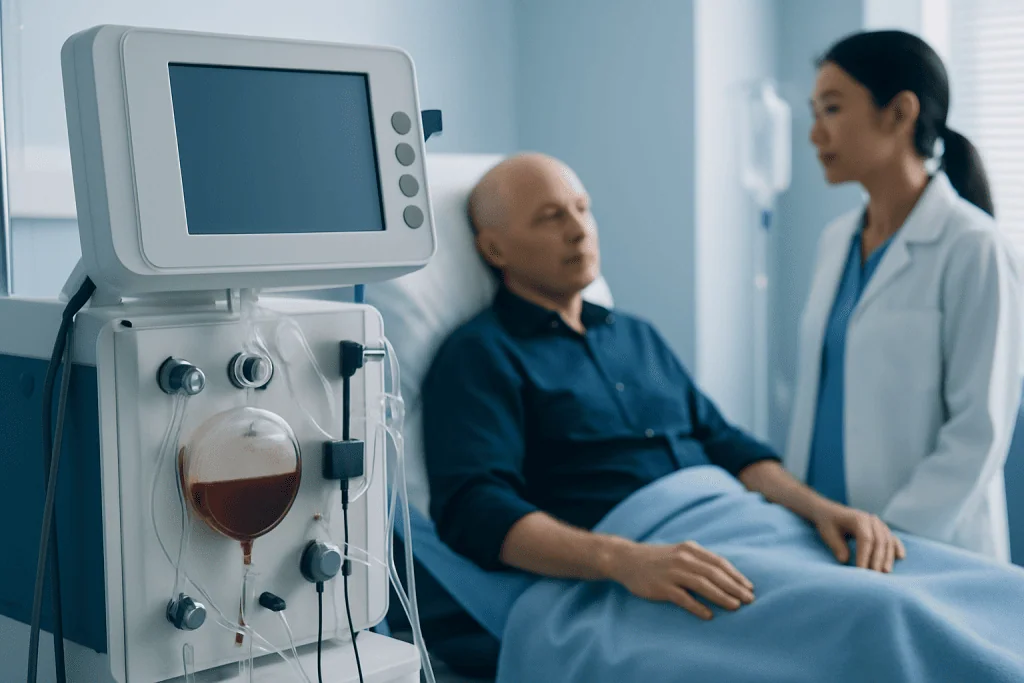
The process commonly begins with stem cell mobilization and collection. Medicines encourage stem cells to move from the bone marrow into the bloodstream. A machine then separates stem cells from blood during a procedure called apheresis. Collected cells are frozen and stored until they are needed.
Next comes conditioning, which is a carefully planned course of high-dose chemotherapy. Its purpose is to treat remaining lymphoma cells and make room in the bone marrow for new blood-forming cells. Conditioning schedules vary according to lymphoma type, prior therapies and whether the transplant is autologous or donor-based.
On transplant day, thawed stem cells are infused through a central venous line. The infusion itself is generally short and does not involve surgery. During the following days, the team monitors blood counts, symptoms, fluid balance and possible infections while the stem cells settle in the marrow and begin making new blood cells, a process called engraftment.
People considering this pathway can discuss stem cell transplant treatment with a specialist team, including the expected setting of care, monitoring plan and supportive therapies.
Recovery timeline and what to expect
Recovery starts immediately after conditioning, not only after the stem cell infusion. Blood counts typically fall to their lowest levels before the transplanted cells engraft. During this period, patients may need antibiotics or antiviral medicines, transfusions, intravenous fluids, nutrition support and medicines to control nausea, pain or diarrhea. Some transplants are completed largely as outpatient care, while others require a hospital stay.
The worst days after a stem cell transplant are often the period of very low blood counts, commonly about one to two weeks after conditioning, though the exact timing varies. Tiredness, mouth soreness, nausea, loose stools and fever can occur. Infection risk is high because white blood cells are low, so fever is treated as urgent and should be reported immediately to the transplant team.
Engraftment often occurs over the next few weeks, but immune recovery takes longer. Energy, appetite, taste changes and concentration may improve gradually over several months. People may need to avoid certain foods, crowded settings or exposure to contagious illnesses for a time, follow line-care instructions and receive revaccinations later when their clinicians advise it.
Emotional recovery also deserves attention. It is common to experience uncertainty, sleep difficulties, low mood or worry about relapse during and after treatment. Practical help at home, contact with the transplant nurse and psychological support can make recovery more manageable.
Benefits, risks and possible complications
The potential benefit of transplant is that it permits higher-dose treatment than the bone marrow could otherwise tolerate. For appropriate candidates, it can deepen remission and improve the chance of long-term disease control. In some cases, particularly with certain relapsed lymphomas, it may offer the best opportunity for durable remission.
Autologous transplant risks include serious infection, bleeding when platelet counts are low, anemia, fatigue, mouth and digestive tract inflammation, nausea, infertility and possible longer-term effects on organs. There is also a small risk of treatment-related complications that can be severe. The clinical team works to prevent, identify and treat complications early.
Allogeneic transplants have additional potential benefits because donor immune cells may attack lymphoma cells, known as the graft-versus-lymphoma effect. However, they also carry extra risks, including graft-versus-host disease, in which donor immune cells attack healthy tissues. Donor transplant decisions therefore require especially careful balancing of expected benefit and risk.
The team will explain individual risks before treatment, including how prior chemotherapy, radiation, infections and other medical conditions may influence recovery. A second opinion from a lymphoma and transplant specialist can be useful when choices are complex.
How successful is stem cell transplant for lymphoma?
Success after stem cell transplant for lymphoma varies widely, so there is no single outcome figure that applies to every person. It depends strongly on the lymphoma subtype, whether it is Hodgkin or non-Hodgkin lymphoma, how well it responded to treatment before transplant, how many treatments have already been used, the transplant type and the person’s overall health.
In general, autologous transplant can provide long-lasting remission for some people whose lymphoma has relapsed but still responds to chemotherapy. Allogeneic transplant may help selected people with lymphoma that has returned or persisted after multiple treatments, but its complications can be greater. The treating team can give the most meaningful estimate using the individual’s test results and treatment history.
Success is assessed through regular clinical review, blood tests and, when needed, imaging. A clear scan after transplant is encouraging, but follow-up remains important because relapse risk and late treatment effects can change over time.
Can lymphoma return after transplant, and what is life expectancy?
Yes, lymphoma can return after a stem cell transplant. The risk is influenced by the amount and behavior of lymphoma before transplant, the response to conditioning treatment and lymphoma biology. Follow-up appointments are designed to identify symptoms, side effects and possible recurrence promptly, while avoiding unnecessary testing when a person is well.
If lymphoma returns, further options may still be available. Depending on the subtype and previous therapies, these can include targeted medicines, antibody-based treatments, immunotherapy, cellular therapies, clinical trials, radiation therapy or, for selected people, a donor transplant. The best plan is based on the individual situation rather than on a fixed sequence of treatments.
Life expectancy after a stem cell transplant for lymphoma also cannot be predicted from transplant alone. Some people achieve long-term remission and live for many years, while others may need further treatment because of relapse or complications. A clinician who knows the lymphoma subtype, disease response and transplant details is best placed to discuss prognosis honestly and sensitively.
When to seek medical care
Anyone undergoing transplant should follow the transplant unit’s instructions and keep all scheduled reviews. During active treatment and early recovery, urgent contact with the care team is needed for fever, chills, shortness of breath, chest pain, confusion, uncontrolled vomiting or diarrhea, new bleeding, a widespread rash, severe abdominal pain, or difficulty drinking fluids.
People should not wait for a routine appointment if they feel suddenly unwell, especially while blood counts are low. The transplant team will explain which temperature threshold requires an immediate call and where to seek emergency care outside clinic hours. It is important not to take medicines for a fever without contacting the team first, unless specifically instructed otherwise.
For people seeking coordinated international care, Acibadem International’s multidisciplinary specialists and JCI-accredited hospitals diagnose and treat lymphoma, including transplant assessment and follow-up planning for appropriate patients.
Frequently asked questions
How long does a stem cell transplant for lymphoma take?
The transplant process usually spans several weeks, beginning with evaluation and stem cell collection when an autologous transplant is planned. The stem cell infusion itself is usually completed in one day, but conditioning treatment, low blood counts and early engraftment require close monitoring. Full physical and immune recovery can take several months or longer.
Is a stem cell transplant painful?
The stem cell infusion is usually similar to receiving a transfusion and is not generally painful. However, conditioning chemotherapy and the period of low blood counts can cause side effects such as fatigue, nausea, mouth sores and digestive symptoms. Supportive medicines and regular monitoring are used to reduce discomfort and manage complications.
What are the worst days after a stem cell transplant?
For many people, the most difficult period is when blood counts reach their lowest point after conditioning chemotherapy and before engraftment. This often occurs within the first few weeks and can bring severe tiredness, infection risk, mouth soreness, nausea or diarrhea. The exact experience and timing vary, and the transplant team provides close support throughout this phase.
Can lymphoma return after stem cell transplant?
Yes, lymphoma can recur after either an autologous or allogeneic transplant. The likelihood depends on the lymphoma subtype, its response before transplant and other clinical features. If relapse occurs, specialists can assess further treatments, which may include newer targeted or immune-based approaches.
What is the life expectancy after a stem cell transplant for lymphoma?
Life expectancy varies substantially and cannot be determined by transplant type alone. Some people remain in remission for many years, while others experience relapse or treatment-related complications that affect prognosis. The most reliable discussion is with the lymphoma and transplant team, using the individual’s disease response, health status and follow-up findings.
Will a person need vaccines after a stem cell transplant?
Many people need to repeat certain vaccinations after immune recovery because previous protection may be reduced by conditioning treatment. The timing and selection of vaccines depend on the transplant type, immune status and use of medicines that suppress immunity. A transplant clinic will provide a personalized vaccination schedule.
References
- American Cancer Society
- National Cancer Institute
- European Society for Blood and Marrow Transplantation
- Leukemia & Lymphoma Society
- National Health Service
This article is for general information only and is not a substitute for professional medical advice. Please consult a qualified doctor about your individual situation.
Stem Cell Transplant in Turkey — costs, top hospitals & a free quote
JCI-accredited · board-certified surgeons · reply within 24h
Add us as a Preferred Source to see more of our trusted health content across Google Search, AI Overviews and Discover.

Organ Transplantation
Kidney, liver and bone-marrow transplantation programs with dedicated coordination.
5 specialists in this unit