Sternocleidomastoid: An Evidence-Based Guide for Patients

The sternocleidomastoid is a paired neck muscle involved in head movement and posture. Pain in the sternocleidomastoid often relates to muscle strain, poor posture, overuse, or sudden movement.
Key Takeaways
- The sternocleidomastoid is a paired neck muscle involved in head movement and posture.
- Pain in the sternocleidomastoid often relates to muscle strain, poor posture, overuse, or sudden movement.
- Symptoms may include neck tenderness, stiffness, limited turning of the head, and referred discomfort to the face or shoulder.
- Most cases improve with rest, posture correction, gentle stretching, and medical guidance when needed.
- Urgent assessment is important if neck pain follows trauma or occurs with weakness, numbness, fever, or severe headache.
The sternocleidomastoid is a major neck muscle that helps rotate, bend, and stabilize the head. When it becomes strained, tight, or irritated, it can cause neck pain, stiffness, tender spots, and sometimes symptoms that seem to spread to the head, jaw, or shoulder.
Overview
The sternocleidomastoid is a prominent muscle on each side of the neck. It runs from the breastbone and collarbone up to the skull behind the ear, and it helps turn the head, tilt the neck, and support normal posture. Because it is used constantly during daily activities, it can become sore, tight, or strained.
For many patients, questions about the sternocleidomastoid begin with discomfort in the front or side of the neck that feels tender, stiff, or difficult to pinpoint. In some cases, the muscle can also contribute to pain that seems to travel toward the jaw, ear, temple, or shoulder. This can be confusing, especially when the discomfort seems out of proportion to the neck findings.
Although sternocleidomastoid problems are often related to muscle tension or minor strain, ongoing or unusual symptoms deserve proper assessment. The same region can also be affected by joint problems, nerve irritation, swollen lymph nodes, or other neck conditions. Understanding how this muscle works helps patients recognize common symptoms and know when medical advice is needed.
What the sternocleidomastoid does
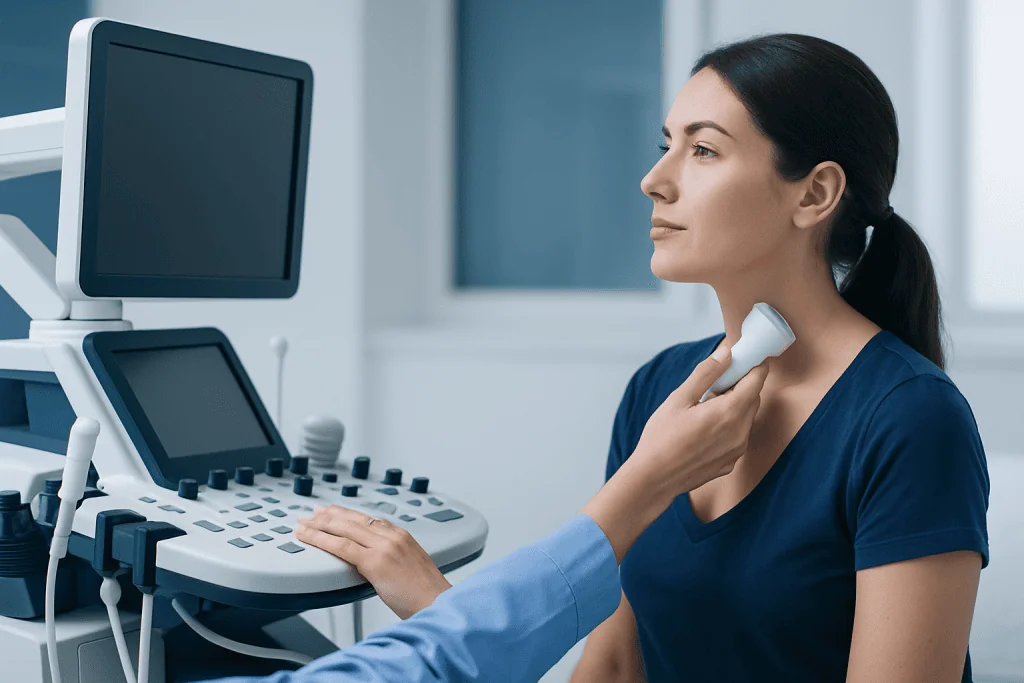
Each sternocleidomastoid muscle has several important roles. Working together, the two muscles can help flex the neck, such as when bringing the chin slightly toward the chest. Working one at a time, they help rotate the head to the opposite side and tilt it to the same side.
The sternocleidomastoid also helps stabilize the head during reading, computer work, driving, and sleep. This is one reason why prolonged posture habits can affect it. If the head stays forward for long periods, the muscle may remain under low-level tension for hours.
In addition, the muscle can assist with certain breathing efforts because of its attachment to the chest area. During vigorous activity or labored breathing, it may become more active. This does not mean every visible sternocleidomastoid is abnormal, but it explains why the muscle can feel tired or overworked in some situations.
Common symptoms and related sensations

Sternocleidomastoid irritation usually causes local symptoms in the neck. Patients may notice aching, tightness, tenderness to touch, or pain when turning the head. The discomfort may be mild and gradual or may begin suddenly after awkward sleep, exercise, lifting, or a rapid neck movement.
Some people also develop trigger points, which are sensitive spots in the muscle that can produce pain beyond the neck itself. This referred pain pattern may involve the jaw, cheek, temple, forehead, around the eye, behind the ear, or into the upper shoulder. Because of this, sternocleidomastoid pain may sometimes be mistaken for a headache disorder or another neck problem such as a cervical disc problem.
Symptoms can vary, but common complaints include:
- Neck stiffness or reduced range of motion
- Tenderness along the side or front of the neck
- Pain with looking up, turning, or tilting the head
- A sensation of muscle tightness after screen use or driving
- Headache-like pain associated with neck tension
- Discomfort that spreads to the jaw, ear, or shoulder
If symptoms are persistent, recurrent, or clearly affecting daily function, a clinical evaluation can help confirm whether the sternocleidomastoid is the source or whether another condition is involved.
Causes and risk factors
The most common cause of sternocleidomastoid discomfort is muscle strain or overuse. This can happen after sudden turning of the head, carrying heavy loads, intense exercise, or sleeping in an awkward position. Repetitive movements and prolonged static positions can also lead to ongoing irritation.
Poor posture is another frequent factor. A forward head position during desk work, phone use, or driving increases the load on the neck muscles. Over time, the sternocleidomastoid may become shortened, fatigued, and sensitive. Emotional stress can contribute as well, since many people tighten their neck and shoulder muscles without noticing.
Other factors that may raise the chance of sternocleidomastoid symptoms include:
- Workstations that are not ergonomically adjusted
- Long hours using computers, tablets, or phones
- Sports or activities involving repeated neck motion
- Previous neck injury, including whiplash
- Jaw clenching or altered movement patterns
- Underlying neck or shoulder disorders
In some patients, sternocleidomastoid discomfort is part of a broader musculoskeletal issue involving the cervical spine, shoulders, or surrounding soft tissues. Conditions such as cervical herniated disc or persistent muscle imbalance may need to be considered when symptoms do not improve as expected.
How doctors diagnose sternocleidomastoid problems
Diagnosis begins with a careful history and physical examination. A doctor typically asks when the symptoms started, where the pain is felt, what movements make it worse, and whether there are any associated symptoms such as numbness, weakness, fever, dizziness, or recent trauma. This helps distinguish a straightforward muscle problem from other causes of neck pain.
During the examination, the clinician may gently feel the muscle for tenderness, tight bands, or trigger points and assess neck movement. Strength, reflexes, sensation, shoulder function, and nearby structures may also be checked. If turning or tilting the head reproduces the discomfort in a muscle-specific pattern, the sternocleidomastoid may be contributing significantly.
Imaging is not always necessary for simple muscle strain. However, further tests may be appropriate if symptoms are severe, last longer than expected, or suggest another condition. Depending on the situation, this may include MRI or other radiology imaging studies to assess the cervical spine and soft tissues more closely.
Because neck pain can come from multiple sources, diagnosis is most accurate when the full clinical picture is considered rather than relying on one symptom alone.
Treatment options and recovery
Most sternocleidomastoid problems improve with conservative care. Early treatment often focuses on reducing strain, restoring movement, and allowing the muscle to relax. This may include temporary activity modification, attention to posture, and gentle home measures recommended by a clinician.
Common treatment options may include:
- Relative rest from movements that trigger pain
- Warm or cold packs, depending on what feels most helpful
- Gentle stretching and range-of-motion exercises
- Manual therapy or supervised rehabilitation
- Assessment of workstation ergonomics and sleep position
- Short-term pain relief strategies advised by a doctor
Physical therapy is often especially helpful when symptoms relate to posture, muscle imbalance, or recurrence. A tailored program may focus on neck mobility, deep stabilizing muscles, shoulder blade support, and movement habits. In some cases, patients benefit from physical therapy and rehabilitation to improve long-term function and reduce repeated flare-ups.
If symptoms persist, the doctor may reassess for an underlying issue involving the neck joints, nerves, or discs. Treatment then depends on the cause. Recovery time varies, but many mild muscular cases improve gradually over days to weeks with consistent self-care and professional guidance.
Prevention and self-care
Prevention is often centered on daily habits rather than one single treatment. Since the sternocleidomastoid is heavily involved in posture and routine head movements, small adjustments can make a meaningful difference over time. A neutral head position, regular movement breaks, and balanced neck use are all helpful.
Patients can often reduce strain on the sternocleidomastoid by keeping screens at eye level, avoiding prolonged phone bending, and taking short standing or stretching breaks during desk work. A supportive sleep position may also help. For some people, a pillow that keeps the neck in a comfortable alignment reduces morning stiffness.
Helpful self-care habits include:
- Changing position frequently during work or travel
- Doing gentle neck and shoulder mobility exercises
- Building general strength and flexibility gradually
- Managing stress-related muscle tension
- Warming up before sports or heavy physical activity
- Avoiding sudden, forceful neck movements when possible
Self-care should not be painful. If stretching increases symptoms, causes radiating pain, or leads to dizziness or numbness, it is best to stop and seek advice. Patients with persistent pain should avoid repeatedly self-diagnosing, as other neck conditions can mimic muscle strain.
When to seek medical care
Many cases of sternocleidomastoid discomfort are not dangerous and improve with time, but some situations call for prompt assessment. Medical care is important if neck pain starts after a fall, sports injury, motor vehicle accident, or other trauma. It is also important if the pain is severe, does not improve, or returns frequently without a clear reason.
Patients should arrange medical evaluation sooner if neck pain occurs with any of the following:
- Numbness, tingling, or weakness in the arm or hand
- Fever, unexplained swelling, or signs of infection
- A severe or unusual headache
- Dizziness, fainting, or trouble with balance
- Difficulty swallowing or breathing
- Night pain or unexplained weight loss
These features do not always indicate a serious problem, but they should not be ignored. A qualified doctor can determine whether the symptoms are due to a muscle issue or another condition that needs different care.
For international patients seeking evaluation of persistent neck symptoms, Acibadem International’s multidisciplinary specialists and JCI-accredited hospitals provide diagnosis and treatment planning based on the likely cause of the problem.
Frequently asked questions
What is the sternocleidomastoid?
The sternocleidomastoid is a large muscle on each side of the neck. It helps turn the head, tilt the neck, and support posture during daily activities.
Why does my sternocleidomastoid hurt?
Pain in the sternocleidomastoid often comes from muscle strain, poor posture, overuse, or sleeping in an awkward position. It can also become irritated after sudden neck movement, exercise, or injury.
Can sternocleidomastoid pain cause headache or jaw pain?
Yes. This muscle can develop tender trigger points that refer pain to nearby areas such as the temple, jaw, ear, or around the eye. That is why sternocleidomastoid discomfort can sometimes feel like a headache or facial pain.
How long does a sternocleidomastoid strain take to heal?
Recovery depends on the severity and the underlying cause. Mild muscular strain often improves within days to a few weeks, especially with rest, posture correction, and guided exercises.
Should I stretch a painful sternocleidomastoid?
Gentle stretching may help some patients, but it should not increase pain or cause dizziness, tingling, or radiating symptoms. If the diagnosis is uncertain or symptoms are significant, it is safer to ask a clinician or physical therapist for guidance.
When is sternocleidomastoid pain a reason for urgent care?
Urgent assessment is important if neck pain follows trauma or occurs with weakness, numbness, fever, trouble breathing, trouble swallowing, or a severe unusual headache. These symptoms may point to something more than a simple muscle strain.
References
- American Academy of Orthopaedic Surgeons
- National Institute of Neurological Disorders and Stroke
- National Health Service
- Cleveland Clinic
- MedlinePlus
This article is for general information only and is not a substitute for professional medical advice. Please consult a qualified doctor about your individual situation.
Joint and spine care in Turkey — expert assessment & treatment
JCI-accredited · board-certified surgeons · reply within 24h
Add us as a Preferred Source to see more of our trusted health content across Google Search, AI Overviews and Discover.

More from the Health Library



Related Specialists

Dr. Emre Kısa
Anesthesiology
Prof. Dr. V. Melih Kara
General Surgery
Dr. Salim Sırrı Türker
Orthopedic Surgery & Traumatology
Dr. Ahmet Emin Yeğinboy
General Surgery