Stitches and Staples After Surgery: Care, Removal, and Infection Signs

Keep the incision clean, dry, and protected according to the surgeon's specific instructions. Do not remove stitches or staples at home unless a healthcare professional has clearly advised it.
Key Takeaways
- Keep the incision clean, dry, and protected according to the surgeon's specific instructions.
- Do not remove stitches or staples at home unless a healthcare professional has clearly advised it.
- Mild redness, swelling, and tenderness can be normal early in healing, but worsening symptoms should be checked.
- Common infection signs include increasing pain, spreading redness, warmth, pus-like drainage, fever, or wound opening.
- Removal timing varies by incision location, surgical procedure, healing progress, and personal health factors.
Stitches and staples help a surgical incision heal by holding the skin edges together while new tissue forms. With simple wound care, timely removal, and attention to infection signs, most incisions heal well under medical guidance.
Overview
Stitches and staples after surgery are common methods used to close an incision. They keep the edges of the skin together so the body can rebuild tissue and create a stronger seal. Stitches, also called sutures, may be absorbable or non-absorbable. Staples are usually made of surgical metal and are often used for longer or higher-tension incisions, such as some abdominal, orthopedic, or scalp wounds.
Good incision care supports healing and helps reduce the risk of complications. Patients are usually given instructions before leaving the hospital or clinic, including when to change the dressing, when bathing is allowed, and when to return for stitch or staple removal. These instructions may vary depending on the type of surgery, the location of the incision, and the patient’s overall health.
This guide explains how to care for surgical stitches and staples, what normal healing can look like, when removal is usually performed, and which signs may suggest infection or delayed healing. It is general information and should not replace the advice of the surgical team, especially if the patient has had a complex procedure or has underlying conditions such as diabetes or immune system problems.
How Stitches and Staples Support Healing
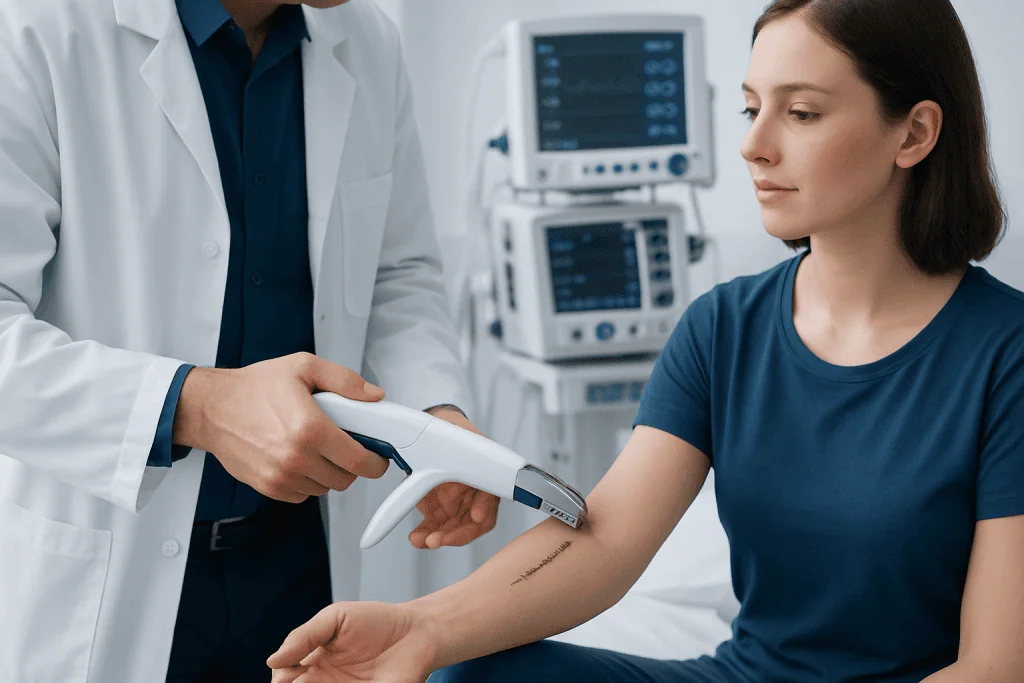
After surgery, the body begins healing in stages. In the first days, clotting and inflammation help protect the wound. Over the following days and weeks, new tissue forms and the incision gradually becomes stronger. Stitches and staples provide mechanical support during this process, helping to reduce tension and keep the wound edges aligned.
Different closure materials are chosen for different needs. Absorbable stitches break down naturally and may be used under the skin or in tissues where removal is not needed. Non-absorbable stitches are often placed on the skin surface and removed later. Staples can be placed quickly and may be preferred for certain incisions where strength and speed are important.
It is normal for a healing incision to change in appearance. Early on, the area may look pink or slightly red and feel mildly tender. A small amount of clear or lightly blood-tinged drainage can occur soon after surgery. Over time, the incision should become less swollen, less painful, and more sealed. Healing is gradual, so patients should avoid comparing their wound too closely with someone else’s incision.
Daily Care for Stitches and Staples
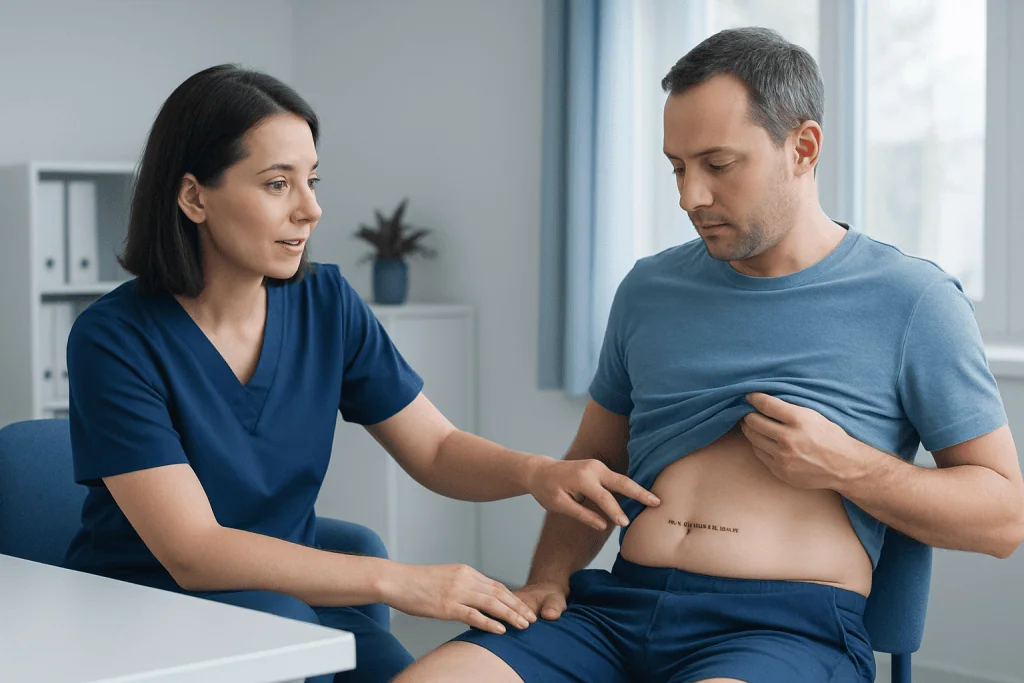
The most important rule is to follow the surgeon’s instructions, because wound care can differ by procedure. In general, patients should wash their hands before touching the dressing or the skin around the incision. If a dressing is used, it should be changed as directed, using clean materials and avoiding unnecessary touching of the wound.
Many incisions need to stay dry for a certain period after surgery. When showering is allowed, patients are often advised to let clean water run gently over the area rather than scrubbing it. The incision should be patted dry with a clean towel. Soaking in a bathtub, swimming pool, hot tub, or natural water source is usually avoided until the surgeon confirms that the wound has healed enough.
- Keep the incision clean and protected from friction.
- Avoid applying creams, powders, alcohol, hydrogen peroxide, or herbal products unless prescribed.
- Wear loose clothing if tight fabric rubs against the incision.
- Do not pick at scabs, pull on stitches, or press on staples.
- Check the incision once daily in good lighting, if the medical team has advised doing so.
Activity restrictions are also part of wound care. Lifting, stretching, bending, or sudden movements may place tension on an incision, especially on the abdomen, chest, back, or joints. Patients should follow guidance about returning to work, driving, exercise, and sexual activity. If coughing or sneezing causes discomfort near an abdominal or chest incision, supporting the area gently with a pillow may help.
Removal of Stitches and Staples
Stitch removal and staple removal are usually quick outpatient procedures performed by a healthcare professional. A sterile instrument is used to lift and remove each stitch or staple carefully. Patients may feel slight pulling or pinching, but the process is generally brief. The clinician may place adhesive strips over the incision afterward to provide extra support for a few days.
The timing of removal depends on the surgical site, the depth and size of the incision, blood supply to the area, the patient’s age and health, and how well the wound is healing. Face and neck incisions may be removed earlier than incisions on the back, legs, joints, or areas under greater tension. Staples on the scalp or body are removed when the clinician is satisfied that the wound edges are secure.
Patients should not remove stitches or staples themselves unless specifically instructed and trained by a healthcare professional. Removing them too early may allow the wound to open, while leaving them too long can sometimes increase skin marks or irritation. If an appointment is missed, the patient should contact the clinic to reschedule rather than waiting indefinitely.
Normal Healing vs. Infection Signs
Some mild symptoms are expected after surgery. The incision may be tender, slightly swollen, or mildly red for a short period. Bruising can occur, especially after deeper surgery or procedures involving tissue movement. A small amount of clear or pinkish drainage soon after surgery can also be normal, depending on the operation and dressing type.
Infection signs tend to worsen rather than gradually improve. Patients should contact their doctor if they notice increasing pain, spreading redness, warmth around the incision, swelling that is getting worse, pus-like drainage, an unpleasant odor, fever, chills, or a general feeling of being unwell. Wound edges that start to separate, bleeding that does not stop with gentle pressure, or a sudden increase in drainage also need medical advice.
Some patients have a higher risk of wound complications, including people with diabetes, poor circulation, immune suppression, obesity, smoking history, or poor nutrition. Long surgeries and wounds in areas exposed to moisture or movement can also require closer attention. Early communication with the surgical team is helpful because many wound problems can be managed more easily when addressed promptly.
Scars, Comfort, and Self-Care During Recovery
Every incision leaves some type of scar, but scars usually change over time. They may look red, pink, firm, or raised at first, then gradually become flatter and lighter over months. The final appearance depends on genetics, incision location, skin type, wound tension, infection history, sun exposure, and the type of operation. Patients should avoid judging the final scar appearance too early.
Comfort measures should be gentle and approved by the healthcare team. Pain should generally become easier to manage as healing progresses. If prescribed or recommended pain medicines are not helping, or if pain suddenly increases, the patient should ask for medical advice. Itching can occur as the skin heals, but scratching the incision can irritate the area and introduce bacteria.
Once the incision is fully closed and the doctor agrees, scar care may include sun protection, silicone gel or sheets, or gentle massage in selected cases. These measures are not suitable for open wounds or infected areas. Good nutrition, adequate hydration, avoiding tobacco, and following activity limits all support the body’s natural healing process.
When to See a Doctor
Patients should attend all planned follow-up visits, even if the incision looks healthy. These appointments allow the clinician to check healing, remove stitches or staples at the right time, adjust dressings, and answer questions about activity and scar care. Follow-up is especially important after major surgery or if the patient has medical conditions that can affect healing.
Medical advice should be sought sooner if there are signs of infection, wound opening, worsening pain, fever, increasing drainage, bleeding, or a change in skin color around the wound. A patient should also call the surgical team if a stitch breaks, a staple becomes loose, the dressing becomes soaked, or they are unsure whether bathing or activity is safe.
For international patients, coordinated follow-up can be important when recovery continues after travel. Acibadem International’s multidisciplinary specialists and JCI-accredited hospitals diagnose and treat surgical wounds and post-operative concerns for international patients, with care plans tailored to the procedure and the individual’s needs.
Frequently asked questions
How long do stitches and staples stay in after surgery?
The timing varies by incision location, procedure, and healing progress. Some facial stitches may be removed within several days, while stitches or staples on the body, legs, back, or joints may need longer. The surgeon or nurse should decide the safest removal time.
Is it normal for stitches or staples to feel tight?
Mild tightness can be normal as swelling changes and the skin heals. However, increasing tightness with worsening pain, swelling, redness, or drainage should be checked. Patients should not pull on stitches or staples to relieve tightness.
Can a patient shower with stitches or staples?
Showering depends on the type of surgery and dressing. Many patients are allowed to shower after a set period, but soaking in a bath, pool, or hot tub is usually avoided until healing is confirmed. The incision should not be scrubbed and should be gently patted dry.
What does an infected incision look like?
An infected incision may show spreading redness, warmth, increasing swelling, worsening pain, pus-like drainage, or an unpleasant odor. Fever, chills, or feeling unwell can also occur. Any of these signs should be discussed with a healthcare professional.
What happens if a stitch or staple comes out early?
If a stitch breaks or a staple comes loose, the patient should contact the surgical team for advice. The wound may still be healing well, but it should be assessed if there is gaping, bleeding, drainage, or increased pain. The patient should not try to replace it at home.
Will staple or stitch removal hurt?
Removal is usually quick and causes only mild pulling, pressure, or a brief pinch. It should be performed by a trained healthcare professional using appropriate technique. If the area is very painful, swollen, or draining, the clinician will assess the wound before removal.
References
- World Health Organization
- Centers for Disease Control and Prevention
- National Institute for Health and Care Excellence
- American College of Surgeons
- Mayo Clinic
This article is for general information only and is not a substitute for professional medical advice. Please consult a qualified doctor about your individual situation.
Hair transplant in Turkey — costs, graft counts & a free assessment
JCI-accredited · board-certified surgeons · reply within 24h
Add us as a Preferred Source to see more of our trusted health content across Google Search, AI Overviews and Discover.