Stool Check Up: What Patients Need to Know

A stool check up can look for hidden blood, germs, inflammation, and digestion-related abnormalities. Doctors may recommend it for diarrhea, constipation, abdominal pain, blood in stool, unexplained weight loss, or ongoing bowel changes.
Key Takeaways
- A stool check up can look for hidden blood, germs, inflammation, and digestion-related abnormalities.
- Doctors may recommend it for diarrhea, constipation, abdominal pain, blood in stool, unexplained weight loss, or ongoing bowel changes.
- Correct sample collection matters because contamination can affect results.
- A stool test does not diagnose every condition on its own and is often interpreted together with symptoms, blood tests, and imaging or endoscopy.
- Medical review is important if stool changes are persistent, severe, or linked to fever, dehydration, or bleeding.
A stool check up is a laboratory examination of a stool sample that can help identify bleeding, infection, inflammation, and problems with digestion or absorption. It is a simple but important test that doctors use to investigate bowel symptoms and monitor certain digestive conditions.
What is a stool check up?
A stool check up is a test in which a small sample of stool is examined in a laboratory. Depending on the reason for testing, the sample may be checked for hidden blood, bacteria, parasites, viruses, inflammation markers, fat, or signs that food is not being digested or absorbed properly. For many patients, it is a straightforward first step in understanding bowel symptoms.
Doctors use a stool check up because stool can provide direct information about what is happening in the digestive tract. It may help explain diarrhea, constipation, abdominal pain, mucus in stool, color changes, bloating, or unexpected weight loss. It can also support screening and follow-up in people with known digestive conditions.
A stool check up is not a single test but a group of possible tests chosen according to symptoms and medical history. In some cases, one sample is enough. In others, several samples collected on different days may be needed for the most accurate result.
Why doctors order a stool check up
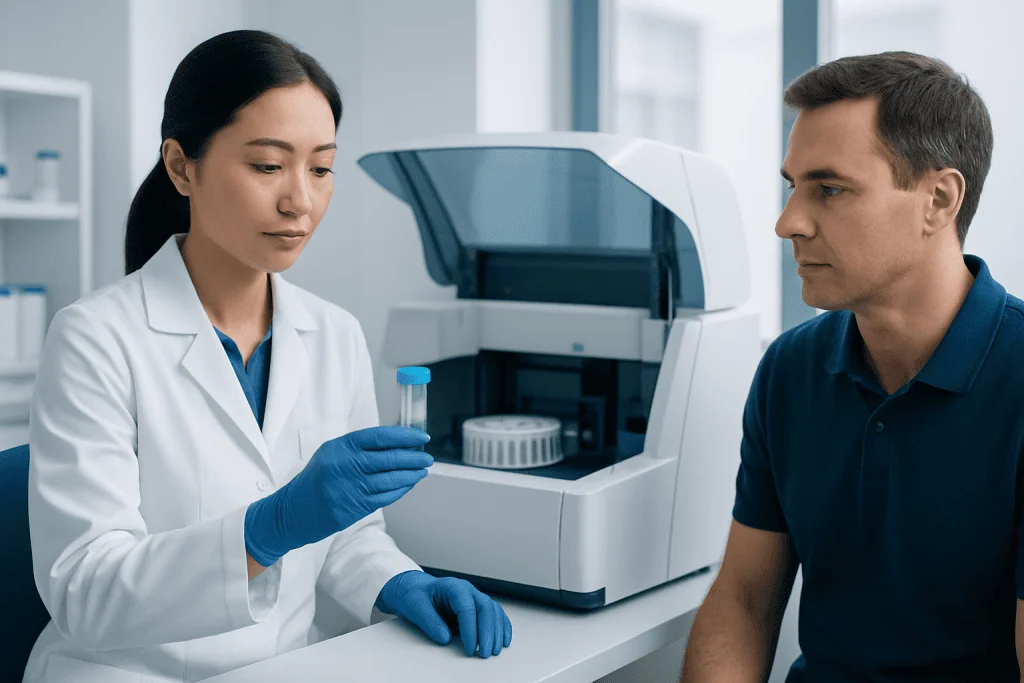
A stool check up is commonly ordered when bowel symptoms last longer than expected or when a doctor wants to rule out serious causes. It may be used to investigate diarrhea that does not improve, recurrent abdominal cramps, blood or black discoloration in the stool, or persistent urgency and mucus. It can also help when symptoms develop after travel, antibiotic use, or suspected foodborne illness.
In some situations, the goal is to look for inflammation rather than infection. For example, stool markers may help distinguish irritable bowel-type symptoms from inflammatory bowel disease. If symptoms suggest conditions such as Crohn’s disease or ulcerative colitis, stool testing may be part of the assessment before other procedures are arranged.
Doctors may also request a stool check up to screen for hidden bleeding in the digestive tract. Hidden blood can come from hemorrhoids, ulcers, polyps, cancers, or intestinal inflammation. Because stool findings need to be interpreted in context, additional evaluation such as blood tests, imaging, or colonoscopy may be recommended when results suggest a deeper cause.
What a stool sample can reveal

A stool check up can answer several different clinical questions. Some tests search for infection, while others look for inflammation or bleeding. The exact meaning of a result depends on the type of stool test ordered, the patient’s symptoms, medicines, travel history, diet, and overall health.
Common types of stool testing include:
- Occult blood tests: look for blood that is not visible to the eye.
- Stool culture or molecular testing: checks for bacteria, viruses, or parasites that can cause gastroenteritis.
- Fecal calprotectin or similar markers: may suggest intestinal inflammation.
- Fat analysis: can help evaluate poor absorption of nutrients.
- Tests for specific infections: such as Clostridioides difficile after recent antibiotic use.
Stool appearance itself can also offer clues, although it is not enough for diagnosis. Black stool may suggest bleeding higher in the digestive tract, while pale stool can be linked to bile flow problems, and greasy stool may point to absorption disorders. These changes deserve proper medical interpretation rather than self-diagnosis.
Even a normal result may still require follow-up if symptoms continue. A stool check up is often one piece of a larger evaluation, especially when there is persistent pain, anemia, fever, or unintended weight loss.
How to prepare and collect the sample correctly
Sample collection is simple, but accuracy matters. Patients are usually given a clean container and clear instructions from the laboratory or clinic. In general, the sample should not be mixed with urine, toilet water, or cleaning products because contamination may affect the result.
It is often helpful to pass stool into a clean disposable collection device or onto a clean surface placed over the toilet, then transfer a small amount into the sample container. Hands should be washed well before and after collection. If more than one sample is needed, the laboratory will explain the schedule and storage requirements.
Some stool tests may require temporary changes before collection, while others do not. Patients should tell their doctor about antibiotics, anti-diarrheal medicines, iron supplements, bismuth-containing products, laxatives, and recent imaging tests with contrast. Following the instructions exactly can reduce the chance of an unclear or misleading result.
If the sample cannot be delivered immediately, storage guidance should be followed carefully. Some tests require prompt delivery, while others may allow refrigeration for a limited time. When instructions are unclear, the safest approach is to check with the testing center before collecting the sample.
Understanding the results
Stool test results are interpreted together with symptoms, physical examination, and sometimes other investigations. A positive result for hidden blood does not automatically mean cancer, and a negative result does not rule out every digestive disorder. In the same way, finding inflammation markers may suggest active intestinal inflammation but does not identify the exact cause on its own.
If infection is detected, treatment depends on the organism and the severity of illness. Some infections improve with supportive care alone, while others may need specific medicines. If the stool check up suggests inflammation, bleeding, or malabsorption, the next step may include blood work, imaging, or endoscopic evaluation such as endoscopy to examine the digestive tract more directly.
For chronic or recurrent bowel symptoms, doctors sometimes use stool testing alongside additional assessment for conditions such as irritable bowel syndrome. This is helpful because IBS can cause significant symptoms but does not usually produce inflammatory or infectious stool findings. The combination of symptoms and test results helps guide a more accurate diagnosis.
What happens after a stool check up?
The next steps depend on why the test was ordered and what it shows. If results suggest a short-term infection, supportive care may include fluids, rest, dietary adjustments, and sometimes prescription treatment. If hidden bleeding or inflammation is found, a doctor may recommend further testing to identify the source and decide on treatment.
When symptoms are ongoing, more than one type of evaluation may be needed. A patient with chronic diarrhea, abdominal pain, or unexplained anemia may be referred to a gastroenterologist. Further tests can include blood tests, breath tests, ultrasound, CT imaging, or procedures such as gastroenterology evaluation and colonoscopy, depending on the clinical picture.
Follow-up is especially important if symptoms persist despite normal results. Not all bowel disorders are detected on stool testing, and some problems only become clear over time. A careful review of symptom patterns, diet, medications, family history, and weight changes helps the doctor decide whether repeat testing or a different approach is needed.
Prevention, self-care, and when to seek medical care
Not every bowel symptom can be prevented, but some simple habits can reduce the risk of infections and support digestive health. Safe food handling, clean drinking water, handwashing, and caution with high-risk foods during travel can lower the chance of infectious diarrhea. Regular meals, adequate fluid intake, physical activity, and attention to fiber intake may also help support bowel regularity, though dietary needs vary between individuals.
It is also sensible to notice ongoing changes rather than focusing on a single unusual stool. Temporary changes can happen with stress, diet changes, viral illness, or certain medicines. However, a repeated pattern of blood, black stool, chronic diarrhea, new constipation, or unexplained weight loss should not be ignored.
Medical care should be sought promptly if there is significant blood in the stool, black tarry stool, severe abdominal pain, high fever, signs of dehydration, fainting, or symptoms in a young child, older adult, pregnant patient, or someone with a weakened immune system. A non-urgent medical review is also appropriate for bowel changes lasting more than a few days or returning repeatedly.
For patients who need specialist assessment, Acibadem International’s multidisciplinary teams in JCI-accredited hospitals diagnose and treat digestive conditions for international patients. The most appropriate evaluation depends on the symptoms and may include stool studies, blood tests, imaging, and endoscopic procedures.
Frequently asked questions
Is a stool check up painful?
No. A stool check up involves collecting a stool sample at home or in a clinical setting, and the laboratory analyzes it. The process is usually simple, although some patients may find sample collection inconvenient.
How long does it take to get stool test results?
Timing depends on the type of test. Some results may be available within a day, while cultures or specialized studies can take longer. The doctor or laboratory can explain the expected timeline for the specific test ordered.
Can a stool check up detect cancer?
A stool check up can sometimes detect hidden blood, which may be a sign of polyps, colorectal cancer, or other conditions. However, it does not diagnose cancer by itself. If blood is found or symptoms are concerning, further testing such as colonoscopy may be needed.
What should patients avoid before giving a stool sample?
That depends on the exact test. Some stool tests have no special preparation, while others may require avoiding certain medicines or following specific collection instructions. It is best to follow the written guidance from the doctor or laboratory and ask if anything is unclear.
Can diarrhea or constipation affect the results?
Yes, bowel pattern can influence which tests are most useful and how the results are interpreted. For example, watery stool may be more relevant when infection is suspected, while chronic constipation may lead the doctor to investigate other causes. Symptoms and sample quality are both important.
Does a normal stool test mean nothing is wrong?
Not always. A normal result can be reassuring, but it does not rule out every digestive condition. If symptoms continue, worsen, or are accompanied by weight loss, anemia, or bleeding, further medical evaluation is still important.
References
- National Institute of Diabetes and Digestive and Kidney Diseases
- Mayo Clinic
- American College of Gastroenterology
- MedlinePlus
- World Gastroenterology Organisation
This article is for general information only and is not a substitute for professional medical advice. Please consult a qualified doctor about your individual situation.
Persistent digestive symptoms? Get evaluated in Turkey
JCI-accredited · board-certified surgeons · reply within 24h
Add us as a Preferred Source to see more of our trusted health content across Google Search, AI Overviews and Discover.

More from the Health Library

Clover Honey: A Complete Medical Overview

And Hygiene — Explained by Medical Evidence, Not Myths

Belsomra — Explained by Medical Evidence, Not Myths

Herniorrhaphy: An Evidence-Based Guide for Patients

Ear Throat Itching — Explained by Medical Evidence, Not Myths