Stratum Corneum: An Evidence-Based Guide for Patients

The stratum corneum is the top layer of the epidermis and the main physical skin barrier. A healthy stratum corneum helps prevent water loss and protects against outside irritants and germs.
Key Takeaways
- The stratum corneum is the top layer of the epidermis and the main physical skin barrier.
- A healthy stratum corneum helps prevent water loss and protects against outside irritants and germs.
- Barrier damage can lead to dryness, sensitivity, itching, flaking, and worsening of some skin conditions.
- Gentle cleansing, regular moisturizing, and avoiding over-exfoliation support barrier repair.
- Persistent rash, pain, infection signs, or severe itching should be assessed by a qualified doctor.
The stratum corneum is the outermost layer of the skin and a key part of the body’s natural barrier. It helps retain moisture while protecting against irritants, allergens, microbes, and everyday environmental stress.
Overview: what the stratum corneum does
The stratum corneum is the skin’s outermost layer. In simple terms, it is the body’s first protective shield: it reduces water loss from the skin and helps block irritants, allergens, pollutants, and microorganisms from entering. Although it is very thin, it plays a major role in keeping skin comfortable, resilient, and healthy.
This layer is made of flattened, dead skin cells called corneocytes held together by lipids, including ceramides, cholesterol, and fatty acids. A common way to describe it is a “brick-and-mortar” structure: the cells are the bricks, and the lipids are the mortar. When this structure is intact, skin feels smoother, less reactive, and better hydrated.
The stratum corneum is not static. It is constantly renewed as new cells rise from deeper layers of the epidermis and older cells naturally shed from the surface. This ongoing cycle allows the skin to adapt to daily wear while maintaining a stable barrier against the outside world.
How the skin barrier works in everyday life

A healthy stratum corneum helps regulate transepidermal water loss, which is the evaporation of water through the skin. Some water loss is normal, but when the barrier is disrupted, the skin can lose too much moisture. This often leads to dryness, tightness, roughness, and increased sensitivity to products or climate changes.
The stratum corneum also supports the skin’s natural acidity, often called the acid mantle. This slightly acidic surface helps limit the growth of harmful microbes and supports enzymes involved in normal barrier function. The balance of moisture, surface oils, and pH is one reason skin can heal from minor irritation when it is cared for gently.
Daily life places many demands on this outer layer. Handwashing, cold weather, low humidity, friction from clothing, frequent swimming, and strong skincare products can all affect barrier performance. Even when no obvious rash is present, a weakened barrier may make the skin sting, burn, or react more easily than usual.
What can damage the stratum corneum
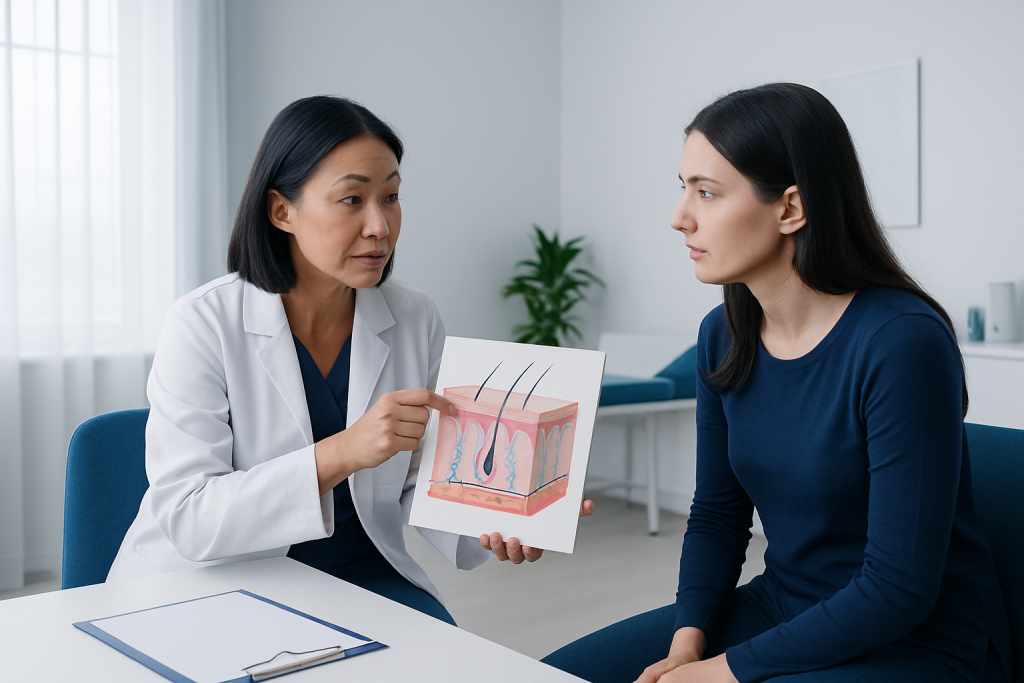
The stratum corneum can be disrupted by both external and internal factors. Common external causes include harsh soaps, alcohol-heavy products, over-exfoliation, hot water, sun exposure, detergents, and repeated friction. These can strip away lipids or disturb the connections between surface skin cells, making the barrier less effective.
Internal factors also matter. Aging tends to reduce natural oil production and can slow skin renewal, which makes the barrier more fragile. Genetics influence how well the skin produces structural proteins and lipids. Some people are naturally more prone to barrier weakness and conditions linked to dry, reactive skin.
Certain skin disorders are closely related to impaired barrier function. For example, barrier breakdown can contribute to eczema flare-ups and may overlap with problems seen in psoriasis. Damage to the barrier can also increase sensitivity and inflammation in people with dermatitis, especially after exposure to irritants or allergens.
- Harsh cleansers and frequent washing
- Very hot showers or baths
- Low humidity, wind, and cold weather
- Sun damage
- Overuse of scrubs, acids, or retinoids
- Underlying inflammatory skin conditions
Signs that the barrier may be impaired
When the stratum corneum is not functioning well, the skin often becomes dry and uncomfortable. Common symptoms include tightness after washing, rough texture, scaling, flaking, itching, and redness. Some people notice that products they previously tolerated begin to sting or burn.
Barrier impairment does not always look dramatic. In milder cases, the skin may simply feel more reactive, especially around the face, hands, or areas exposed to friction. Cracked fingertips, chapped lips, and flaky patches around the nose are common examples of localized barrier stress.
More significant disruption can allow inflammation or infection to develop more easily. Oozing, crusting, tenderness, or worsening rash may indicate more than simple dryness. In some cases, the skin may become thickened from repeated rubbing or scratching, particularly when itching is ongoing.
How doctors evaluate stratum corneum problems
Doctors usually assess the stratum corneum by examining the skin and reviewing symptoms, habits, and exposures. A patient may be asked about soaps, cosmetics, medications, work-related irritants, climate, recent travel, and family history of eczema or other skin disease. This clinical history often provides the most useful clues.
In many cases, no special test is needed to recognize barrier damage. The pattern and location of dryness, inflammation, and scaling can help distinguish simple irritation from conditions such as allergic contact dermatitis, atopic eczema, fungal infection, or psoriasis. If another condition is suspected, a dermatologist may recommend patch testing, skin scraping, or other targeted evaluations.
When symptoms are persistent, widespread, or difficult to control, specialist input can be helpful. In some settings, supportive dermatologic care may include dermatology evaluation to clarify the diagnosis and guide a safe skin-care plan, especially if several products have already caused stinging or rash.
Treatment and repair: restoring the outer skin layer
The main goal of treatment is to reduce further irritation and help the skin rebuild its barrier. This usually starts with simplifying skin care: using a mild cleanser, limiting very hot water, and avoiding over-scrubbing or frequent exfoliation. Many people improve once they stop using multiple active products at the same time.
Moisturizers are a central part of barrier repair. Products that contain ceramides, glycerin, petrolatum, or other occlusive and humectant ingredients can help reduce water loss and support recovery. Applying moisturizer soon after bathing, when the skin is still slightly damp, is often especially effective.
If inflammation is present, a doctor may recommend short-term medical treatment depending on the cause and body area involved. This may include therapy for eczema, contact dermatitis, or other inflammatory conditions. When symptoms are tied to chronic skin disease, targeted care such as eczema treatment or guidance on managing psoriasis treatment may be appropriate as part of a broader plan.
Repair takes time. Mild barrier disruption may improve within days to weeks, while longstanding inflammation or repeated exposure to irritants can take longer. Consistency matters more than using many products, and a simple routine is often the best foundation for recovery.
Prevention and self-care for a healthier skin barrier
Protecting the stratum corneum is often easier than repairing it after repeated irritation. A practical skin-care routine focuses on preserving moisture and minimizing unnecessary exposure to harsh ingredients. Fragrance-free, gentle products are often better tolerated, especially for people with dry or sensitive skin.
Environmental steps can also help. Using gloves when handling cleaning products, applying hand cream after washing, and using a humidifier in dry indoor air may reduce barrier stress. Sunscreen is important as well, since ultraviolet exposure can weaken the skin over time and contribute to dryness and inflammation.
- Choose mild, non-stripping cleansers
- Keep showers short and warm rather than hot
- Moisturize regularly, especially after bathing and handwashing
- Introduce active skincare products slowly
- Avoid excessive exfoliation
- Protect skin from sun, wind, and irritants
For international patients who need specialist evaluation, Acibadem International’s multidisciplinary teams in JCI-accredited hospitals diagnose and treat a wide range of skin concerns, with care plans tailored to the individual patient.
When to seek medical care
Dryness and mild irritation often improve with gentle skin care, but medical advice is important when symptoms persist or worsen. A doctor should assess skin that remains itchy, painful, cracked, or inflamed despite regular moisturizing and avoidance of irritants. Ongoing symptoms may point to an underlying skin condition rather than simple dryness alone.
Prompt evaluation is especially important if there are signs of infection, such as increasing redness, warmth, swelling, pus, crusting, or fever. Medical review is also advisable if a rash spreads quickly, affects the eyes or genitals, disrupts sleep, or occurs after starting a new medication or skin product.
Children, older adults, and people with diabetes, immune system problems, or chronic skin disease may need earlier assessment. When in doubt, consulting a qualified doctor or dermatologist is the safest way to confirm the cause and choose appropriate treatment.
Frequently asked questions
What is the stratum corneum in simple terms?
The stratum corneum is the outermost layer of the skin. It acts as a protective barrier that helps keep moisture in and harmful substances out.
Can the stratum corneum repair itself?
Yes, the skin barrier can often recover if irritation is reduced and the skin is supported with gentle care. Recovery may take days to weeks depending on how damaged the barrier is and whether an underlying skin condition is present.
What are the signs of a damaged skin barrier?
Common signs include dryness, tightness, itching, redness, flaking, and a stinging feeling when products are applied. In more severe cases, cracks, tenderness, or oozing may occur.
Does exfoliation help or harm the stratum corneum?
Exfoliation can be helpful in some situations, but too much can damage the stratum corneum. Frequent scrubbing or combining several active products may lead to irritation and increased water loss.
Which ingredients support the skin barrier?
Moisturizing ingredients such as ceramides, glycerin, petrolatum, and fatty acids are commonly used to support barrier function. Fragrance-free and gentle formulas are often a good choice for sensitive or dry skin.
Is a damaged stratum corneum the same as eczema?
Not exactly. Barrier damage can happen on its own, but it is also common in eczema and other inflammatory skin conditions. A doctor can help determine whether symptoms are due to simple irritation or a specific diagnosis.
This article is for general information only and is not a substitute for professional medical advice. Please consult a qualified doctor about your individual situation.
Explore treatments in Turkey — costs, top hospitals & a free quote
JCI-accredited · board-certified surgeons · reply within 24h
Add us as a Preferred Source to see more of our trusted health content across Google Search, AI Overviews and Discover.
Check your numbers in seconds
BMI, calories, due date, blood pressure and 30+ more clinical calculators — free, instant, doctor-reviewed ranges.

More from the Health Library

Oversleeping: What Patients Need to Know

Oral Thrush: A Complete Medical Overview

Nephrocaps: A Complete Medical Overview

Cefuroxime: An Evidence-Based Guide for Patients

Burnt Toast Theory: A Complete Medical Overview