Stress Headaches Every Day: Causes, Self-Care, and When to Get Evaluated

Daily stress headaches are often tension-type headaches linked to stress, sleep problems, posture, or muscle tension. A headache diary can help identify patterns such as screen time, skipped meals, dehydration, and medication overuse.
Key Takeaways
- Daily stress headaches are often tension-type headaches linked to stress, sleep problems, posture, or muscle tension.
- A headache diary can help identify patterns such as screen time, skipped meals, dehydration, and medication overuse.
- Frequent headaches deserve medical evaluation, especially if they are new, worsening, severe, or associated with neurological symptoms.
- Self-care measures such as regular sleep, hydration, stretching, stress management, and ergonomic changes can reduce symptoms.
- Overusing pain relievers may actually maintain daily headaches in some people.
Stress headaches every day are commonly related to tension-type headaches, but frequent or changing headaches should still be evaluated carefully. Understanding likely triggers, red flags, and safe self-care can help a person manage symptoms and know when medical advice is needed.
Overview: What stress headaches every day can mean
When people describe stress headaches every day, they are often referring to a pattern of recurring tension-type headaches. These headaches commonly feel like a dull, steady pressure or tight band around the forehead, temples, or back of the head and neck. They are usually mild to moderate rather than throbbing, and many people can continue daily activities, although comfort and concentration may be reduced.
Stress is a frequent trigger, but it is not the only possible cause. Daily or near-daily headaches can also be related to poor sleep, dehydration, eye strain, jaw clenching, posture problems, medication overuse, migraine, or other medical conditions. For this reason, the term “stress headache” can be useful as a description, but it should not replace a proper medical assessment when headaches become frequent.
Most daily stress-related headaches are not dangerous, and many improve with lifestyle changes and targeted treatment. Still, a careful history matters because some headaches require prompt attention. The main goal is to identify the headache type, reduce triggers, and rule out red flags so the person can receive the most appropriate care.
Symptoms and what they feel like
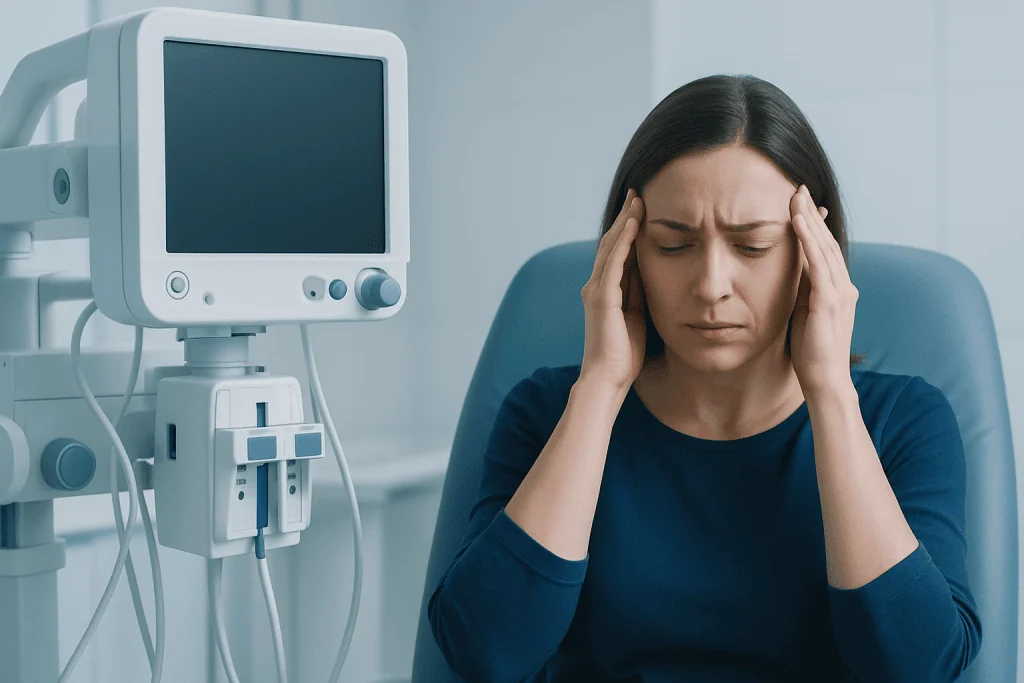
Tension-type headaches usually cause a feeling of pressure, tightness, or aching on both sides of the head. Some people describe it as wearing a tight hat or band. The pain may spread into the neck, shoulders, scalp, or jaw. Unlike migraine, tension-type headaches are less likely to cause strong nausea, vomiting, or marked sensitivity to light and sound, although mild sensitivity can sometimes occur.
When headaches happen every day, the pattern becomes especially important. A person may notice pain building during work hours, after long screen use, during stressful periods, or after sleeping poorly. Headaches may start in the afternoon, improve with rest, or return in cycles linked to routine habits. Muscle tenderness in the scalp, neck, or shoulder area is also common.
Symptoms that suggest another headache type or a secondary cause should not be ignored. Examples include one-sided throbbing pain, visual aura, tearing or nasal congestion with severe attacks, fever, confusion, fainting, weakness, numbness, or headaches triggered by coughing or exertion. These features do not always mean a serious problem, but they do support medical evaluation.
- Dull, pressing, or tightening head pain
- Pain on both sides of the head
- Neck and shoulder tightness
- Worsening after stress, poor posture, or lack of sleep
- Usually not aggravated by routine movement
Common causes and risk factors

The most common explanation for stress headaches every day is frequent tension-type headache. Emotional stress can increase muscle tension and pain sensitivity, making headaches more likely. Long hours at a desk, poor ergonomics, jaw clenching, teeth grinding, and neck strain may also contribute. In many people, several factors act together rather than a single cause being responsible.
Lifestyle habits often play a major role. Skipping meals, drinking too little water, consuming too much or too little caffeine, and irregular sleep can all lower the body’s threshold for headache. Anxiety and depression may increase headache frequency, while eye strain from prolonged phone or computer use can add to scalp and neck tension. Hormonal changes may also influence headache patterns in some people.
Another important cause of daily headaches is medication-overuse headache. This can happen when pain relievers are taken too often for headaches, leading to a cycle in which the headache returns as the medicine wears off. People with migraine may also experience daily or near-daily headaches, sometimes alongside features of migraine. Less commonly, sinus disease, high blood pressure during specific situations, temporomandibular joint problems, sleep apnea, infection, or neurological disorders may be involved.
How doctors evaluate daily headaches
Diagnosis begins with a detailed history. A doctor usually asks when the headaches started, how often they occur, where the pain is located, what the pain feels like, how long it lasts, and what makes it better or worse. Questions about sleep, caffeine, stress, posture, visual symptoms, menstrual cycles, medications, and family history help clarify the pattern. A headache diary can be especially helpful because it records timing, triggers, and response to treatment.
A physical and neurological examination is also important. The doctor may check blood pressure, vision, eye movements, neck range of motion, jaw tenderness, scalp tenderness, and signs of muscle tension. In many people with a long-standing, typical pattern of tension-type headache and a normal examination, imaging tests may not be needed.
However, tests may be recommended if the headache pattern is new, rapidly worsening, unusual, or associated with warning signs. Depending on the situation, this may include blood tests, an eye examination, or brain imaging such as MRI or CT scan. If sleep-disordered breathing is suspected, a sleep assessment may also be useful. The purpose of testing is not to alarm the patient, but to identify uncommon causes and guide care safely.
Treatment options for frequent stress headaches
Treatment depends on the headache type, frequency, and contributing factors. For occasional tension-type headaches, simple measures such as rest, hydration, stretching, heat to the neck or shoulders, and short-term use of nonprescription pain relievers may be enough. But when headaches occur every day, the treatment plan often needs to go beyond symptom relief and address the reasons the headaches keep returning.
Doctors may recommend limiting overuse of pain medicines if medication-overuse headache is suspected. They may also discuss preventive treatment when headaches are frequent or disruptive. This can include physical therapy for neck and posture problems, treatment for anxiety or sleep disorders, and in some cases prescription preventive medicines. If the pattern suggests another primary headache disorder, treatment may be adjusted accordingly, such as care commonly used for tension headache or other chronic headache syndromes.
Non-drug approaches are often central to long-term improvement. Stress-management techniques, regular aerobic activity, ergonomic corrections, relaxation exercises, cognitive behavioral strategies, and jaw care for clenching or grinding can all help reduce headache frequency. If a headache specialist is involved, the person may also be guided through trigger management and a stepwise plan for prevention and rescue treatment.
Self-care and prevention strategies
Many people can reduce stress headaches every day by making consistent daily changes. A regular sleep schedule, balanced meals, good hydration, and routine movement can make the nervous system less sensitive to triggers. Even simple habits such as standing up every hour, adjusting screen height, and relaxing the shoulders can decrease head and neck strain.
Stress does not need to be eliminated completely to improve headaches. Helpful methods include paced breathing, mindfulness, yoga, gentle stretching, walking, and setting brief recovery breaks during the day. For people who clench their jaw, becoming aware of daytime tension and keeping the teeth slightly apart when not chewing can reduce strain. Warm compresses to the neck and scalp massage may also be soothing.
A headache diary is one of the most practical self-care tools. It can include sleep hours, meal timing, water intake, caffeine, menstrual changes, stress level, screen time, medications used, and headache severity. Patterns often become clearer after a few weeks, making it easier to discuss next steps with a clinician and identify habits worth changing.
- Keep a regular sleep and wake time
- Drink water consistently through the day
- Avoid skipping meals
- Limit frequent use of pain relievers unless advised by a doctor
- Improve desk, chair, and screen positioning
- Take breaks for stretching and eye rest
When to get evaluated urgently or routinely
Any person with headaches every day should consider a routine medical evaluation, especially if the pattern is new, becoming more frequent, or interfering with work, sleep, or quality of life. A non-urgent appointment is also wise if over-the-counter medicines are needed often, if there is concern about medication overuse, or if the headache pattern has changed from previous headaches.
Urgent medical attention is needed if a headache is sudden and severe, described as the worst headache of a person’s life, or accompanied by fever, stiff neck, confusion, fainting, seizure, weakness, numbness, trouble speaking, vision loss, or persistent vomiting. Headaches after head injury, during pregnancy when severe or unusual, or in a person with cancer or significant immune suppression also deserve prompt evaluation.
For international patients who need specialist assessment, Acibadem International’s multidisciplinary specialists in JCI-accredited hospitals diagnose and treat headache conditions using individualized evaluation plans. The most important step, however, is timely assessment by a qualified clinician who can determine whether the headaches fit a primary headache disorder or another medical problem.
Frequently asked questions
Is it normal to have stress headaches every day?
Daily headaches are common, but they should not simply be ignored as normal. Stress is a frequent trigger, yet headaches that happen every day deserve evaluation to confirm the type of headache and rule out other causes.
How can a person tell the difference between a stress headache and a migraine?
A stress or tension-type headache usually causes a dull, pressing, band-like pain on both sides of the head. Migraine more often causes throbbing pain, may be one-sided, and can come with nausea, vomiting, or strong sensitivity to light and sound. Some people have overlapping features, so diagnosis may require a medical review.
Can stress alone really cause daily headaches?
Stress can contribute strongly, but it is often only part of the picture. Sleep problems, poor posture, jaw clenching, dehydration, eye strain, and medication overuse commonly work together with stress to produce frequent headaches.
What is medication-overuse headache?
Medication-overuse headache is a pattern in which frequent use of pain-relief medicines can keep headaches recurring. The medicine may help temporarily, but the headache can return as the effect wears off. A doctor can advise how to manage this safely without abruptly changing treatment on one's own.
What helps relieve a stress headache at home?
Many people feel better with hydration, rest, regular meals, gentle neck stretching, heat to tight muscles, and short breaks from screens. Relaxation techniques such as deep breathing or mindfulness may also help. If headaches are frequent, home care should be combined with professional evaluation.
When should someone worry about a daily headache?
A daily headache should be checked promptly if it is sudden, severe, rapidly worsening, or paired with symptoms such as weakness, confusion, vision loss, fever, or persistent vomiting. Routine evaluation is also important if the headache is new, changing, or affecting normal life.
References
- World Health Organization
- International Headache Society
- National Institute of Neurological Disorders and Stroke
- American Migraine Foundation
- Mayo Clinic
This article is for general information only and is not a substitute for professional medical advice. Please consult a qualified doctor about your individual situation.
Explore treatments in Turkey — costs, top hospitals & a free quote
JCI-accredited · board-certified surgeons · reply within 24h
Add us as a Preferred Source to see more of our trusted health content across Google Search, AI Overviews and Discover.
Check your numbers in seconds
BMI, calories, due date, blood pressure and 30+ more clinical calculators — free, instant, doctor-reviewed ranges.