Stress Incontinence Treatment: Early Signs, Risk Factors, and How It Is Treated

Stress urinary incontinence causes urine leakage during activities that raise pressure in the abdomen, such as coughing, laughing, lifting, or exercise. Pelvic floor muscle training is commonly the first treatment and is most effective when taught and monitored by a qualified professional.
Key Takeaways
- Stress urinary incontinence causes urine leakage during activities that raise pressure in the abdomen, such as coughing, laughing, lifting, or exercise.
- Pelvic floor muscle training is commonly the first treatment and is most effective when taught and monitored by a qualified professional.
- Treatment is individualized according to symptom severity, medical history, plans for pregnancy, personal preferences, and the impact on everyday life.
- Surgery can be effective for selected patients, but its benefits, possible complications, and recovery needs should be discussed carefully with a specialist.
- New or worsening leakage should be assessed because urinary symptoms can sometimes have causes other than stress incontinence.
Stress incontinence treatment usually begins with pelvic floor muscle training and practical lifestyle measures. If leakage continues to affect daily life, a clinician may recommend a vaginal device, urethral bulking injections, or a surgical procedure designed to support the urethra.
Stress Incontinence Treatment: An Overview
Stress incontinence treatment aims to reduce urine leakage that happens when physical pressure on the bladder increases. Leakage may occur with coughing, sneezing, laughing, running, jumping, lifting, or other activities. Many people improve with non-surgical care, particularly pelvic floor muscle training, while procedures and surgery may be considered when symptoms remain troublesome.
Stress urinary incontinence is different from “stress” in the emotional sense. It is caused by reduced support around the urethra, the tube that carries urine out of the body, or reduced ability of the urethral closing mechanism to stay closed during sudden pressure changes. It is common in women, especially after pregnancy and childbirth or around menopause, but it can also affect men, particularly after prostate treatment.
Although leakage can feel embarrassing, it is a medical concern that can be discussed openly with a healthcare professional. Effective care does not always mean surgery. The best plan considers how often leakage happens, which activities are affected, general health, other urinary symptoms, and the person’s priorities.
Early Signs and How Stress Incontinence Feels
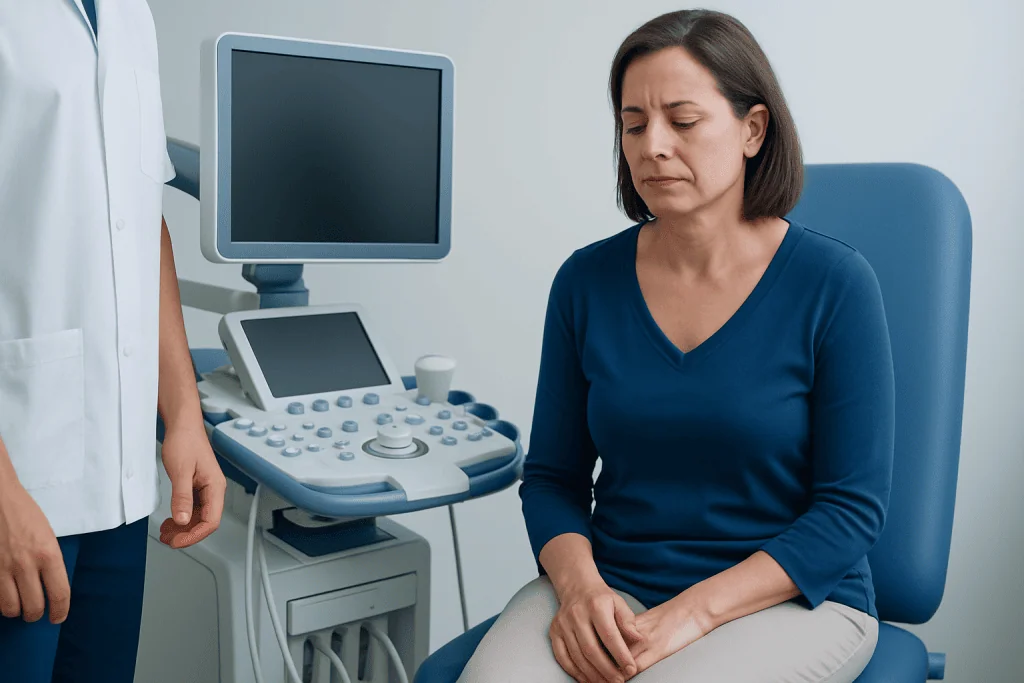
The hallmark symptom is a small or larger loss of urine during a predictable physical activity. For example, a person may notice damp underwear after a sneeze, leak while carrying groceries, or avoid exercise because running or jumping causes urine loss. Leakage is usually not preceded by a strong, difficult-to-control urge to urinate.
Symptoms can be mild at first and occur only during high-impact activity. Over time, some people notice leakage with lower-impact activities, such as standing from a chair, walking quickly, or bending. The amount of urine lost does not always reflect how much the condition affects confidence, sleep, work, intimacy, travel, or social activities.
Stress incontinence can occur alongside urge incontinence, in which a sudden urgent need to pass urine is followed by leakage. This is called mixed urinary incontinence. Identifying both patterns is important because treatment may need to address more than one cause of bladder symptoms.
- Leakage with coughing, sneezing, laughing, or clearing the throat
- Leakage during exercise, lifting, or sudden movement
- Using pads or changing clothing because of activity-related leakage
- Reducing fluid intake or avoiding outings because of fear of leakage
- Possible coexisting urgency, frequent urination, or night-time urination
Why It Happens: Causes and Risk Factors

The bladder normally stores urine while the pelvic floor muscles, connective tissues, and urethra provide support and closure. During a cough or lift, pressure rises inside the abdomen. If the urethra and pelvic floor do not provide enough resistance, urine may leak before the pressure passes.
Pregnancy and vaginal birth can stretch or injure pelvic floor muscles and supportive tissues. Menopause may also contribute through changes in pelvic tissues associated with lower estrogen levels. However, stress incontinence is not an inevitable part of ageing, childbirth, or menopause, and treatment can be helpful at many stages of life.
Other factors that may increase risk include excess body weight, long-term constipation and straining, chronic cough, smoking, high-impact sports, and previous pelvic surgery. In men, prostate surgery is a recognized cause. Some neurological conditions, medications, urinary tract infections, bladder stones, or pelvic organ prolapse may cause or worsen urinary symptoms, so a proper assessment remains important.
Risk factors do not mean a person will definitely develop leakage. They help explain why a clinician may recommend a combination of pelvic floor rehabilitation, bowel care, weight management where appropriate, smoking cessation support, and treatment tailored to the underlying urinary pattern.
How Stress Incontinence Is Diagnosed
Diagnosis usually begins with a detailed conversation about symptoms, medical history, childbirth history, previous operations, medicines, fluid intake, bowel habits, and the effect of leakage on daily life. A clinician may ask what triggers leakage, how often it occurs, whether there is urgency, and whether there are symptoms such as pain, burning, blood in the urine, or difficulty emptying the bladder.
A bladder diary is often useful. Over several days, the person records drinks, toilet visits, urgency episodes, and leakage. This simple tool can reveal patterns and help distinguish stress incontinence from urge incontinence, excessive fluid intake, or other problems.
Assessment may include a urine test to look for infection or blood, a physical examination, and a cough stress test, in which the clinician checks for leakage during coughing with a comfortably full bladder. In some cases, bladder scanning after urination, urodynamic testing, cystoscopy, or imaging may be needed, particularly before some surgeries or when symptoms are complex.
Patients should mention prior pelvic operations, radiation treatment, pelvic organ prolapse, neurological disease, recurrent urinary infections, or problems fully emptying the bladder. These factors can change which treatment options are safest and most suitable.
Non-Surgical Stress Incontinence Treatment
Conservative care is generally the first step for stress incontinence treatment. The cornerstone is pelvic floor muscle training, sometimes called Kegel exercises. These exercises strengthen and coordinate the muscles that support the bladder, urethra, uterus, and bowel. A pelvic health physiotherapist or continence specialist can confirm that the correct muscles are being used and create a program that progresses safely.
Improvement from pelvic floor training commonly takes time and regular practice. A supervised program is often more helpful than general instructions alone because some people unintentionally tighten their abdomen, buttocks, or thighs instead of the pelvic floor. Biofeedback or electrical stimulation may be considered in selected circumstances when a person has difficulty identifying or contracting the muscles.
Lifestyle changes can reduce pressure on the pelvic floor or lessen bladder irritation. These may include treating constipation, stopping smoking, managing a chronic cough with medical advice, reaching a sustainable weight if recommended, and adjusting very high-impact activities. It is usually better to maintain healthy hydration rather than severely restricting fluids, as concentrated urine can irritate the bladder.
Some women may benefit from a fitted vaginal support device, such as a continence pessary, especially during exercise or other predictable triggers. Absorbent pads and protective underwear can also support comfort and confidence while treatment takes effect, but they do not correct the underlying cause. Medicines are not usually the main treatment for uncomplicated stress incontinence, although they may be relevant when other bladder symptoms are also present.
Procedures and Surgery for Persistent Leakage
When conservative measures have not provided adequate relief, a specialist may discuss procedural options. The choice depends on anatomy, severity of symptoms, previous treatments, future pregnancy plans, coexisting pelvic conditions, and informed personal preference. A thorough discussion should include expected benefits, possible side effects, recovery, and alternatives.
Urethral bulking injections involve placing a material around the urethra to improve its closure. This is usually less invasive than surgery and may be an option for some people who prefer to avoid a more extensive procedure or are not suitable for it. The benefit may decrease over time, and repeat treatment can be needed.
For many women with stress incontinence, sling procedures are among the surgical options considered. A sling supports the urethra to help prevent leakage during physical pressure. Other operations, including colposuspension or an autologous fascial sling using the person’s own tissue, may be appropriate in selected situations. The suitable approach varies by individual and local clinical expertise.
After prostate surgery, men may be offered pelvic floor rehabilitation first. If significant incontinence persists, surgical options such as a male sling or an artificial urinary sphincter may be discussed. All continence surgeries can have risks, including infection, pain, temporary difficulty emptying the bladder, urinary urgency, or the need for further treatment. A specialist can explain how these risks apply to the individual situation.
Living Well and When to Seek Medical Care
Alongside treatment, practical planning can make daily life easier. Scheduling toilet visits before exercise or travel, using the toilet without rushing, carrying spare clothing if needed, and choosing comfortable continence products can reduce anxiety. It may also help to discuss the condition with a trusted partner, family member, or clinician, as leakage can affect emotional wellbeing and intimacy.
Medical advice is appropriate whenever urine leakage is persistent, distressing, limits activity, or begins after surgery or childbirth. A clinician should assess symptoms before assuming they are stress incontinence, particularly if they are new, rapidly worsening, or accompanied by urgency and frequency.
Prompt medical assessment is important for blood in the urine, pain or burning when passing urine, fever, recurrent urinary infections, pelvic pain, a new pelvic lump or bulge, inability to pass urine, leg weakness or numbness, or sudden major changes in bladder control. These symptoms may point to another condition that needs timely care.
Acibadem International’s multidisciplinary specialists and JCI-accredited hospitals assess and treat urinary incontinence for international patients, with care plans based on individual symptoms, examination findings, and treatment goals.
Frequently asked questions
What is the first-line stress incontinence treatment?
Pelvic floor muscle training is commonly the first-line treatment for stress urinary incontinence. It is most useful when exercises are taught correctly and performed regularly over a sustained period, often with guidance from a pelvic health physiotherapist or continence professional.
Can stress incontinence go away without surgery?
Many people experience meaningful improvement without surgery through pelvic floor rehabilitation, treatment of constipation or chronic cough, and other lifestyle measures. The degree of improvement varies, and surgery may be considered when symptoms continue to significantly affect quality of life.
How long does pelvic floor therapy take to work?
Pelvic floor strengthening usually requires regular practice over weeks to months before changes are noticeable. A clinician or physiotherapist can review progress, correct technique, and adjust the program if symptoms are not improving.
Is stress incontinence the same as an overactive bladder?
No. Stress incontinence is leakage caused by physical pressure, such as a cough or exercise, while overactive bladder often involves sudden urgency, frequent urination, and sometimes urge-related leakage. Some people have both conditions, which is called mixed incontinence.
Can men have stress urinary incontinence?
Yes. Stress urinary incontinence can occur in men, most often after prostate surgery, though it has other possible causes. Pelvic floor rehabilitation is often an early treatment, and procedures may be considered when significant leakage persists.
Should someone stop drinking water to prevent urine leakage?
Severely reducing fluids is generally not recommended because it can lead to dehydration and concentrated urine, which may irritate the bladder. A healthcare professional can advise on appropriate fluid habits based on a person’s health, medications, and urinary symptoms.
References
- National Institute of Diabetes and Digestive and Kidney Diseases
- National Institute for Health and Care Excellence
- American Urological Association
- International Urogynecological Association
- Mayo Clinic
This article is for general information only and is not a substitute for professional medical advice. Please consult a qualified doctor about your individual situation.
Explore treatments in Turkey — costs, top hospitals & a free quote
JCI-accredited · board-certified surgeons · reply within 24h
Add us as a Preferred Source to see more of our trusted health content across Google Search, AI Overviews and Discover.