Stretching of Trapezius: What Patients Need to Know

The trapezius is a large muscle that supports neck, shoulder, and upper back movement. Gentle stretching of trapezius may ease tightness caused by posture, stress, or repetitive activity.
Key Takeaways
- The trapezius is a large muscle that supports neck, shoulder, and upper back movement.
- Gentle stretching of trapezius may ease tightness caused by posture, stress, or repetitive activity.
- Stretching should not cause sharp pain, numbness, or worsening symptoms.
- Heat, posture changes, and strengthening exercises often support better long-term results.
- Medical evaluation is important if symptoms follow injury or include weakness, tingling, or severe pain.
Stretching of trapezius is a common way to relieve tightness in the neck, shoulders, and upper back when it is done gently and correctly. For many people, it helps reduce stiffness related to posture, stress, or overuse, but persistent or severe pain should be assessed by a doctor.
Overview: What stretching of trapezius means
Stretching of trapezius usually refers to gentle exercises designed to relax and lengthen the trapezius muscle, which runs from the back of the head and neck across the shoulders and into the upper back. Patients often look for these stretches when they feel shoulder tension, neck stiffness, or discomfort after long hours at a desk, stress, or physical overuse.
The trapezius is not one small spot. It is a broad muscle with upper, middle, and lower fibers, and each part helps control posture and movement of the neck, shoulder blades, and upper back. Because of this, discomfort in the trapezius can feel different from person to person. Some notice a dull ache at the base of the neck, while others feel tightness across the shoulders or between the shoulder blades.
For many people, stretching of trapezius can be a helpful part of self-care. However, it works best when it is matched to the real cause of symptoms. Tightness from posture or stress may improve with regular stretching, but pain caused by injury, inflammation, nerve irritation, or certain spine conditions may need a broader treatment plan.
How the trapezius affects daily comfort and movement
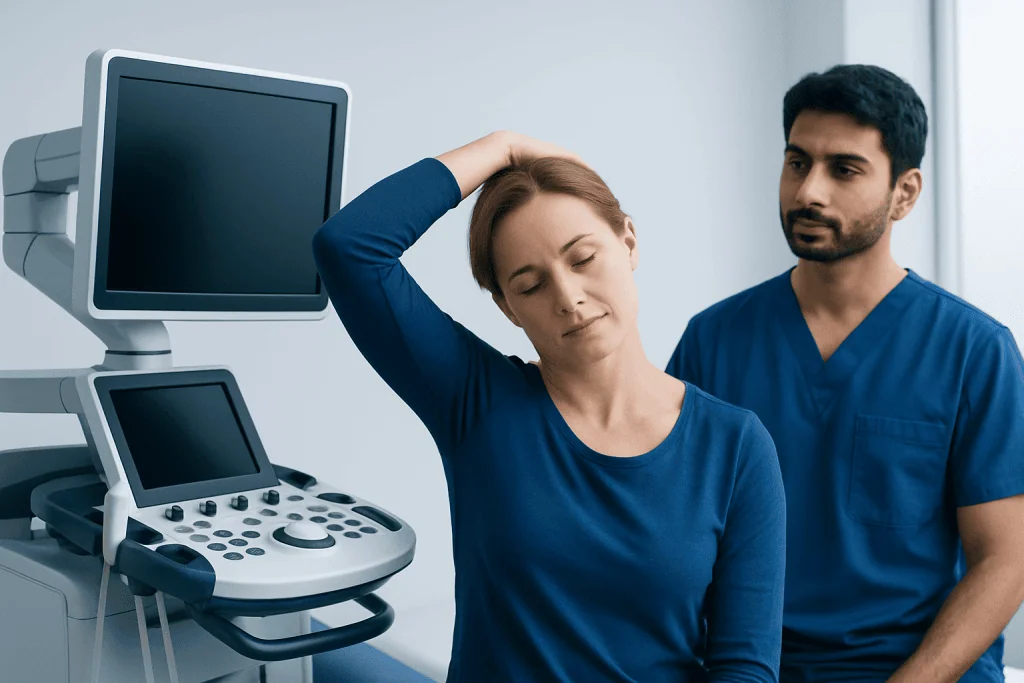
The trapezius helps stabilize the shoulders, support the head, and coordinate upper body movement. It is active during everyday tasks such as looking at a screen, carrying a bag, lifting objects, driving, and even sleeping in certain positions. When this muscle becomes overworked or stays in a shortened position for long periods, it may feel tight or tender.
A common pattern is upper trapezius tension linked to prolonged sitting, forward head posture, or raised shoulders during stress. In these situations, the muscle may be working harder than it should just to hold the neck and shoulders in place. This can contribute to headaches, restricted neck movement, and a feeling of heaviness in the upper back.
Stretching alone may not solve every problem. In many cases, the best results come from combining stretches with ergonomic adjustments, movement breaks, and strengthening of nearby muscles. If pain appears to come from the spine or a shoulder problem, a doctor may also assess for conditions such as herniated disc or a frozen shoulder pattern when symptoms fit.
Symptoms that may improve with trapezius stretching
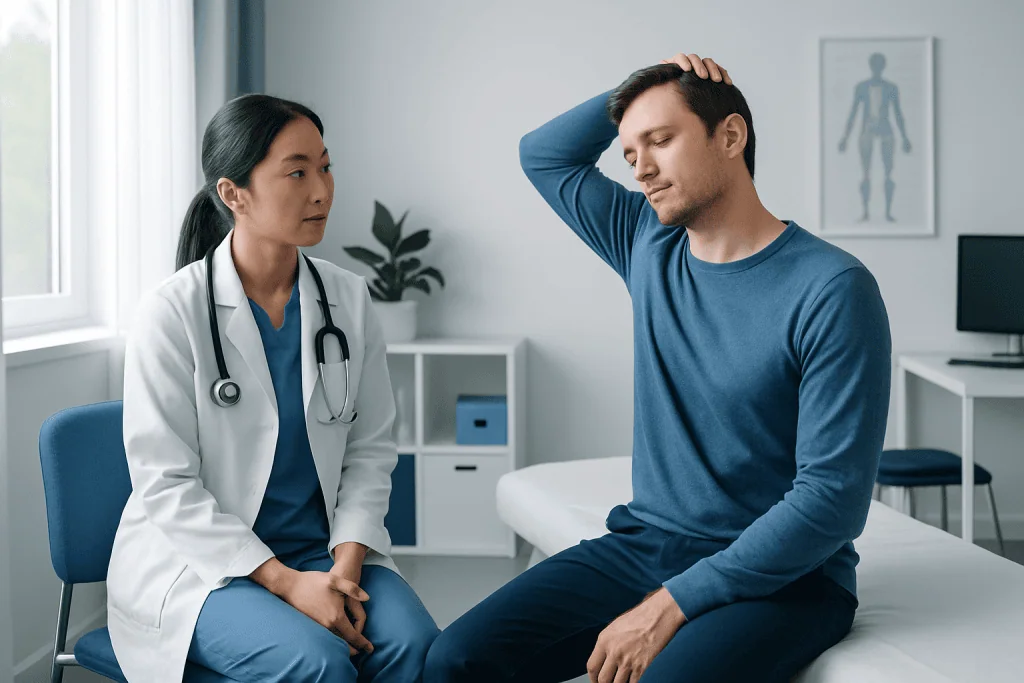
People often try stretching of trapezius when they experience tightness along the side of the neck, soreness across the shoulders, or discomfort in the upper back. The pain is commonly described as aching, pulling, or stiffness rather than sharp or sudden. Some feel worse after computer work, travel, sleeping awkwardly, or emotional stress.
Other symptoms that may accompany trapezius tension include reduced ability to turn the head comfortably, tenderness when pressing the muscle, and a sensation of knots in the upper shoulder area. Some patients also report tension-type headaches or fatigue in the shoulder girdle after repetitive activity.
Not every symptom in this area is due to simple muscle tightness. Warning signs include pain that spreads down the arm, numbness, tingling, weakness, fever, swelling, chest pain, or symptoms after a fall or accident. These features suggest that the problem may involve nerves, joints, the cervical spine, or another medical issue rather than routine muscle strain.
Common causes and risk factors
The most common reasons for trapezius tightness are posture-related strain, repetitive movements, emotional stress, and overuse. Long periods of screen time can place the head forward and the shoulders upward, increasing load on the upper trapezius. Repeated lifting, sports training, or carrying heavy bags may also irritate the muscle.
Sleep position can contribute as well. Using an unsuitable pillow, sleeping with the neck twisted, or resting on one side for too long may leave the trapezius feeling stiff the next morning. Stress is another major factor, as many people unconsciously tighten their shoulders when anxious or concentrating.
Less commonly, trapezius pain may be related to shoulder disorders, cervical spine problems, or direct injury. Patients with arthritis, poor conditioning, prior neck injury, or limited shoulder mobility may be more likely to develop recurring symptoms. If pain is frequent or activity-limiting, evaluation by specialists in physical therapy and rehabilitation can help identify the contributing factors and guide safe exercises.
How to stretch the trapezius safely
Safe stretching of trapezius should feel gentle and controlled. A patient should sit or stand upright, relax the shoulders, and move slowly into the stretch without bouncing. One common upper trapezius stretch involves tilting the head toward one shoulder until a mild stretch is felt on the opposite side of the neck and shoulder. The position can be held briefly while breathing normally, then repeated on the other side.
Another helpful approach is to combine gentle neck side-bending with shoulder relaxation rather than pulling forcefully on the head. The goal is to reduce tension, not to force range of motion. Stretching is often more comfortable after a warm shower, a heating pad used safely, or a few minutes of light movement.
A few general principles can make stretching safer:
- Stop if there is sharp, shooting, or worsening pain.
- Avoid aggressive stretching after a recent injury unless a clinician advises it.
- Keep breathing steadily and avoid holding the breath.
- Repeat stretches regularly rather than pushing too hard in one session.
- Combine stretching with posture correction and shoulder-blade strengthening when appropriate.
If the area is acutely strained, a doctor may recommend a period of modified activity and targeted rehabilitation. In some cases, assessment by orthopedics and traumatology is useful when pain follows trauma, limits shoulder function, or does not improve as expected.
Diagnosis: when tightness may be more than a simple muscle problem
Doctors usually diagnose trapezius-related pain by reviewing symptoms, medical history, daily activities, posture habits, and any recent injury. A physical examination often includes checking neck movement, shoulder function, muscle tenderness, strength, and nerve-related signs such as altered sensation or reflex changes.
In many people, imaging is not needed right away if symptoms clearly fit a mild strain or posture-related muscle tension. However, tests may be considered when pain is persistent, severe, recurrent, or associated with trauma or neurological symptoms. Depending on the findings, a doctor may evaluate the cervical spine, shoulder joint, or surrounding soft tissues.
When the symptom pattern suggests another cause, further assessment can help distinguish muscle tightness from shoulder impingement, rotator cuff problems, cervical radiculopathy, or inflammatory conditions. Some patients benefit from a multidisciplinary review, especially when pain has become chronic or affects work, sleep, and daily function.
Treatment options beyond stretching
Stretching of trapezius is often just one part of treatment. If the main issue is postural strain, clinicians may suggest activity modification, ergonomic changes, scheduled movement breaks, and exercises to strengthen the deep neck flexors, shoulder stabilizers, and upper back muscles. This approach helps reduce repeated overloading of the trapezius.
Supportive treatments may include heat, short-term rest from aggravating activity, manual therapy, and a guided exercise program. A doctor may also discuss pain-relief options that are appropriate for the individual, taking into account overall health and other medications. For persistent neck-related symptoms, structured pain management may be considered as part of a broader plan.
When an underlying structural problem is found, treatment is directed to that cause. For example, symptoms linked to a shoulder condition may require shoulder-focused rehabilitation, while cervical spine disorders may need more specific evaluation. Near the end of the care pathway, some patients choose centers such as Acibadem International, where multidisciplinary specialists in JCI-accredited hospitals assess neck, shoulder, and upper back pain for international patients.
Prevention, self-care, and when to seek medical care
Preventing recurring trapezius tightness often depends more on daily habits than on occasional stretching. Useful steps include adjusting desk height, keeping screens at eye level, relaxing the shoulders while typing, taking regular standing or walking breaks, and avoiding carrying heavy bags on one side only. Balanced exercise that includes mobility, strength, and endurance can also reduce strain on the neck and shoulders.
Self-care may help when symptoms are mild. Gentle stretching, heat, stress reduction, hydration, and gradual return to activity are commonly recommended. It is also helpful to notice patterns, such as symptoms that appear after poor sleep, long travel, or extended phone use. Correcting these triggers can be as important as the stretches themselves.
Medical care should be sought if pain is severe, follows an injury, lasts more than a few weeks, or keeps returning despite good self-care. Patients should also contact a doctor promptly if they have arm weakness, numbness, tingling, fever, swelling, unexplained weight loss, or pain with chest symptoms or shortness of breath. These signs suggest that a fuller medical evaluation is needed rather than simple home stretching.
Frequently asked questions
Is stretching of trapezius good for neck pain?
It can be helpful when neck pain is related to muscle tightness, poor posture, or stress. Stretching should feel gentle, not painful, and it works best when combined with posture changes and regular movement. If neck pain is severe or includes tingling or weakness, a doctor should assess it.
How often should trapezius stretches be done?
Many people benefit from doing gentle stretches regularly, especially during periods of desk work or after activities that trigger tension. The exact routine varies by the person and the cause of symptoms. A physiotherapist or doctor can suggest a schedule that is appropriate and safe.
Can stretching make trapezius pain worse?
Yes, if the stretch is too forceful, done incorrectly, or used when there is an acute injury or another underlying problem. Sharp pain, radiating pain, or increasing symptoms are signs to stop. Persistent worsening should be evaluated by a healthcare professional.
What is the difference between trapezius tightness and a trapezius strain?
Tightness usually refers to muscle tension or stiffness, often linked to posture, stress, or repetitive use. A strain means the muscle fibers have been overstretched or injured, which may cause more localized pain and tenderness, especially after sudden movement or overexertion. Strains may need more rest and structured rehabilitation.
Should heat or ice be used for trapezius discomfort?
Heat is often soothing for muscle tightness and stiffness, especially before gentle stretching. Ice may be more appropriate soon after an acute strain or if there is fresh inflammation. The right choice depends on the cause and timing of symptoms.
When should someone stop home stretches and see a doctor?
A doctor should be consulted if symptoms last more than a few weeks, keep recurring, or interfere with sleep, work, or daily activity. Immediate assessment is important after injury or if symptoms include weakness, numbness, tingling, fever, chest pain, or shortness of breath.
References
- American Academy of Orthopaedic Surgeons
- National Institute of Arthritis and Musculoskeletal and Skin Diseases
- National Health Service
- Mayo Clinic
- Cleveland Clinic
This article is for general information only and is not a substitute for professional medical advice. Please consult a qualified doctor about your individual situation.
Joint and spine care in Turkey — expert assessment & treatment
JCI-accredited · board-certified surgeons · reply within 24h
Add us as a Preferred Source to see more of our trusted health content across Google Search, AI Overviews and Discover.

More from the Health Library

Lemon Balm: What Patients Need to Know

Sonography: An Evidence-Based Guide for Patients

Brachioradial Pruritus: An Evidence-Based Guide for Patients

Anesthesiologist: An Evidence-Based Guide for Patients

Arched Back — Explained by Medical Evidence, Not Myths