

Stroke Doctor: Who Treats Stroke in the Emergency Room and Afterward?

Stroke is a medical emergency that should be treated immediately. More than one type of doctor may treat stroke in the ER and afterward.
Key Takeaways
- Stroke is a medical emergency that should be treated immediately.
- More than one type of doctor may treat stroke in the ER and afterward.
- A neurologist or stroke specialist often leads medical decision-making for diagnosis and treatment.
- Recovery commonly involves rehabilitation experts such as physiatrists, physical therapists, speech therapists, and occupational therapists.
- Long-term care focuses on preventing another stroke and managing risk factors like high blood pressure, diabetes, and atrial fibrillation.
A stroke doctor is usually part of a team that treats stroke from the first emergency moments through recovery. In the emergency room, stroke care often involves ER physicians, neurologists, radiologists, and other specialists working quickly to protect brain function and plan next steps.
Overview: what a stroke doctor does
A stroke doctor is not always one single physician. Stroke care is usually delivered by a coordinated team that changes as the patient moves from emergency treatment to hospital care, rehabilitation, and long-term prevention. The exact specialists involved depend on the type of stroke, how severe it is, and how quickly the person reaches medical attention.
In the emergency room, the first priority is to confirm whether symptoms are caused by a stroke and, if so, whether it is an ischemic stroke, caused by a blocked blood vessel, or a hemorrhagic stroke, caused by bleeding in or around the brain. This distinction matters because the treatments are very different. Doctors work quickly because brain tissue can be injured within minutes.
After the immediate emergency, stroke treatment often shifts to a neurologist, stroke specialist, intensive care team, and rehabilitation professionals. Some people may also need care from neurosurgeons, interventional neuroradiologists, cardiologists, or vascular specialists, depending on the cause of the stroke and any complications.
Who treats stroke in the emergency room?
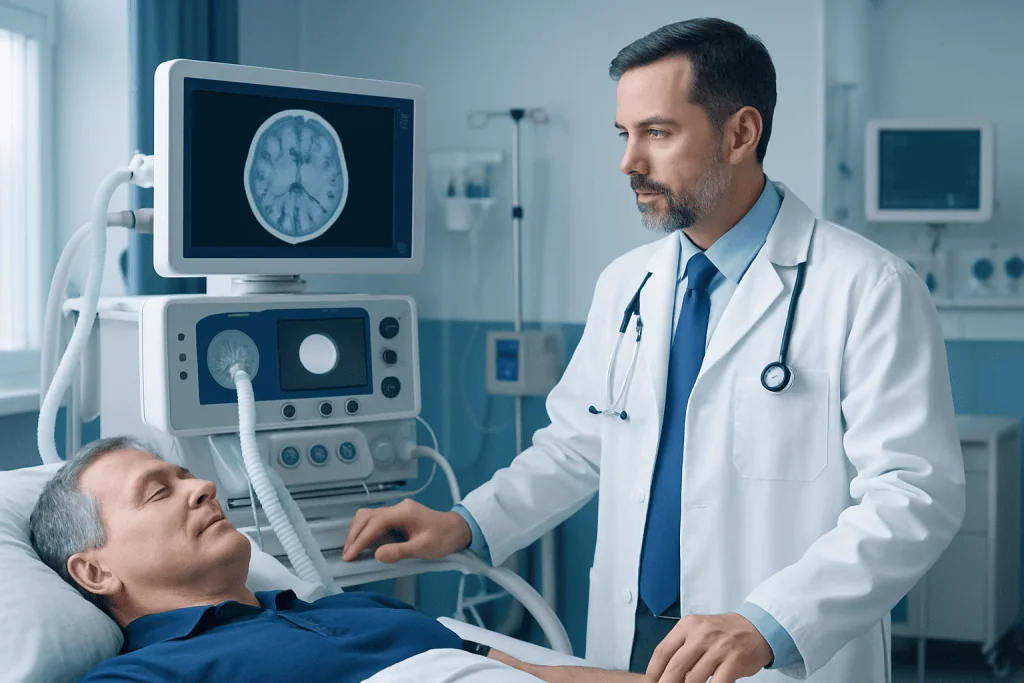
When a person arrives at the emergency room with possible stroke symptoms, an emergency medicine doctor is often the first physician to assess them. This doctor checks breathing, circulation, blood pressure, blood sugar, and overall stability while beginning the stroke evaluation. Nurses and emergency staff also play a key role in recognizing symptoms quickly and activating a stroke protocol.
A neurologist, and in many hospitals a stroke neurologist, is commonly involved early. This specialist evaluates the nervous system, reviews the timing of symptoms, and helps decide whether urgent treatment is needed. In some hospitals, this may happen in person; in others, it may be done through telestroke services, where a stroke specialist assesses the patient remotely.
Imaging specialists are also essential. A radiologist and the imaging team perform and interpret urgent brain scans, such as CT or MRI, to determine whether the stroke is caused by a clot or bleeding. If a blocked artery may be treated with a catheter-based procedure, an interventional specialist may be called quickly to assess for minimally invasive clot-removal procedures.
In many stroke cases, the emergency room team may include:
- Emergency medicine physicians
- Neurologists or stroke neurologists
- Radiologists and imaging technicians
- Interventional neuroradiologists or endovascular specialists
- Neurosurgeons, if bleeding or swelling is present
- Critical care doctors and nurses
Which specialists may treat stroke after the ER?

Once the patient is stabilized, the main doctor may change depending on the stroke type and the person’s needs. A neurologist often oversees medical stroke care in the hospital, including monitoring for changes in symptoms, reviewing test results, preventing complications, and planning secondary prevention. If the person has a transient ischemic attack or a completed stroke, the neurologist also helps identify the most likely cause.
If the stroke involves bleeding, severe swelling, or pressure on the brain, a neurosurgeon may become an important part of care. If the stroke was caused by a blocked large artery and treated through a catheter-based procedure, an interventional neuroradiologist or neurointerventional specialist may remain involved after the procedure. Some people are also cared for in a dedicated stroke unit or intensive care unit, where monitoring is especially close.
Rehabilitation often starts early, sometimes within the first day or two if medically appropriate. A physiatrist, also called a rehabilitation medicine doctor, may guide recovery planning. Physical therapists, occupational therapists, and speech-language therapists assess movement, balance, swallowing, communication, and daily function. This multidisciplinary approach is central to recovery after stroke.
Depending on the underlying cause, other specialists may also be involved, such as:
- Cardiologists, especially if an irregular heartbeat or heart condition may have caused a clot
- Vascular surgeons or vascular medicine specialists for carotid artery disease
- Endocrinologists for diabetes management
- Internal medicine doctors or family physicians for long-term risk-factor control
How doctors diagnose the type and cause of stroke
Doctors do not rely on symptoms alone to diagnose stroke. Sudden weakness, speech difficulty, confusion, facial drooping, severe dizziness, or vision loss can strongly suggest stroke, but tests are needed to confirm the diagnosis and guide treatment. The first and most urgent question is whether the stroke is ischemic or hemorrhagic.
Brain imaging is a central part of this process. A non-contrast CT scan is often the first test because it can quickly show bleeding. MRI may also be used in some cases, especially if the diagnosis is uncertain or the stroke appears small or in a hard-to-see area. Blood tests, heart rhythm monitoring, oxygen levels, and blood pressure checks help identify contributing factors and rule out conditions that can mimic stroke.
Doctors may also order tests to understand why the stroke happened. These can include ultrasound of the neck arteries, CT angiography or MR angiography to look at blood vessels, echocardiography to examine the heart, and longer-term rhythm monitoring for atrial fibrillation. This careful evaluation helps guide treatment and lowers the chance of another event, especially after a vascular brain condition or clot-related stroke is suspected.
Treatment options and who provides them
Treatment depends on the type of stroke and how soon the person is seen. For ischemic stroke, doctors may consider clot-dissolving medicine if the patient arrives within an appropriate time window and meets safety criteria. This decision is typically made by a stroke neurologist or emergency physician working closely with the stroke team. Not every patient is a candidate, but rapid assessment is essential.
Some people with large-vessel blockage may benefit from catheter-based treatment to remove the clot. This procedure is performed by specially trained neurointerventional doctors, often using advanced imaging to guide the device through blood vessels to the blocked artery. In selected cases, this may be part of broader stroke treatment in a comprehensive stroke center.
If the stroke is hemorrhagic, treatment focuses on controlling bleeding, lowering pressure in the brain when needed, managing blood pressure safely, and watching for complications. A neurologist, neurosurgeon, and critical care team may all be involved. In some cases, surgery or a targeted endovascular approach may be considered, especially when there is an underlying abnormal blood vessel or significant pressure effect.
After emergency treatment, the focus turns to preventing another stroke. Doctors may recommend antiplatelet therapy, anticoagulation for certain heart rhythm disorders, blood pressure treatment, cholesterol management, diabetes control, smoking cessation, and treatment of narrowed arteries when appropriate. Some patients may also need physical therapy and rehabilitation or speech and swallowing support as part of recovery.
Recovery, rehabilitation, and long-term follow-up
Recovery after stroke varies widely. Some people improve quickly, while others need weeks or months of rehabilitation. The recovery team often includes a neurologist, rehabilitation physician, nurses, therapists, dietitians, psychologists, and social workers. Their shared goal is to help the person regain as much independence, communication, mobility, and confidence as possible.
Rehabilitation is tailored to the person’s symptoms. Physical therapy focuses on strength, walking, and balance. Occupational therapy helps with dressing, bathing, eating, and other daily activities. Speech-language therapy can help with speech, language, cognition, and swallowing. Early rehabilitation can also lower the risk of complications such as falls, deconditioning, and aspiration.
Long-term follow-up is just as important as the initial treatment. Patients often continue seeing a neurologist or stroke specialist while also following up with a primary care doctor and other relevant specialists. These visits monitor recovery, adjust medications, and address risk factors that could lead to another stroke.
Near the end of the treatment journey, some patients may benefit from coordinated care in centers with broad neurological expertise. Acibadem International’s multidisciplinary specialists and JCI-accredited hospitals diagnose and treat stroke for international patients, including emergency evaluation, rehabilitation, and follow-up planning when needed.
When to seek emergency care for stroke symptoms
Stroke symptoms should never be watched at home to see if they improve. A person should seek emergency care immediately if they develop sudden facial drooping, arm weakness, speech difficulty, confusion, trouble walking, severe dizziness, sudden vision loss, or a sudden severe headache unlike usual headaches. Even if symptoms go away, urgent evaluation is still needed because a transient ischemic attack can be a warning sign of future stroke.
It is safest to call emergency services rather than drive if stroke is suspected. Emergency responders can begin care on the way to the hospital and take the patient to the most appropriate facility. Quick action gives doctors the best chance to use time-sensitive treatments when appropriate.
Family members and bystanders can help by noting when symptoms started, listing medications if known, and telling the care team about recent surgeries, bleeding problems, or major health conditions. Acting fast does not guarantee a specific outcome, but it can significantly improve the chances of timely treatment and safer recovery planning.
Frequently asked questions
What kind of doctor is a stroke doctor?
A stroke doctor is often a neurologist, especially a neurologist with special training in stroke medicine or vascular neurology. In emergency care, stroke treatment may also involve emergency physicians, radiologists, neurointerventional specialists, neurosurgeons, and rehabilitation doctors.
Who treats stroke first in the emergency room?
An emergency medicine doctor usually starts the evaluation and stabilizes the patient. A neurologist or stroke specialist is often involved very early to confirm the diagnosis and help decide on urgent treatment.
Do all stroke patients see a neurologist?
Many stroke patients do see a neurologist, especially in the hospital. However, the full care team can also include other specialists depending on whether the stroke is caused by a clot, bleeding, heart disease, or narrowed arteries.
What is the difference between a stroke neurologist and a neurosurgeon?
A stroke neurologist diagnoses and manages stroke medically, including emergency decisions, monitoring, and prevention of future strokes. A neurosurgeon may be needed when there is bleeding, swelling, pressure on the brain, or a structural problem that may require surgery.
Who helps with recovery after a stroke?
Recovery often involves a rehabilitation team that may include a physiatrist, physical therapist, occupational therapist, and speech-language therapist. These professionals help improve walking, strength, communication, swallowing, and daily activities.
Should someone go to the ER if stroke symptoms go away?
Yes. Symptoms that improve or disappear can still signal a transient ischemic attack, which may happen before a larger stroke. Prompt medical evaluation is important even if the person feels better.
References
- World Stroke Organization
- American Stroke Association
- National Institute of Neurological Disorders and Stroke
- Centers for Disease Control and Prevention
- National Health Service
This article is for general information only and is not a substitute for professional medical advice. Please consult a qualified doctor about your individual situation.
Explore treatments in Turkey — costs, top hospitals & a free quote
JCI-accredited · board-certified surgeons · reply within 24h
Add us as a Preferred Source to see more of our trusted health content across Google Search, AI Overviews and Discover.
Check your numbers in seconds
BMI, calories, due date, blood pressure and 30+ more clinical calculators — free, instant, doctor-reviewed ranges.

More from the Health Library



Related Specialists
Dr. Tayfun Agbulut
Cardiology
Assoc. Prof. Dr. Ahmet Özveren
Medical Oncology
Prof. Dr. Ayşe Korkmaz Toygar
Neonatal Intensive Care Unit
Assoc. Prof. Dr. Cüneyt Narin
Cardiovascular Surgery