Stroke Symptoms: FAST Warning Signs and Emergency Treatment

The FAST test helps identify common stroke symptoms: Face drooping, Arm weakness, Speech difficulty and Time to call emergency services. A stroke can be ischemic, caused by a blocked blood vessel, or hemorrhagic, caused by bleeding in or around the brain.
Key Takeaways
- The FAST test helps identify common stroke symptoms: Face drooping, Arm weakness, Speech difficulty and Time to call emergency services.
- A stroke can be ischemic, caused by a blocked blood vessel, or hemorrhagic, caused by bleeding in or around the brain.
- Symptoms may include sudden weakness, numbness, confusion, vision changes, dizziness, severe headache or trouble walking.
- Stroke is a medical emergency; a person should not wait to see if symptoms improve or attempt to drive themselves to hospital.
- Early diagnosis with brain imaging guides treatment, which may include clot-busting medication, clot removal procedures, surgery, intensive care and rehabilitation.
- Controlling blood pressure, diabetes, cholesterol, smoking and heart rhythm problems can reduce stroke risk.
Stroke symptoms usually begin suddenly and require immediate medical attention. Recognizing the FAST warning signs and calling emergency services can help a person reach time-sensitive treatment as quickly as possible.
Overview
A stroke happens when blood flow to part of the brain is interrupted or when bleeding occurs in or around the brain. Brain cells need a constant supply of oxygen-rich blood, so symptoms can appear suddenly and progress quickly. Because different areas of the brain control movement, speech, vision, balance and thinking, stroke symptoms vary from person to person.
There are two main types of stroke. An ischemic stroke is caused by a blocked blood vessel, often due to a blood clot or narrowing of an artery. A hemorrhagic stroke occurs when a blood vessel leaks or ruptures, causing bleeding that can pressure and damage brain tissue. A transient ischemic attack, often called a TIA or “mini-stroke,” causes temporary stroke-like symptoms and is an important warning sign that needs urgent medical evaluation.
Stroke is always treated as a medical emergency. The goal is to identify the type of stroke quickly and start the safest effective treatment as soon as possible. The sooner a person reaches an emergency department equipped to diagnose and treat stroke, the better the chance of limiting brain injury and supporting recovery.
FAST Stroke Warning Signs
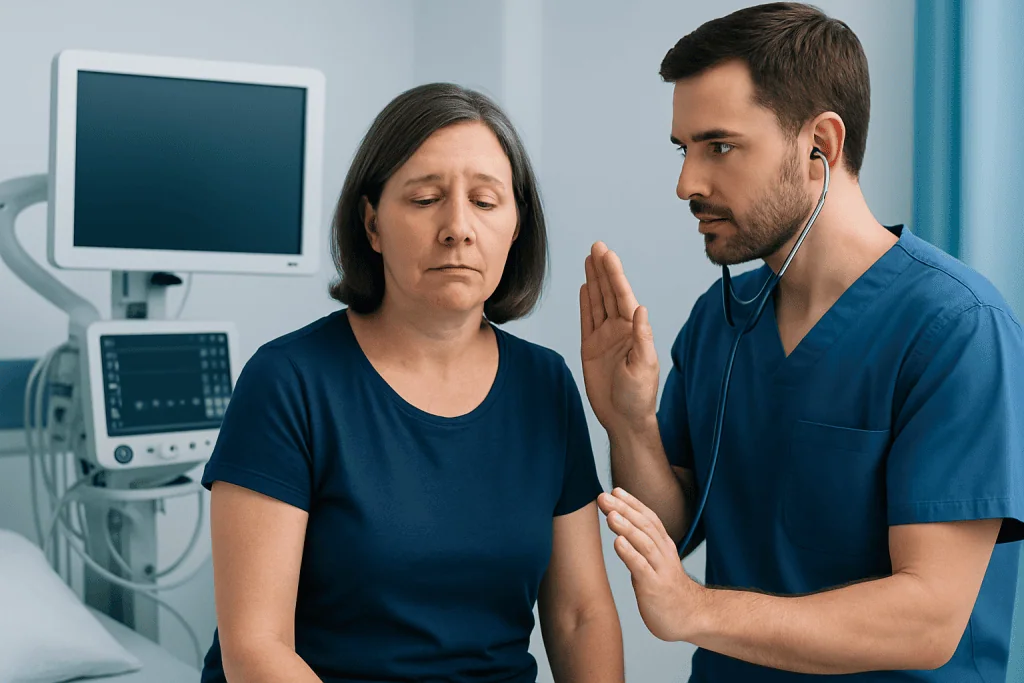
FAST is a simple way to remember the most common stroke warning signs. It stands for Face, Arms, Speech and Time. If any one of these signs is present, emergency medical services should be called immediately, even if the symptom improves or disappears.
- Face: Ask the person to smile. One side of the face may droop, feel numb or look uneven.
- Arms: Ask the person to raise both arms. One arm may drift downward, feel weak or be difficult to lift.
- Speech: Ask the person to repeat a simple sentence. Speech may be slurred, unclear, confused or difficult to produce.
- Time: Call local emergency services right away. Note the time symptoms first appeared or when the person was last known to be well.
FAST does not capture every possible stroke symptom, but it helps families and bystanders act quickly. A person does not need to have all FAST signs to be having a stroke. Even one sudden sign is enough reason to seek emergency help.
Other Stroke Symptoms to Recognize

Stroke symptoms often begin suddenly. In addition to face drooping, arm weakness and speech problems, a stroke may cause weakness or numbness in one leg, one side of the body or both limbs on one side. Some people experience confusion, trouble understanding what others are saying, difficulty finding words or a sudden change in awareness.
Vision symptoms can include blurred vision, double vision or loss of vision in one or both eyes. Balance and coordination may also be affected, causing dizziness, trouble walking, loss of coordination or an unexplained fall. A sudden severe headache, especially if unusual for the person, may occur with certain types of stroke and should be treated urgently.
Symptoms can look different depending on the part of the brain affected. Some people may be unable to describe what they feel, while others may seem unusually quiet, disoriented or sleepy. For this reason, family members, friends and colleagues play an important role in recognizing sudden changes and calling for help.
Causes and Risk Factors
Ischemic stroke is most often related to a clot that blocks blood flow to the brain. A clot may form in a narrowed artery in the neck or brain, or it may travel from the heart to the brain. Certain heart rhythm problems, especially atrial fibrillation, can increase the chance of clot formation. Hemorrhagic stroke may be linked to long-standing high blood pressure, weakened blood vessel walls, aneurysms, blood-thinning medicines or vascular malformations.
Some risk factors cannot be changed, such as age, family history and a previous stroke or TIA. However, many stroke risks can be reduced with medical care and lifestyle changes. High blood pressure is one of the most important controllable risk factors. Diabetes, high cholesterol, smoking, physical inactivity, unhealthy diet, excessive alcohol use and untreated sleep apnea may also increase risk.
Risk can also be affected by certain medical conditions, medications or pregnancy-related complications. People with known vascular disease, heart disease or a history of blood clots should follow their doctor’s advice about monitoring and prevention. Regular check-ups help identify risk factors before symptoms occur.
Diagnosis in the Emergency Department
When a person arrives with suspected stroke symptoms, the medical team works quickly to confirm the diagnosis, identify the stroke type and determine when symptoms began. This usually includes a neurological examination to assess speech, vision, strength, sensation, coordination and level of alertness. The team may ask witnesses when the person was last seen well, because treatment decisions often depend on timing.
Brain imaging is essential. A CT scan is commonly used first because it can quickly show bleeding and other urgent problems. MRI may provide more detailed information in selected situations. Imaging of the blood vessels, such as CT angiography, MR angiography or ultrasound, may be used to look for blockages or narrowing in the arteries of the head and neck.
Blood tests, heart rhythm monitoring and an electrocardiogram may help identify contributing conditions, such as abnormal clotting, low or high blood sugar, infection, heart attack or atrial fibrillation. These tests guide safe treatment and help doctors plan prevention after the emergency phase.
Emergency Treatment Options
Treatment depends on whether the stroke is ischemic or hemorrhagic. For ischemic stroke, doctors may consider clot-dissolving medication for eligible patients within a limited time window. Some patients with a large vessel blockage may benefit from an endovascular procedure called mechanical thrombectomy, in which specialists use thin catheters to remove a clot from a brain artery.
For hemorrhagic stroke, treatment focuses on controlling bleeding, reducing pressure in the brain, managing blood pressure and reversing the effects of certain blood-thinning medicines when appropriate. In some cases, neurosurgical or endovascular procedures may be needed to treat an aneurysm, remove blood or relieve pressure. Intensive monitoring may be required to protect breathing, circulation and brain function.
After the emergency stage, rehabilitation often begins as soon as it is safe. Recovery may involve physiotherapy, occupational therapy, speech and swallowing therapy, neuropsychology and medical follow-up. Rehabilitation is tailored to the person’s needs and may continue for weeks or months, with goals that include mobility, communication, self-care, safe swallowing and return to daily activities.
Prevention, Self-Care and When to See a Doctor
Stroke prevention begins with managing personal risk factors. People should work with a qualified doctor to monitor blood pressure, blood sugar, cholesterol and heart rhythm when indicated. Prescribed medicines, such as blood pressure treatment, cholesterol-lowering therapy, diabetes medication or blood thinners, should be taken exactly as directed and not stopped without medical advice.
Healthy daily habits can support blood vessel and heart health. A balanced diet rich in vegetables, fruits, whole grains, legumes, fish and unsaturated fats; regular physical activity; avoiding tobacco; limiting alcohol; maintaining a healthy weight; and treating sleep apnea can all contribute to lower risk. People who have had a TIA or stroke need a structured prevention plan because their future risk may be higher.
A person should call emergency services immediately for any sudden stroke symptom, even if it lasts only a few minutes. They should not drive themselves or wait for a clinic appointment. If the person is unconscious, having trouble breathing, cannot swallow safely or is rapidly worsening, emergency responders can begin care and transport to the most appropriate facility.
International patients seeking evaluation or follow-up for stroke risk, stroke treatment or rehabilitation may be assessed by multidisciplinary specialists at Acibadem International’s JCI-accredited hospitals. Care is planned according to the patient’s diagnosis, overall health and medical needs.
Frequently asked questions
What are the first signs of a stroke?
The first signs are often sudden face drooping, arm weakness or speech difficulty. Other signs can include numbness on one side of the body, confusion, vision changes, dizziness, trouble walking or a sudden severe headache. Any sudden neurological symptom should be treated as an emergency.
What does FAST mean for stroke symptoms?
FAST stands for Face drooping, Arm weakness, Speech difficulty and Time to call emergency services. It is a quick screening tool for common stroke warning signs. A person does not need to show all FAST signs to need urgent care.
Can stroke symptoms come and go?
Yes. Symptoms that improve or disappear may be caused by a transient ischemic attack, or TIA. A TIA is a warning sign and still requires urgent medical evaluation because it can be followed by a major stroke.
Should someone drive to hospital if they suspect a stroke?
No. The safest action is to call local emergency services immediately. Emergency responders can assess the person, begin supportive care and take them to an appropriate stroke-capable hospital.
How is a stroke treated in the hospital?
Treatment depends on the stroke type and the person’s condition. Ischemic stroke may be treated with clot-dissolving medicine or clot removal procedures in selected patients, while hemorrhagic stroke may require blood pressure control, reversal of blood thinners, intensive monitoring or surgery. Imaging tests guide these decisions.
What is the difference between ischemic and hemorrhagic stroke?
An ischemic stroke is caused by a blockage in a blood vessel supplying the brain. A hemorrhagic stroke is caused by bleeding in or around the brain. Because treatments are different, doctors use brain imaging to identify the type before choosing therapy.
Can stroke be prevented?
Many strokes can be prevented by controlling blood pressure, diabetes, cholesterol and heart rhythm problems, and by avoiding smoking. Regular physical activity, a heart-healthy diet, healthy weight management and following prescribed treatment plans also reduce risk. People with previous stroke or TIA should have a personalized prevention plan with their doctor.
References
- World Health Organization
- American Stroke Association
- Centers for Disease Control and Prevention
- National Institute of Neurological Disorders and Stroke
- European Stroke Organisation
This article is for general information only and is not a substitute for professional medical advice. Please consult a qualified doctor about your individual situation.
Explore treatments in Turkey — costs, top hospitals & a free quote
JCI-accredited · board-certified surgeons · reply within 24h
Add us as a Preferred Source to see more of our trusted health content across Google Search, AI Overviews and Discover.
Check your numbers in seconds
BMI, calories, due date, blood pressure and 30+ more clinical calculators — free, instant, doctor-reviewed ranges.

More from the Health Library



Related Specialists
Fzt. Perihan Yıldız
Physical Medicine & Rehabilitation
Dr. Ferhat Oto
Internal Medicine
Dr. Alaaddin Zirek
Ear Nose & Throat
Dr. Berhan Bayram
Orthopedic Surgery & Traumatology