Stroke Thrombectomy Recovery: What to Expect After Clot Removal
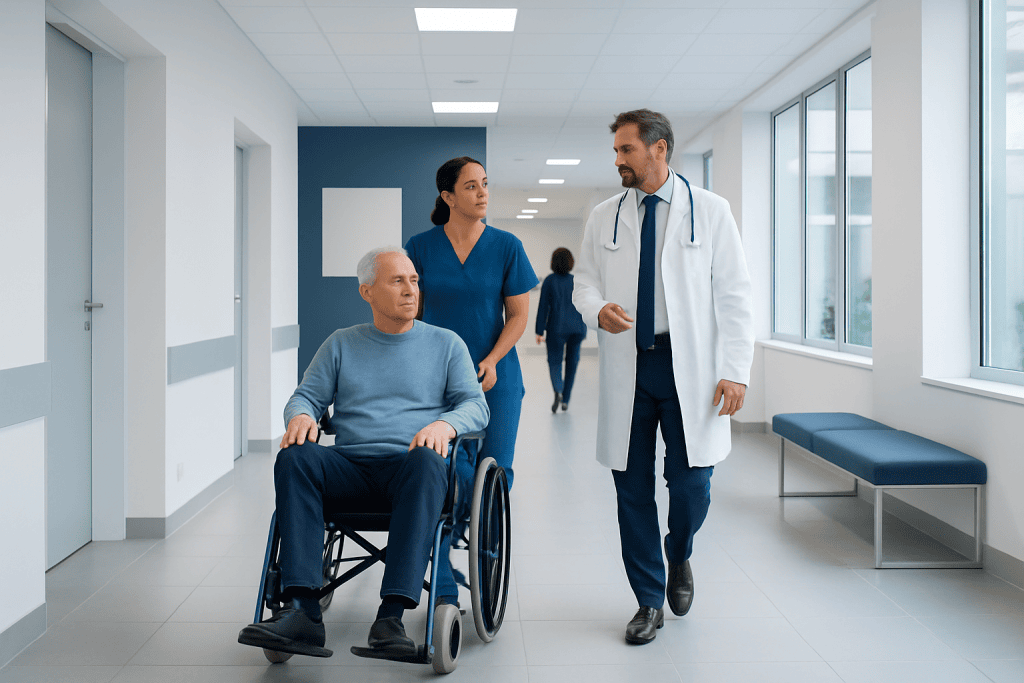
Recovery after stroke thrombectomy is different for each person and depends on the size and location of the stroke, how quickly treatment was given, and overall health. The first 24 to 48 hours are focused on monitoring the brain, blood pressure, swallowing, movement, and possible complications.
Key Takeaways
- Recovery after stroke thrombectomy is different for each person and depends on the size and location of the stroke, how quickly treatment was given, and overall health.
- The first 24 to 48 hours are focused on monitoring the brain, blood pressure, swallowing, movement, and possible complications.
- Rehabilitation often starts early and may include physical, occupational, and speech therapy.
- Improvement can continue for months, especially with consistent therapy, risk-factor control, and follow-up care.
- Urgent medical attention is needed if new stroke symptoms, severe headache, confusion, breathing trouble, or sudden weakness appear after discharge.
Stroke thrombectomy recovery begins immediately after the clot is removed and continues over weeks to months. Progress varies from person to person, but careful hospital care, rehabilitation, and follow-up can support the best possible recovery.
Overview
Stroke thrombectomy is a procedure used to remove a blood clot from an artery in the brain during an ischemic stroke. It is most often performed for a large vessel blockage, where restoring blood flow quickly can help protect brain tissue and improve the chance of recovery. The procedure is usually done by a specialist using a catheter passed through a blood vessel to reach and remove the clot.
Recovery after thrombectomy does not end when the clot is removed. Although the procedure can reopen the blocked artery, the brain still needs time to heal from the stroke itself. Some people notice improvement soon after treatment, while others recover more gradually over weeks or months. The pace depends on how much brain tissue was affected, how quickly circulation was restored, and whether other medical conditions are present.
Doctors usually describe recovery in phases. The earliest phase is hospital monitoring and stabilization. This is followed by rehabilitation, where the focus shifts to regaining strength, mobility, speech, thinking, and independence. Longer-term recovery includes prevention of another stroke through medicines, lifestyle changes, and treatment of underlying conditions such as high blood pressure or atrial fibrillation.
What Happens Right After the Procedure
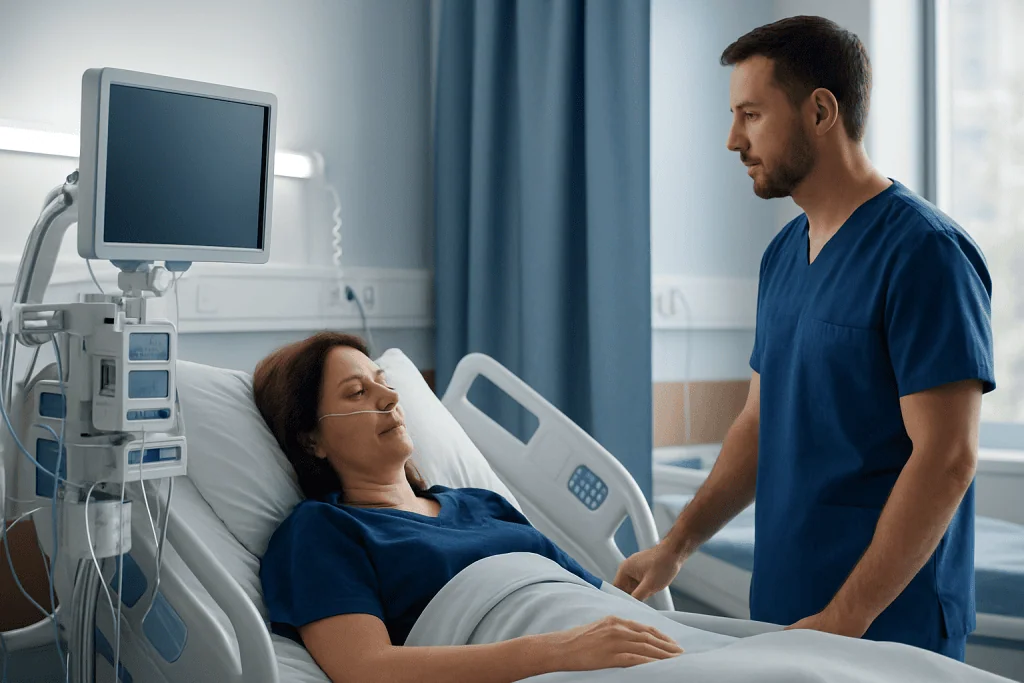
After thrombectomy, the patient is moved to a stroke unit or intensive care setting for close observation. The care team watches blood pressure, heart rhythm, oxygen levels, and neurological status. Repeat brain imaging may be done to check blood flow and look for swelling or bleeding. Even when the procedure goes well, this careful monitoring is important because the first day or two can affect recovery.
It is common for doctors and nurses to perform frequent neurological checks. They may ask the patient to speak, smile, lift the arms or legs, follow simple commands, or answer questions. These checks help identify improvement or any new problem early. The insertion site, often in the groin or wrist, is also monitored for bleeding, bruising, or swelling.
During this period, the team may also assess swallowing, bladder function, nutrition, and the ability to move safely. Some patients can sit up, drink, or start gentle therapy soon after the procedure, while others need more support. This early stage can feel uncertain, but it helps guide the next steps in treatment and recovery.
Common Symptoms During Recovery

Symptoms after stroke thrombectomy can vary widely. Some people recover with mild problems, while others have more noticeable effects from the stroke. Common symptoms may include weakness on one side of the body, numbness, trouble speaking, facial droop, fatigue, poor balance, vision changes, difficulty swallowing, or changes in attention and memory. These symptoms reflect the area of the brain that was affected rather than the thrombectomy itself.
Fatigue is especially common after stroke. A person may feel physically tired, mentally slow, or easily overwhelmed, even when outward recovery seems good. Emotional changes can also occur. Anxiety, frustration, irritability, and low mood are not unusual during the healing process and may improve with support, rest, therapy, and discussion with the care team.
Some symptoms improve quickly in the first days after blood flow is restored, especially if treatment was given promptly. Others improve more slowly as the brain adapts. In some cases, certain deficits may remain long term. For many patients, rehabilitation helps the brain build new pathways and improve day-to-day function after stroke.
What Affects Recovery Time
There is no single timeline for stroke thrombectomy recovery. The most important factors include how quickly the artery was reopened, the size and location of the clot, the amount of brain tissue already injured, age, preexisting health conditions, and whether there were complications such as brain swelling or bleeding. People treated earlier after symptom onset often have a better chance of meaningful recovery, but later improvement is still possible.
The cause of the stroke also matters. A clot related to atrial fibrillation, carotid artery disease, or other circulation problems may require different follow-up and prevention strategies. Conditions such as diabetes, heart disease, kidney disease, sleep apnea, or previous strokes can also make recovery more complex. Doctors often investigate the underlying cause after thrombectomy to reduce the chance of a future event.
Another important factor is the starting level of function before the stroke. Someone who was fully independent before the event may recover differently from someone who already had mobility or cognitive limitations. Motivation, family support, access to rehabilitation, and treatment of risk factors also play an important role in longer-term outcomes.
Rehabilitation and Follow-Up Care
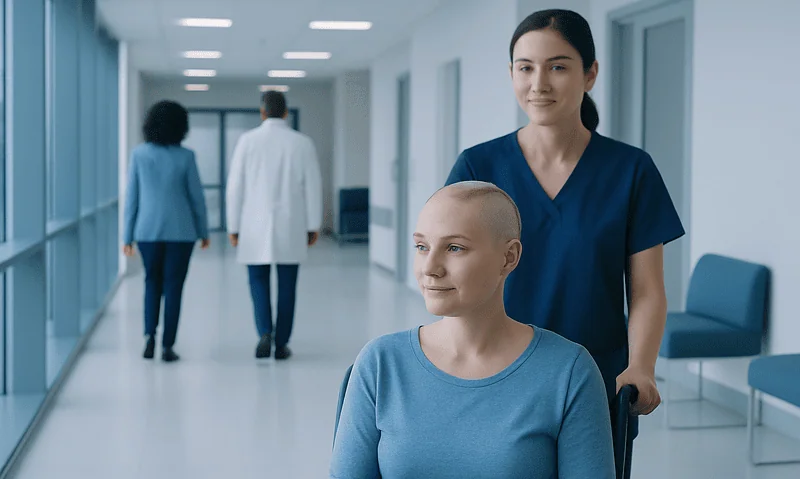
Rehabilitation often begins early, sometimes within the first day or two if the patient is medically stable. The type of therapy depends on the person’s needs. Physical therapy helps with walking, balance, transfers, and strength. Occupational therapy focuses on daily activities such as dressing, bathing, eating, and hand use. Speech and language therapy may support communication, swallowing, and thinking skills.
Some patients return home with outpatient therapy, while others benefit from inpatient rehabilitation or home-based services. The decision depends on the severity of symptoms, home support, and safety needs. Recovery may continue for months, especially when therapy is regular and goals are realistic. Follow-up appointments commonly include neurological assessment, repeat imaging when needed, and review of medicines and risk factors. In some cases, doctors may recommend stroke rehabilitation as a structured part of recovery planning.
Medicines are usually an important part of care after thrombectomy. Depending on the cause of the stroke, treatment may include antiplatelet drugs, anticoagulants, cholesterol-lowering medicines, and blood pressure management. If swallowing is affected, diet changes or temporary feeding support may be needed. When speech, mobility, or cognition remain affected, continued therapy can still provide meaningful gains over time.
Preventing Another Stroke and Supporting Healing at Home
Recovery is not only about regaining function. It is also about reducing the risk of another stroke. This usually means taking prescribed medicines consistently, attending follow-up visits, and treating conditions that contributed to the clot. Common targets include high blood pressure, high cholesterol, diabetes, smoking, obesity, heart rhythm disorders, and lack of physical activity.
At home, practical steps can make recovery safer and easier. These may include removing trip hazards, using mobility aids if recommended, setting reminders for medicines, and allowing time for rest. Healthy meals, adequate hydration, and gradual physical activity within the care team’s advice can support healing. Family members and caregivers often play an important role in transportation, communication, and emotional support.
Self-care is also important for mood and mental recovery. Many patients feel discouraged if improvement seems slow. Small gains can add up over time, and setbacks such as tiredness or temporary plateaus are common. If there are concerns about depression, sleep problems, or memory changes, these should be discussed with a doctor because treatment and support are available. In selected cases, specialists may also evaluate related vascular issues and discuss options such as treatment for carotid artery disease when this is relevant to stroke prevention.
When to Seek Medical Attention
After discharge, urgent medical attention is needed if any possible stroke symptoms return or new symptoms appear. Warning signs include sudden weakness or numbness, especially on one side of the body, new speech difficulty, confusion, sudden vision loss, severe dizziness, or trouble walking. A sudden severe headache, repeated vomiting, fainting, or seizure-like activity also needs immediate evaluation.
Patients should also contact their care team if there is bleeding from the catheter insertion site, increasing swelling or pain there, fever, chest pain, shortness of breath, or trouble taking prescribed medicines. If swallowing becomes harder, if coughing happens during meals, or if dehydration is suspected, medical advice is important to help avoid complications.
Follow-up care should not be delayed simply because symptoms seem mild. Early review can identify treatable problems and support safer recovery. For international patients who need coordinated evaluation and aftercare, Acibadem International’s multidisciplinary specialists in JCI-accredited hospitals diagnose and treat stroke-related conditions, including advanced interventional neuroradiology procedures when appropriate.
Frequently asked questions
How long does stroke thrombectomy recovery take?
Recovery time varies widely. Some people improve noticeably in days, while others need weeks or months of rehabilitation. The timeline depends on the severity of the stroke, how quickly blood flow was restored, and the person’s overall health.
Is it normal to feel very tired after thrombectomy?
Yes. Fatigue is very common after a stroke, even when the procedure itself was successful. The brain and body use a great deal of energy during healing, so rest and a gradual return to activity are often needed.
Does thrombectomy reverse all stroke symptoms?
Not always. Thrombectomy can restore blood flow and improve the chance of recovery, but it cannot always reverse brain injury that has already happened. Some symptoms may improve quickly, while others need rehabilitation or may persist long term.
When can a person go home after a stroke thrombectomy?
The hospital stay depends on neurological recovery, swallowing safety, blood pressure control, and any complications. Some patients go home within a few days, while others move to a rehabilitation facility first. The care team decides based on safety and support needs.
What kind of therapy is needed after thrombectomy?
Many patients benefit from physical therapy, occupational therapy, or speech and language therapy. The exact plan depends on whether the stroke affected movement, balance, communication, swallowing, or thinking. Therapy often starts early and may continue after discharge.
Can another stroke happen after thrombectomy?
Yes, so prevention is an important part of recovery. Doctors usually prescribe medicines and recommend treatment for underlying causes such as high blood pressure, atrial fibrillation, diabetes, or carotid artery disease. Following the care plan can help lower future risk.
References
- World Stroke Organization
- American Stroke Association
- National Institute of Neurological Disorders and Stroke
- European Stroke Organisation
- Centers for Disease Control and Prevention
This article is for general information only and is not a substitute for professional medical advice. Please consult a qualified doctor about your individual situation.
Explore treatments in Turkey — costs, top hospitals & a free quote
JCI-accredited · board-certified surgeons · reply within 24h
Add us as a Preferred Source to see more of our trusted health content across Google Search, AI Overviews and Discover.
Check your numbers in seconds
BMI, calories, due date, blood pressure and 30+ more clinical calculators — free, instant, doctor-reviewed ranges.

Neurosurgery
Surgical treatment of the brain, spine and nervous system, including minimally invasive and functional procedures.
72 specialists in this unitMore from the Health Library

Related Specialists
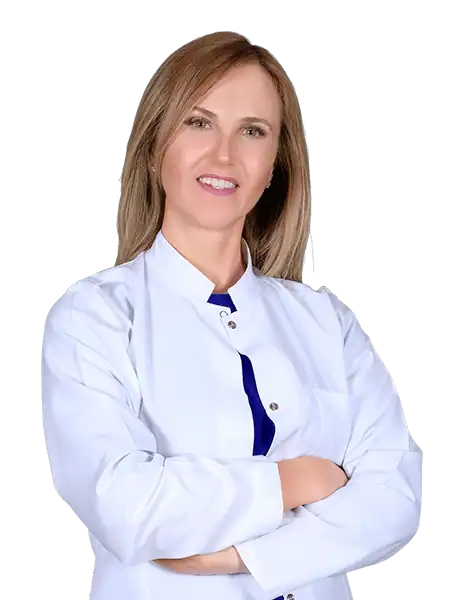
Dr. Nilgün Çavdar
Physical Medicine & Rehabilitation
Yağız Meteoğlu
Physical Medicine & Rehabilitation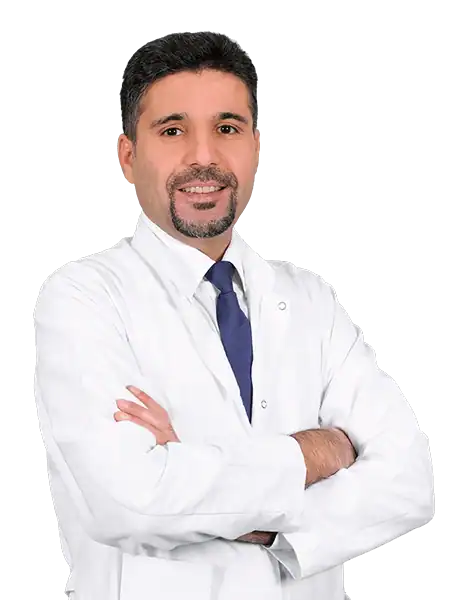
Dr. Aziz Pak
Emergency Service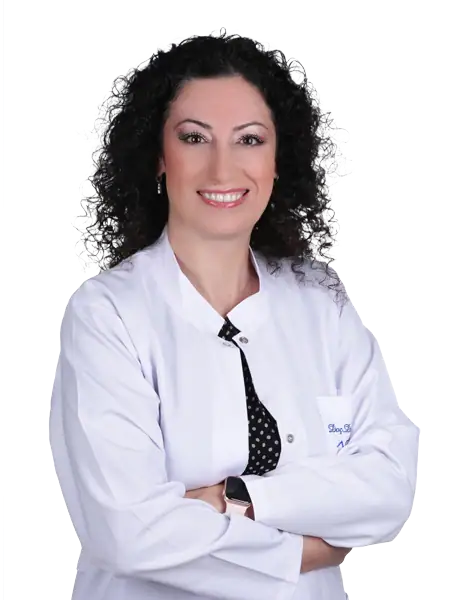
Assoc. Prof. Dr. Emine Şatır
Gastroenterology