Stromal Tumor — Explained by Medical Evidence, Not Myths
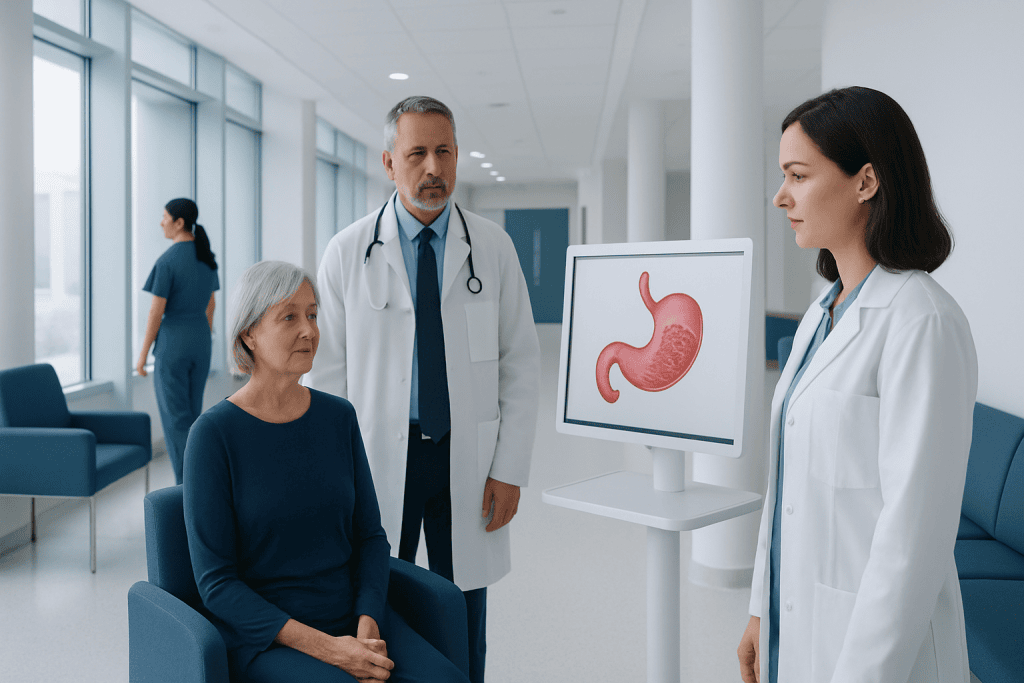
Stromal tumor is a broad term, not a single disease. These tumors arise from supportive tissue and can occur in different organs, especially the digestive tract and reproductive organs.
Key Takeaways
- Stromal tumor is a broad term, not a single disease.
- These tumors arise from supportive tissue and can occur in different organs, especially the digestive tract and reproductive organs.
- Symptoms vary by location and may be absent at first.
- Imaging, pathology, and sometimes molecular testing help confirm the diagnosis.
- Treatment may include monitoring, surgery, targeted therapy, or other cancer care depending on the tumor type.
- Prompt medical evaluation is important for persistent pain, bleeding, or a newly found mass.
A stromal tumor is a growth that starts in the body's supportive or connective tissue rather than in the lining of an organ. Some stromal tumors are benign, while others can behave like cancer, so diagnosis focuses on identifying the exact type, location, and biological features of the tumor.
What is a stromal tumor?
A stromal tumor is a growth that develops in the supportive framework of a tissue or organ, called the stroma. This framework includes connective tissue, blood vessels, and specialized support cells that help organs keep their structure and function. Because many organs contain stromal tissue, the term stromal tumor does not describe one single disease.
Some stromal tumors are noncancerous and grow slowly. Others are malignant, meaning they can invade nearby tissue or spread to other parts of the body. The best-known example is a gastrointestinal stromal tumor, often called GIST, which begins in the wall of the digestive tract. Stromal tumors can also arise in organs such as the ovary, uterus, breast, and prostate.
Medical evidence shows that understanding the exact tumor type matters more than relying on myths or general assumptions. Two people may both be told they have a stromal tumor, yet their prognosis and treatment can differ greatly depending on where the tumor started, how the cells look under a microscope, and whether specific gene changes are present.
Types of stromal tumors and where they can occur
Doctors classify stromal tumors by the organ they come from and by the type of support cell involved. In the digestive system, GIST is the most recognized type. It usually starts in the stomach or small intestine but can occur anywhere along the gastrointestinal tract. These tumors are often evaluated for changes in genes such as KIT or PDGFRA because those findings may guide treatment.
In gynecology, ovarian sex cord-stromal tumors and endometrial stromal tumors are separate conditions with their own behavior and management. In the breast, stromal tumors may include fibroepithelial lesions such as phyllodes tumors. In the prostate and other organs, stromal tumors are less common but still possible. This is why pathology results are central to making the diagnosis clear.
Rather than assuming that all stromal tumors are aggressive, specialists assess several features:
- The tumor’s exact site of origin
- Its size and growth pattern
- Whether it is benign, borderline, or malignant
- How active the cells are under the microscope
- Whether molecular or genetic markers are present
This careful classification helps shape an individualized care plan and avoids overgeneralizing a broad medical term.
Symptoms of a stromal tumor

Symptoms depend mostly on the tumor’s location, size, and whether it presses on nearby structures. Some stromal tumors cause no symptoms at all and are found by chance during imaging, endoscopy, surgery, or routine examinations. Others become noticeable only after they enlarge or bleed.
When a stromal tumor affects the digestive tract, possible symptoms may include abdominal discomfort, a feeling of fullness, nausea, vomiting, black stools, blood loss, fatigue related to anemia, or an abdominal mass. In the uterus or ovaries, symptoms may include pelvic pain, bloating, abnormal bleeding, or menstrual changes. In the breast, a person may notice a lump or a rapidly growing mass.
Symptoms that deserve attention include:
- Persistent or unexplained abdominal or pelvic pain
- Ongoing bloating or early fullness after eating
- Unexplained bleeding, including black stools or abnormal vaginal bleeding
- A new lump or swelling that does not go away
- Fatigue, weakness, or symptoms of anemia
- Unintended weight loss
These symptoms are not specific to stromal tumors and can occur with many other conditions. Still, persistent or worsening symptoms should be discussed with a doctor so that serious causes can be ruled out.
Causes, risk factors, and common myths
In many cases, the exact cause of a stromal tumor is not known. Researchers do know that some tumors are linked to changes in certain genes or cell signaling pathways. For example, many GISTs are associated with mutations in KIT or PDGFRA, which can make cells grow in an uncontrolled way. These changes are usually acquired in the tumor cells and are not necessarily inherited.
Risk factors vary by tumor type. Age can play a role, as some stromal tumors are more common in adults and older adults. Rare inherited syndromes may increase risk in selected cases. Hormonal influences may matter for some gynecologic stromal tumors, while family history is important only in certain uncommon settings.
Several myths can create confusion. A stromal tumor is not automatically cancer, and it is not always caused by lifestyle choices, injury, or stress. Another misconception is that a small tumor is always harmless; in reality, even small tumors may need expert evaluation if they have high-risk features. Likewise, a larger tumor is not always the same as advanced spread, because behavior depends on pathology as well as size.
Evidence-based care focuses on what can actually be measured: tissue type, location, stage if relevant, molecular findings, and the person’s overall health. This approach helps avoid both unnecessary alarm and false reassurance.
How doctors diagnose a stromal tumor
Diagnosis usually begins with a medical history, symptom review, and physical examination. The next step depends on where the tumor may be located. Doctors may use ultrasound, CT, MRI, endoscopy, or other imaging tests to define the mass and understand how it relates to nearby structures.
Imaging alone often cannot confirm the exact tumor type. In many cases, a biopsy or surgical specimen is needed so a pathologist can examine the cells under a microscope. Special tests called immunohistochemistry and molecular analysis may be used to identify markers that support the diagnosis and help guide treatment. For suspected GIST, these tests are especially important because they may predict response to targeted medicines.
Diagnostic workup may include:
- Blood tests to check for anemia or general health status
- Ultrasound, CT, or MRI scans
- Endoscopy for tumors in the digestive tract
- Biopsy when it is safe and appropriate
- Pathology review and molecular testing
Because stromal tumors are a diverse group, diagnosis is often best handled by a multidisciplinary team that includes radiologists, pathologists, surgeons, and medical specialists. In selected cases, people may benefit from care at a center with experience in rare or complex tumors.
Treatment options for stromal tumor
Treatment depends on the tumor type, its location, whether it is benign or malignant, and whether it has spread. Some small, clearly benign lesions may only need monitoring. Others require surgery, especially if they are causing symptoms, growing, or suspected to be cancerous.
For localized tumors, surgery is often the main treatment. The goal is usually complete removal while preserving as much normal tissue and organ function as possible. Depending on the case, treatment planning may also involve surgical oncology expertise, especially when the tumor is in a challenging location or when cancer is suspected.
For GIST and certain other stromal tumors, targeted therapy may be used before or after surgery, or for disease that cannot be removed completely. These medicines are different from standard chemotherapy because they act on specific molecular pathways in the tumor. When broader cancer care is needed, patients may be assessed within a specialized medical oncology program, and some cases also benefit from radiation oncology depending on tumor type and location.
Follow-up care is an important part of treatment. Doctors may recommend periodic imaging, exams, or lab tests to watch for recurrence, monitor response, and manage side effects. Near the end of the care pathway, some international patients seek evaluation at centers such as Acibadem International, where multidisciplinary specialists in JCI-accredited hospitals diagnose and treat complex stromal tumors.
Living with a stromal tumor: self-care and follow-up
Self-care does not replace medical treatment, but it can support overall well-being during diagnosis, treatment, and recovery. People living with a stromal tumor often benefit from keeping a clear record of symptoms, test results, medications, and upcoming appointments. This can make discussions with the care team easier and more productive.
General healthy habits may help the body cope with treatment and recovery. These include eating balanced meals as tolerated, staying active within personal limits, managing stress, and getting enough rest. If the tumor affects digestion or appetite, a doctor or dietitian may suggest practical adjustments based on symptoms.
Useful follow-up habits include:
- Attending all scheduled imaging and clinic visits
- Reporting new pain, bleeding, swelling, or fatigue promptly
- Asking whether family history or genetic counseling is relevant
- Discussing fertility, hormonal, or reproductive concerns when appropriate
- Seeking emotional support if anxiety or uncertainty becomes difficult
Regular follow-up is especially important after surgery or cancer treatment because some stromal tumors can return. The schedule varies, so the safest plan is the one tailored by the treating team.
When to seek medical care
A person should seek medical care if they develop persistent symptoms such as unexplained abdominal pain, bloating, abnormal bleeding, black stools, a new lump, or unusual fatigue. These symptoms do not prove that a stromal tumor is present, but they do deserve evaluation, especially if they last more than a short time or are getting worse.
Urgent medical attention is important for heavy bleeding, severe pain, vomiting that prevents eating or drinking, fainting, or signs of bowel obstruction. Anyone who has already been diagnosed with a stromal tumor should contact their doctor promptly if new symptoms appear between follow-up visits.
People who have been told they may have a soft tissue or connective tissue growth sometimes also need assessment for related conditions. Depending on the findings, doctors may consider whether the lesion overlaps with a sarcoma or another more specific diagnosis. Early specialist review can help clarify the diagnosis and support appropriate treatment choices.
Frequently asked questions
Is a stromal tumor always cancer?
No. Stromal tumor is a broad term, and some stromal tumors are benign while others are malignant. The pathology report, tumor location, and biological features determine how serious it is and what treatment is needed.
What is the difference between a stromal tumor and a gastrointestinal stromal tumor?
A stromal tumor can arise in many organs because supportive tissue exists throughout the body. A gastrointestinal stromal tumor, or GIST, is one specific type that begins in the wall of the digestive tract.
Can a stromal tumor cause no symptoms?
Yes. Some stromal tumors are found incidentally during scans, endoscopy, surgery, or routine exams for unrelated reasons. Symptoms often appear only when the tumor grows, bleeds, or presses on nearby structures.
How is a stromal tumor confirmed?
Doctors usually use imaging to locate and describe the mass, but confirmation often requires tissue analysis. A biopsy or surgical specimen allows a pathologist to identify the tumor type and perform special marker or molecular tests if needed.
What treatments are used for stromal tumors?
Treatment may include observation, surgery, targeted therapy, and in some cases other forms of cancer treatment. The right option depends on where the tumor is, whether it is benign or malignant, and whether it has spread.
Are stromal tumors hereditary?
Most are not inherited. However, a small number are associated with rare genetic syndromes, so a doctor may ask about family history and consider genetic counseling in selected cases.
References
- World Health Organization
- National Cancer Institute
- American Cancer Society
- National Comprehensive Cancer Network
- European Society for Medical Oncology
This article is for general information only and is not a substitute for professional medical advice. Please consult a qualified doctor about your individual situation.
Oncology care in Turkey — second opinion and treatment plan
JCI-accredited · board-certified surgeons · reply within 24h
Add us as a Preferred Source to see more of our trusted health content across Google Search, AI Overviews and Discover.