Stucco Keratosis Treatment: How It Works, Results and What to Expect

Stucco keratosis is a harmless form of seborrheic keratosis that commonly appears on the ankles, feet and lower legs. Treatment is not medically necessary unless lesions cause symptoms, cosmetic concern, repeated irritation, or diagnostic uncertainty.
Key Takeaways
- Stucco keratosis is a harmless form of seborrheic keratosis that commonly appears on the ankles, feet and lower legs.
- Treatment is not medically necessary unless lesions cause symptoms, cosmetic concern, repeated irritation, or diagnostic uncertainty.
- Cryotherapy and curettage are common removal options, chosen according to lesion size, location, skin type and personal preferences.
- Most treated areas heal within about one to three weeks, although pigment changes may take longer to settle.
- New lesions may develop over time because treatment removes existing growths but does not prevent the tendency to form them.
Stucco keratosis treatment is usually optional because these small, rough growths are benign. When lesions are bothersome, catch on clothing, or the diagnosis is uncertain, a dermatologist can remove them using methods such as cryotherapy, curettage, or electrosurgery.
Overview: What Is Stucco Keratosis Treatment?
Stucco keratosis treatment removes individual benign skin growths rather than curing an underlying disease. The growths are typically small, white, gray, tan, or skin-colored bumps with a dry, rough, stuck-on surface. They are a type of seborrheic keratosis and are most often found on the lower legs, ankles, and tops of the feet.
Many people do not need treatment. A dermatologist may recommend observation when lesions have a typical appearance and do not itch, bleed, catch on socks, or cause distress. Removal can be considered for comfort, appearance, recurrent rubbing, or when a clinician needs to confirm that a spot is not another skin condition.
It is important not to try to cut, burn, scrape, or freeze suspected stucco keratoses at home. Several conditions can resemble benign keratoses, including warts and, less commonly, skin cancers. A clinical assessment helps ensure that the right lesion receives the right care.
What Gets Rid of Stucco Keratosis?
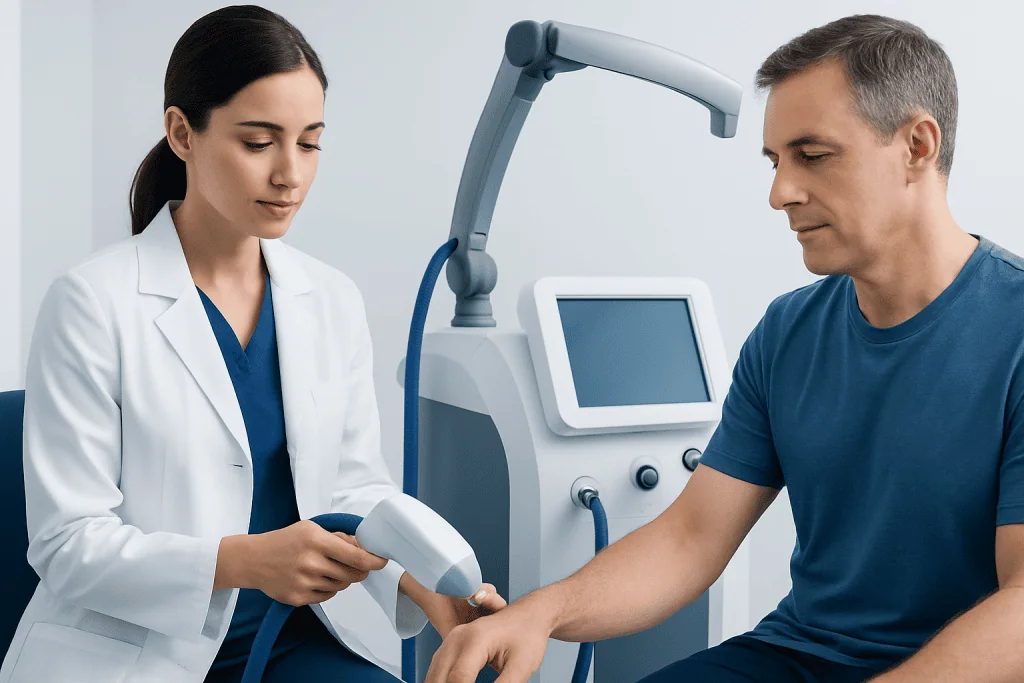
The most reliable way to get rid of an individual stucco keratosis is dermatologist-directed removal. Common options include cryotherapy, which freezes the lesion with liquid nitrogen; curettage, which gently scrapes the lesion after the area is numbed; and electrosurgery, which uses controlled electrical energy to remove or destroy superficial tissue. The most suitable method depends on the lesion, its location, the person’s skin type, and the desired balance of effectiveness and healing considerations.
For thin or superficial lesions, gentle removal with a curette may be effective. Cryotherapy is widely used and convenient, but it can cause temporary blistering and may leave lighter or darker skin after healing. Electrosurgery may be used alone or with curettage for selected lesions, particularly where a clinician wants precise treatment of the surface growth.
Topical creams, exfoliating products, and moisturizers may soften dry surrounding skin, but they do not reliably remove established stucco keratoses. Strong acids and over-the-counter wart treatments can irritate healthy skin and should not be used without professional guidance. If a lesion is uncertain or changing, a small biopsy may be performed before or during removal.
Who May Be a Candidate for Removal?

People may be candidates for removal when lesions itch, become irritated by footwear or clothing, bleed after repeated trauma, or are cosmetically bothersome. Treatment can also be appropriate when a lesion looks different from the person’s other spots or cannot confidently be identified through examination alone.
Before recommending a procedure, the dermatologist will consider the number of lesions, their thickness, skin color, prior scarring or pigment changes, healing ability, medications, and medical conditions. People using blood-thinning medicines, living with diabetes, having poor circulation, or having a history of delayed wound healing should mention this during the consultation. These factors do not always prevent treatment, but they may affect the technique and aftercare plan.
Because stucco keratosis is benign, there is usually time to discuss whether removal is worthwhile. A clinician can explain the likely cosmetic result as well as the possibility that new growths may appear elsewhere later in life.
How the Procedure Works: Step by Step
Removal is usually an outpatient dermatology procedure. First, the clinician examines the lesions and reviews symptoms, skin history, medications, allergies, and previous reactions to procedures. Dermoscopy, a magnified skin examination, may help distinguish a typical keratosis from other growths. If there is uncertainty, tissue may be sent for laboratory examination.
For cryotherapy, liquid nitrogen is applied briefly to the lesion using a spray device or cotton-tipped applicator. The area may sting or burn during treatment, then become red, swollen, or blistered over the following day or two. The frozen lesion gradually dries, crusts, and separates as the skin heals.
For curettage or electrosurgery, a local anesthetic is often injected or applied to numb the area. The clinician removes the raised lesion with a small instrument and may use heat or electrical current to control minor bleeding and treat remaining superficial tissue. A simple dressing may be placed afterward. The procedure is generally brief, although treating many lesions can take longer.
Dermatology teams can also assess other common skin growths and symptoms as part of a broader skin evaluation. Acibadem International’s multidisciplinary specialists and JCI-accredited hospitals provide dermatologic assessment and treatment planning for international patients.
Benefits, Risks and How Painful Keratosis Removal Is
The main benefit of removal is that a treated lesion is usually eliminated or noticeably flattened. This can reduce rubbing, improve comfort in shoes or socks, and address cosmetic concerns. A second benefit is diagnostic reassurance when a dermatologist evaluates a spot that does not look clearly typical.
Keratosis removal is usually well tolerated. Cryotherapy commonly causes a short, sharp cold or burning sensation. Curettage and electrosurgery may involve brief discomfort from numbing injections, but the procedure itself is generally not painful once the skin is anesthetized. Mild tenderness, redness, crusting, or temporary sensitivity can occur afterward.
Possible risks include blistering, bleeding, infection, delayed healing, scarring, and changes in skin color. Pigment changes can be more noticeable or longer lasting in some skin tones, particularly after freezing or cautery. Rarely, a lesion may persist or recur and require further treatment. Following wound-care instructions helps reduce complications.
Recovery Timeline: How Long Does It Take for Keratosis to Heal?
Healing depends on the technique used, lesion depth, body location, and individual skin healing. After cryotherapy, redness and mild swelling may begin on the same day. A blister or crust can form within several days, and the treated area commonly heals over roughly one to three weeks. Areas on the lower legs and feet may heal more slowly than areas with stronger circulation.
After curettage or electrosurgery, the site may resemble a superficial scrape. A small scab often forms and should be allowed to come away naturally. Keeping the area clean, using a dressing if advised, and avoiding friction from footwear can support healing. A clinician may recommend plain petroleum jelly or another suitable ointment, depending on the procedure and skin condition.
Patients should avoid picking at blisters or scabs and should protect healed skin from excessive sun exposure, as sunlight can make pigment changes more noticeable. Contact the treating clinician if increasing pain, spreading redness, warmth, pus, fever, or persistent bleeding develops. These symptoms are uncommon but may indicate infection or another healing problem.
What Is the Prognosis for Stucco Keratosis?
The prognosis for stucco keratosis is excellent. These lesions are noncancerous and do not turn into skin cancer. They may remain stable, gradually increase in number, or become more noticeable with age, but they do not spread internally or threaten overall health.
Removal of a specific lesion is often effective, but treatment does not prevent new stucco keratoses from forming. This is why some people choose to treat only lesions that are irritated or especially bothersome. Regular self-awareness of the skin is sensible, particularly for anyone with many spots or a history of substantial sun exposure.
Any spot that changes rapidly, becomes persistently painful, repeatedly bleeds without injury, develops an irregular dark color, or looks unlike the person’s other lesions should be examined. These signs do not necessarily mean a serious condition, but they deserve professional assessment rather than self-treatment.
When to Seek Medical Care
A person should arrange a dermatology appointment if a new growth appears suddenly, changes in size, shape, or color, has an uneven border, repeatedly crusts or bleeds, or does not heal. Medical review is also appropriate when a lesion is itchy, painful, inflamed, frequently caught by footwear, or difficult to distinguish from a wart, mole, or another type of skin lesion.
Prompt care is particularly important for people with weakened immune systems, a personal history of skin cancer, poor circulation, or wounds on the feet that heal slowly. A clinician can determine whether the area is consistent with stucco keratosis and discuss whether monitoring, biopsy, or removal is the best next step.
For most people, the decision to remove confirmed stucco keratoses is personal and can be made after an informed discussion of likely results, recovery, and possible skin changes. Professional evaluation remains the safest first step before any removal procedure.
Frequently asked questions
What gets rid of stucco keratosis?
A dermatologist can remove individual stucco keratoses with methods such as liquid nitrogen freezing, curettage, or electrosurgery. The best method depends on the lesion and the person’s skin characteristics. Home removal methods are not recommended because other skin conditions can look similar.
What is the prognosis for stucco keratosis?
The prognosis is excellent because stucco keratosis is benign and does not become cancerous. Individual lesions can be removed successfully when needed. However, new lesions may develop over time, even after previous spots have been treated.
How long does it take for keratosis to heal?
Many treated areas heal in about one to three weeks, though healing on the lower legs and feet can take longer. A blister, crust, or scab may form during normal healing. Skin color changes may take weeks or months to fade completely.
How painful is keratosis removal?
Most people describe cryotherapy as a brief cold, stinging, or burning sensation. Curettage and electrosurgery are commonly performed with local anesthesia, so discomfort during the procedure is usually limited. Mild tenderness afterward is common and generally short-lived.
Can stucco keratosis be treated with creams?
Moisturizers may improve surrounding dryness, but creams do not consistently remove established stucco keratoses. Acidic or wart-removal products may irritate the skin and should not be used on an unconfirmed lesion. A dermatologist can advise whether any topical product is appropriate.
Does stucco keratosis come back after removal?
A removed lesion may not return, but new stucco keratoses can develop in other nearby or distant areas. This reflects a tendency to form these benign growths over time rather than a failure of treatment. Follow-up is usually needed only if lesions are changing, symptomatic, or diagnostically uncertain.
References
- American Academy of Dermatology Association
- DermNet
- Mayo Clinic
- National Cancer Institute
This article is for general information only and is not a substitute for professional medical advice. Please consult a qualified doctor about your individual situation.
Explore treatments in Turkey — costs, top hospitals & a free quote
JCI-accredited · board-certified surgeons · reply within 24h
Add us as a Preferred Source to see more of our trusted health content across Google Search, AI Overviews and Discover.