

Stye Treatment for Kids: How It Works, Results and What to Expect

Most childhood styes improve with warm compresses and do not need antibiotics or a procedure. A stye is a tender, red bump near the eyelashes caused by a blocked or inflamed eyelid oil gland.
Key Takeaways
- Most childhood styes improve with warm compresses and do not need antibiotics or a procedure.
- A stye is a tender, red bump near the eyelashes caused by a blocked or inflamed eyelid oil gland.
- Children should not squeeze, pop, or rub a stye, as this can irritate the eyelid and spread bacteria.
- An eye specialist may recommend medicine or drainage when a stye is large, persistent, recurrent, or affecting vision.
- Urgent assessment is important if swelling spreads around the eye, vision changes, fever develops, or the child seems unwell.
Stye treatment for kids is usually simple and supportive: warm compresses, gentle eyelid cleaning, and avoiding squeezing or rubbing the eyelid. Most styes begin to improve within a few days and clear within one to two weeks, but a clinician should assess persistent, recurrent, or worsening eyelid swelling.
Stye Treatment for Kids: How It Works
Stye treatment for kids usually starts with a warm, clean compress placed gently over the closed eyelid for several minutes, several times a day. The warmth helps soften blocked oil within an eyelid gland and supports natural drainage. Most styes resolve without a procedure, especially when the child avoids touching or rubbing the area.
A stye, also called a hordeolum, is a small, painful red lump that develops along the eyelid edge or inside the eyelid. It commonly forms when an eyelash follicle or oil-producing gland becomes blocked and inflamed. It may have a tiny yellow or white point, similar to a pimple, but it should not be squeezed.
Parents and caregivers can gently clean away crusting from the lashes using clean water and a fresh cotton pad or washcloth. Good hand hygiene is important before and after touching the eye area. Contact lenses and eye makeup should not be used until the eyelid has healed; young children should also avoid sharing face towels or washcloths.
Who May Need More Than Home Care?
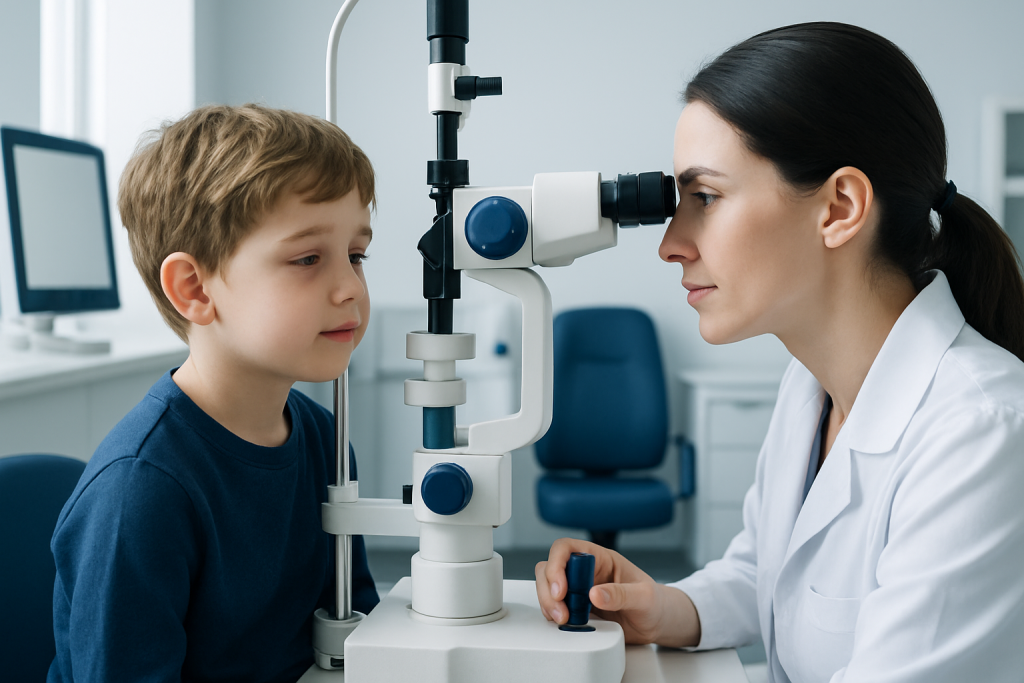
Warm compresses and eyelid hygiene are appropriate for many otherwise well children with a small, typical stye. A pediatrician or eye doctor can confirm the diagnosis when there is uncertainty, particularly because other eyelid lumps may look similar. For example, a chalazion is usually a firmer, less painful eyelid lump caused by a blocked oil gland rather than an active infection.
Medical assessment is particularly useful when a stye is not improving after one to two weeks, keeps returning, is very large, or seems to interfere with opening the eye. Children with recurrent eyelid inflammation, eczema-like skin conditions, eye irritation, or chronic crusting at the lash line may need a longer-term eyelid-care plan.
A clinician will also consider whether symptoms point to another cause, such as conjunctivitis or an infection of the skin around the eye. Antibiotic ointment or oral antibiotics are not routinely needed for every stye, but may be considered when there is a related bacterial infection or spreading inflammation.
What Happens at an Eye Appointment?
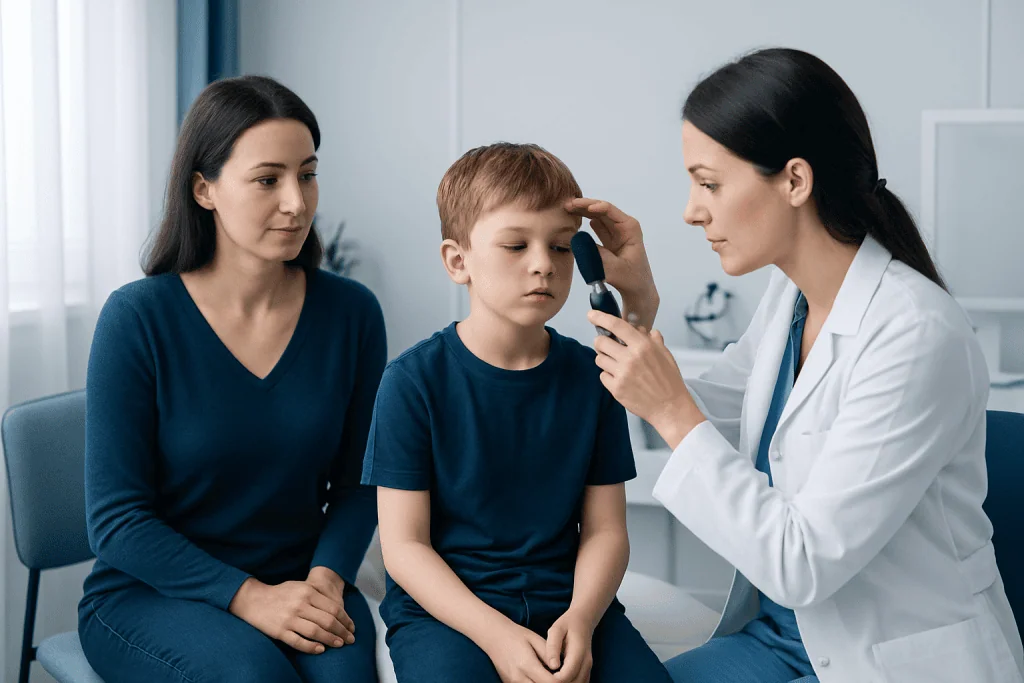
An eye doctor usually diagnoses a stye by asking about the child’s symptoms and examining the eyelid, eyelashes, and eye surface. The examination is generally quick and does not involve needles or scans. The clinician checks whether the lump is external or internal, whether it is draining, and whether the eye itself is affected.
If the diagnosis is a straightforward stye, the clinician may reinforce proper warm-compress technique and advise when to return. They may recommend treatment for associated blepharitis, an ongoing inflammation around the eyelid margins that can contribute to repeated styes. Families should use only medicines specifically prescribed or recommended for the child and should not use another person’s eye drops or ointment.
When a persistent lump becomes a chalazion or does not respond to conservative care, an ophthalmologist may discuss a minor drainage procedure. This is uncommon for a simple new stye. In young children, the safest approach depends on the child’s age, ability to stay still, the size and location of the lump, and whether anesthesia is needed.
If Drainage Is Needed: Step by Step
Drainage is reserved for selected persistent or troublesome eyelid lumps after an eye specialist has examined the child. The aim is to release trapped material and allow the eyelid to heal; it is not a routine treatment for every stye. The ophthalmologist will first explain the expected benefit, alternatives, and the most suitable pain-control or anesthesia approach.
During a minor procedure, the eyelid is numbed or the child receives age-appropriate anesthesia when necessary. The specialist makes a small opening, usually from the inner surface of the eyelid, and removes or drains the blocked material. The area is then cleaned, and the child is monitored before going home.
Afterward, the clinician may advise continued warm compresses, careful handwashing, and any prescribed eye medication. Parents should follow the individual aftercare instructions closely. A child should return for review if pain, swelling, discharge, or redness worsens instead of steadily improving.
Expected benefits include faster resolution of a persistent lump and relief from discomfort or pressure. Possible risks are temporary bruising, bleeding, discomfort, recurrence, scarring, or infection, though serious complications are uncommon when the procedure is appropriately selected and performed by an experienced eye specialist.
Recovery Timeline and Signs of Improvement
A small stye often becomes less sore and less red within several days of regular warm compresses. It may then shrink gradually or drain on its own. Complete healing commonly takes about one to two weeks, although deeper styes and chalazia can take longer.
How do you know when a stye is getting better? Improvement usually means the eyelid is less tender, the redness and swelling are reducing, and the child is less bothered by blinking or touching the area. A small amount of drainage may occur as it resolves, but the skin around the eye should not become increasingly red, hot, or swollen.
How long does it take for a stye to go away for a kid? Many children improve within a few days and recover within one to two weeks. If the bump remains after this period, becomes firmer but less painful, or repeatedly returns, it may be a chalazion or a sign that an eye doctor should review the eyelid.
Following a drainage procedure, mild soreness, puffiness, or bruising can occur briefly. The specialist will provide a personalized recovery plan, including guidance about school, bathing, physical activity, and follow-up. Most children can return to usual routines quickly when they feel comfortable and the doctor agrees.
How Contagious Is a Stye?
How contagious is a stye? A stye itself is not generally considered highly contagious. However, bacteria can be transferred from hands to the eyelid or from one eye area to another, especially when a child rubs the eye and then touches someone else, shared towels, or other personal items.
Simple hygiene reduces this risk. Children and caregivers should wash hands often, use separate clean face cloths and towels, and avoid sharing eye makeup, pillows, or washcloths. Keeping fingernails clean and discouraging eye rubbing can also reduce further irritation.
If the child also has sticky eye discharge, widespread redness of the eye, or symptoms in both eyes, the problem may not be a simple stye. A clinician can determine whether another condition is present and advise whether the child needs treatment or temporary changes to school or childcare attendance.
Recurrent Styes and Everyday Prevention
My 2-year-old keeps getting styes. What should I do? Repeated styes are a good reason to arrange a non-urgent appointment with a pediatrician or ophthalmologist. The clinician can look for chronic eyelid-margin inflammation, blocked oil glands, skin irritation, rubbing related to allergies, or another eyelid condition that may be contributing.
At home, parents can support prevention by making handwashing part of the child’s routine, using clean towels, and gently cleaning any persistent eyelid crusting as advised by a clinician. Warm compresses may sometimes be recommended as a preventive eyelid-care measure for children who have repeated blockage, but the frequency and technique should be individualized.
A balanced diet and normal play do not cause styes, and recurrent styes are not usually a sign that a child has done anything wrong. However, a clinician may consider other health issues when infections are unusually frequent or severe. Avoid using over-the-counter medicated eye products unless a healthcare professional has confirmed they are suitable for the child.
Acibadem International’s multidisciplinary specialists and JCI-accredited hospitals can assess persistent or recurrent eyelid concerns for international patients, coordinating pediatric and ophthalmology care when appropriate.
When to Seek Medical Care
Parents should arrange medical advice if a stye does not begin improving after several days of careful home care, lasts longer than one to two weeks, returns frequently, or causes significant discomfort. An eye doctor should also assess a lump that is growing, bleeding, unusually firm, or associated with loss of eyelashes.
Prompt, same-day medical assessment is important if redness or swelling spreads beyond the eyelid, the child has fever, cannot open the eye, has pain with eye movement, reports blurred or reduced vision, or appears generally unwell. These symptoms can suggest a condition more serious than a simple stye and should not be managed with home treatment alone.
Parents should not attempt to puncture, squeeze, or drain an eyelid lump at home. Seeking qualified care is the safest way to confirm the cause and choose appropriate treatment, particularly for infants, toddlers, or children with recurrent symptoms.
Frequently asked questions
Can a child go to school or daycare with a stye?
In many cases, yes. A simple stye does not usually require a child to stay home if they feel well and can participate normally. Good handwashing and avoiding shared towels or face cloths are sensible precautions, but a clinician should advise if there is also suspected conjunctivitis or significant eye discharge.
Should parents use a tea bag or other home remedy on a child’s stye?
A clean warm washcloth is the safest home approach. Tea bags, herbal preparations, and non-sterile products can irritate the eye or introduce germs. Parents should avoid putting substances into or near a child’s eye unless recommended by a healthcare professional.
Can a stye damage a child’s vision?
A typical small stye does not damage vision. A larger eyelid lump may temporarily blur vision by pressing on the eyelid or causing tears, and this should be assessed if it persists. Sudden vision changes, significant eye pain, or difficulty moving the eye require prompt medical evaluation.
Do children need antibiotic eye drops for a stye?
Not usually. Most styes improve with warm compresses and eyelid hygiene because they drain and heal naturally. A doctor may prescribe antibiotic treatment in selected situations, such as associated infection or spreading eyelid inflammation.
Why does my child get styes repeatedly?
Repeated styes can occur when eyelid oil glands block easily or when there is ongoing eyelid-margin inflammation, eye rubbing, or skin irritation. An ophthalmologist or pediatrician can assess for contributing factors and recommend a safe preventive routine. Recurrent styes should not be squeezed or treated with leftover eye medicines.
Is a stye the same as a chalazion?
No, although they can look alike. A stye is typically tender, red, and linked to an inflamed or infected eyelid gland, while a chalazion is often a firmer, less painful blocked gland. A stye can sometimes leave behind a chalazion after the initial inflammation settles.
References
- American Academy of Ophthalmology
- American Association for Pediatric Ophthalmology and Strabismus
- National Health Service
- Mayo Clinic
This article is for general information only and is not a substitute for professional medical advice. Please consult a qualified doctor about your individual situation.
Explore treatments in Turkey — costs, top hospitals & a free quote
JCI-accredited · board-certified surgeons · reply within 24h
Add us as a Preferred Source to see more of our trusted health content across Google Search, AI Overviews and Discover.

More from the Health Library



Related Specialists

Assoc. Prof. Dr. Şafak Yıldırım Dişli
Medical Oncology
Dr. Alper Gölpınar
Orthopedic Surgery & Traumatology
Dr. Haldun Şentürk
Emergency Service
Dr. Abdurrahman Şaban
Pulmonary Medicine