

Subarachnoid Hemorrhage Treatment: How It Works, Results and What to Expect

A sudden, severe headache can be a sign of subarachnoid hemorrhage and needs immediate emergency assessment. Treatment commonly uses endovascular coiling or surgical clipping to seal a ruptured aneurysm.
Key Takeaways
- A sudden, severe headache can be a sign of subarachnoid hemorrhage and needs immediate emergency assessment.
- Treatment commonly uses endovascular coiling or surgical clipping to seal a ruptured aneurysm.
- Care in a specialist neurovascular or intensive care unit helps detect and manage early complications.
- Recovery varies widely and may involve physical, cognitive, emotional and speech rehabilitation.
- Long-term follow-up is important after treatment, especially when an aneurysm has been repaired.
Subarachnoid hemorrhage treatment is emergency care for bleeding in the space around the brain, most often caused by a ruptured brain aneurysm. Treatment aims to secure the bleeding source quickly, prevent complications such as further bleeding or reduced brain blood flow, and support rehabilitation.
Overview: how subarachnoid hemorrhage treatment works
Subarachnoid hemorrhage treatment is urgent hospital care for bleeding into the fluid-filled space between the brain and the thin tissues covering it. In many non-traumatic cases, the bleeding occurs when a weakened area in a brain artery, called an aneurysm, ruptures. The immediate goals are to stabilize the person, identify the source of bleeding, prevent another bleed, and protect the brain from complications.
Doctors usually treat the aneurysm using either minimally invasive endovascular coiling or open microsurgery called clipping. The most suitable approach depends on the aneurysm’s location, shape and size, the person’s overall health, and the expertise available in the treating neurovascular center. Intensive monitoring and medicines are also essential parts of care, not simply additions to a procedure.
A subarachnoid hemorrhage is a medical emergency. Prompt treatment can reduce the risk of further bleeding and other serious problems, but outcomes vary according to the amount of bleeding, the person’s condition at presentation, complications, age and other health conditions.
When to seek medical care
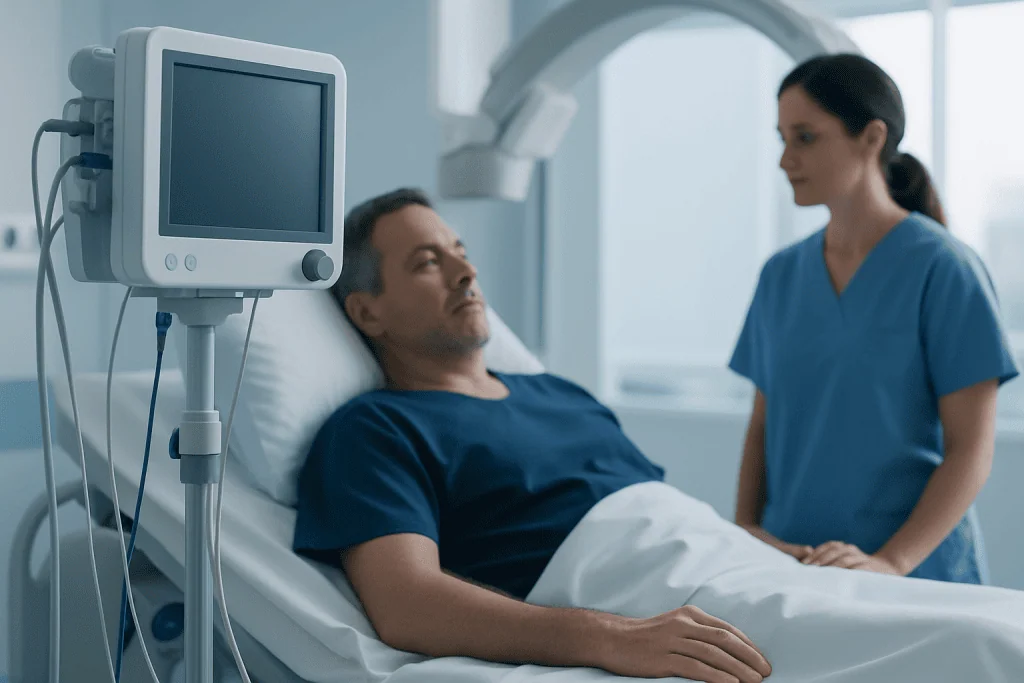
A sudden headache that reaches maximum intensity within seconds or minutes, often described as the worst headache a person has experienced, requires emergency medical attention. This type of “thunderclap” headache may be accompanied by neck stiffness, vomiting, fainting, confusion, sensitivity to light, seizures, weakness, trouble speaking or changes in vision.
Emergency services should be contacted immediately rather than waiting to see whether symptoms improve. A person with suspected subarachnoid hemorrhage should not drive themselves to hospital. Even if the headache becomes less severe, urgent assessment is still important because bleeding can be life-threatening and early treatment matters.
Some people develop warning headaches before a major aneurysm rupture, but many do not. New, abrupt and unusually severe head pain should always be assessed urgently, particularly if it is accompanied by neurological symptoms or loss of consciousness.
How diagnosis and treatment decisions are made

Initial assessment focuses on stabilizing breathing, circulation and neurological function. A non-contrast CT scan of the head is commonly the first test because it can rapidly show recent bleeding. If the scan does not explain a strongly suspicious presentation, doctors may consider further testing, such as a lumbar puncture or additional brain imaging, depending on the timing and clinical circumstances.
CT angiography or catheter angiography can identify an aneurysm or another blood vessel abnormality that may have caused the bleeding. These tests help the neurovascular team plan treatment. Not every subarachnoid hemorrhage is due to an aneurysm; trauma, vascular malformations and less common causes are also considered.
People considered for aneurysm repair are assessed individually. Candidacy for coiling or clipping depends on anatomy and safety rather than a single factor. Specialists also consider whether there are multiple aneurysms, whether the aneurysm has ruptured, how stable the person is, and whether another procedure would give more durable or safer protection.
- Endovascular coiling is often used when the aneurysm can be reached safely through an artery.
- Surgical clipping may be preferred for some aneurysm shapes, locations or complex vessel patterns.
- Supportive neurocritical care is needed regardless of the method used to secure the aneurysm.
What happens during coiling or clipping
Endovascular coiling is performed by a neurointerventional specialist, usually under general anesthesia. A thin catheter is guided through an artery, commonly from the groin or wrist, toward the blood vessels of the brain using real-time X-ray imaging. Tiny soft metal coils, and sometimes other specialized devices, are placed inside the aneurysm to reduce blood flow into it and lower the chance of rebleeding.
Surgical clipping is performed by a neurosurgeon under general anesthesia. The surgeon makes an opening in the skull to reach the affected artery and places a small metal clip across the neck of the aneurysm. This separates the aneurysm from normal blood circulation while preserving blood flow through the parent artery whenever possible.
After either procedure, the person is observed closely in an intensive care or specialized neurological unit. Clinicians monitor alertness, strength, speech, headaches, blood pressure, fluid balance and signs of complications. Repeat imaging may be used to confirm that the aneurysm has been secured and to assess the brain’s condition.
For people needing coordinated assessment, aneurysm repair and follow-up, brain aneurysm treatment may involve neurosurgeons, neurointerventional specialists, neurologists, intensive care physicians and rehabilitation professionals.
Benefits, risks and complications of treatment
The principal benefit of securing a ruptured aneurysm is a lower risk of rebleeding, which is especially high soon after the initial hemorrhage. Treatment also allows the team to focus on preventing or responding to complications that can develop during the following days and weeks. These include vasospasm, in which brain arteries narrow and reduce blood flow, as well as hydrocephalus, seizures, electrolyte disturbances and infections.
Both coiling and clipping have potential risks. These can include stroke, blood vessel injury, blood clots, anesthesia-related complications, infection, bleeding or an incomplete seal of the aneurysm. With coiling, some aneurysms may need imaging follow-up and, occasionally, further treatment if blood flow re-enters the aneurysm. With clipping, recovery from the surgical opening may be longer for some people.
Neurocritical care may include medicines to support brain blood flow, careful blood pressure management, pain and nausea relief, and treatment for seizures when clinically indicated. If hydrocephalus develops, temporary drainage of cerebrospinal fluid or another procedure may be required. The care plan is tailored to the person’s scan findings and clinical condition.
These decisions are best made by a multidisciplinary team familiar with brain aneurysms, because the best procedure is not identical for every aneurysm or every patient.
Recovery timeline and rehabilitation
Hospital recovery after a subarachnoid hemorrhage varies greatly. Many people remain in a specialist hospital unit for close monitoring during the period when complications such as vasospasm are most likely. The length of stay depends on the severity of the bleed, whether procedures are needed, and the person’s physical and neurological progress.
Rehabilitation may begin in hospital and continue after discharge. Depending on individual needs, it can include physiotherapy for mobility and balance, occupational therapy for everyday tasks, speech and language therapy, neuropsychology support for thinking and memory changes, and counseling for emotional adjustment. Fatigue is common and can persist even when visible recovery is good.
Follow-up appointments may include brain and blood vessel imaging, especially after endovascular treatment. The care team may also address blood pressure, smoking cessation, cholesterol management, sleep, return to work, driving and activity restrictions. Changes should be introduced gradually and only with advice from the treating team.
At Acibadem International, multidisciplinary specialists in JCI-accredited hospitals provide diagnosis, aneurysm treatment and rehabilitation planning for international patients when clinically appropriate.
How long does it take to fully recover from a subarachnoid hemorrhage?
There is no single recovery timetable. Some people regain independence over weeks to months, while others need rehabilitation and support for many months or longer. Recovery can continue over time, particularly with rehabilitation, but the pace is often uneven and periods of fatigue or slower progress are common.
The severity of the initial bleeding, complications, treatment required and a person’s baseline health all influence recovery. Problems with concentration, memory, mood, stamina, headache or sleep may last longer than physical symptoms. Regular follow-up helps identify difficulties that may benefit from rehabilitation or specialist support.
How long can you live with a subarachnoid hemorrhage?
A subarachnoid hemorrhage requires immediate emergency treatment because it can be life-threatening, particularly if the bleeding source is not secured. It is not safe to wait at home or try to estimate how long symptoms can be tolerated. Emergency assessment and specialist treatment offer the best opportunity to manage the bleeding and its complications.
People who survive the initial event may live for many years, especially when the cause is treated and vascular risk factors are managed. However, long-term outlook differs from person to person. Follow-up with the neurovascular team is important to monitor the treated aneurysm when needed and to discuss lifestyle, medication and rehabilitation plans.
What is life like after a subarachnoid hemorrhage?
Life after a subarachnoid hemorrhage can involve a gradual return to daily activities, often with adjustments. Some people return to their usual work, family and social roles, while others need ongoing help with mobility, communication, planning, memory or emotional health. Invisible effects, such as fatigue, anxiety, low mood and reduced concentration, are common and deserve the same attention as physical symptoms.
Family members and caregivers can be important partners in recovery. Keeping follow-up appointments, using recommended rehabilitation services, pacing activities and discussing concerns openly with clinicians can support recovery. Support groups or counseling may also help individuals and families adapt to changes after a serious neurological event.
What is the 6 hour rule for subarachnoid hemorrhage?
The “6 hour rule” refers to evidence that a high-quality non-contrast CT scan performed within six hours of headache onset can be very accurate at detecting subarachnoid hemorrhage in appropriately selected patients when interpreted by experienced clinicians. It is a diagnostic consideration, not a rule that makes it safe to delay care or dismiss symptoms without medical evaluation.
If symptoms began more than six hours earlier, or if the clinical picture remains concerning after a CT scan, doctors may use additional tests. The exact approach depends on the person’s symptoms, examination findings, scan quality and local clinical protocols. Anyone with a sudden severe headache should seek emergency care immediately, regardless of when it started.
Frequently asked questions
Can a subarachnoid hemorrhage be treated without surgery?
Some causes of subarachnoid hemorrhage may be managed differently, but a ruptured aneurysm commonly needs urgent treatment to reduce the risk of another bleed. This may be minimally invasive endovascular coiling rather than open surgery. The neurovascular team decides the safest option after reviewing imaging and the person’s condition.
Is coiling better than clipping for a ruptured aneurysm?
Neither option is best for every person. Coiling is less invasive and may be suitable for many aneurysms, while clipping can be preferred for certain aneurysm locations, shapes or complex anatomy. The decision is based on detailed imaging and expert assessment.
Can a person have another subarachnoid hemorrhage after treatment?
Securing a ruptured aneurysm greatly reduces the risk of bleeding from that aneurysm, but follow-up remains important. In some cases, a treated aneurysm may require further imaging, and a person may have additional aneurysms that need monitoring. The treating team will explain the individual follow-up plan.
What should be avoided during recovery from subarachnoid hemorrhage?
People should follow their clinical team’s advice about activity, driving, alcohol, smoking, work and medication use. Strenuous activity may need to be limited early in recovery, but prolonged inactivity can also be unhelpful. A gradual, individualized return to activity is usually recommended.
Can stress cause a subarachnoid hemorrhage?
Stress alone is not usually considered a direct cause of subarachnoid hemorrhage. However, long-term high blood pressure and smoking are important modifiable risk factors for aneurysm formation and rupture. Managing blood pressure and avoiding tobacco are meaningful parts of prevention.
Will headaches continue after a subarachnoid hemorrhage?
Headaches can continue during recovery and may improve gradually over time. However, a sudden severe or clearly different headache, especially with neurological symptoms, needs urgent medical assessment. Ongoing headaches should be discussed with the treating team so that appropriate causes and treatments can be considered.
References
- American Heart Association
- American Stroke Association
- National Institute of Neurological Disorders and Stroke
- National Institute for Health and Care Excellence
- World Stroke Organization
This article is for general information only and is not a substitute for professional medical advice. Please consult a qualified doctor about your individual situation.
Explore treatments in Turkey — costs, top hospitals & a free quote
JCI-accredited · board-certified surgeons · reply within 24h
Add us as a Preferred Source to see more of our trusted health content across Google Search, AI Overviews and Discover.
Check your numbers in seconds
BMI, calories, due date, blood pressure and 30+ more clinical calculators — free, instant, doctor-reviewed ranges.

More from the Health Library



Related Specialists

Dr. Emel Çolakoğlu
Ophthalmology
Dr. Nihan Akça Gür
Otorhinolaryngology
Prof. Dr. Türkan Öztürk Topcu
Medical Oncology
Prof. Dr. Taner Güneş
Orthopedic Surgery & Traumatology