Sun Lamp: What Patients Need to Know
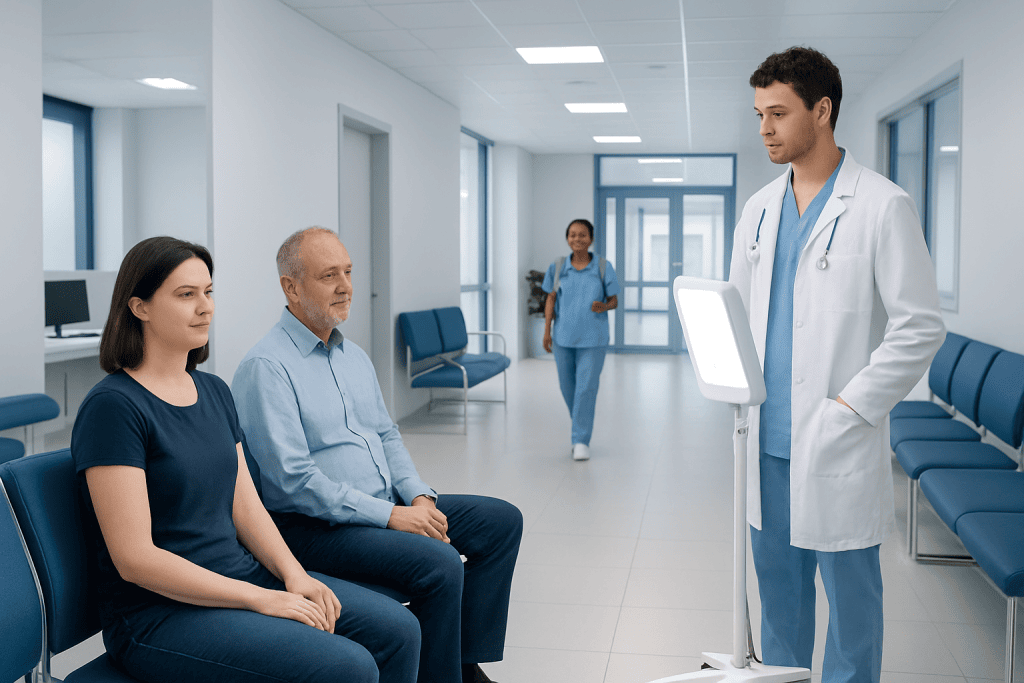
A sun lamp used for light therapy is different from a tanning lamp and should not emit harmful ultraviolet light for routine home use. Light therapy may support people with seasonal affective disorder, some sleep-wake rhythm problems, and certain low-light related symptoms.
Key Takeaways
- A sun lamp used for light therapy is different from a tanning lamp and should not emit harmful ultraviolet light for routine home use.
- Light therapy may support people with seasonal affective disorder, some sleep-wake rhythm problems, and certain low-light related symptoms.
- Timing, brightness, distance, and duration all affect how well a sun lamp works and how comfortable it feels.
- People with eye disease, bipolar disorder, migraines, or light-sensitive conditions should speak with a doctor before starting.
- Medical review is important if symptoms are severe, persistent, or not clearly related to seasonal light changes.
A sun lamp is an artificial light device designed to mimic aspects of natural daylight, most often for light therapy rather than tanning. It may help some people with seasonal mood changes or circadian rhythm problems, but the right device, safe use, and medical advice matter.
What Is a Sun Lamp?
A sun lamp is a device that produces bright artificial light intended to simulate some effects of natural daylight. In healthcare discussions, the term usually refers to a light therapy lamp used to support mood, sleep-wake timing, or well-being during darker months. It does not replace the sun, and it is not the same as a tanning bed or ultraviolet lamp.
Most medically used light therapy lamps are designed to filter out or minimize ultraviolet (UV) exposure while delivering bright visible light. This matters because the goal is typically to influence the body’s internal clock and brain responses to light, not to tan the skin. For many patients, the safest and most useful question is not simply whether a sun lamp works, but which type is appropriate for their symptoms.
People most often ask about sun lamps when they notice winter low mood, daytime sleepiness, difficulty waking up, or a change in energy as daylight shortens. These symptoms can have many causes, including stress, sleep disorders, depression, thyroid problems, and other medical conditions. A lamp may be helpful in some cases, but it works best when matched to the right diagnosis.
How a Sun Lamp May Help the Body and Mind
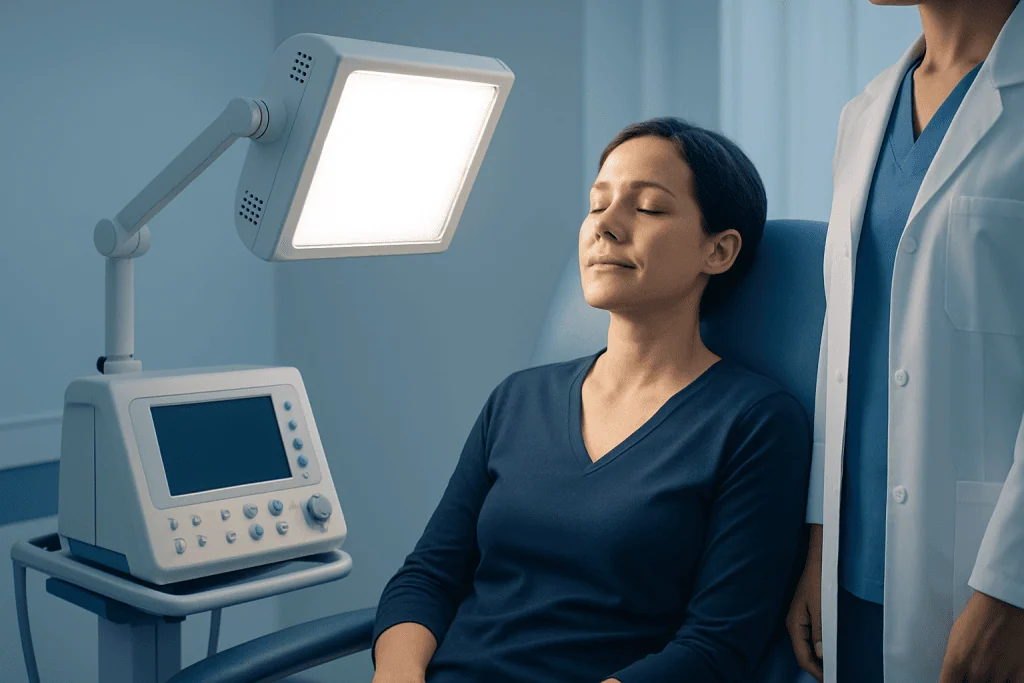
Light is one of the strongest signals that regulates the circadian rhythm, the body’s internal 24-hour clock. Morning light helps the brain understand that it is time to be alert, and it influences hormones and nerve pathways involved in sleep, energy, and mood. A properly used sun lamp can provide a structured light signal when natural daylight is limited.
One of the best-known uses is for seasonal affective disorder, a type of depression linked to seasonal changes. In these cases, light therapy may improve low mood, reduced motivation, oversleeping, and carbohydrate cravings. Patients with broader mood concerns may also need assessment for depression, because symptoms are not always seasonal and treatment plans often need to be individualized.
Sun lamps may also be used for certain circadian rhythm sleep problems, such as delayed sleep-wake timing, where a person naturally falls asleep and wakes later than desired. By using light at a targeted time, some people can gradually shift their schedule earlier. In selected cases, light therapy can be one part of a broader sleep plan alongside behavioral changes and expert review through sleep disorder treatment.
Sun Lamp vs. Tanning Lamp: An Important Difference
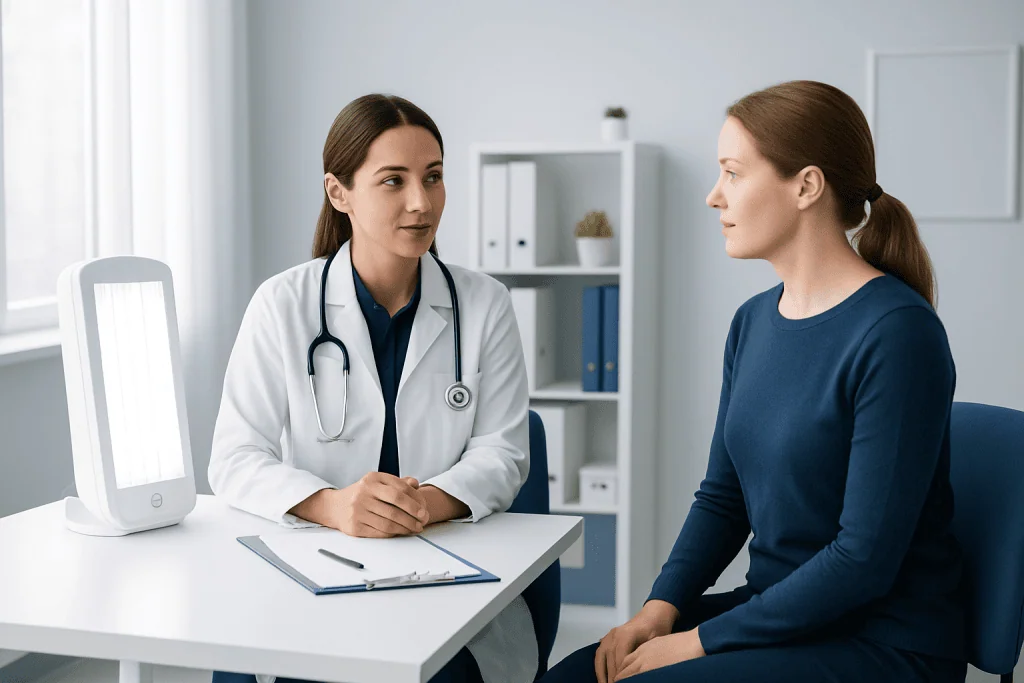
Many patients use the phrase sun lamp to describe very different products. A light therapy lamp is generally intended for mood or circadian support and should provide bright visible light without significant UV radiation. A tanning lamp or tanning bed is designed to expose the skin to ultraviolet light, which can damage skin cells and increase the risk of skin aging and skin cancer.
This distinction is essential. Tanning lamps are not a recommended treatment for seasonal depression or routine wellness use. They may also worsen certain skin conditions and increase long-term health risks. Patients considering light-based devices for skin concerns should seek specialist guidance rather than self-treating with UV equipment.
Some people also look into light exposure because of skin-related conditions, but the medical approach depends on the diagnosis. For example, sun sensitivity, rashes, or changes in skin pigment need clinical assessment, and persistent lesions should be evaluated with attention to skin cancer risk rather than managed with home tanning devices.
Who Might Benefit and Who Should Be Cautious
A sun lamp may be helpful for adults who have symptoms that clearly worsen with reduced daylight, especially if a clinician suspects seasonal affective disorder or a circadian rhythm issue. It may also support shift workers or travelers in certain situations, although timing becomes more complex and professional advice can be useful. The best results are often seen when symptoms, schedule, and lamp use are carefully aligned.
However, light therapy is not suitable for everyone without review. People with bipolar disorder may be at risk of mood switching, including hypomania or mania, if bright light is introduced improperly. Those with eye conditions such as glaucoma, retinal disease, cataracts, or recent eye surgery should ask an eye specialist or physician before beginning treatment. People who take medications that increase light sensitivity, such as some antibiotics, acne treatments, or psychiatric medications, should also check first.
Caution is also sensible for patients with migraines, lupus, or other conditions affected by light exposure. If symptoms include severe sadness, hopelessness, panic, major sleep disruption, or trouble functioning, a lamp should not delay a full medical evaluation. In those cases, a broader plan may involve assessment through psychiatry treatment or other specialist care.
How to Use a Sun Lamp Safely
Safe use begins with choosing a device intended for light therapy, not tanning. Product instructions should be followed closely because brightness, distance, and recommended use time vary by design. In general, light therapy is often used in the morning, because evening use can shift the body clock later and may interfere with sleep in some people.
Patients usually sit at a comfortable distance with the lamp angled toward the eyes, without staring directly into the light. Reading, eating breakfast, or desk work may be possible during use. The aim is for light to reach the eyes indirectly while the person remains comfortable. Sessions that are too long, too intense, or too late in the day may cause side effects or reduce benefit.
Possible side effects can include eye strain, headache, irritability, nausea, or difficulty sleeping. These problems are often reduced by shortening the session, increasing distance, changing timing, or stopping the device until medical advice is obtained. If symptoms are new, intense, or persistent, it is wise to pause treatment and consult a qualified clinician.
- Use a lamp specifically made for light therapy.
- Avoid UV-emitting tanning devices for mood or sleep concerns.
- Start only after reading the device instructions carefully.
- Use it at a consistent time, usually in the morning unless a clinician advises otherwise.
- Stop and seek advice if headaches, eye discomfort, agitation, or insomnia develop.
How Doctors Evaluate Symptoms Before Recommending One
A sun lamp is most useful when symptoms are assessed in context rather than treated as a simple winter problem. Doctors often ask when symptoms began, whether they follow a seasonal pattern, how sleep and energy have changed, and whether there are signs of depression, anxiety, thyroid disease, or another underlying condition. They may also review medications, work hours, travel, and screen exposure.
If a patient has major sleep problems, a specialist may look more closely at circadian rhythm disorders, insomnia, or possible sleep apnea. In some cases, testing or sleep-focused assessment is needed before light therapy is recommended. Care plans may include behavioral strategies, medication review, and selected treatments such as sleep apnea treatment when symptoms suggest a different root cause.
For ongoing low mood, doctors may use questionnaires or formal psychiatric assessment to understand severity and rule out other forms of depression. A lamp can be one tool, but it should not replace emergency mental health care or a complete evaluation when symptoms are severe. The goal is to make treatment both safe and targeted.
Other Treatment Options and Daily Self-Care
Light therapy is only one part of care. Many patients also benefit from a regular sleep schedule, daytime physical activity, outdoor time when possible, and reducing bright screens late at night. Morning daylight exposure, even on cloudy days, can be a simple and useful support for circadian health. Balanced meals, stress management, and social connection also matter for mood and energy.
When symptoms are more pronounced, treatment may include talking therapies, medication, or a combined approach. For seasonal depression, clinicians may recommend psychotherapy alongside light therapy, especially if symptoms affect work, relationships, or daily functioning. Patients should not stop prescribed medication on their own just because they begin using a lamp.
At Acibadem International, multidisciplinary specialists in JCI-accredited hospitals evaluate mood, sleep, eye, and general medical factors when patients need guidance about light-related symptoms and treatment choices. International patients may receive coordinated assessment when symptoms suggest more than a simple seasonal pattern.
When to Seek Medical Care
Medical advice is important if symptoms are severe, unusual, or do not improve. Patients should seek professional care if low mood lasts most of the day, if sleep problems are persistent, or if tiredness affects safety, work, or daily responsibilities. A proper diagnosis helps determine whether a sun lamp is appropriate or whether another condition needs treatment first.
Urgent help is needed if there are thoughts of self-harm, extreme agitation, confusion, hallucinations, or signs of mania such as very reduced need for sleep, risky behavior, or unusually elevated mood. Eye pain, major visual change, or severe headache after lamp use also need prompt medical attention. These symptoms should not be managed by continuing or adjusting the lamp without clinical review.
It is also sensible to seek care before starting if the patient is pregnant, has a known eye disease, uses photosensitizing medication, or has a history of bipolar disorder. A doctor can help select the safest plan and explain whether light therapy fits into a broader treatment strategy.
Frequently asked questions
Does a sun lamp really work?
A sun lamp designed for light therapy can help some people, especially those with seasonal affective disorder or certain circadian rhythm sleep problems. It tends to work best when the device type, timing, and duration are matched to the person’s symptoms. It is less likely to help if the underlying problem is unrelated to light exposure.
Is a sun lamp the same as a tanning lamp?
No. A light therapy sun lamp is usually made to provide bright visible light with little or no harmful UV exposure, while a tanning lamp is designed to emit ultraviolet radiation. Tanning lamps are not recommended for mood or sleep concerns and can increase skin damage risk.
When is the best time to use a sun lamp?
For many people, morning use is preferred because it supports alertness and can help shift the body clock earlier. Evening use may interfere with sleep in some cases. The best schedule can vary, so medical advice is helpful if symptoms are complex or if sleep timing is a main concern.
Can a sun lamp help with depression?
It may help with seasonal affective disorder, which is a type of depression linked to seasonal light changes. However, not all depression is seasonal, and many people need a broader evaluation and treatment plan. If mood symptoms are significant, a doctor or mental health professional should assess them.
Are there side effects from using a sun lamp?
Some people develop headache, eye strain, irritability, nausea, or trouble sleeping, especially if the lamp is too bright, used too long, or used too late in the day. Most side effects improve when use is adjusted or stopped. Persistent or severe symptoms should be reviewed by a healthcare professional.
Who should talk to a doctor before using a sun lamp?
People with bipolar disorder, eye disease, migraines, light-sensitive conditions, or those taking photosensitizing medicines should check with a doctor first. Medical review is also important during pregnancy or when symptoms are severe or unclear. This helps make sure the lamp is safe and suitable.
This article is for general information only and is not a substitute for professional medical advice. Please consult a qualified doctor about your individual situation.
Explore treatments in Turkey — costs, top hospitals & a free quote
JCI-accredited · board-certified surgeons · reply within 24h
Add us as a Preferred Source to see more of our trusted health content across Google Search, AI Overviews and Discover.

More from the Health Library

Proliferative Endometrium — Explained by Medical Evidence, Not Myths
Tens Unit: A Complete Medical Overview

Rifampin — Explained by Medical Evidence, Not Myths

Schmorl’s Node: What Patients Need to Know
Kefir Yogurt — Explained by Medical Evidence, Not Myths