Sunscreen for Chemotherapy Patients: How It Works, Results and What to Expect
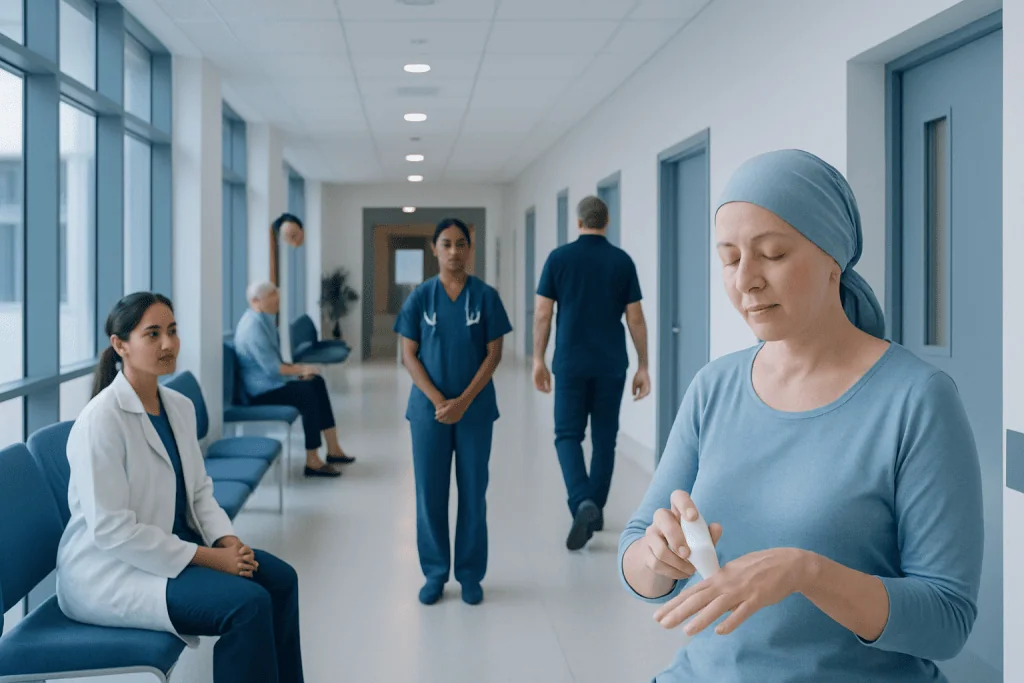
Chemotherapy and related cancer treatments can increase the risk of sunburn, rash, pigmentation changes and skin irritation. Broad-spectrum, water-resistant sunscreen with SPF 30 or higher is usually appropriate for exposed skin.
Key Takeaways
- Chemotherapy and related cancer treatments can increase the risk of sunburn, rash, pigmentation changes and skin irritation.
- Broad-spectrum, water-resistant sunscreen with SPF 30 or higher is usually appropriate for exposed skin.
- Mineral sunscreens containing zinc oxide or titanium dioxide may be better tolerated by people with sensitive or irritated skin.
- Sunscreen should be combined with shade, wide-brimmed hats, UV-protective clothing and avoiding strong midday sunlight.
- New rashes, blistering, severe sunburn or skin reactions during treatment should be discussed promptly with the oncology team.
Sunscreen for chemotherapy patients is an important part of daily skin protection because some cancer treatments can make skin more sensitive to ultraviolet (UV) light. A broad-spectrum, water-resistant SPF 30 or higher sunscreen, used alongside protective clothing and shade, is generally a practical choice unless the oncology team advises otherwise.
Overview: sun protection during chemotherapy
Sunscreen for chemotherapy patients helps reduce exposure to ultraviolet A (UVA) and ultraviolet B (UVB) radiation. This matters because some chemotherapy medicines, targeted therapies, immunotherapies and radiation treatments can make the skin more reactive to sunlight. Even a short period outdoors may lead to faster burning, redness, itching, rash or darkening of the skin in some people.
Sunscreen does not block all UV radiation and does not replace other precautions. It works best as one part of a daily plan that includes seeking shade, covering the skin and checking with the cancer care team about treatment-specific restrictions. Individual sensitivity varies, and a person may notice changes in their skin even if they have tolerated the sun well in the past.
Sun protection can also support comfort while the skin is healing. It is particularly important for areas treated with radiation, surgical scars and skin that is dry, peeling or inflamed from treatment. The oncology team can advise when products may be used on these areas and whether a dermatologist should be involved.
How sunscreen works and why chemotherapy can change sun sensitivity
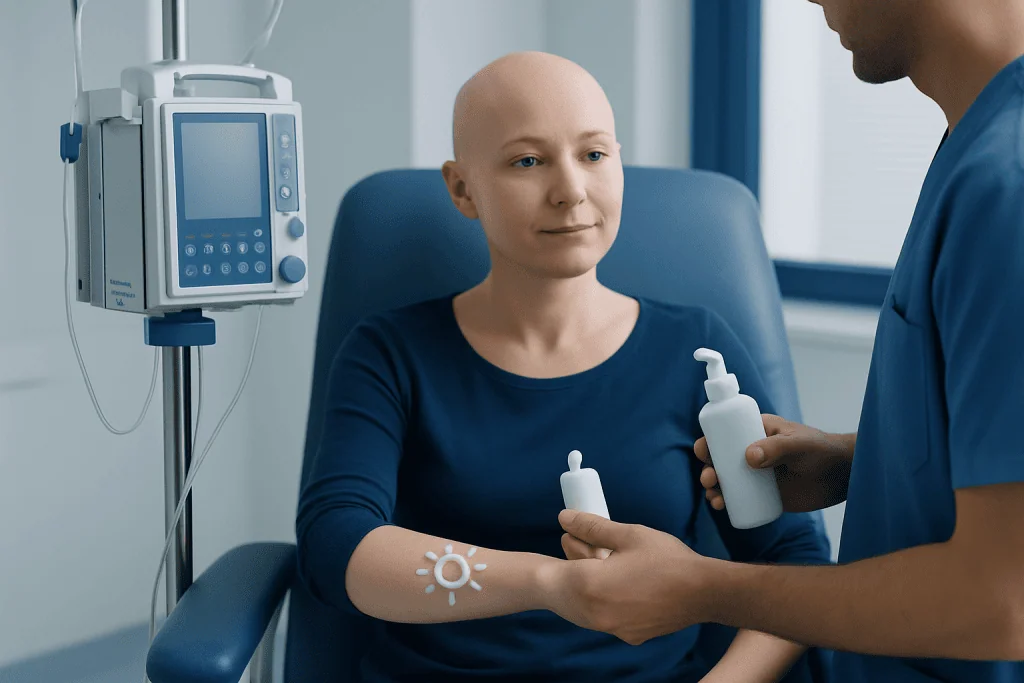
Sunscreens contain UV filters that either absorb, scatter or reflect UV radiation before it damages the skin. A broad-spectrum product protects against both UVB, the main cause of sunburn, and UVA, which contributes to skin aging, pigment changes and some types of skin damage. SPF describes protection mainly against UVB; higher SPF can provide more protection when it is applied correctly, but no sunscreen is complete protection.
Some cancer medicines can cause photosensitivity, meaning the skin reacts unusually strongly to sunlight. In a phototoxic reaction, the skin may become red, sore or blistered in sun-exposed areas, sometimes resembling an intense sunburn. Less commonly, a photoallergic reaction can cause an itchy, eczema-like rash. Certain medicines may also make pre-existing pigmentation changes more noticeable.
Not every person receiving chemotherapy will develop photosensitivity. The risk depends on the medication, treatment schedule, other medicines, skin type, radiation history and amount of UV exposure. A person should ask their oncologist or oncology pharmacist whether their specific treatment has sun-related precautions and whether protection is needed around indoor UV sources, such as tanning beds, which should be avoided.
Choosing sunscreen: candidacy, ingredients and application

Most people receiving chemotherapy can use sunscreen on intact skin, but choice and timing should be individualized if the skin is very tender, broken, infected or affected by radiation treatment. A person with a known sunscreen allergy, a widespread treatment-related rash or severe eczema should seek advice from their oncology team or dermatologist before trying a new product.
A practical starting point is a broad-spectrum, water-resistant sunscreen with SPF 30 or higher. Mineral, also called physical, sunscreens containing zinc oxide and/or titanium dioxide are often well tolerated because they are less likely to sting sensitive skin. Fragrance-free, alcohol-free formulations may also be more comfortable for dry or easily irritated skin. Chemical UV filters are effective for many people, but a product should be stopped if it causes burning, swelling, hives or a new rash.
Before regular use, a small patch test on unaffected skin may help identify irritation. Apply a modest amount to a small area and observe for a day or two, unless urgent protection is needed. This does not guarantee that a reaction will not occur, but it can be useful for people with sensitive skin. The care team should be asked before applying any sunscreen directly over a radiation field, open wound, fresh surgical incision or active skin reaction.
- Choose broad-spectrum, SPF 30 or higher and water-resistant protection.
- Select a texture that the person can use consistently, such as lotion, cream, stick or spray used carefully.
- Use fragrance-free options when skin is dry, inflamed or easily irritated.
- Check expiry dates and avoid products that have changed smell, color or consistency.
What is the best sunscreen for someone on chemo?
There is no single best sunscreen for every person on chemotherapy. In general, the most suitable option is one that offers broad-spectrum, water-resistant SPF 30 or higher protection, feels comfortable on the skin and can be applied generously and repeatedly. For many people with treatment-related sensitivity, a fragrance-free mineral sunscreen containing zinc oxide or titanium dioxide is a reasonable first choice.
The best product may differ depending on skin tone, dryness, acne tendency, allergies, location of treatment and personal preference. Some mineral products can leave a visible white cast, while tinted mineral formulations may be more cosmetically acceptable for some skin tones. An oncologist, oncology nurse, pharmacist or dermatologist can help select a product if rashes or treatment-related skin effects are present.
A sunscreen should be applied to exposed, intact skin about 15 minutes before going outside, following the label directions. It should be reapplied at least every two hours while outdoors and after swimming, sweating or towel drying. Lip balm with SPF and UV-protective sunglasses can add protection to commonly missed areas.
Why can't you be in the sun while on chemo?
People on chemotherapy do not always need to stay indoors, but unprotected sun exposure can be risky because certain treatments make the skin more vulnerable to UV damage. Sunburn may develop more quickly or be more severe than expected. Some people also develop rashes, itching, blistering or persistent dark patches in sun-exposed skin.
Protecting the skin is also sensible because chemotherapy can contribute to dryness and slower skin recovery. A burn or severe rash may cause discomfort, raise the risk of skin infection when the protective barrier is damaged, and occasionally interfere with treatment plans. Radiation-treated skin may remain particularly sensitive to sunlight for a long time, so specific instructions from the radiation oncology team are important.
Outdoor time can still be beneficial for mood, routine and gentle physical activity when a person feels well enough. Safer strategies include planning activities for early morning or later afternoon, staying in shade, wearing tightly woven long sleeves and trousers, using a broad-brimmed hat, and applying sunscreen to exposed areas. UV exposure can occur on cloudy days and through reflected light from water, sand or snow.
What sunscreen does an oncologist recommend?
Oncologists commonly recommend broad-spectrum, water-resistant sunscreen with SPF 30 or higher, alongside clothing and shade. However, the exact recommendation should be based on the cancer treatment and the person’s skin condition. The oncology team may advise extra protection for medicines known to cause photosensitivity and may recommend avoiding particular products on irritated or radiation-treated skin.
For sensitive skin, clinicians often suggest simple formulations without fragrance and with mineral filters such as zinc oxide or titanium dioxide. Spray products can be convenient, but they should not be inhaled and need to be rubbed in to achieve even coverage. Sunscreen sticks may be useful around the eyes, ears, lips and scalp edges, while creams or lotions often make it easier to cover larger areas thoroughly.
Skin symptoms should not automatically be assumed to be caused by sunscreen or sunlight. Some cancer therapies can produce rashes that need clinical assessment and may require specific treatment. People receiving cancer care can ask their team for individualized skin-care guidance as part of their overall chemotherapy treatment plan.
What is the safest sunscreen that doesn't cause cancer?
Current evidence supports the use of approved sunscreens as an important way to reduce UV-related skin damage and help prevent skin cancer. There is no good evidence that sunscreen, when used as directed, causes cancer. Concerns about individual ingredients should be discussed with a qualified clinician, particularly for people undergoing cancer treatment or those with a history of product reactions.
For a person who prefers a simpler ingredient list or who has sensitive skin, mineral sunscreens containing zinc oxide and titanium dioxide are widely used options. Both can provide broad-spectrum protection when formulated and applied correctly. The safest product in practice is one that does not trigger irritation and is used consistently with other sun-protective measures.
Tanning beds and deliberate tanning are not safe alternatives to sunscreen. They expose the skin to damaging UV radiation and should be avoided, especially during and after cancer treatment. If a product causes stinging, swelling, hives, blistering or an extensive rash, it should be washed off where possible and the oncology team should be contacted for advice.
When to seek medical care
A person should contact their oncology team promptly for a severe or rapidly spreading rash, blistering, marked swelling, painful skin, fever, drainage from affected skin or signs of infection. Medical advice is also important if a sun reaction affects the eyes, lips or large areas of the body, or if symptoms do not improve after avoiding sun exposure and using gentle skin care.
Urgent assessment is appropriate for trouble breathing, facial or throat swelling, faintness, or widespread hives after using a sunscreen or other skin product, as these may indicate a serious allergic reaction. People should not apply new medicated creams, exfoliants or home remedies to a treatment-related skin reaction without professional guidance.
Acibadem International’s multidisciplinary specialists and JCI-accredited hospitals support international patients receiving cancer treatment, including assessment of treatment-related skin concerns. Ongoing follow-up is especially important for people with persistent pigmentation changes, non-healing sores or new changing skin lesions after treatment.
Frequently asked questions
Can chemotherapy patients wear sunscreen every day?
Yes, daily sunscreen use is generally appropriate for chemotherapy patients when it is applied to intact skin and tolerated well. Broad-spectrum SPF 30 or higher is particularly useful on exposed areas, even on cloudy days. The oncology team should advise on use over radiation-treated, broken or severely irritated skin.
Should sunscreen be reapplied during chemotherapy?
Yes. When outdoors, sunscreen should usually be reapplied at least every two hours and after swimming, sweating or towel drying. Reapplication is important because sunscreen can wear off, and treatment-related photosensitivity may increase the consequences of missed protection.
Are mineral sunscreens better during chemotherapy?
Mineral sunscreens containing zinc oxide or titanium dioxide may be a good option for sensitive skin because they are often less irritating. They are not automatically necessary for everyone, and the best choice is a product that provides broad-spectrum protection and is comfortable enough to use regularly. A clinician can advise if the person has a rash or known allergy.
Can a person on chemotherapy go outside?
In many cases, yes, provided they feel well enough and follow treatment-specific instructions. They should avoid intentional tanning, use shade and protective clothing, and apply broad-spectrum sunscreen to exposed skin. The oncology team may recommend stricter precautions for particular medicines or after radiation therapy.
Does chemotherapy make skin darker in the sun?
Some chemotherapy medicines can contribute to hyperpigmentation, or darkening of the skin, especially after sun exposure. The change may be temporary, but it can persist for some time in certain individuals. Consistent UV protection can help limit further darkening.
What should someone do if sunscreen stings during chemotherapy?
They should stop using the product and gently wash it off if possible. A fragrance-free mineral sunscreen may be better tolerated, but persistent stinging, redness, swelling or rash should be reported to the oncology team. The skin may be reacting to the product, the treatment, sun exposure or a combination of factors.
References
- American Cancer Society
- National Cancer Institute
- American Academy of Dermatology Association
- U.S. Food and Drug Administration
- Cancer Research UK
This article is for general information only and is not a substitute for professional medical advice. Please consult a qualified doctor about your individual situation.
Chemotherapy in Turkey — costs, top hospitals & a free quote
JCI-accredited · board-certified surgeons · reply within 24h
Add us as a Preferred Source to see more of our trusted health content across Google Search, AI Overviews and Discover.

Medical Oncology Department
Medical treatment of cancer with chemotherapy, immunotherapy and targeted therapies under a multidisciplinary tumor board.
60 specialists in this unit