Superbug Fungus Candida Auris — Explained by Medical Evidence, Not Myths

Candida auris is a yeast that can live on the skin and surfaces and sometimes cause invasive infection. Most healthy people are not at high risk; the greatest risk is in hospitalized or immunocompromised patients.
Key Takeaways
- Candida auris is a yeast that can live on the skin and surfaces and sometimes cause invasive infection.
- Most healthy people are not at high risk; the greatest risk is in hospitalized or immunocompromised patients.
- It can be difficult to identify without laboratory testing and may resist more than one antifungal drug.
- Prevention depends on hand hygiene, cleaning protocols, and contact precautions in healthcare settings.
- Early medical evaluation is important if a high-risk person develops signs of infection.
Superbug fungus Candida auris is a type of yeast that can cause serious infection, mainly in people who are already medically fragile or receiving hospital care. It is called a “superbug” because it may resist several antifungal medicines and can spread in healthcare environments, but careful diagnosis, infection control, and appropriate treatment can help manage it.
What Is Superbug Fungus Candida Auris?
Superbug fungus Candida auris is a yeast that has gained medical attention because it can be difficult to treat and may spread in hospitals and long-term care facilities. Unlike many common fungal infections that stay limited to the skin or mouth, Candida auris can sometimes enter the bloodstream or other parts of the body and cause a serious invasive infection.
The term “superbug” does not mean everyone exposed will become severely ill. In fact, many people who carry Candida auris on their skin have no symptoms at all. The main concern is that this organism can survive in healthcare environments, affect people who are already vulnerable, and show resistance to some antifungal medicines.
Medical evidence shows that Candida auris is best understood in two ways: colonization and infection. Colonization means the fungus is present on the body, such as on the skin, but is not causing illness. Infection means it has entered tissues or the bloodstream and is producing symptoms or signs of disease.
This distinction matters because public discussion often creates unnecessary fear. Candida auris is important because it challenges infection control and treatment decisions, not because it poses the same risk to every person. A clinician can help determine whether a positive test reflects harmless colonization, a localized problem, or a more serious infection.
Why Candida Auris Matters in Healthcare Settings
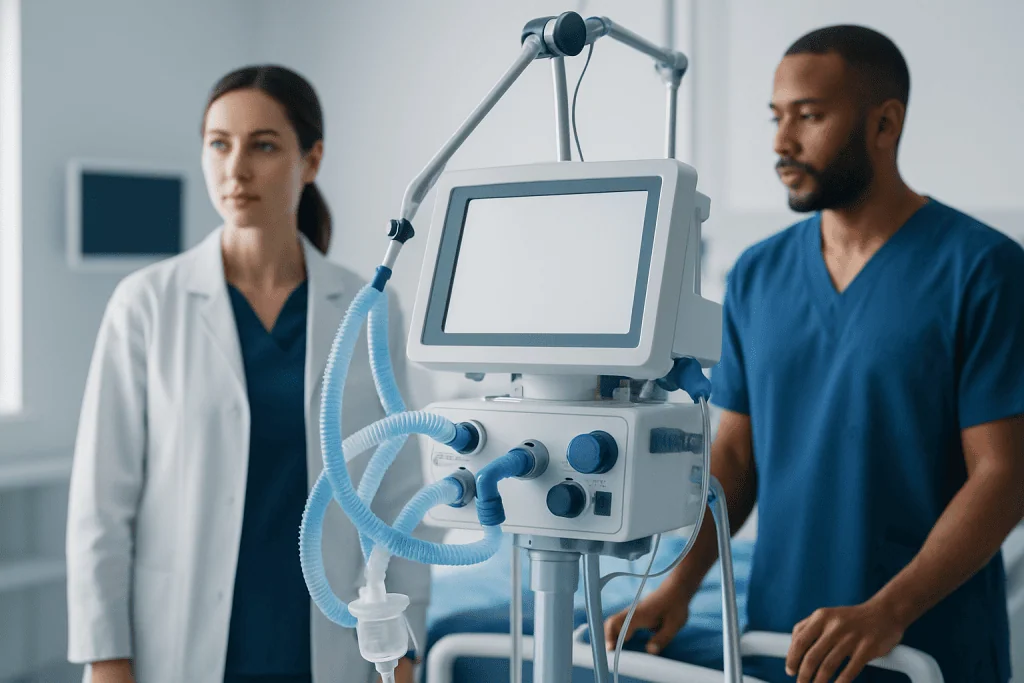
Candida auris is especially relevant in healthcare settings because it can spread from person to person through contact, including contact with contaminated surfaces or medical equipment. It can also remain on the skin for long periods, making it harder to fully eliminate once colonization occurs.
Another reason it matters is that routine laboratory methods may sometimes misidentify it unless specialized testing is used. Correct identification is important because treatment choices and infection control measures depend on knowing the exact organism involved. In many cases, hospitals work closely with microbiology laboratories and infection prevention teams when Candida auris is suspected.
People at highest risk usually have significant underlying medical needs. This may include those in intensive care units, people with central venous catheters, those receiving broad-spectrum antibiotics, patients who have had recent surgery, and people with weakened immune systems. Candida auris may therefore overlap with the same higher-risk groups seen in other serious infectious diseases.
Its importance is not only about individual treatment but also about protecting other patients. Once identified, healthcare teams may use contact precautions, targeted cleaning procedures, and screening of close contacts to reduce spread within the facility.
Symptoms and How Infection May Present

Symptoms of Candida auris infection are not unique, which is one reason the condition can be hard to recognize. A person may have fever or chills that do not improve as expected despite antibiotic treatment. If the fungus has entered the bloodstream, symptoms may resemble other serious infections rather than pointing clearly to a fungal cause.
Depending on where the infection occurs, signs may vary. Bloodstream infection can cause ongoing fever and signs of systemic illness. Wound infections may lead to redness, discharge, delayed healing, or tenderness. Ear involvement can cause pain or discharge. In some cases, Candida auris is found in urine or respiratory samples, but this does not always mean it is the true cause of disease.
Colonization, by contrast, usually causes no symptoms. A patient may test positive from a skin swab while feeling completely well. This is why test results need to be interpreted in context, especially for hospitalized people with multiple health issues.
Because symptoms are nonspecific, clinicians look at the overall picture: medical history, current devices such as catheters, recent procedures, immune status, and lab results. Diagnostic support from microbiology laboratory tests is often essential to confirm the diagnosis and guide therapy.
Causes, Spread, and Risk Factors
Candida auris is caused by a species of yeast in the Candida family. However, it behaves differently from more familiar Candida infections because of its ability to persist in the healthcare environment and its tendency to affect already ill patients. It is not usually thought of as a community infection in otherwise healthy people.
Spread most often happens through direct contact with colonized or infected patients, contaminated hands, or contaminated surfaces and equipment. This is why strict infection prevention measures are so important. Shared items, inadequate cleaning, and crowded healthcare settings can increase the chance of transmission if precautions are not followed.
Risk factors for infection include a long hospital stay, intensive care admission, use of breathing tubes or feeding tubes, central lines, dialysis, recent surgery, prior antifungal or broad-spectrum antibiotic use, and serious underlying illnesses. People with weakened immune systems may also be more vulnerable, including some patients undergoing chemotherapy or other treatments that reduce immune defenses.
These factors do not mean infection is inevitable. They simply help doctors identify who may need closer monitoring, screening, or earlier testing. Understanding risk also helps families know why additional precautions are used in the hospital.
- Recent hospitalization or residence in a long-term care facility
- Intensive care or use of invasive medical devices
- Recent surgery or complex medical treatment
- Immune suppression or severe chronic illness
- Previous exposure to antibiotics or antifungal drugs
How Doctors Diagnose Candida Auris
Diagnosis begins with clinical suspicion. If a high-risk patient has signs of infection that are not improving or a culture grows an unusual yeast, the healthcare team may investigate Candida auris. The challenge is that symptoms alone cannot confirm it, and standard lab methods may not always identify it accurately.
Doctors may order blood cultures, urine tests, wound cultures, or swabs from the skin depending on the situation. Specialized laboratory techniques are often used to distinguish Candida auris from other yeasts. Some patients are tested for colonization, especially during outbreak investigations or after known exposure in a healthcare facility.
Interpreting results is just as important as obtaining them. A positive swab from the skin may indicate colonization, while a positive blood culture is usually much more concerning and generally indicates invasive infection. Clinicians also evaluate for possible sources such as catheters, recent procedures, or wounds that may need specific attention.
When invasive infection is suspected, additional evaluation may be needed to look for complications or other sites involved. This can include imaging, repeat cultures, and specialist input. In complex cases, care may involve teams experienced in infectious diseases treatment along with intensive monitoring and source control measures.
Treatment Options and What Care Involves
Treatment depends on whether Candida auris is causing true infection or only colonization. Colonization alone usually does not require antifungal treatment, although infection control precautions are still important. Invasive infection, however, generally needs prompt medical therapy and close follow-up.
Doctors usually choose an antifungal medicine based on the likely susceptibility of the organism and the patient’s overall condition. Because Candida auris can be resistant to one or more classes of antifungal drugs, laboratory susceptibility testing may help guide treatment. If the first treatment is not effective or resistance is identified, the care plan may need adjustment.
Successful management often involves more than medication. Removing or replacing infected catheters, draining infected collections, treating wounds, and supporting other organ systems may all be part of care. Patients with severe infection may need hospital treatment, especially if they are critically ill or have bloodstream infection.
Follow-up helps doctors assess whether the infection is clearing and whether there are ongoing risks for recurrence or spread. In specialized centers, a multidisciplinary approach may involve infectious disease specialists, intensive care teams, internists, and microbiology experts. Near the end of the care pathway, some international patients may seek evaluation at centers such as Acibadem International, where multidisciplinary specialists in JCI-accredited hospitals diagnose and treat complex infections with coordinated hospital care.
Prevention, Self-care, and Protecting Others
The most effective prevention measures are usually taken in healthcare settings. Hand hygiene, use of gloves and gowns when appropriate, careful environmental cleaning, and proper disinfection of shared equipment all help reduce spread. Facilities may also place colonized or infected patients under contact precautions.
For patients and families, simple steps matter. Hands should be cleaned before and after touching the patient, after contact with medical equipment, and after leaving the room. It is also reasonable to ask healthcare staff if they have cleaned their hands before care. This helps support a culture of safety.
At home, the level of risk is generally lower than in acute care settings, but good hygiene is still important. Follow the hospital’s instructions about wound care, bathing, linen handling, and cleaning high-touch surfaces if a person is known to carry Candida auris. Family members should not use another person’s personal care items unless specifically told it is safe.
There is no proven self-treatment for Candida auris, and home remedies should not replace medical advice. If someone has recently been discharged after a serious infection or remains medically fragile, any new fever, confusion, weakness, or worsening wound symptoms should be discussed with a doctor without delay. General preventive support may also include regular medical follow-up for people with complex health conditions.
When to Seek Medical Care
Medical care should be sought promptly if a high-risk person develops fever, chills, worsening weakness, confusion, low blood pressure, or signs of a new infection after hospitalization. This is especially important for people with central lines, dialysis access, recent surgery, or a weakened immune system.
Care is also appropriate if a wound becomes more painful, red, swollen, or starts draining, or if a person with a recent hospital stay has symptoms that are not improving as expected. Families should inform the doctor if the patient was previously told they were colonized or infected with Candida auris, because this can affect testing and infection control decisions.
Emergency evaluation may be needed for severe illness, trouble breathing, fainting, or signs of sepsis. Early treatment can improve the chance of identifying the source of illness and selecting the right antifungal therapy if needed.
Even when symptoms are mild, it is wise not to self-diagnose Candida auris. Many common conditions can cause similar complaints, and only a qualified clinician can determine whether symptoms are due to colonization, another infection, or a different medical problem entirely.
Frequently asked questions
Is Candida auris dangerous for healthy people?
For most healthy people, the risk of serious illness from Candida auris is low. The greatest concern is for people who are hospitalized, have invasive medical devices, or have weakened immune systems.
Why is Candida auris called a superbug fungus?
It is called a superbug because some strains resist multiple antifungal medicines and because it can spread in healthcare settings. The term reflects treatment and infection-control challenges, not the idea that everyone exposed will become severely ill.
Can someone carry Candida auris without being sick?
Yes. A person can be colonized, meaning the fungus is present on the skin or body without causing symptoms. Colonization still matters because it can lead to spread in healthcare facilities and may increase risk in medically vulnerable patients.
How do doctors know whether it is colonization or infection?
Doctors look at symptoms, the body site where the fungus was found, lab results, and the person’s overall medical condition. A skin swab may suggest colonization, while a blood culture is much more concerning for true infection.
Can Candida auris be cured?
Many Candida auris infections can be treated, but the best approach depends on where the infection is, how severe it is, and whether the fungus resists certain drugs. Some patients also need removal of infected devices or other supportive hospital care.
How can families help prevent spread in the hospital?
Families can clean their hands before and after contact, follow gown and glove instructions, and avoid sharing personal items. It is also appropriate to ask healthcare workers about hand hygiene, as this supports infection prevention for everyone.
This article is for general information only and is not a substitute for professional medical advice. Please consult a qualified doctor about your individual situation.
Explore treatments in Turkey — costs, top hospitals & a free quote
JCI-accredited · board-certified surgeons · reply within 24h
Add us as a Preferred Source to see more of our trusted health content across Google Search, AI Overviews and Discover.

More from the Health Library

Coxane: An Evidence-Based Guide for Patients

Desiccation: A Complete Medical Overview

Toothpaste on Pimple: An Evidence-Based Guide for Patients

Septum Pellucidum: An Evidence-Based Guide for Patients

Aquagenic Urticaria: A Complete Medical Overview