Surgical Oncology: When Cancer Surgery Is Used and What Recovery Involves

Surgical oncology includes operations used to diagnose, stage, treat, reconstruct, or relieve symptoms of cancer. Cancer surgery may be used alone or together with chemotherapy, radiation therapy, targeted therapy, or immunotherapy.
Key Takeaways
- Surgical oncology includes operations used to diagnose, stage, treat, reconstruct, or relieve symptoms of cancer.
- Cancer surgery may be used alone or together with chemotherapy, radiation therapy, targeted therapy, or immunotherapy.
- Recovery depends on the type of surgery, the body area involved, and the person's general health and support needs.
- Modern cancer surgery often uses minimally invasive techniques when appropriate, but open surgery is still important for some cancers.
- Patients usually benefit from a multidisciplinary treatment plan and clear guidance on wound care, activity, nutrition, and follow-up.
Surgical oncology is the use of surgery in cancer care to diagnose, stage, remove, or reduce tumors and help manage symptoms. The best approach depends on the cancer type, location, stage, and the person's overall health, with recovery varying from minor day procedures to major operations.
Overview: what surgical oncology means
Surgical oncology is the branch of medicine that uses surgery as part of cancer care. An operation may help confirm a diagnosis, determine how far a cancer has spread, remove a tumor, reduce symptoms, or rebuild an area affected by cancer treatment. For many people, surgery is one important part of a larger treatment plan rather than the only treatment.
Cancer surgery is most often considered for solid tumors, such as cancers of the breast, colon, lung, thyroid, skin, kidney, liver, gynecologic organs, or soft tissues. Blood cancers such as leukemia are usually not treated with surgery in the same way, although a procedure may sometimes be used to obtain a tissue sample or manage a specific complication.
The decision to operate depends on several factors, including the type of cancer, its size and location, whether it has spread, and the person’s overall health. A surgical oncologist works closely with medical oncologists, radiation oncologists, pathologists, radiologists, anesthesiologists, nurses, and rehabilitation specialists to choose the safest and most effective approach.
When cancer surgery is used
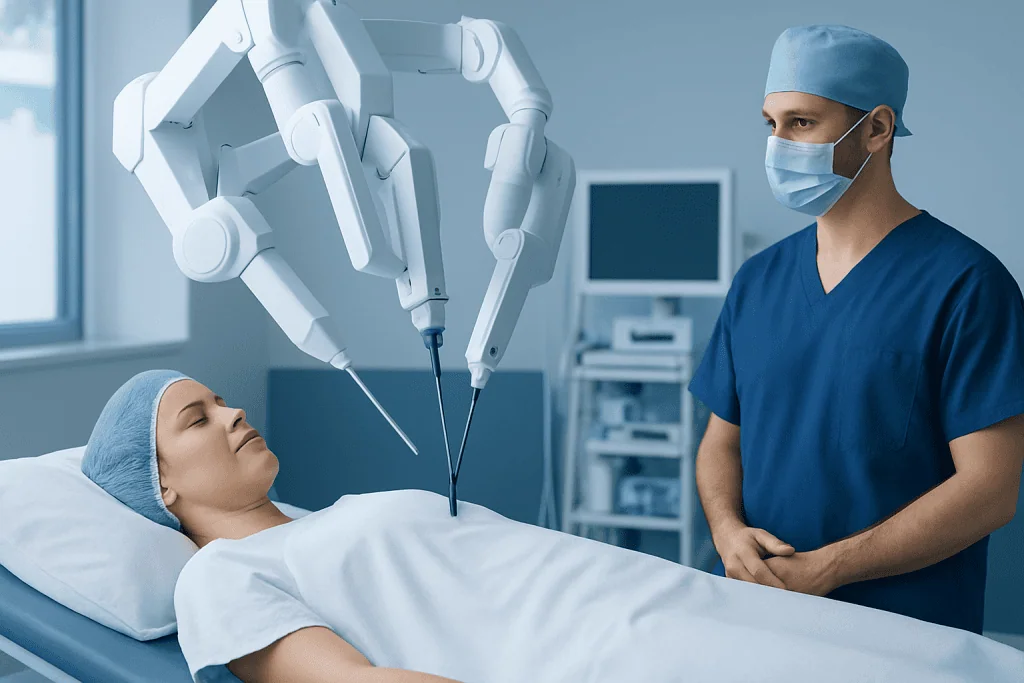
Surgery may be used at different points in cancer care. In some cases, it is the main treatment and aims to remove all visible cancer. In others, it supports diagnosis or helps improve comfort and daily function. The goals of surgery are discussed clearly before treatment so the person understands what the operation is intended to achieve.
Common reasons for cancer surgery include biopsy, complete tumor removal, debulking to reduce the size of a tumor, lymph node assessment, prevention in people at very high inherited risk, reconstruction, and palliative treatment to relieve symptoms such as blockage, bleeding, pain, or pressure on nearby structures.
Surgery may be performed before other treatments, after other treatments, or between treatment phases. For example, some people receive chemotherapy or radiation before an operation to shrink a tumor and make it easier to remove. Others have surgery first and then receive additional therapy to lower the risk of recurrence.
- Diagnostic surgery: obtains tissue so specialists can identify the cancer type.
- Staging surgery: helps determine whether cancer has spread locally or to lymph nodes.
- Curative surgery: aims to remove the entire tumor, often with a margin of healthy tissue.
- Cytoreductive or debulking surgery: removes as much tumor as possible when complete removal is not feasible.
- Palliative surgery: relieves symptoms and may improve quality of life.
- Reconstructive surgery: restores appearance or function after tumor removal.
Types of surgical oncology procedures
There is no single cancer operation that fits every diagnosis. The technique used depends on the organ involved and the purpose of surgery. Some procedures are relatively small, such as removing a suspicious skin lesion or placing a device to support treatment. Others are major operations involving the abdomen, chest, pelvis, head and neck, or bones and soft tissues.
Many cancers can be treated with minimally invasive methods when appropriate. These may include laparoscopic surgery, thoracoscopic surgery, robotic-assisted procedures, or endoscopic techniques. Smaller incisions may reduce pain, shorten hospital stay, and support faster recovery for selected patients. However, open surgery remains the safest or most effective option for some tumors, especially when a cancer is large, complex, or involves multiple structures.
Surgery may also be combined with other specialized techniques. Examples include lymph node mapping, image-guided procedures, reconstructive surgery, and operations integrated with radiation therapy or chemotherapy as part of a coordinated treatment plan. Depending on the diagnosis, surgery may also overlap with care for related conditions such as colon cancer or breast cancer.
Before surgery, the team explains what tissue or organs may be removed, whether lymph nodes are likely to be sampled, and what changes in body function may occur afterward. This helps patients prepare for practical issues such as temporary drainage tubes, dietary changes, speech or swallowing therapy, or rehabilitation of movement and strength.
How doctors decide if surgery is the right option
Planning cancer surgery begins with careful evaluation. Doctors usually review symptoms, medical history, previous treatments, and family history, then combine this information with imaging and pathology findings. The purpose is to understand the exact type of cancer, where it is located, and whether surgery can be performed safely and meaningfully.
Common tests before surgery may include blood work, ultrasound, CT, MRI, PET imaging, endoscopy, heart or lung assessment, and biopsy results. These tests help determine the stage of disease and whether the tumor can be removed with clear margins while preserving as much normal function as possible.
The overall health of the patient is equally important. Surgeons consider age, nutrition, fitness, smoking status, chronic conditions, previous operations, and ability to recover from anesthesia and wound healing. In some cases, another treatment may be recommended first to improve the chance of a successful operation.
Many hospitals discuss complex cancer cases in multidisciplinary meetings. This team-based review helps match treatment to the individual’s needs and can clarify whether surgery should be combined with immunotherapy, radiation, systemic treatment, or supportive care. Patients are encouraged to ask about the expected benefit of surgery, possible alternatives, and how success will be measured.
What to expect before, during, and after cancer surgery
Preparation often starts days to weeks before the operation. Patients may receive instructions about medicines to stop or continue, fasting, skin preparation, smoking cessation, and exercises to support breathing or mobility. It is also common to meet the anesthesia team and discuss pain control, expected hospital stay, and discharge planning.
On the day of surgery, the team confirms the procedure, reviews consent, and checks allergies, medications, and recent test results. Depending on the operation, surgery may be done as a day procedure or require several days in the hospital. During the operation, surgeons aim to remove the tumor safely while protecting nearby tissues and controlling bleeding.
After surgery, recovery begins in the post-anesthesia area and continues on the ward or, for some major operations, in intensive monitoring. Patients may have bandages, drains, intravenous fluids, a urinary catheter, or temporary dietary restrictions. Pain control is an important part of recovery, and the care team encourages movement as soon as it is safe to reduce the risk of blood clots, lung complications, and muscle weakness.
The pathology report after surgery is a key step in cancer care. It describes the tumor type, margin status, lymph node findings, and other features that help doctors decide whether further treatment is needed. This information may guide plans for additional therapy, surveillance, or rehabilitation.
Recovery after surgical oncology
Recovery after cancer surgery varies widely. A small outpatient procedure may allow return to light activity within days, while major surgery can require weeks to months of healing. Physical recovery is only one part of the process; emotional adjustment, fatigue, sleep changes, and concerns about body image or future treatment are also common and deserve support.
Good recovery usually depends on following discharge instructions closely. This includes wound care, safe use of pain medicines, hydration, appropriate nutrition, gradual activity, and watching for signs of complications. Some people also need physical therapy, occupational therapy, stoma education, speech and swallowing therapy, or nutritional support.
People often ask when they can return to work, drive, exercise, or travel. The answer depends on the area operated on, the extent of surgery, and whether additional treatment is planned. The surgeon usually gives a timeline based on lifting restrictions, mobility, symptom control, and the need for follow-up appointments or drain removal.
- Follow wound and dressing instructions exactly.
- Take medicines only as directed and ask before using supplements.
- Walk regularly if approved, but avoid heavy lifting until cleared.
- Eat balanced meals with enough protein and fluids to support healing.
- Attend all follow-up visits to review pathology and next steps.
Possible risks, side effects, and when to seek medical help
All surgery carries some risk, although the type and degree of risk differ by procedure. General concerns can include bleeding, infection, pain, blood clots, breathing problems, anesthesia-related issues, delayed wound healing, and temporary or lasting changes in organ function. Specific risks depend on the part of the body being treated.
Some effects are expected and improve with time, such as soreness, tiredness, swelling, bruising, or reduced appetite. Other issues may need closer follow-up, especially if the operation affects digestion, urination, fertility, movement, speech, or appearance. Clear communication with the care team helps patients understand what is normal and what is not.
Medical advice should be sought promptly for fever, increasing redness or drainage from the wound, severe or worsening pain, chest pain, shortness of breath, calf swelling, heavy bleeding, vomiting that prevents fluids, or inability to pass urine or stool when expected. Early assessment can help prevent a small problem from becoming more serious.
Near the end of treatment planning, some patients look for centers with coordinated cancer care and rehabilitation services. Acibadem International’s multidisciplinary specialists and JCI-accredited hospitals diagnose and treat cancer for international patients, with surgical care tailored to the individual’s condition and recovery needs.
Frequently asked questions
What is the difference between a surgical oncologist and a general surgeon?
A surgical oncologist is a surgeon with focused expertise in the surgical care of cancer. While general surgeons can perform many operations, a surgical oncologist is especially experienced in tumor removal, cancer staging, and coordinating surgery with other cancer treatments.
Can surgery cure cancer?
In some cases, yes. Surgery can be potentially curative when the cancer is localized and can be completely removed, often with a margin of healthy tissue. However, some cancers need additional treatments after surgery, and not every cancer can be cured with an operation alone.
Is cancer surgery always a major operation?
No. Some cancer surgeries are minor procedures done on an outpatient basis, such as a biopsy or removal of a small skin lesion. Others are more extensive and require a hospital stay, depending on the tumor's size, location, and complexity.
How long does recovery after cancer surgery take?
Recovery time varies widely based on the type of surgery, the body area treated, and the person's overall health. Some people recover within days to a few weeks, while major operations may require several weeks or months, especially if rehabilitation or additional cancer treatment is needed.
Will surgery cause cancer to spread?
This is a common concern, but standard cancer surgery is designed to remove tumors safely using careful techniques. Surgeons and pathologists follow established methods to reduce risk and guide treatment, and surgery remains an important and evidence-based part of cancer care.
Why might someone need chemotherapy or radiation after surgery?
Additional treatment may be recommended if there is a risk that microscopic cancer cells remain after the operation. Chemotherapy, radiation therapy, targeted therapy, or immunotherapy can help lower the chance of recurrence, depending on the cancer type and pathology results.
References
- World Health Organization
- National Cancer Institute
- American Cancer Society
- European Society for Medical Oncology
- National Comprehensive Cancer Network
This article is for general information only and is not a substitute for professional medical advice. Please consult a qualified doctor about your individual situation.
Surgical Oncology in Turkey — costs, top hospitals & a free quote
JCI-accredited · board-certified surgeons · reply within 24h
Add us as a Preferred Source to see more of our trusted health content across Google Search, AI Overviews and Discover.

Medical Oncology Department
Medical treatment of cancer with chemotherapy, immunotherapy and targeted therapies under a multidisciplinary tumor board.
60 specialists in this unitMore from the Health Library



Related Specialists

Prof. Dr. Tolga Tüzüner
Orthopedic Surgery & Traumatology
Prof. Dr. Asim Kaytaz
Otorhinolaryngology
Prof. Dr. Abdullah Büyükçelik
Medical Oncology
Dr. Eda Nevra Candaş
Anesthesiology