Surgical turp: Symptoms, Causes, and Treatment — Complete Patient Guide
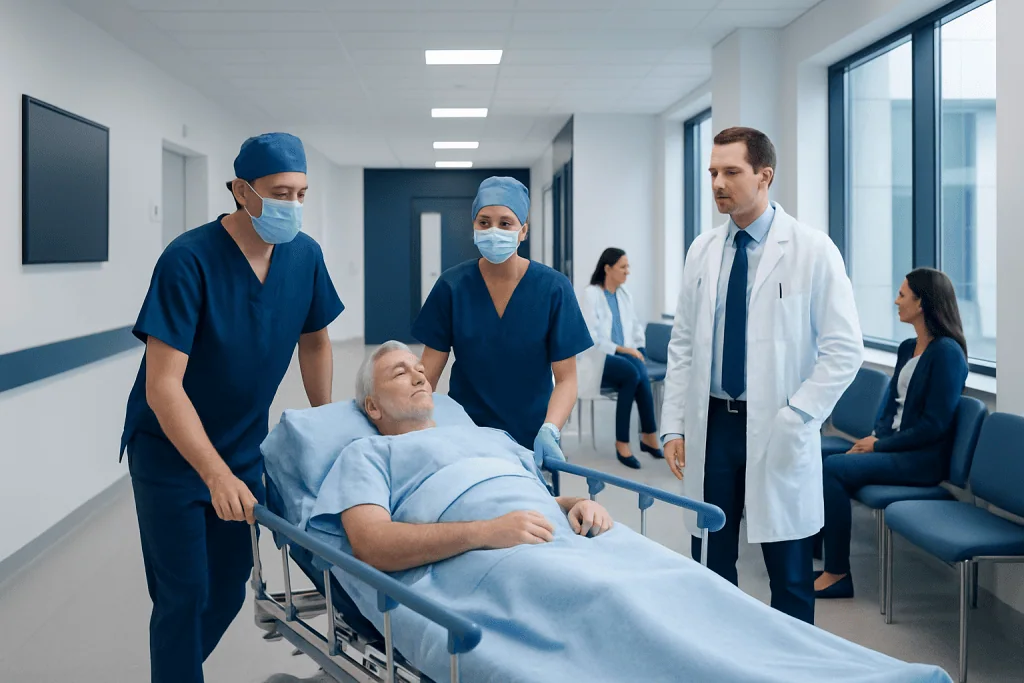
Surgical TURP stands for transurethral resection of the prostate, a procedure that removes part of the prostate causing urinary blockage. It is most often used for symptoms related to benign prostatic hyperplasia, also called an enlarged prostate.
Key Takeaways
- Surgical TURP stands for transurethral resection of the prostate, a procedure that removes part of the prostate causing urinary blockage.
- It is most often used for symptoms related to benign prostatic hyperplasia, also called an enlarged prostate.
- Common reasons for TURP include weak urine flow, difficulty starting urination, frequent urination, and incomplete bladder emptying.
- Doctors decide on TURP after reviewing symptoms, examination findings, urine tests, and sometimes imaging or cystoscopy.
- Recovery usually involves short-term catheter use and gradual improvement in urinary symptoms over days to weeks.
- Urgent medical care is needed for inability to urinate, fever, heavy bleeding, or severe pain.
Surgical TURP is a well-established procedure used to treat troublesome urinary symptoms caused by an enlarged prostate. It does not treat every prostate problem, but it can improve urine flow, reduce bladder obstruction, and help many men when medicines are no longer enough.
Overview: What surgical TURP means
Surgical TURP is a procedure called transurethral resection of the prostate. It is used to relieve urinary blockage caused by prostate tissue pressing on the urethra, the tube that carries urine out of the body. During the procedure, a surgeon reaches the prostate through the penis using a thin instrument, so there is no external cut on the abdomen.
Most often, surgical TURP is performed for benign prostatic hyperplasia, or BPH, which is a non-cancerous enlargement of the prostate that becomes more common with age. It is designed to improve urine flow and reduce symptoms such as straining, dribbling, urgency, and getting up many times at night to urinate. In many people, it is considered after lifestyle measures and medicines have not given enough relief.
Surgical TURP is not the same as surgery for prostate cancer, although some symptoms can overlap. Before recommending TURP, doctors usually make sure the urinary symptoms are most likely due to obstruction from an enlarged prostate rather than another condition such as infection, stones, nerve-related bladder problems, or prostate cancer.
Symptoms that may lead to TURP
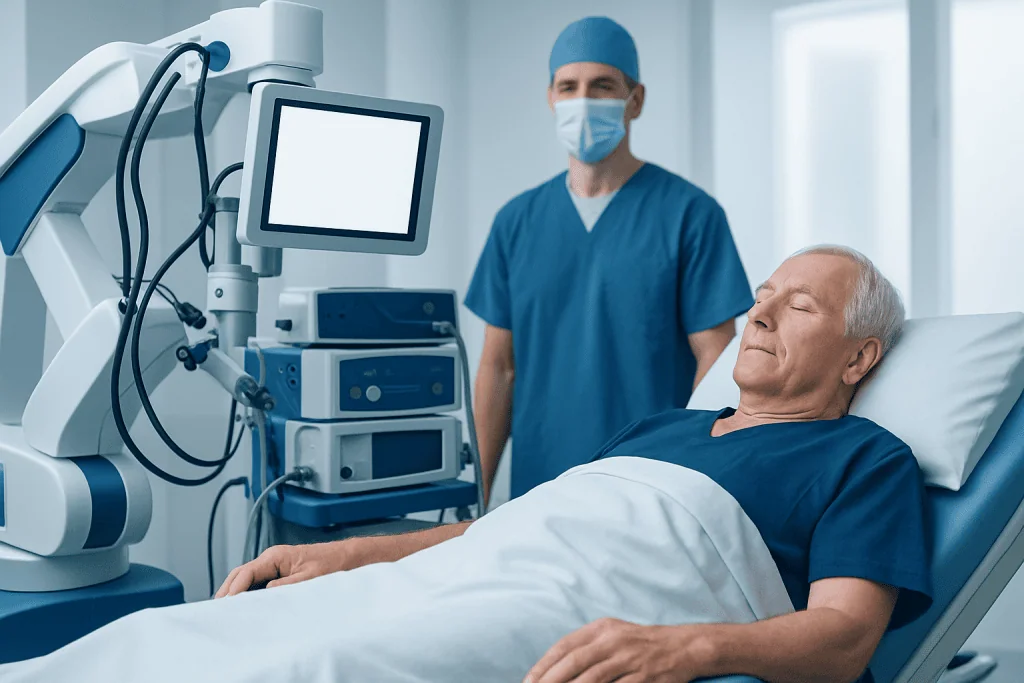
Surgical TURP is not a symptom itself. Instead, it is a treatment for urinary symptoms that can happen when the prostate becomes enlarged and narrows the urethra. These symptoms may develop gradually and can start to affect sleep, daily routines, travel, and overall comfort.
Common symptoms that may lead a doctor to consider TURP include:
- Weak or slow urine stream
- Difficulty starting urination
- Stopping and starting during urination
- Feeling that the bladder does not empty fully
- Frequent urination, especially at night
- Sudden urgency to urinate
- Dribbling after urination
- Urinary retention, meaning an inability to pass urine normally
Some men also have complications from long-term blockage rather than bothersome symptoms alone. These may include repeated urinary tract infections, bladder stones, blood in the urine related to prostate enlargement, or strain on bladder function. In such cases, surgery may be recommended even if day-to-day symptoms seem manageable.
Causes and risk factors behind the need for TURP

The main reason for surgical TURP is benign enlargement of the prostate. The prostate sits below the bladder and surrounds part of the urethra. As it grows, it can compress the urethra and make it harder for urine to pass. This is why symptoms often involve weak flow, hesitancy, and incomplete emptying.
Age is the most important risk factor for prostate enlargement. Hormonal changes over time are thought to contribute. Family history, obesity, metabolic health issues, and some lifestyle factors may also play a role in the development or progression of lower urinary tract symptoms, although not every man with an enlarged prostate will need surgery.
Doctors also look for other conditions that can cause similar symptoms or make urinary blockage worse. These include benign prostatic hyperplasia, urinary tract infection, prostate inflammation, bladder dysfunction, urethral narrowing, neurological disease, and certain medications. A careful evaluation helps ensure that TURP is being used for the right problem and that another treatment is not more appropriate.
How doctors diagnose the problem before surgery
Diagnosis before surgical TURP usually begins with a detailed discussion of symptoms, their severity, and how much they affect quality of life. A doctor may ask about urinary frequency, urgency, leakage, weak stream, infections, previous catheter use, and any blood in the urine. A medication review is also important because some drugs can worsen bladder emptying or increase bleeding risk during surgery.
The physical examination may include a digital rectal exam to estimate prostate size and check for any unusual findings. Basic tests often include urine analysis to look for infection or blood, blood tests to assess kidney function, and sometimes a prostate-specific antigen test if clinically appropriate. In some cases, bladder scans are used to measure how much urine remains after voiding.
Additional tests may be recommended depending on the situation. These can include ultrasound, urine flow studies, cystoscopy to look inside the urethra and bladder, or tests to assess the bladder muscle. The goal is to confirm that symptoms are caused by obstruction and to plan the safest, most effective treatment. When surgery is indicated, options may include holmium laser prostate surgery or a conventional TURP approach, depending on prostate size, anatomy, overall health, and surgeon assessment.
Treatment options and where TURP fits
Not everyone with an enlarged prostate needs surgical TURP. Treatment usually starts with symptom monitoring, fluid and bladder habit adjustments, and medicines that relax the prostate or help shrink it over time. If symptoms remain moderate to severe, or if complications such as repeated retention or infection develop, a procedure may be the next step.
Surgical TURP has been used for many years and remains one of the standard procedures for bladder outlet obstruction caused by prostate enlargement. During the operation, a surgeon removes small pieces of obstructing prostate tissue through a scope inserted into the urethra. This creates a wider channel for urine to pass. The tissue may also be sent for laboratory review if needed.
Other procedural choices may be discussed in selected patients. These can include water vapor therapy for BPH, GreenLight laser treatment, or other endoscopic techniques. The best option depends on symptom severity, prostate size, bleeding risk, urinary retention history, and personal priorities such as recovery time or preservation of ejaculation. A urologist can explain the expected benefits and limitations of each approach.
Like any surgery, TURP has possible risks. These may include bleeding, infection, temporary difficulty urinating after catheter removal, irritation during healing, scar-related narrowing, or changes in ejaculation. Some men may need further treatment later if prostate tissue grows again or if symptoms are caused by more than one urinary problem.
Recovery, aftercare, and self-care at home
After surgical TURP, many patients stay in hospital for a short period while urine drainage is monitored through a catheter. It is common for the urine to look pink or lightly blood-tinged at first. Mild burning, urgency, or frequency can also happen during the healing phase and usually improve gradually.
At home, recovery often focuses on rest, hydration, and avoiding strain while the prostate area heals. Doctors commonly advise avoiding heavy lifting, strenuous exercise, and constipation for a period of time. Drinking enough water may help keep urine flowing, but fluid advice should follow the treating doctor’s instructions, especially in people with heart or kidney conditions.
Useful self-care measures may include:
- Taking medicines exactly as prescribed
- Avoiding alcohol or bladder irritants if they worsen symptoms
- Using stool-softening strategies if recommended to avoid straining
- Watching for fever, increasing bleeding, or worsening pain
- Attending follow-up visits to review recovery and symptom improvement
Sexual activity and return to work depend on healing, the type of work involved, and individual recovery. Some men notice retrograde ejaculation, where semen goes backward into the bladder rather than out through the penis. This is usually not harmful, but it can affect fertility planning and should be discussed with the urologist beforehand.
When to seek medical care
Medical review is important when urinary symptoms are becoming more frequent, interrupting sleep, causing discomfort, or affecting daily activities. Men should also seek care if they have repeated urinary infections, visible blood in the urine, bladder pain, or episodes of sudden urgency and leakage. Early assessment can help identify whether symptoms are due to prostate enlargement or another treatable cause.
Urgent medical attention is needed if a person cannot urinate, develops fever or chills, has severe lower abdominal pain, passes large clots, or notices heavy bleeding in the urine. These symptoms do not always mean a serious problem, but they should be assessed promptly. Anyone recovering from TURP should contact their doctor if symptoms worsen rather than gradually improve.
For international patients who need evaluation or treatment, Acibadem International’s multidisciplinary specialists and JCI-accredited hospitals diagnose and treat prostate-related urinary conditions using modern medical and surgical options tailored to the individual.
Frequently asked questions
What is surgical TURP used for?
Surgical TURP is used to treat urinary problems caused by an enlarged prostate blocking urine flow. It is most often recommended when symptoms are bothersome, medicines are not helping enough, or complications such as urinary retention develop.
Is TURP a major surgery?
TURP is a surgical procedure, but it is done through the urethra without an external incision. It is generally considered less invasive than open surgery, though it still requires anesthesia, recovery time, and follow-up.
How long does it take to recover after TURP?
Initial recovery often takes days to a few weeks, but full healing can take longer. Urinary symptoms may improve gradually, and temporary burning, urgency, or mild bleeding can happen during recovery.
Can TURP cure an enlarged prostate permanently?
TURP removes the part of the prostate that is causing blockage, so it can provide long-lasting symptom relief for many men. However, it does not stop the prostate from aging, and some patients may need additional treatment in the future.
Will TURP affect sexual function?
Some men notice changes after TURP, most commonly retrograde ejaculation. Erectile function may remain unchanged in many patients, but sexual side effects vary, so it is important to discuss personal concerns with the treating urologist before surgery.
When is TURP better than medicine alone?
TURP may be a better option when symptoms are moderate to severe, when medicine does not provide enough relief, or when complications develop. Examples include repeated urinary retention, recurrent infections, bladder stones, or significant incomplete bladder emptying.
References
- National Institute of Diabetes and Digestive and Kidney Diseases
- American Urological Association
- European Association of Urology
- National Health Service
- Mayo Clinic
This article is for general information only and is not a substitute for professional medical advice. Please consult a qualified doctor about your individual situation.
TURP in Turkey — costs, top hospitals & a free quote
JCI-accredited · board-certified surgeons · reply within 24h
Add us as a Preferred Source to see more of our trusted health content across Google Search, AI Overviews and Discover.