Sweat — Explained by Medical Evidence, Not Myths

Sweat is produced mainly to regulate body temperature and protect the body from overheating. The amount of sweat varies widely between people and can be influenced by fitness, environment, emotions, hormones, and medications.
Key Takeaways
- Sweat is produced mainly to regulate body temperature and protect the body from overheating.
- The amount of sweat varies widely between people and can be influenced by fitness, environment, emotions, hormones, and medications.
- Excessive sweating may be primary hyperhidrosis or a sign of another medical condition.
- Night sweats, sudden unexplained sweating, or sweating with other symptoms should be assessed by a doctor.
- Simple measures such as hydration, breathable clothing, and trigger awareness can help manage everyday sweating.
Sweat is the body's natural cooling system, and in most situations it is a healthy, necessary response to heat, exercise, stress, or spicy foods. Medical evaluation becomes important when sweat is excessive, happens unexpectedly, occurs mostly at night, or is paired with symptoms such as weight loss, fever, chest pain, or dizziness.
What sweat is and why the body makes it
Sweat is a clear fluid made by sweat glands in the skin. Its main job is to help the body maintain a safe temperature. When body heat rises during exercise, warm weather, fever, or emotional stress, sweat reaches the skin surface and evaporates, which helps cool the body.
This process is normal and essential. Many people worry that sweating always means something is wrong, but in most cases it reflects a healthy body response. The amount of sweat can differ greatly from person to person, even in similar conditions, so one person’s “normal” may be very different from another’s.
There are two main types of sweat glands. Eccrine glands are found across most of the body and produce watery sweat that mainly helps with cooling. Apocrine glands are found in areas such as the armpits and groin; they become active after puberty and are more closely linked with body odor when skin bacteria break down sweat components.
What affects how much a person sweats
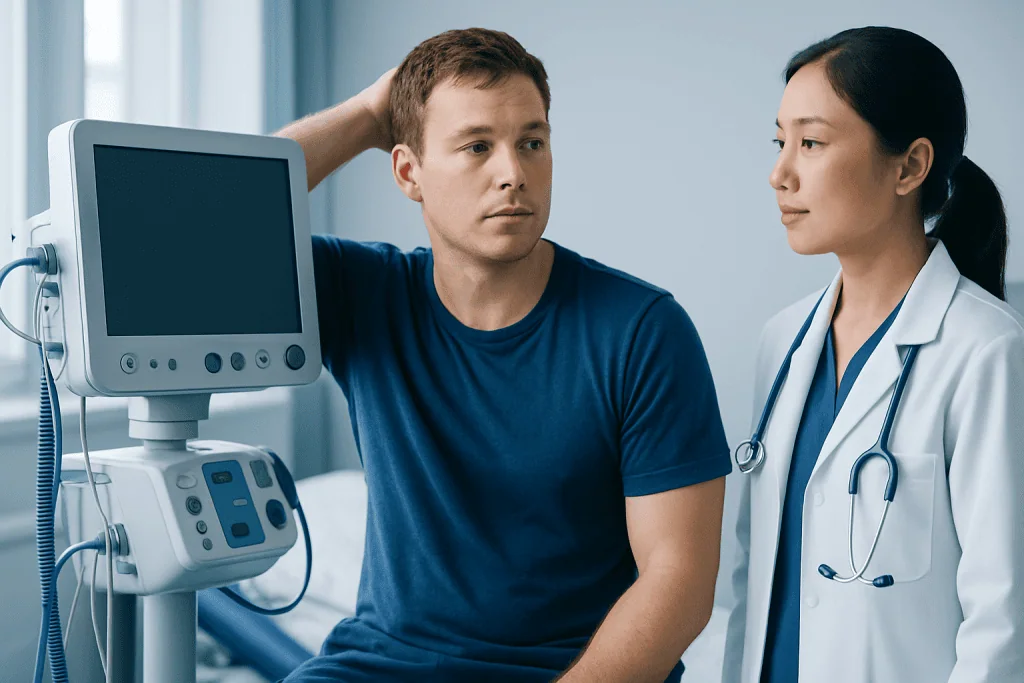
Sweating is influenced by more than heat alone. Physical activity, humidity, emotional stress, pain, fever, hot drinks, caffeine, and spicy foods can all increase sweating. Hormonal changes during puberty, pregnancy, menopause, or thyroid disorders may also affect sweat production.
Body size, fitness level, genetics, and acclimatization to heat also matter. A trained athlete may begin sweating earlier and more efficiently than someone who is less conditioned, which is often a sign that the body has adapted well to exercise and temperature control.
Some medications can make sweating more noticeable. Examples include certain antidepressants, diabetes medicines that can contribute to low blood sugar, hormone-related treatments, and some pain relievers. Alcohol withdrawal and recreational drugs can also trigger sweating. If sweating changes soon after starting a new medicine, it is sensible to discuss it with a clinician rather than stopping treatment without advice.
When sweating is considered excessive or abnormal

Excessive sweating is usually described as sweating more than the body needs for temperature control. It may interfere with daily activities, soak clothing, affect hand grip, disturb sleep, or cause embarrassment and skin irritation. Doctors often divide this into primary and secondary causes.
Primary hyperhidrosis usually affects specific areas such as the palms, soles, underarms, or face. It often starts earlier in life, may run in families, and happens without an underlying illness. Although it is not usually dangerous, it can significantly affect comfort, confidence, school, work, and social situations. Learn more about hyperhidrosis.
Secondary sweating happens because of another issue, such as infection, overactive thyroid, menopause, low blood sugar, obesity, anxiety, neurological conditions, medication side effects, or, less commonly, more serious illnesses. Night sweats can also have many causes, from warm bedding and hormonal changes to infections or other medical conditions. The pattern, timing, and associated symptoms help guide evaluation.
- Localized sweating may suggest primary hyperhidrosis.
- Generalized sweating may be more likely to have an underlying cause.
- New-onset sweating later in adulthood deserves medical review.
- Night sweats are more important if they are drenching or persistent.
Symptoms and clues that help explain sweat changes
The context around sweating often matters as much as the sweating itself. Sweating with exercise or summer heat is expected. Sweating with tremor, palpitations, unexplained weight loss, diarrhea, or heat intolerance may suggest a hormone-related problem such as an overactive thyroid. Sweating with shakiness, hunger, or confusion may occur with low blood sugar.
Body odor, damp skin folds, rashes, or recurrent fungal infections can result from frequent moisture on the skin. On the hands and feet, excessive sweating may lead to peeling, irritation, or difficulty holding objects. Underarm sweating can stain clothing and affect confidence, even when a person is otherwise healthy.
Sudden sweating along with chest pain, shortness of breath, fainting, severe weakness, or nausea may signal a medical emergency. Sweating with fever, cough, swollen glands, or lasting fatigue may point to infection or another systemic illness. In some people, sweating can also accompany anxiety or panic symptoms, although a doctor may first need to rule out physical causes.
How doctors diagnose the cause of sweating
Diagnosis begins with a careful medical history. A doctor will usually ask when the sweating began, which body areas are involved, whether it happens in the daytime or at night, what seems to trigger it, and whether there are symptoms such as fever, weight loss, palpitations, or medication changes. Family history can be helpful, especially when primary hyperhidrosis is suspected.
A physical examination may look for signs of thyroid disease, infection, dehydration, skin irritation, or neurological problems. Testing is not always needed for long-standing, localized sweating that fits a typical pattern of primary hyperhidrosis. However, laboratory tests may be recommended when sweating is generalized, new, severe, or associated with other symptoms.
Depending on the situation, tests might include blood sugar measurement, thyroid function tests, blood counts, or studies for infection or hormone changes. When excessive sweating affects quality of life, specialist input may be useful. In selected cases, treatment options can include prescription antiperspirants, medications, injections, or procedures such as Botox treatment to reduce sweating in targeted areas.
Treatment and practical ways to manage sweat
Treatment depends on the cause. Normal sweating from heat or exercise does not need medical treatment, but good hydration, rest, and cooling strategies are important. If sweating is linked to another condition, treatment focuses on that cause, such as managing thyroid disease, reviewing medications, or addressing infection, menopause, or low blood sugar.
For primary hyperhidrosis, conservative measures may help. These include using a strong antiperspirant as directed, wearing breathable fabrics, changing socks regularly, using absorbent shoe inserts, and keeping affected areas dry. Avoiding known triggers such as spicy foods, alcohol, or excessive caffeine may also reduce symptoms in some people.
When home measures are not enough, doctors may recommend additional options. Depending on the body area and severity, treatment may include prescription products, oral medicines, or procedures performed by specialists. If sweating is part of broader skin concerns, an evaluation in dermatology care can help tailor treatment and protect skin health. In selected situations, other causes such as thyroid conditions may need to be investigated if symptoms suggest an endocrine problem.
Because excessive sweating can affect emotional well-being, support matters too. Practical planning, discreet clothing choices, and open discussion with a healthcare professional can reduce the day-to-day burden. Near the end of the care pathway, patients seeking coordinated evaluation may find that Acibadem International’s multidisciplinary specialists and JCI-accredited hospitals diagnose and treat sweating-related conditions for international patients.
Self-care, prevention, and reducing discomfort
Not all sweating can or should be prevented, but simple steps can improve comfort. Drinking enough fluids, especially in hot weather or during exercise, supports normal temperature control. Light, loose, breathable clothing can help sweat evaporate. Showering after exercise and drying skin folds well may reduce odor and irritation.
It is also useful to watch for personal patterns. Some people sweat more after certain foods, during stressful meetings, or in very humid environments. Keeping a brief symptom diary can make triggers easier to identify and can give doctors useful information if an appointment is needed.
- Use antiperspirant on dry skin and follow product instructions carefully.
- Choose moisture-wicking socks and well-ventilated footwear if feet sweat heavily.
- Change damp clothes promptly to reduce skin irritation.
- Take breaks, seek shade, and cool down gradually during heat exposure.
- Never ignore signs of heat exhaustion, such as dizziness, headache, or nausea.
If sweating happens mainly during exercise or outdoor activity, it can help to review general preventive health check-up advice with a clinician, especially if there are concerns about heat tolerance, medication effects, or an underlying condition.
When to seek medical care
Medical care is recommended when sweat changes are new, unexplained, severe, or disruptive. A doctor should assess persistent night sweats, drenching sweating without clear triggers, or sweating that affects sleep, work, school, or social life. The same is true if sweating is accompanied by fever, weight loss, tremor, palpitations, diarrhea, or swollen glands.
Urgent care is needed if sweating occurs with chest pain, trouble breathing, fainting, confusion, severe weakness, or signs of heat illness. Heavy sweating with very hot skin, dizziness, headache, vomiting, or muscle cramps can be a warning sign that the body is struggling to regulate temperature.
In children, older adults, pregnant people, and those with chronic illnesses, dehydration and heat-related problems can develop more quickly. Early medical advice can help identify whether sweating is a normal body response, a treatable condition such as hyperhidrosis, or a symptom of another health issue.
Frequently asked questions
Is sweat good for the body?
Yes. Sweat is a normal and important way the body cools itself and helps prevent overheating. In most situations, sweating is a healthy response to exercise, warm temperatures, or emotional stress.
Why do some people sweat more than others?
Sweat levels vary naturally because of genetics, fitness, body size, hormones, climate, and personal sensitivity to heat or stress. Some people also have hyperhidrosis, a condition that causes more sweating than the body needs for temperature control.
Does sweat remove toxins from the body?
Sweat mainly helps regulate temperature, not detoxify the body. The liver and kidneys are the main organs that process and remove waste products. Sweating may release tiny amounts of certain substances, but that is not its main medical role.
Are night sweats always serious?
No. Night sweats can happen because of a warm room, heavy bedding, menopause, stress, or some medicines. They should be evaluated if they are persistent, drenching, new, or linked with fever, weight loss, or other concerning symptoms.
What is the difference between sweat and body odor?
Sweat itself is usually mostly odorless. Body odor develops when bacteria on the skin break down components of sweat, especially in areas such as the armpits and groin where apocrine glands are active.
Can anxiety cause sweating?
Yes. Emotional stress and anxiety can activate the nervous system and increase sweating, especially on the palms, face, and underarms. Even so, persistent or sudden sweating should not automatically be blamed on anxiety until other causes are considered.
References
- American Academy of Dermatology
- National Institute of Diabetes and Digestive and Kidney Diseases
- Mayo Clinic
- Cleveland Clinic
- Merck Manual Consumer Version
This article is for general information only and is not a substitute for professional medical advice. Please consult a qualified doctor about your individual situation.
Medical weight-loss options in Turkey — costs & eligibility
JCI-accredited · board-certified surgeons · reply within 24h
Add us as a Preferred Source to see more of our trusted health content across Google Search, AI Overviews and Discover.