Swollen Tonsils Explained: Common Triggers and Red Flags

Swollen tonsils are commonly linked to viral infections, bacterial tonsillitis, and throat irritation. Pain with swallowing, fever, bad breath, and visible redness or white patches can occur alongside tonsil swelling.
Key Takeaways
- Swollen tonsils are commonly linked to viral infections, bacterial tonsillitis, and throat irritation.
- Pain with swallowing, fever, bad breath, and visible redness or white patches can occur alongside tonsil swelling.
- Urgent assessment is important if swelling causes breathing trouble, drooling, severe one-sided pain, or dehydration.
- Diagnosis may include a throat exam, rapid strep testing, or additional tests when symptoms are persistent or unusual.
- Treatment depends on the cause and may include rest, fluids, pain relief, antibiotics for confirmed bacterial infection, or specialist ENT care.
Swollen tonsils usually mean the body is reacting to an infection or irritation in the throat. In many cases the cause is minor and improves with time, but certain symptoms can point to a need for prompt medical care.
Overview: what swollen tonsils usually mean
Swollen tonsils are enlarged lymphoid tissues at the back of the throat, most often caused by the immune system responding to infection or irritation. In children and adults, this can happen with a common viral illness, strep throat, or inflammation known as tonsillitis. The swelling may affect one tonsil or both, and it can range from mild fullness to marked enlargement that makes swallowing uncomfortable.
Tonsils are part of the body’s early defense system. They help recognize germs that enter through the mouth and nose, so they can become enlarged when fighting infection. Because of this role, swollen tonsils are a symptom rather than a diagnosis on their own. The key question is not only whether the tonsils are enlarged, but also what other symptoms are present and how long they have lasted.
Many episodes improve with supportive care, especially when caused by a virus. However, swollen tonsils should be taken more seriously if they are associated with breathing difficulty, severe pain, high fever, repeated infections, or persistent asymmetry. A careful history and throat examination help distinguish routine throat illness from problems that need targeted treatment.
Symptoms that can happen with swollen tonsils
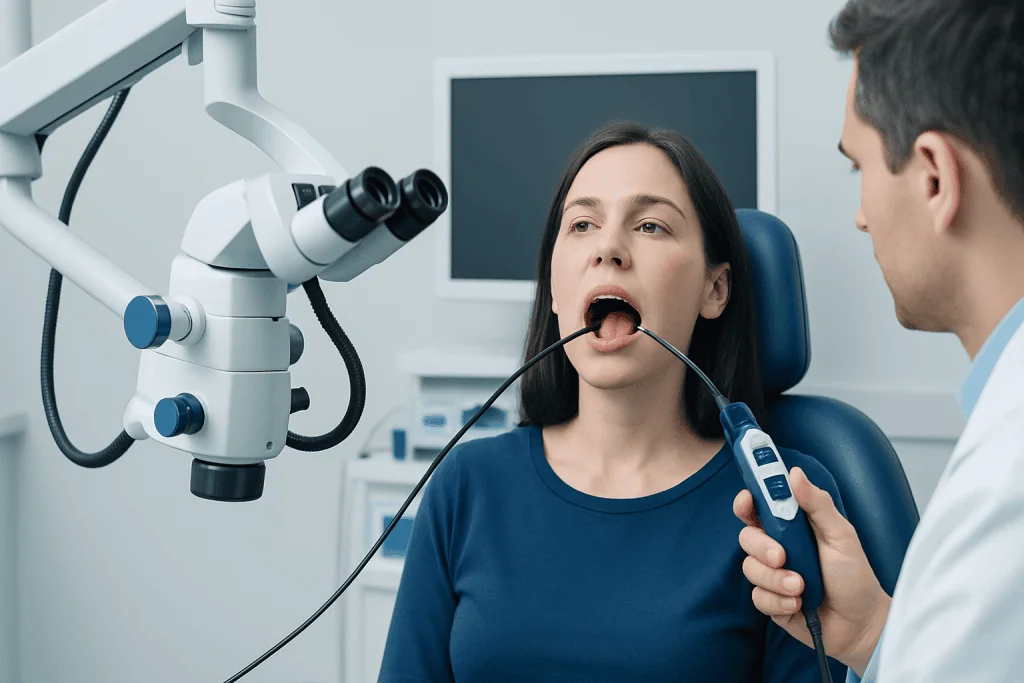
Swollen tonsils often come with sore throat, painful swallowing, and redness in the back of the throat. Some people also notice a muffled voice, bad breath, swollen neck glands, ear discomfort, headache, or fever. In children, reduced appetite, irritability, and disturbed sleep can be the first signs.
The appearance of the tonsils can offer useful clues. They may look red and enlarged, or show white spots, streaks, or a coating of pus. These findings can occur with bacterial or viral infections, so appearance alone does not always identify the cause. A healthcare professional considers the full symptom pattern rather than relying on one sign.
Sometimes enlarged tonsils mainly cause mechanical symptoms rather than pain. These include snoring, mouth breathing, a feeling of blockage in the throat, restless sleep, or pauses in breathing during sleep. When this pattern is present, especially if it is ongoing, an ear, nose, and throat specialist may evaluate for chronic tonsil enlargement or related airway issues.
- Common symptoms: sore throat, fever, painful swallowing, swollen glands
- Visible signs: red tonsils, white patches, enlarged tonsils touching or nearly touching
- Less obvious symptoms: snoring, muffled voice, poor sleep, bad breath
Common triggers and risk factors

The most common triggers for swollen tonsils are infections. Viral illnesses are frequent and include cold viruses, influenza, adenovirus, and other upper respiratory infections. Bacterial infection, especially group A streptococcus, can also cause significant throat pain and tonsil swelling. A person with tonsillitis may have fever, tender neck glands, and difficulty swallowing, although symptoms vary by age and cause.
Other infections can also enlarge the tonsils. Infectious mononucleosis, often related to Epstein-Barr virus, may lead to marked swelling, fatigue, and prolonged sore throat. Less commonly, fungal infection or sexually transmitted infections affecting the throat may be involved, especially in people with specific risk factors or weakened immunity.
Not all enlarged tonsils are due to infection. Allergies, postnasal drip, exposure to smoke, dry air, reflux, and chronic mouth breathing can irritate the throat and contribute to swelling or recurrent inflammation. In some people, the tonsils remain naturally large even between illnesses. Rarely, persistent one-sided enlargement, especially without signs of infection, may require further assessment to rule out an unusual underlying condition.
Risk factors include close contact with others who are ill, school or daycare exposure, seasonal viral circulation, smoking or secondhand smoke, and a history of repeated throat infections. Children tend to experience swollen tonsils more often because they are frequently exposed to new viruses and because tonsil tissue is relatively more active in early life.
How doctors diagnose the cause
Diagnosis begins with a medical history and physical examination. A clinician asks about the timing of symptoms, fever, cough, exposure to illness, swallowing difficulty, snoring, and whether one tonsil looks larger than the other. During the exam, the throat, tongue, neck lymph nodes, and breathing pattern are assessed. This often provides enough information to guide the next steps.
If bacterial infection is suspected, the clinician may perform a rapid strep test or send a throat swab for culture. These tests help confirm whether antibiotics are likely to be helpful. In some cases, blood tests may be considered, such as when infectious mononucleosis is suspected or symptoms are unusually prolonged.
Imaging is not routinely needed for simple sore throat, but it can be useful if there is concern about a deep neck infection, an abscess, or another structural problem. If swollen tonsils are recurrent, chronic, or linked to snoring and sleep disruption, referral to an ENT specialist may be recommended. Evaluation may also include a discussion of whether a tonsillectomy is appropriate in selected cases.
Treatment options for swollen tonsils
Treatment depends on the cause. When a virus is responsible, care is usually supportive: rest, fluids, soft foods, and age-appropriate pain relief recommended by a doctor or pharmacist. Warm drinks, cool liquids, and salt-water gargles can help some people feel more comfortable. Symptoms often improve over several days, though full recovery can vary.
If testing confirms a bacterial infection such as strep throat, a doctor may prescribe antibiotics. These are used to treat the infection, reduce complications, and help with symptom resolution when the cause is bacterial. Antibiotics do not help viral sore throats, which is why testing and clinical assessment matter.
When swelling is severe or there is concern about airway narrowing, dehydration, or a collection of infection around the tonsil, more urgent treatment may be needed. A peritonsillar abscess can cause severe one-sided throat pain, a muffled voice, drooling, and difficulty opening the mouth. In that setting, prompt medical care is important and ENT treatment may include drainage and close monitoring.
For people with repeated infections, persistent enlargement, or sleep-related breathing symptoms, specialist care may be advised. In carefully selected patients, surgery to remove the tonsils may reduce recurrent episodes or improve airway symptoms. Depending on the situation, clinicians may also assess for related problems such as sleep apnea treatment needs or, if the nose and sinuses contribute to chronic throat irritation, sinusitis treatment.
Self-care and prevention
Simple self-care can support recovery and reduce irritation. Drinking enough fluids helps keep the throat moist and lowers the risk of dehydration, especially if swallowing is uncomfortable. Soft foods, soups, smoothies, and cool or warm drinks are often easier to tolerate than spicy or rough-textured foods. Rest also gives the body the best chance to recover from infection.
Good hygiene lowers the chance of spreading or catching infections that can lead to swollen tonsils. Handwashing, avoiding sharing utensils, replacing a toothbrush after a confirmed bacterial throat infection if advised, and covering coughs and sneezes are practical measures. Smoke-free indoor air is also important, because tobacco smoke can worsen throat irritation and delay healing.
Prevention also means paying attention to patterns. If a person has repeated sore throats, chronic mouth breathing, heavy snoring, or frequent school or work absence due to throat infections, medical review can help identify an underlying issue. Sometimes the best prevention strategy is managing allergies, nasal blockage, or reflux that repeatedly inflame the throat.
When to seek medical care
Medical care is recommended if swollen tonsils are accompanied by high fever, symptoms lasting longer than expected, repeated episodes, or significant pain that interferes with eating and drinking. It is also wise to seek assessment when white patches are present, neck glands are very tender, or there has been close contact with someone known to have strep throat or mononucleosis.
Urgent medical attention is important if there is trouble breathing, noisy breathing, drooling, severe difficulty swallowing, dehydration, or marked swelling on one side of the throat. A very muffled voice, inability to fully open the mouth, or rapidly worsening throat pain can suggest a complication that needs prompt evaluation.
Persistent one-sided tonsil enlargement, unexplained weight loss, or symptoms that do not settle after appropriate treatment should also be reviewed by a clinician. For international patients who need specialist assessment, Acibadem International’s multidisciplinary specialists and JCI-accredited hospitals diagnose and treat ENT conditions, including recurrent tonsil problems, with coordinated care.
Frequently asked questions
Are swollen tonsils always a sign of tonsillitis?
No. Swollen tonsils can occur with tonsillitis, but they may also be caused by viral colds, allergies, throat irritation, reflux, or chronic enlargement without active infection. The associated symptoms and examination findings help doctors identify the likely cause.
Can swollen tonsils go away on their own?
Yes, many cases improve on their own, especially when the cause is a viral infection. Supportive care such as fluids, rest, and symptom relief is often enough. If symptoms are severe, persistent, or worsening, medical advice is important.
What is the difference between viral and bacterial swollen tonsils?
Viral throat infections may come with cough, runny nose, or hoarseness, while bacterial infections such as strep throat may cause fever, tender neck glands, and more pronounced pain without typical cold symptoms. However, symptoms can overlap. A throat swab or rapid strep test may be needed to confirm a bacterial cause.
When are antibiotics needed for swollen tonsils?
Antibiotics are usually considered when a bacterial infection is confirmed or strongly suspected by a clinician. They are not useful for viral infections. Taking antibiotics only when needed helps avoid side effects and unnecessary antibiotic use.
Can swollen tonsils affect sleep?
Yes. Enlarged tonsils can narrow the airway and contribute to snoring, restless sleep, mouth breathing, or pauses in breathing during sleep. If these symptoms are ongoing, an ENT evaluation may be helpful.
Should one swollen tonsil be a concern?
A single enlarged tonsil can happen with infection, but persistent one-sided swelling should be medically assessed, especially if there is severe pain, fever, or no sign of a simple throat infection. A doctor can determine whether further examination or testing is needed.
References
- American Academy of Otolaryngology–Head and Neck Surgery
- Centers for Disease Control and Prevention
- National Health Service
- Mayo Clinic
- Merck Manual Consumer Version
This article is for general information only and is not a substitute for professional medical advice. Please consult a qualified doctor about your individual situation.
Explore treatments in Turkey — costs, top hospitals & a free quote
JCI-accredited · board-certified surgeons · reply within 24h
Add us as a Preferred Source to see more of our trusted health content across Google Search, AI Overviews and Discover.