Symptoms of a Stroke in Women and Men: What Can Feel Different?
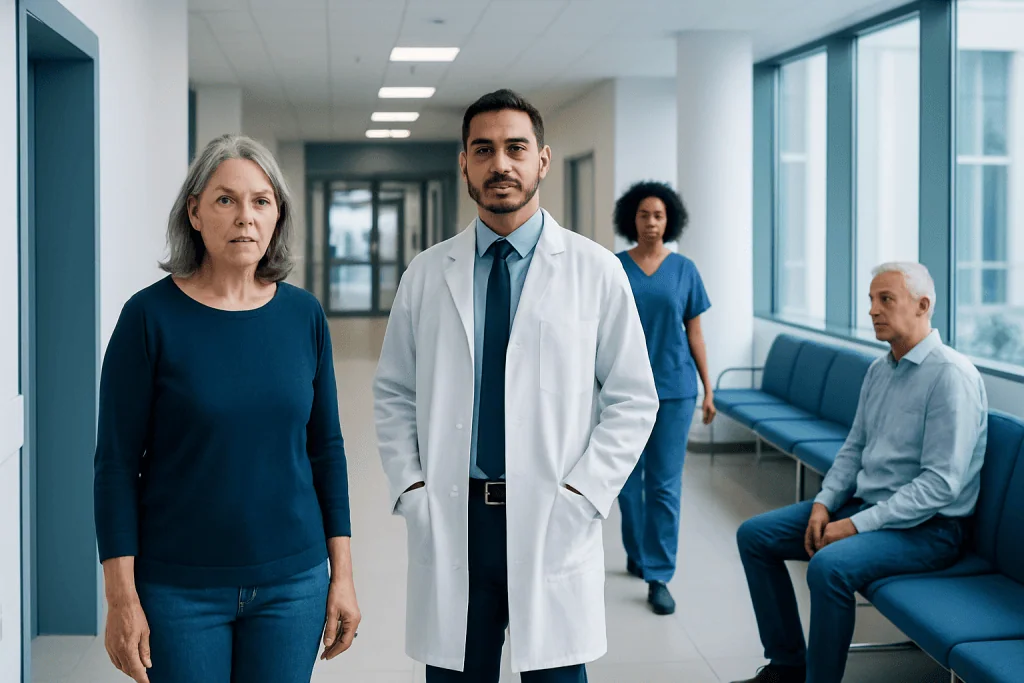
Stroke is a medical emergency, and early treatment can reduce brain injury and disability. The most common stroke signs in both women and men are facial drooping, arm weakness, and speech difficulty.
Key Takeaways
- Stroke is a medical emergency, and early treatment can reduce brain injury and disability.
- The most common stroke signs in both women and men are facial drooping, arm weakness, and speech difficulty.
- Women may sometimes have less typical symptoms such as sudden confusion, nausea, severe fatigue, or altered awareness.
- Symptoms start suddenly and should never be ignored, even if they improve quickly.
- Calling emergency services right away is safer than waiting to see if symptoms pass.
Stroke symptoms in women and men usually include sudden face drooping, arm weakness, and speech trouble, but some people—especially women—may also notice less typical symptoms. Knowing both common and uncommon warning signs can help people seek urgent care without delay.
Overview
A stroke happens when blood flow to part of the brain is blocked or when a blood vessel in the brain leaks or bursts. Without a steady supply of oxygen and nutrients, brain cells can begin to die within minutes. Because of this, stroke treatment is highly time-sensitive.
Many stroke symptoms are the same in women and men. These include sudden weakness, trouble speaking, numbness on one side of the body, and difficulty seeing or walking. However, women may at times experience additional or less typical symptoms that can be easier to overlook or mistake for another problem.
The most important message is that any sudden neurological change should be treated as urgent. Whether symptoms seem classic or unusual, getting emergency medical help quickly can improve the chance of recovery and reduce the risk of long-term disability.
Common Stroke Symptoms Everyone Should Know
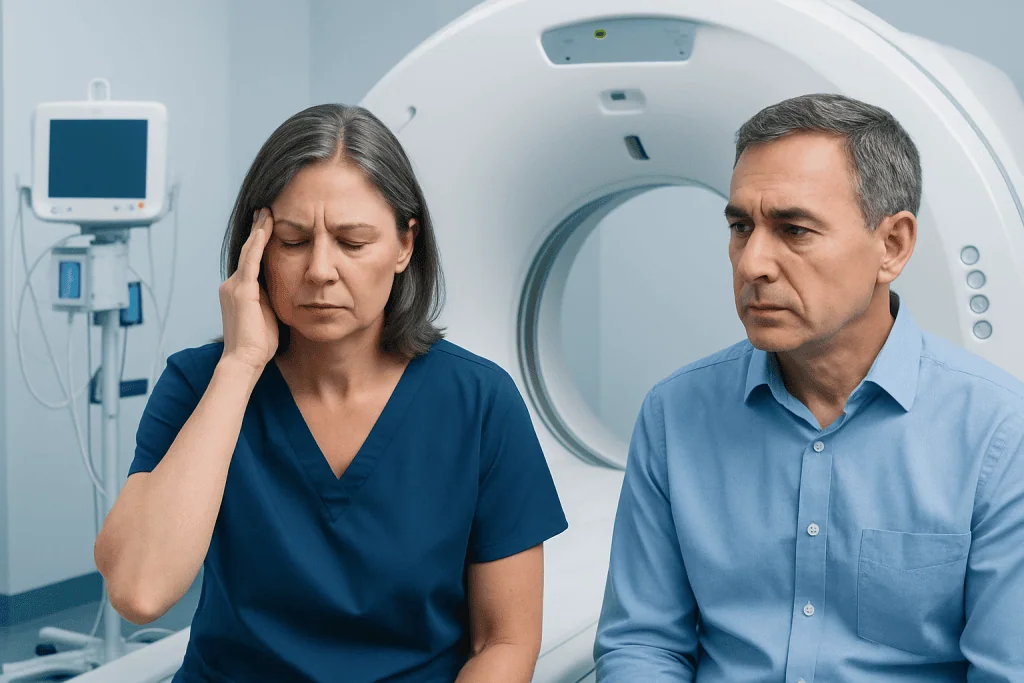
The most widely recognized stroke symptoms are summarized by the word FAST: Face drooping, Arm weakness, Speech difficulty, and Time to call emergency services. These signs are common in both women and men and should prompt immediate action.
Other frequent stroke symptoms include sudden numbness or weakness of the face, arm, or leg, especially on one side of the body; sudden trouble understanding speech; sudden vision loss or blurred vision in one or both eyes; sudden dizziness; trouble walking; and sudden loss of balance or coordination. A sudden, severe headache may also occur, especially in bleeding strokes.
Stroke symptoms usually begin suddenly. They may be severe from the start or may seem mild at first. Even if symptoms come and go or improve within minutes, urgent evaluation is still needed because this can happen with a transient ischemic attack (TIA), often called a mini-stroke, which is a warning sign for future stroke.
- Face drooping on one side
- Weakness or numbness in an arm or leg
- Slurred speech or difficulty speaking
- Confusion or trouble understanding words
- Vision changes
- Dizziness, imbalance, or trouble walking
- Sudden severe headache
What Can Feel Different in Women and Men?
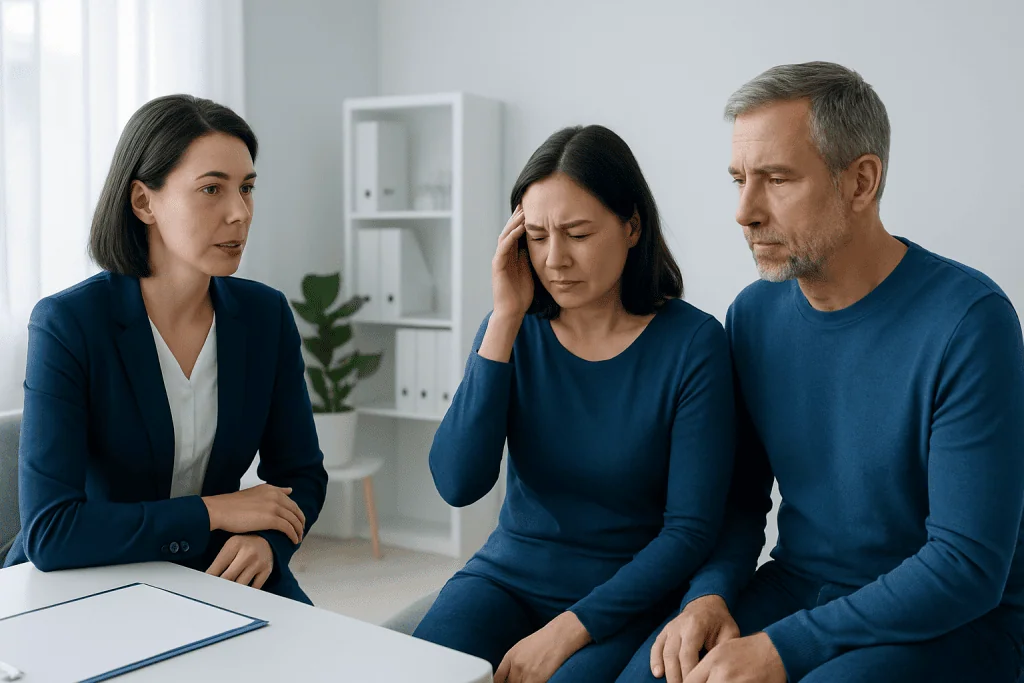
Women and men can both have the classic signs of stroke, and these are still the most important warning signals. However, women are more likely in some cases to report symptoms that feel less specific. These may include sudden confusion, unusual fatigue, nausea or vomiting, hiccups, shortness of breath, fainting, or a sudden change in alertness.
These differences do not mean that women have a completely different kind of stroke. Rather, the overall symptom pattern can sometimes be less obvious. A person may describe feeling “off,” suddenly disoriented, or extremely unwell without immediately recognizing that the brain is involved. This can delay treatment if family members or bystanders do not suspect a stroke.
Men, like women, most often experience the familiar signs such as weakness on one side, facial drooping, and speech problems. The key point is not to rely on stereotypes. Both women and men can have either typical or less typical symptoms, and both need emergency care right away.
If symptoms are sudden and unexplained, it is safer to assume stroke is possible until a medical team says otherwise. This is especially important when symptoms involve speech, movement, balance, awareness, or vision.
Why Stroke Symptoms Happen
Stroke symptoms depend on which part of the brain is affected and how much tissue is deprived of blood flow. If the area controlling speech is involved, speech may become slurred or difficult to understand. If the motor areas are affected, one side of the face, arm, or leg may become weak or numb. If the cerebellum or brainstem is involved, dizziness, poor coordination, or trouble walking can occur.
There are two main types of stroke. Ischemic stroke is caused by a blocked blood vessel and is the most common type. Hemorrhagic stroke happens when a blood vessel bleeds into or around the brain. Both are emergencies, but treatment approaches differ, which is why urgent brain imaging is important.
Some brief episodes of stroke-like symptoms are caused by a transient ischemic attack. A TIA does not always leave permanent brain injury, but it should never be ignored because it can be an early warning sign of a future stroke. People with possible warning episodes may need evaluation for transient ischemic attack as well as stroke.
Risk Factors and When Stroke May Be More Likely
Stroke risk increases with age, but it can happen at any age. Common risk factors include high blood pressure, diabetes, high cholesterol, smoking, obesity, atrial fibrillation and other heart rhythm problems, heart disease, lack of physical activity, and a previous stroke or TIA. Family history can also play a role.
Some factors may affect women differently. Pregnancy-related conditions, preeclampsia, certain hormonal therapies, and migraine with aura can influence stroke risk in some people. Women also tend to live longer on average, which may increase the chance of stroke later in life. Men may develop some vascular risk factors earlier, but both sexes benefit from prevention and regular medical care.
People should not try to estimate stroke risk in the middle of an emergency. Symptoms matter more than background risk. A healthy person with no known medical problems can still have a stroke, and someone with risk factors should be especially careful not to ignore sudden neurological symptoms.
Diagnosis and Emergency Evaluation
When stroke is suspected, doctors act quickly to confirm the diagnosis and determine the stroke type. This usually begins with a physical and neurological examination, a review of when symptoms started, blood pressure measurement, blood tests, and brain imaging. Computed tomography (CT) and magnetic resonance imaging (MRI) help show whether a blood vessel is blocked or bleeding.
Time of symptom onset is very important because some treatments are only helpful within specific time windows. If a person wakes up with symptoms or cannot say when they began, doctors use the best available information from witnesses, phone records, or the last time the person was known to be well.
Further testing may look for the cause of stroke, such as carotid artery disease, atrial fibrillation, or a heart-related source of blood clots. Depending on the case, specialists may use advanced scans and heart tests. In some centers, urgent care may include stroke treatment pathways and interventional neuroradiology procedures for blocked vessels.
Treatment Options and Recovery
Stroke treatment depends on the type of stroke and how quickly the person reaches medical care. For some ischemic strokes, clot-busting medicine may be used if the patient arrives within an appropriate treatment window and meets safety criteria. In selected cases, doctors may remove a clot from a large brain artery using a catheter-based procedure.
Hemorrhagic stroke treatment focuses on controlling bleeding, lowering dangerously high blood pressure when appropriate, managing complications, and sometimes performing procedures or surgery. Patients may also need support for breathing, swallowing, and nutrition in the acute phase.
Recovery can continue for weeks, months, or longer. Many people benefit from rehabilitation to improve strength, mobility, speech, balance, and daily function. This may involve physical therapy and rehabilitation and speech-language therapy, depending on the deficits. Ongoing medical treatment also aims to prevent another stroke by addressing blood pressure, cholesterol, diabetes, heart rhythm problems, and lifestyle habits.
Near the end of the care journey, some international patients seek coordinated evaluation and recovery planning. Acibadem International’s multidisciplinary specialists and JCI-accredited hospitals diagnose and treat stroke, including rehabilitation needs, for international patients.
What to Do Right Away and How to Help Prevent Stroke
If someone may be having a stroke, call emergency services immediately. Do not drive the person yourself unless no emergency transport is available. Note the time symptoms started or the last time the person seemed normal, and share that information with the medical team. Do not give food, drink, or medications unless instructed by a healthcare professional, because swallowing may be impaired.
While waiting for help, keep the person safe and comfortable. If they are awake, help them sit or lie down. If they are unconscious but breathing, place them on their side if possible. If symptoms stop before help arrives, emergency evaluation is still necessary because the event could have been a TIA or a stroke that is temporarily improving.
Prevention focuses on controlling modifiable risk factors. Regular blood pressure checks, managing diabetes and cholesterol, not smoking, staying physically active, maintaining a healthy weight, following a balanced diet, limiting alcohol, and taking prescribed medicines consistently all help reduce stroke risk. People with heart rhythm disorders or carotid artery disease may need specialist follow-up and additional preventive treatment.
Frequently asked questions
Are stroke symptoms different in women than in men?
Many stroke symptoms are the same in women and men, especially face drooping, arm weakness, and speech difficulty. Women may sometimes have less typical symptoms such as sudden confusion, extreme fatigue, nausea, or reduced alertness. Even so, any sudden neurological symptom should be treated as an emergency.
What are the first signs of a stroke to watch for?
The easiest signs to remember are FAST: face drooping, arm weakness, and speech difficulty, with time to call emergency services right away. Other early symptoms can include sudden numbness, trouble seeing, dizziness, loss of balance, or a severe headache.
Can stroke symptoms come and go?
Yes, stroke-like symptoms can sometimes improve or disappear temporarily. This may happen with a transient ischemic attack, which is a serious warning sign for a possible future stroke. Symptoms that come and go still require urgent medical evaluation.
Is a sudden severe headache always a stroke?
No, a sudden severe headache can have other causes, but it can also be a sign of a bleeding stroke. A headache is especially concerning if it starts abruptly and is accompanied by weakness, confusion, speech problems, or fainting. Emergency assessment is the safest choice.
What should family members do if they think someone is having a stroke?
They should call emergency services immediately and note when the symptoms began or when the person was last known to be well. It is best not to wait, not to offer food or drink, and not to assume symptoms will pass. Quick action can affect treatment options and recovery.
Can younger adults have a stroke?
Yes, although stroke becomes more common with age, it can happen in younger adults as well. High blood pressure, smoking, heart conditions, clotting problems, and certain pregnancy-related or hormonal factors can contribute. Any sudden stroke-like symptom at any age deserves urgent care.
This article is for general information only and is not a substitute for professional medical advice. Please consult a qualified doctor about your individual situation.
Explore treatments in Turkey — costs, top hospitals & a free quote
JCI-accredited · board-certified surgeons · reply within 24h
Add us as a Preferred Source to see more of our trusted health content across Google Search, AI Overviews and Discover.

More from the Health Library
Stroke Aftercare at Home: Safe Eating, Mobility, and Medication Tips
Stroke ICU Care: What Happens in the First 24 to 48 Hours
Stroke Mimics: Conditions That Can Look Like a Stroke
What Is a Stroke? Types, Brain Effects, and Why Every Minute Matters
Swallowing Problems After Stroke: Aspiration Risk, Testing, and Safe Eating