Symptoms of Iron Deficiency: Possible Causes and When to Seek Care

Common symptoms of iron deficiency include fatigue, weakness, dizziness, pale skin, and reduced stamina. Not everyone with iron deficiency has anemia, so symptoms may begin gradually and be easy to miss.
Key Takeaways
- Common symptoms of iron deficiency include fatigue, weakness, dizziness, pale skin, and reduced stamina.
- Not everyone with iron deficiency has anemia, so symptoms may begin gradually and be easy to miss.
- Low iron can result from blood loss, low dietary intake, reduced absorption, or increased needs such as pregnancy.
- Doctors usually diagnose iron deficiency with blood tests, including a complete blood count and iron studies.
- Treatment depends on the cause and may involve dietary changes, iron supplements, or treatment of underlying bleeding or digestive problems.
- Prompt medical care is important for severe symptoms, pregnancy, chest pain, fainting, or signs of bleeding.
Symptoms of iron deficiency commonly include tiredness, weakness, poor exercise tolerance, pale skin, headaches, and shortness of breath, although some people have few symptoms at first. Because these symptoms can overlap with many other conditions, a medical evaluation and simple blood tests are usually needed to confirm the cause and choose the right treatment.
Overview: what symptoms of iron deficiency can feel like
Symptoms of iron deficiency often start subtly. A person may notice unusual tiredness, reduced concentration, weakness, or getting out of breath more easily during daily activity. As iron stores fall further, symptoms can become more noticeable and may eventually affect work, exercise, mood, and quality of life.
Iron is essential for making hemoglobin, the protein in red blood cells that carries oxygen. When iron is low, the body may struggle to deliver enough oxygen to tissues efficiently. This is why iron deficiency can cause broad, non-specific symptoms rather than a single clear sign.
Importantly, iron deficiency is not always the same as iron deficiency anemia. Iron stores can become depleted before anemia develops, and some people feel symptomatic even when their hemoglobin is still within the normal range. That is one reason persistent symptoms should be discussed with a qualified doctor rather than self-diagnosed.
Common and less common symptoms
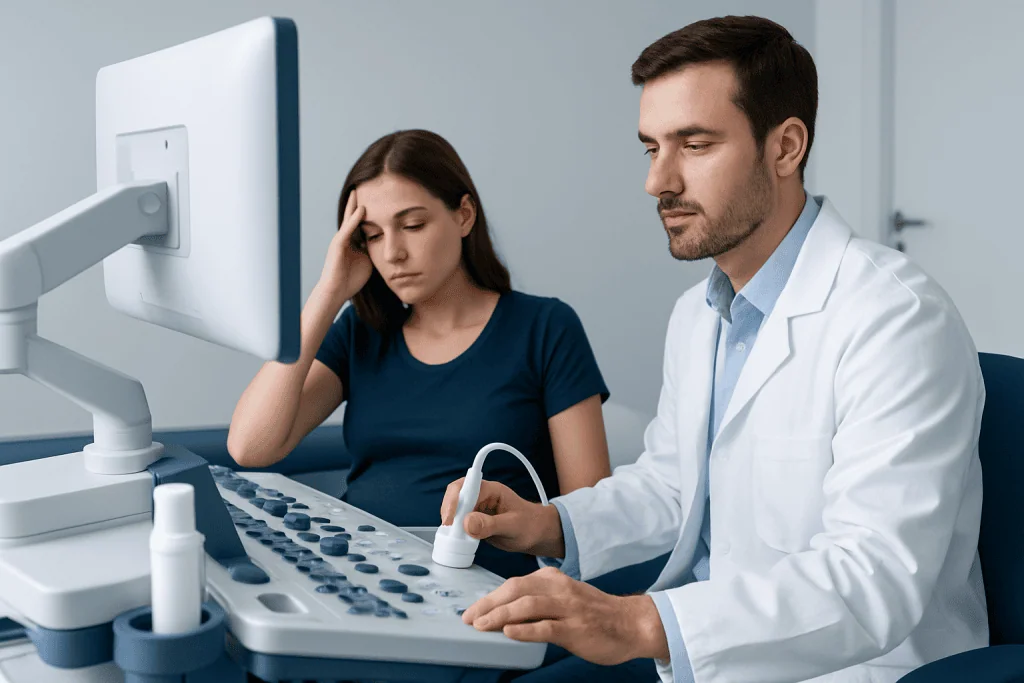
The most common symptoms of iron deficiency are often related to low energy and reduced oxygen delivery. These may develop gradually over weeks or months and are sometimes mistaken for stress, poor sleep, or a busy lifestyle.
- Fatigue or unusual tiredness
- Weakness or lower stamina
- Shortness of breath, especially with exertion
- Dizziness or lightheadedness
- Headaches
- Pale skin or pale inner eyelids
- Cold hands and feet
- Fast heartbeat or awareness of the heartbeat
Some symptoms are less well known but can still be linked to iron deficiency. These include brittle nails, hair shedding, sore tongue, cracks at the corners of the mouth, restless legs, and difficulty concentrating. Certain people also develop pica, which means craving non-food substances such as ice, clay, or starch. Craving and chewing ice in particular can sometimes be associated with iron deficiency.
Children and teenagers may show somewhat different patterns, such as irritability, poor attention, learning difficulties, or slowed growth if iron deficiency is prolonged. In older adults, symptoms may be more easily overlooked because tiredness and weakness can be attributed to aging or other medical conditions.
Possible causes and risk factors

Iron deficiency usually happens for one or more of four reasons: the body is losing blood, not getting enough iron from food, not absorbing iron well, or needing more iron than usual. Finding the reason matters because treatment should address both the low iron and the underlying cause.
Blood loss is a very common explanation. Heavy menstrual bleeding can gradually deplete iron stores over time. In other people, hidden blood loss from the digestive tract may be responsible, especially with ulcers, polyps, hemorrhoids, inflammation, or cancers. Doctors may also consider stomach or intestinal conditions such as colon cancer when symptoms, age, or test results raise concern.
Diet can contribute, especially if iron intake is low over a long period. This may happen with restrictive eating patterns, poor overall nutrition, or diets that contain little iron-rich food. Increased iron needs also play a role during pregnancy, adolescence, and periods of rapid growth.
Reduced absorption is another important cause. Some digestive disorders can interfere with the body’s ability to absorb nutrients, including iron. Long-term use of certain medicines may also affect absorption in some people. If digestive symptoms are present, doctors may evaluate for underlying gastrointestinal disease and, when appropriate, use tests such as colonoscopy or upper endoscopy to look for a source of blood loss or malabsorption.
How iron deficiency is diagnosed
Because the symptoms of iron deficiency overlap with many other conditions, diagnosis usually starts with a medical history, a physical examination, and blood tests. A doctor may ask about menstrual bleeding, diet, pregnancy, digestive symptoms, medications, family history, and any signs of blood loss such as dark stools or visible bleeding.
Laboratory testing commonly includes a complete blood count to look for anemia and red blood cell changes, along with iron studies such as ferritin, serum iron, transferrin saturation, and total iron-binding capacity. Ferritin often helps estimate the body’s iron stores, although it can be affected by inflammation or infection, so doctors interpret it in clinical context.
If iron deficiency is confirmed, the next step is understanding why it developed. In some cases, the cause is straightforward, such as heavy periods or pregnancy. In others, especially in men, postmenopausal women, or anyone with digestive symptoms or unexplained anemia, further evaluation may be needed to look for bleeding, malabsorption, or another underlying condition such as celiac disease.
Treatment options and what recovery may involve
Treatment depends on both the severity of the deficiency and its cause. For many people, doctors recommend iron supplements and advice on how to take them in a way that improves absorption and reduces stomach upset. It is generally safest to use iron under medical guidance, because too much iron can be harmful and symptoms alone do not confirm iron deficiency.
Dietary changes may also help restore iron stores. Iron-rich foods include red meat, poultry, fish, beans, lentils, tofu, fortified cereals, and dark leafy greens. Eating sources of vitamin C alongside iron-containing foods can help absorption, while some foods or drinks may reduce absorption when taken at the same time.
When iron deficiency is significant, symptoms are severe, or oral supplements are not tolerated or not working, intravenous iron may be considered. Some people also need treatment directed at the underlying cause, such as management of heavy menstrual bleeding or care for a digestive condition. If there is concern about blood loss from the bowel or stomach, doctors may recommend evaluation by specialists, including gastroenterology care.
Recovery is often gradual. Energy levels may begin to improve before iron stores are fully replenished, but treatment usually needs to continue for a period recommended by the doctor so the body’s reserves can recover. Follow-up blood tests are often used to confirm that treatment is working.
Prevention and self-care
Not every case of iron deficiency can be prevented, but some practical steps may reduce the risk. A balanced diet that includes iron-rich foods is a sensible foundation, especially for children, teenagers, pregnant people, and those who avoid meat. People with a history of iron deficiency may benefit from discussing ongoing prevention with their doctor rather than waiting for symptoms to return.
It is also helpful to pay attention to patterns that suggest ongoing blood loss or poor iron intake. Heavy periods, frequent blood donation, chronic digestive symptoms, and restrictive diets can all make recurrence more likely. In these situations, regular medical review may be appropriate.
Self-care should not replace evaluation if symptoms are persistent. Taking iron without advice may mask an underlying problem or lead to side effects such as constipation, nausea, or abdominal discomfort. A doctor can advise whether testing is needed and whether supplements, diet changes, or further investigation are the safest next steps.
When to seek medical care
Medical care is appropriate if symptoms of iron deficiency last more than a short time, interfere with daily life, or keep returning. A person should also arrange a medical review if they have heavy menstrual bleeding, known digestive disease, a restrictive diet, pregnancy, or a history of anemia, because these factors can increase the chance of low iron.
Urgent medical attention is important for chest pain, fainting, severe shortness of breath, black or bloody stools, vomiting blood, rapid worsening weakness, or symptoms during pregnancy that feel significant or unusual. These signs can suggest severe anemia or active bleeding and should not be managed at home.
For patients who need coordinated evaluation, Acibadem International’s multidisciplinary specialists in JCI-accredited hospitals diagnose and treat iron deficiency and its underlying causes for international patients. The goal is not only to restore iron levels, but also to identify why the deficiency developed and prevent it from returning.
Frequently asked questions
What are the first symptoms of iron deficiency?
Early symptoms are often mild and can include tiredness, weakness, reduced exercise tolerance, poor concentration, and headaches. Some people notice these changes only gradually, which is why iron deficiency can be missed at first.
Can someone have iron deficiency without anemia?
Yes. Iron stores can be low before hemoglobin drops enough to meet the definition of anemia. In that stage, a person may still have symptoms and may still need medical evaluation and treatment.
Do symptoms of iron deficiency always mean the diet is low in iron?
No. Low dietary intake is only one possible cause. Blood loss, poor absorption, pregnancy, growth, and certain digestive conditions can also lead to iron deficiency.
How is iron deficiency confirmed?
Doctors usually confirm it with blood tests rather than symptoms alone. Testing often includes a complete blood count and iron studies such as ferritin and transferrin saturation, interpreted together with the person's medical history.
How long does it take to feel better after treatment starts?
Many people begin to feel some improvement in energy within a few weeks, but this varies depending on how low the iron level is and what caused it. Treatment often continues longer so that iron stores can be fully replenished, and follow-up tests are commonly used to check progress.
When should iron deficiency symptoms be treated urgently?
Urgent care is important for severe shortness of breath, chest pain, fainting, black or bloody stools, vomiting blood, or rapidly worsening weakness. These symptoms may point to significant anemia or active bleeding and need prompt medical attention.
References
- World Health Organization
- National Heart, Lung, and Blood Institute
- National Institute of Diabetes and Digestive and Kidney Diseases
- American Society of Hematology
- Centers for Disease Control and Prevention
This article is for general information only and is not a substitute for professional medical advice. Please consult a qualified doctor about your individual situation.
Explore treatments in Turkey — costs, top hospitals & a free quote
JCI-accredited · board-certified surgeons · reply within 24h
Add us as a Preferred Source to see more of our trusted health content across Google Search, AI Overviews and Discover.

More from the Health Library


Related Specialists

Prof. Dr. Serhat Çelikel
Pulmonology
Assoc. Prof. Dr. Arzu Yurci
Gynecology & Obstetrics
Prof. Dr. Salih Marangoz
Orthopedic Surgery & Traumatology
Prof. Dr. Fatih Ata Genç
General Surgery