Synovial Joints Explained: How They Move and Why Cartilage Matters

Synovial joints are built for movement and include the knees, shoulders, hips, elbows, wrists, and ankles. Articular cartilage helps joint surfaces glide smoothly and cushions force during daily activity.
Key Takeaways
- Synovial joints are built for movement and include the knees, shoulders, hips, elbows, wrists, and ankles.
- Articular cartilage helps joint surfaces glide smoothly and cushions force during daily activity.
- Synovial fluid lubricates the joint and supports low-friction motion.
- Pain, swelling, stiffness, or clicking may suggest injury, inflammation, or wear in a synovial joint.
- Healthy weight, regular movement, and proper muscle strength can help protect joints over time.
Synovial joints are the body’s most mobile joints, allowing actions such as bending, walking, and reaching. Their smooth movement depends on cartilage, synovial fluid, ligaments, and surrounding muscles working together to reduce friction and support stability.
Overview
Synovial joints are the body’s most movable joints. They connect bones in a way that allows bending, rotating, lifting, and walking while still keeping the joint reasonably stable. Common examples include the shoulder, hip, knee, elbow, wrist, and ankle.
These joints are called “synovial” because they contain synovial fluid, a natural lubricant inside a capsule that surrounds the joint. Together with cartilage, ligaments, tendons, and muscles, this fluid helps joints move smoothly and absorb everyday stress.
Understanding how synovial joints work can help people appreciate why cartilage matters so much. When the joint surfaces are healthy, movement is efficient and comfortable. When the cartilage or other supporting structures are irritated or damaged, pain and stiffness may develop.
How Synovial Joints Work
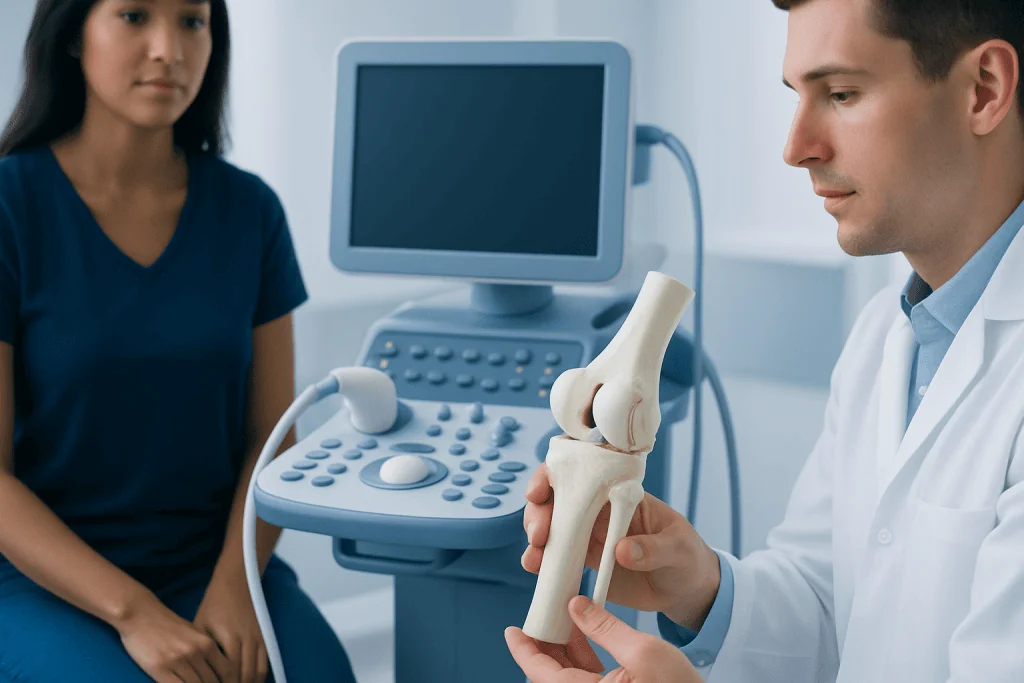
Every synovial joint has two or more bone ends covered by smooth articular cartilage. This cartilage provides a slippery surface so the bones do not rub directly against each other during movement. It also helps spread pressure across the joint, which is important when walking, climbing stairs, or lifting objects.
The joint is enclosed by a capsule lined with synovial membrane, which makes synovial fluid. This fluid lubricates the joint and nourishes the cartilage, which has a limited blood supply of its own. In other words, the joint is not only built for motion; it is also built to keep its moving parts healthy.
Ligaments connect bone to bone and help prevent excessive movement, while tendons connect muscles to bone and help create motion. Muscles also provide dynamic support, which means strong and well-coordinated muscles can reduce the load placed on the joint itself.
Symptoms of Synovial Joint Problems

When a synovial joint is irritated or injured, symptoms often appear gradually or after strain. Pain is one of the most common signs, and it may be felt during movement, after activity, or even at rest in some conditions. Stiffness, especially in the morning or after sitting still, is another frequent complaint.
Swelling, warmth, reduced range of motion, or a feeling that the joint is “catching” or “locking” can also occur. Some people notice clicking or popping sounds; these are not always serious, but they deserve attention if they are accompanied by pain, swelling, or instability.
Symptoms may affect one joint or several. The pattern can offer clues, but a qualified clinician is usually needed to determine whether the cause is injury, overuse, inflammation, infection, or wear-related change.
Causes and Risk Factors
Synovial joint problems can have many causes. Injury is a common one, including sprains, dislocations, meniscus or cartilage injuries, and sports-related trauma. Repetitive motion or overuse can also irritate the joint lining and surrounding tissues.
Inflammatory conditions such as rheumatoid arthritis or gout may affect the synovial membrane and cause swelling, pain, and stiffness. Degenerative changes, including osteoarthritis, can wear down cartilage over time and make movement less smooth.
Risk is influenced by age, previous joint injury, certain autoimmune conditions, occupation, activity level, and body weight. Genetics and joint shape may also play a role. For example, joints that bear more load, such as the knees and hips, are especially sensitive to long-term stress.
Diagnosis
Diagnosis begins with a medical history and physical examination. A clinician will ask about symptoms, injury history, activity level, and whether the problem is worse with rest or movement. They may also check joint stability, swelling, tenderness, and range of motion.
Imaging tests can help evaluate the bones and soft tissues around a joint. X-rays are often used to look for alignment issues, narrowing of joint space, or bony changes. In some cases, ultrasound or MRI may be recommended to assess cartilage, ligaments, tendons, or inflammation more closely.
Laboratory tests may be used if an inflammatory or infectious condition is suspected. When swelling is significant, a clinician may sometimes remove a small sample of joint fluid for analysis. The exact tests depend on the suspected cause and the joint involved.
Treatment Options
Treatment depends on the cause and severity of the joint problem. Many people start with conservative care such as activity modification, rest from aggravating movements, and guided exercise. Physical therapy is often important because it can improve mobility, strengthen supporting muscles, and reduce strain on the joint.
Pain and inflammation may be managed with non-surgical measures recommended by a doctor, such as oral or topical anti-inflammatory medicines, heat or cold therapy, or supportive braces. For certain conditions, injections or other procedures may be considered. If a structural problem is limiting movement, orthopaedic treatment may be needed, and some patients benefit from specialist evaluation at joint replacement services when advanced joint damage is present.
More focused care may also be used for specific diagnoses. For example, people with cartilage injuries, meniscus problems, or recurrent instability may require targeted procedures or arthroscopic surgery to evaluate and treat the joint. The best option depends on the joint, the extent of damage, and the person’s goals and overall health.
Prevention and Self-care
Protecting synovial joints is usually about reducing unnecessary stress while keeping them active. Regular low-impact exercise such as walking, swimming, cycling, or supervised strength training can help maintain motion and support the muscles around the joint. Strong muscles share load more effectively and can improve stability.
Maintaining a healthy body weight may also lower the pressure on weight-bearing joints, especially the knees, hips, and ankles. Good posture, safe lifting techniques, proper footwear, and warm-up routines can further reduce strain during daily activities or sports.
People with a history of joint problems should follow professional guidance before increasing exercise intensity. It is often helpful to pace activities, avoid sudden overload, and address small symptoms early rather than waiting for a flare to become severe.
When to See a Doctor
Medical evaluation is recommended if joint pain lasts more than a short time, keeps returning, or interferes with work, sleep, or daily movement. Swelling, redness, warmth, or a feeling of instability should also be assessed, especially if symptoms followed an injury.
Urgent assessment is important if the joint cannot bear weight, looks deformed, or suddenly becomes very swollen. Fever with a hot, painful joint may suggest infection and needs prompt medical attention.
People who notice progressive stiffness, repeated locking, or worsening function should not ignore the symptoms. Early diagnosis can help protect the cartilage, guide the right treatment, and prevent avoidable long-term limitation. Acibadem International’s multidisciplinary specialists and JCI-accredited hospitals also diagnose and treat joint conditions for international patients.
Living Well With Healthy Joints
Cartilage often gets attention because it is central to smooth movement, but it is only one part of the joint system. Healthy synovial joints depend on coordination between cartilage, fluid, ligaments, tendons, and muscles. When these structures work together, the body can move with less friction and better stability.
That is why joint care is usually practical and preventive: stay active, strengthen supporting muscles, protect against overuse, and seek help when symptoms persist. Many joint problems improve when treated early and managed consistently with the right plan.
A clinician can explain whether symptoms are coming from cartilage, inflammation, injury, or another cause. With the right evaluation, most people can better understand their joints and make informed choices about treatment and everyday care.
Frequently asked questions
What makes synovial joints different from other joints?
Synovial joints are designed for movement and contain a fluid-filled space that helps bones glide smoothly. They also have articular cartilage, a capsule, and supporting ligaments that make motion both easier and more controlled.
Why is cartilage so important in a synovial joint?
Cartilage covers the ends of the bones and creates a smooth, low-friction surface. It also helps absorb pressure, which protects the joint during walking, lifting, and other everyday activities.
Can cartilage heal on its own?
Cartilage has limited ability to repair itself because it does not have a strong blood supply. Small problems may improve with reduced stress and treatment, but more significant damage often needs medical evaluation.
What does synovial fluid do?
Synovial fluid lubricates the joint so the bones can move more freely with less friction. It also helps nourish the cartilage and supports the joint’s overall health.
Are clicking or popping sounds in a joint always a problem?
Not always. Some joint noises are harmless, especially if they are painless and do not limit movement. If clicking comes with pain, swelling, locking, or instability, it should be checked by a doctor.
How can someone protect their synovial joints over time?
Regular exercise, muscle strengthening, healthy weight management, and good movement habits can all help protect joints. It is also wise to treat injuries early and avoid pushing through persistent pain.
References
- Mayo Clinic
- Arthritis Foundation
- National Institute of Arthritis and Musculoskeletal and Skin Diseases
- Cleveland Clinic
- Merck Manual Professional Edition
This article is for general information only and is not a substitute for professional medical advice. Please consult a qualified doctor about your individual situation.
Joint and spine care in Turkey — expert assessment & treatment
JCI-accredited · board-certified surgeons · reply within 24h
Add us as a Preferred Source to see more of our trusted health content across Google Search, AI Overviews and Discover.