Syphilis Symptoms: Possible Causes and When to Seek Care
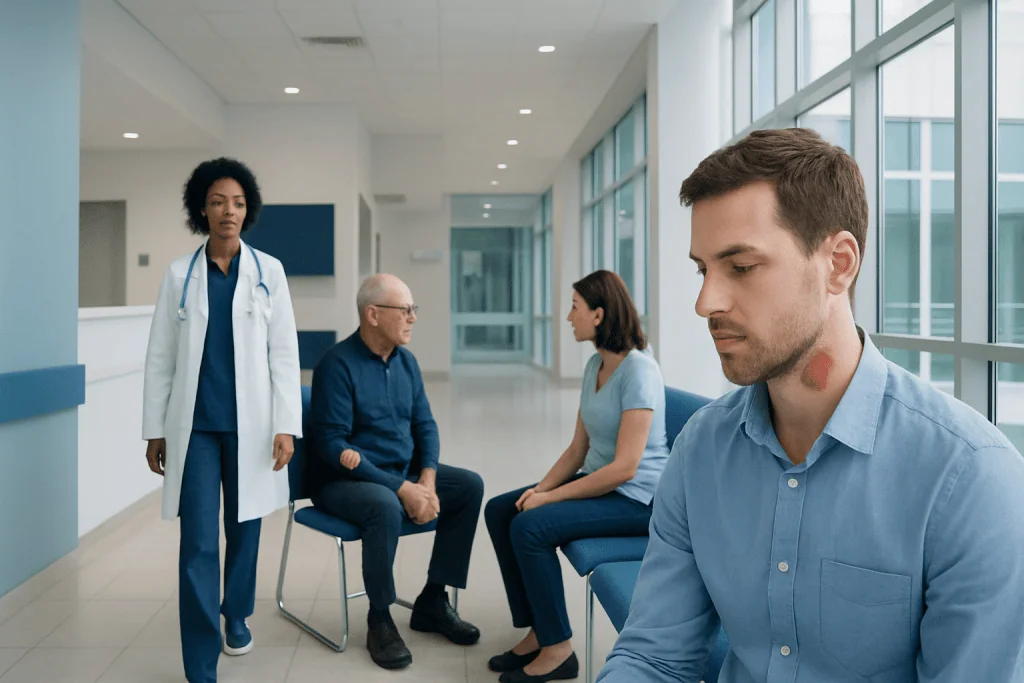
Syphilis symptoms can include a painless sore, rash, swollen glands, or no symptoms at all; early testing and treatment help prevent complications.
Key Takeaways
- Syphilis symptoms often change over time and may disappear even though the infection remains active.
- A painless sore is a classic early sign, but many people first notice a rash, mouth sores, or flu-like symptoms.
- Some people have no obvious symptoms, so testing is essential after a possible exposure or during pregnancy.
- Syphilis is diagnosed with blood tests and sometimes testing of a sore or other body fluid.
- Antibiotic treatment is effective, especially when syphilis is found early.
- Anyone with possible syphilis symptoms should avoid sexual contact until evaluated by a healthcare professional.
Syphilis symptoms vary by stage and may include a painless sore, body rash, swollen lymph nodes, or no noticeable symptoms for long periods. Because the infection can progress quietly and affect many organs over time, prompt testing and treatment are important whenever syphilis is suspected.
Overview: What syphilis symptoms can look like
Syphilis symptoms depend on the stage of the infection. Early on, a person may develop a single painless sore or a few sores at the site where the bacteria entered the body, such as the genitals, anus, rectum, lips, or mouth. Later, symptoms can shift to a rash, sores in the mouth or genital area, swollen lymph nodes, fever, tiredness, or patchy hair loss. Some people notice very little, and others have no symptoms at all.
One of the most important things to know is that syphilis can seem to “go away” on its own when symptoms fade, but the infection can remain in the body. Without treatment, it may stay silent for years and later damage the brain, nerves, eyes, heart, or other organs. This is why testing matters even if symptoms were mild or have already resolved.
Syphilis is caused by the bacterium Treponema pallidum. It usually spreads through direct contact with a syphilis sore during vaginal, anal, or oral sex. It can also pass from a pregnant person to a baby during pregnancy. Because syphilis can overlap with other sexually transmitted infections, doctors may also consider related conditions such as gonorrhea during evaluation.
How symptoms change by stage

Doctors describe syphilis in stages because the pattern of symptoms often changes over time. In primary syphilis, the most typical sign is a chancre, which is a firm, round, usually painless sore. It often appears about a few weeks after exposure, but timing can vary. Because it may be hidden inside the vagina, rectum, or mouth, a person may not realize it is there.
Secondary syphilis can develop weeks to months later if the infection is not treated. At this stage, a person may develop a rough, non-itchy rash, often on the palms of the hands or soles of the feet, although it can appear elsewhere on the body. Other symptoms may include swollen lymph nodes, fever, sore throat, headache, muscle aches, fatigue, weight loss, or wart-like lesions in moist body areas.
After this, syphilis may enter a latent stage, meaning there are no noticeable symptoms. The infection is still present and can be found with blood tests. In some untreated cases, late or tertiary syphilis develops years later and may affect the heart, blood vessels, brain, spinal cord, eyes, hearing, and other organs. Neurosyphilis and ocular syphilis can occur at almost any stage, which is why new neurologic or vision symptoms need prompt medical attention.
Common signs people may notice

People often search for syphilis symptoms because the early signs can be subtle or confusing. The classic first symptom is a painless sore. It may feel clean-edged and firm rather than tender. Since it can appear in areas not easily seen, some people first become aware of swollen glands in the groin or neck instead of the sore itself.
Another common reason people seek care is a widespread rash that does not fit a typical allergic reaction. A syphilis rash can involve the trunk, arms, legs, palms, and soles. It may be faint or pronounced and is not always itchy. Some people also develop flat or raised patches in warm, moist skin folds, as well as painless sores inside the mouth.
Other possible symptoms include:
- Swollen lymph nodes
- Fever or a general unwell feeling
- Sore throat
- Headache
- Muscle or joint aches
- Patchy hair loss
- Unexplained fatigue
Because these symptoms can mimic many other conditions, syphilis cannot be confirmed by appearance alone. A healthcare professional may also consider other infections such as genital herpes if sores are present, especially when symptoms are atypical.
Possible causes and risk factors
The direct cause of syphilis is infection with Treponema pallidum. The bacterium spreads through direct contact with an infectious sore or lesion, most often during vaginal, anal, or oral sex. It is not usually spread through casual contact such as sharing toilets, eating utensils, or clothing.
Risk is higher for anyone who has unprotected sex, multiple sexual partners, or a sexual partner who has syphilis or another sexually transmitted infection. People who have had one STI may be at increased risk of others because the same sexual exposures can transmit different infections. Syphilis can also increase the risk of acquiring or transmitting HIV, so doctors may recommend testing for both.
Pregnancy is an especially important consideration. Syphilis can pass to the developing baby and may lead to serious complications if it is not identified and treated. For this reason, routine screening during pregnancy is widely recommended. People with a new rash, genital sore, or known exposure should seek evaluation rather than waiting for symptoms to change.
How syphilis is diagnosed
Diagnosis usually starts with a medical history and physical examination, including questions about symptoms, recent sexual exposures, and any past sexually transmitted infections. If a sore or rash is present, a doctor will look at its location, appearance, and timing. However, because many conditions can look similar, laboratory testing is needed to confirm syphilis.
The most common tests are blood tests that look for antibodies related to the infection. Sometimes doctors use two different blood tests to confirm the diagnosis. If there is an active sore, the lesion itself may sometimes be tested. Additional tests may be recommended if there are eye symptoms, hearing changes, numbness, weakness, severe headache, confusion, or other signs that suggest the nervous system may be involved.
Testing for other infections is often part of the same visit. Depending on symptoms and exposure, a clinician may recommend screening related conditions such as HIV infection and may discuss broader sexual health screening. In some cases, people may also need laboratory support through check-up and diagnostic services to guide treatment and follow-up.
Treatment options and what recovery involves
Syphilis is treated with antibiotics, and treatment is highly effective, especially in early stages. The exact treatment plan depends on the stage of infection, symptoms, pregnancy status, and whether there are signs of neurologic or eye involvement. It is important for the full prescribed treatment plan to be completed exactly as directed by a qualified doctor.
After treatment begins, follow-up blood tests are usually needed to make sure the infection is responding appropriately. Symptoms such as rash or sores often improve, but blood test changes may take longer. If complications have already developed, treatment can stop further damage but may not reverse every effect, which is another reason early diagnosis matters.
Sexual partners may also need evaluation and treatment to prevent reinfection and further spread. Until a clinician confirms it is safe, patients are generally advised to avoid sexual contact. If specialist care is needed, evaluation may involve infectious disease experts, dermatology, neurology, ophthalmology, or obstetric care. In selected cases, coordinated care may include infectious diseases care and laboratory testing.
Prevention, self-care, and reducing future risk
There is no vaccine for syphilis, so prevention focuses on safer sexual practices and regular testing when appropriate. Using barrier protection during vaginal, anal, and oral sex can lower risk, though it may not fully protect if a sore is outside the covered area. Open communication with partners and timely testing after a possible exposure are practical ways to reduce transmission.
If a person thinks they may have syphilis symptoms, self-care should begin with avoiding sexual contact until they have been assessed. It is also wise not to share assumptions based on internet images alone, since many conditions can look similar. Gentle skin care is fine, but home remedies cannot clear the infection.
Pregnant patients should attend routine prenatal visits and follow recommended screening schedules. People with ongoing risk factors may benefit from regular sexual health checkups even when they feel well. Near the end of the care journey, some international patients may seek coordinated evaluation at centers such as Acibadem International, where multidisciplinary specialists in JCI-accredited hospitals diagnose and treat infectious conditions.
When to seek medical care
A person should seek medical care promptly if they notice a painless genital, anal, or mouth sore; a new unexplained rash, especially on the palms or soles; wart-like lesions in moist skin folds; or swollen glands with fever and recent sexual exposure. Medical attention is also important if a sexual partner has been diagnosed with syphilis, even if no symptoms are present.
Urgent evaluation is needed for possible eye or nervous system involvement. Warning signs include vision changes, eye pain, hearing loss, ringing in the ears, severe headache, neck stiffness, confusion, weakness, numbness, balance problems, or facial drooping. Pregnant people should contact a healthcare professional promptly if syphilis is suspected because early treatment protects both parent and baby.
Testing and treatment are usually straightforward, and early care can prevent long-term complications. If there is uncertainty about symptoms, a clinician can help sort out whether syphilis, another STI, or a noninfectious skin condition is the cause.
Frequently asked questions
What are the first syphilis symptoms?
The first symptom is often a painless sore called a chancre at the site where the bacteria entered the body. It may appear on the genitals, anus, rectum, lips, or inside the mouth, so some people do not notice it right away.
Can syphilis symptoms go away without treatment?
Yes, symptoms can fade on their own, especially the initial sore or later rash. However, the infection can remain in the body and continue to progress, so it still requires medical treatment.
Does syphilis always cause a rash?
No. Some people develop a rash during secondary syphilis, but others may not notice one or may have very mild symptoms. A person can also have latent syphilis with no symptoms at all.
How soon after exposure do syphilis symptoms appear?
Symptoms often begin a few weeks after exposure, but the timing can vary. Because early signs may be hidden or mild, testing is important after a possible exposure even if nothing obvious appears.
How is syphilis different from herpes or other STIs?
Syphilis classically starts with a painless sore, while herpes more often causes painful blisters or ulcers, but symptoms can overlap. A doctor usually needs laboratory testing to tell the difference accurately.
Can syphilis be cured?
Yes, syphilis can be cured with appropriate antibiotic treatment. Early treatment is best because it can prevent complications and reduce the chance of long-term organ damage.
Should someone get tested if a partner has syphilis but they feel fine?
Yes. People can have syphilis without symptoms, especially in the early or latent stages. Testing and medical advice are important after a known exposure so treatment can begin if needed.
This article is for general information only and is not a substitute for professional medical advice. Please consult a qualified doctor about your individual situation.
Hair transplant in Turkey — costs, graft counts & a free assessment
JCI-accredited · board-certified surgeons · reply within 24h
Add us as a Preferred Source to see more of our trusted health content across Google Search, AI Overviews and Discover.

More from the Health Library

How Long Do Potatoes Last? Here Is What the Evidence Says

Radiation Sickness Symptoms Explained: Common Triggers and Red Flags

Ache in Eyebrow Explained: Common Triggers and Red Flags

Tooth Pain: Possible Causes and When to Seek Care

Do Rabies Make Animals Go Agressive? Here Is What the Evidence Says