Systolic Blood Pressure: What Patients Need to Know

Systolic blood pressure is the upper number in a blood pressure reading and measures pressure during a heartbeat. A single high reading does not always mean disease, but repeated high readings should be assessed by a doctor.
Key Takeaways
- Systolic blood pressure is the upper number in a blood pressure reading and measures pressure during a heartbeat.
- A single high reading does not always mean disease, but repeated high readings should be assessed by a doctor.
- Age, artery stiffness, stress, diet, weight, sleep, and underlying medical conditions can all affect systolic blood pressure.
- Home monitoring, correct measurement technique, and regular follow-up help give a more accurate picture than one clinic reading alone.
- Treatment may include lifestyle changes, medication, or both, depending on the pattern of readings and overall cardiovascular risk.
Systolic blood pressure is the top number in a blood pressure reading. It reflects how much pressure the blood puts on artery walls when the heart contracts, and persistently high levels can increase the risk of heart, brain, and kidney problems.
Overview: what systolic blood pressure means
Systolic blood pressure is the top number in a blood pressure reading, such as 120/80 mmHg. It shows the pressure inside the arteries when the heart squeezes and pushes blood out to the body. This number matters because it gives useful information about how hard the heart and blood vessels are working.
Blood pressure naturally changes through the day. It can rise during exercise, stress, pain, caffeine intake, or strong emotions, and it can fall during rest or sleep. For this reason, doctors usually do not diagnose a problem based on one reading alone. They look for a pattern over time and interpret the result alongside age, symptoms, other health conditions, and the lower number, called diastolic pressure.
Many people focus on whether a reading is “normal,” but the bigger question is whether systolic blood pressure is consistently higher than it should be for that person. When it remains elevated over time, it can gradually damage arteries and organs without causing clear symptoms. This is why regular checks are important even for people who feel well.
How to read the top number and why it matters
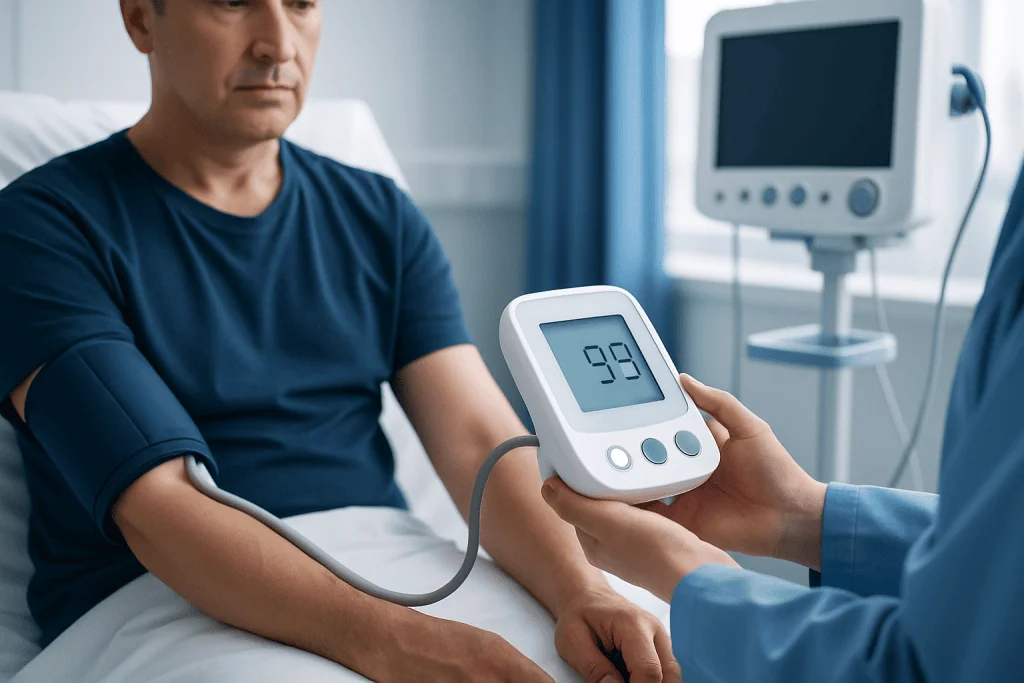
A blood pressure reading has two numbers. The systolic number comes first, and the diastolic number comes second. For example, in 130/78 mmHg, 130 is the systolic value. In general, higher-than-recommended systolic blood pressure is linked to a greater risk of conditions such as hypertension, heart disease, stroke, and kidney disease.
Systolic blood pressure often becomes especially important with age because arteries may gradually become less flexible. This can cause the top number to rise even when the lower number remains normal or only mildly elevated. That pattern is called isolated systolic hypertension, and it is common in older adults.
Because the top number reflects pressure during each heartbeat, persistently high systolic readings can place extra strain on artery walls. Over time, that strain may contribute to plaque buildup, thickening of the heart muscle, and reduced blood flow to key organs. Early recognition allows a doctor to assess risk and discuss ways to reduce it.
- The top number is systolic blood pressure.
- It reflects pressure when the heart contracts.
- Repeated high readings matter more than one isolated result.
- Risk assessment depends on the full medical picture, not just one number.
Symptoms and what people may notice

High systolic blood pressure often causes no symptoms at all. Many people discover it during a routine checkup, a pharmacy screening, or home monitoring. This is one reason high blood pressure is sometimes called a silent condition.
When symptoms do occur, they may not be specific. Some people report headaches, dizziness, shortness of breath, palpitations, blurred vision, or a general sense that they do not feel quite right. However, these symptoms can have many causes, and their presence does not confirm that systolic blood pressure is the problem.
Very high readings, especially when accompanied by chest pain, severe headache, confusion, weakness, trouble speaking, or sudden vision changes, need urgent medical attention because they may signal a serious complication. Symptoms should never be ignored simply because a person assumes they are due to stress or fatigue.
Common causes and risk factors
There is not always one single cause of high systolic blood pressure. In many adults, it develops gradually due to a combination of genetic, lifestyle, and age-related factors. Artery stiffness, excess body weight, high salt intake, low physical activity, poor sleep, chronic stress, tobacco use, and frequent alcohol intake can all play a role.
Some medical conditions can also contribute. These include kidney disease, thyroid disorders, diabetes, obstructive sleep apnea, and certain hormonal conditions. Some medicines may raise blood pressure as well, including some decongestants, anti-inflammatory drugs, and other prescription or over-the-counter products. A doctor may also consider related conditions such as heart disease when assessing the overall picture.
Risk tends to increase with age, but younger adults can also have elevated systolic blood pressure. Family history, pregnancy-related blood pressure problems, and metabolic risk factors may all be relevant. In some people, the reading is mainly high in medical settings due to anxiety, known as white coat hypertension, while others have normal clinic readings but high values at home, called masked hypertension.
How doctors diagnose and evaluate it
Diagnosis starts with careful measurement. The person should be seated, rested, and using the correct cuff size. Blood pressure should ideally be checked more than once, with readings taken on separate occasions when possible. If the technique is not correct, the result may be misleading.
Doctors often recommend home blood pressure monitoring or 24-hour ambulatory monitoring to get a more accurate picture. These methods can help identify white coat hypertension, masked hypertension, and day-to-night blood pressure patterns. Home monitoring is especially useful when readings vary or when treatment is being adjusted.
Evaluation may also include a physical examination and tests to look for causes or complications. Depending on the situation, this might involve blood and urine tests, an ECG, kidney assessment, or a review by specialists in cardiology care or a comprehensive check-up. The goal is not only to confirm the reading pattern but also to understand the person’s overall cardiovascular risk.
Treatment options and daily management
Treatment depends on how high the systolic blood pressure is, whether the elevation is persistent, and whether there are other risk factors or organ effects. For some people, the first step is lifestyle change. For others, medication is advised from the beginning, especially if readings are clearly high or if there is existing cardiovascular or kidney disease.
Lifestyle measures can make a meaningful difference. Doctors commonly recommend reducing salt intake, eating a balanced diet rich in vegetables and fruit, maintaining a healthy weight, exercising regularly, limiting alcohol, avoiding tobacco, managing stress, and improving sleep quality. These steps support blood vessel health and can enhance the effect of medication when medicines are needed.
Several classes of blood pressure medicines may be used, and the choice depends on age, kidney function, other illnesses, and possible side effects. The aim is not just to lower one number but to reduce long-term risk safely. In some cases, additional tests such as echocardiography may help assess how the heart has been affected by prolonged high pressure.
Successful management usually involves follow-up. Doctors may ask patients to keep a home blood pressure diary, bring their monitor to appointments to confirm accuracy, and review readings over time rather than reacting to one unusual value. This approach often leads to steadier control and better long-term planning.
Prevention and self-care habits that support healthy readings
Prevention focuses on protecting blood vessel health over time. Even people whose readings are currently in the normal range can benefit from habits that help keep systolic blood pressure in a healthy range. Regular movement, balanced meals, good sleep, and stress management are not quick fixes, but they are important long-term tools.
Home monitoring can also be part of prevention. Learning how to take blood pressure correctly helps avoid unnecessary worry and allows earlier discussion with a doctor if readings begin to trend upward. It is best to measure at similar times, avoid caffeine or smoking shortly beforehand, and sit quietly for several minutes first.
People should not change prescribed medication on their own based on one home reading. Instead, they should look for trends and share them with a clinician. Near the end of the care pathway, some patients may choose specialist follow-up; Acibadem International’s multidisciplinary specialists in JCI-accredited hospitals diagnose and treat blood pressure-related conditions for international patients.
When to seek medical care
Medical advice is appropriate if systolic blood pressure readings are repeatedly higher than recommended, even when there are no symptoms. A doctor can determine whether the pattern reflects temporary stress, a measurement issue, or sustained high blood pressure that needs treatment.
People should seek prompt care if high readings are accompanied by chest pain, severe shortness of breath, fainting, confusion, severe headache, weakness, numbness, difficulty speaking, or sudden changes in vision. These symptoms may indicate a medical emergency and should not be managed at home.
It is also sensible to ask for review if blood pressure remains difficult to control, if medication causes bothersome side effects, or if there are other conditions such as diabetes, kidney disease, or pregnancy. Early evaluation can help prevent complications and guide the safest treatment plan.
Frequently asked questions
What is systolic blood pressure in simple terms?
Systolic blood pressure is the top number in a blood pressure reading. It shows how much pressure is in the arteries when the heart beats and pushes blood forward.
What is considered a normal systolic blood pressure?
A healthy range can vary by age, medical history, and clinical guidance, so there is no single ideal number for every person. In general, lower is not always better if it causes symptoms, and higher readings should be interpreted by a doctor in context.
Is one high systolic reading a reason to worry?
One high reading does not always mean there is a chronic problem. Stress, pain, caffeine, recent exercise, or incorrect measurement can raise the result temporarily, so repeated readings over time are more useful.
Why does systolic blood pressure rise with age?
As people get older, arteries can become stiffer and less elastic. This can make the top number rise even if the lower number does not increase in the same way.
Can systolic blood pressure be lowered without medicine?
In some people, lifestyle measures such as reducing salt, losing excess weight, exercising, improving sleep, and limiting alcohol can lower systolic blood pressure. However, some patients still need medication, especially if readings are consistently high or other risk factors are present.
How often should blood pressure be checked at home?
The right schedule depends on whether a person is being screened, monitored after diagnosis, or adjusting treatment. A doctor can recommend when and how often to measure, but consistency and correct technique are usually more important than frequent random checks.
This article is for general information only and is not a substitute for professional medical advice. Please consult a qualified doctor about your individual situation.
Explore treatments in Turkey — costs, top hospitals & a free quote
JCI-accredited · board-certified surgeons · reply within 24h
Add us as a Preferred Source to see more of our trusted health content across Google Search, AI Overviews and Discover.
Check your numbers in seconds
BMI, calories, due date, blood pressure and 30+ more clinical calculators — free, instant, doctor-reviewed ranges.

More from the Health Library

Weeping eczema: Symptoms, Causes, and Treatment — Complete Patient Guide

Celiac Trunk: An Evidence-Based Guide for Patients

C O N T U S I O N: An Evidence-Based Guide for Patients

Respiratory Failure: An Evidence-Based Guide for Patients

Uncircumcised: An Evidence-Based Guide for Patients

Hemoglobinuria: An Evidence-Based Guide for Patients
Cardiovascular Surgery Specialists at Acibadem

Dr. Ayşe Cennet Sarimehmetoğlu
Cardiology
Dr. Aytaç Çalışkan
Cardiovascular Surgery
Assoc. Prof. Dr. Bahar Temur
Cardiovascular Surgery
Dr. Bakytbek Kazybaev
Cardiovascular Surgery