Table Shower — Explained by Medical Evidence, Not Myths
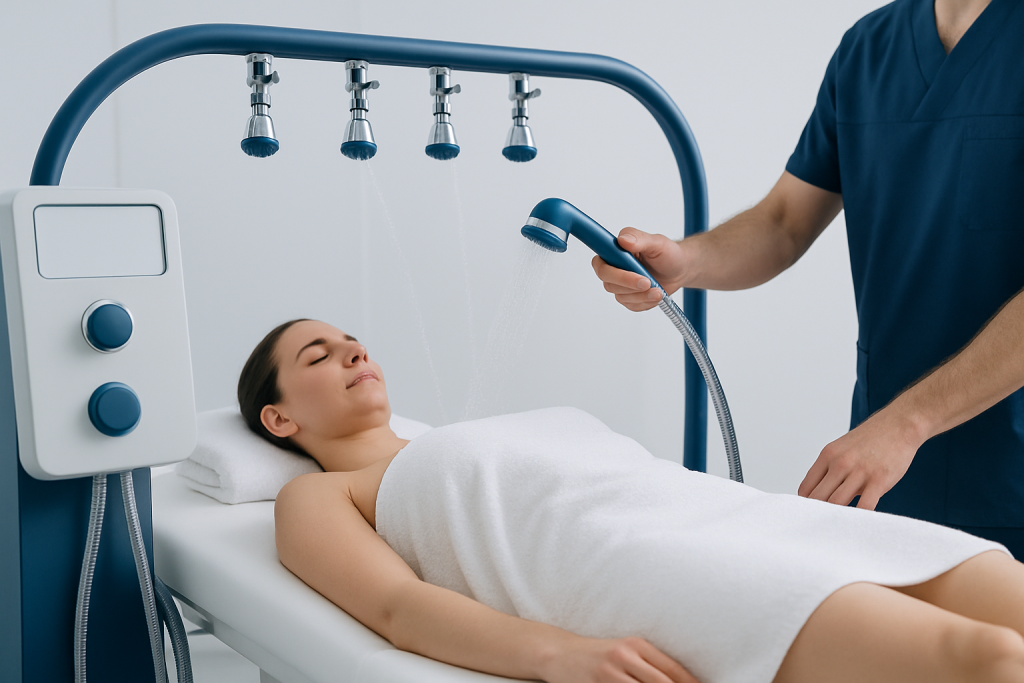
A table shower is a wellness or spa service, not a proven medical therapy. The main concerns are sanitation, skin irritation, and personal comfort rather than hidden medical benefits.
Key Takeaways
- A table shower is a wellness or spa service, not a proven medical therapy.
- The main concerns are sanitation, skin irritation, and personal comfort rather than hidden medical benefits.
- People with open wounds, active skin infections, or severe skin sensitivity should avoid table showers until medically cleared.
- Clean facilities, clear consent, and professional boundaries are essential for safety.
- Medical care is appropriate if symptoms such as rash, pain, itching, or discharge develop after the service.
A table shower is a spa-style service in which a person lies on a waterproof table while water is used to rinse the body, often after exfoliation or massage. It is not a medical treatment, and the main health considerations are hygiene, skin sensitivity, privacy, and choosing a reputable setting.
Overview: what a table shower actually is
A table shower is a body-rinsing spa service performed on a waterproof table with drainage. In a typical session, warm water is used to rinse the skin, sometimes after cleansing, exfoliation, or massage. The term can sound mysterious online, but medically it is simply a non-medical hygiene or relaxation service rather than a recognized treatment for disease.
From a health perspective, the most important point is that a table shower does not diagnose, prevent, or cure medical conditions. Some people find it soothing and refreshing, much like other hydrotherapy-inspired spa experiences. However, any benefits are generally related to comfort, temporary relaxation, and feeling clean, not to specific evidence-based therapeutic effects.
Many myths around table showers come from advertising language or from confusion between spa services and medical hydrotherapy. Clinical hydrotherapy, supervised rehabilitation, and medically indicated skin care are different from a commercial table shower. A patient-friendly way to think about it is this: a table shower may be a personal wellness choice, but it should be approached with the same practical attention to hygiene, boundaries, and skin safety as any close-contact spa service.
What happens during a table shower session
The details vary by facility, but the basic setup is similar. The person lies on a specially designed wet table while water is directed over the body by hand-held sprayers or overhead fixtures. Some sessions include soap, body scrub, or sponge cleansing, followed by rinsing and drying.
Warm water can help muscles feel temporarily relaxed, and the tactile experience may feel calming for some people. Still, these short-term effects should not be confused with treatment for chronic pain, circulation problems, or skin disorders. If a person is seeking care for those concerns, proper medical assessment is more appropriate than relying on a spa service.
A professional setting should explain the process in advance, ask about allergies or skin concerns, provide privacy, and obtain clear consent before any contact. Clean linens, disinfected surfaces, and single-use or appropriately sanitized tools matter. If any part of the service feels unclear, rushed, or uncomfortable, it is reasonable to stop and ask questions.
Possible benefits and common myths

The realistic benefits of a table shower are modest. A person may enjoy a sense of relaxation, temporary muscle ease from warm water, and softer-feeling skin if gentle exfoliation is used. These effects are similar to what many people experience with a shower, bath, or standard spa treatment.
There is limited medical evidence to support broad health claims sometimes attached to table showers, such as “detoxification,” immune boosting, or deep healing of internal conditions. The skin and internal organs already have natural systems for handling waste and maintaining balance. Hydration, sleep, routine hygiene, and appropriate medical care are much more meaningful for health than any single spa ritual.
Another myth is that stronger scrubbing or hotter water is always better. In reality, over-exfoliation and excessive heat can irritate the skin barrier, especially in people with eczema, rosacea, or sensitive skin. Those with chronic skin concerns may benefit more from dermatologist-guided care, such as evaluation for eczema or other inflammatory skin conditions, than from repeated abrasive treatments.
Health risks, hygiene concerns, and who should be cautious
The biggest health issue with a table shower is not the water itself, but the possibility of poor sanitation or skin irritation. Shared wet environments can allow microorganisms to persist if cleaning is inadequate. Risk may increase when tables, hoses, basins, towels, or reusable scrub tools are not properly disinfected between clients.
Skin irritation is also common enough to consider. Harsh soaps, fragranced products, vigorous exfoliation, or prolonged warm water exposure can trigger redness, dryness, itching, or burning. People with acne, eczema, psoriasis, recent shaving, sunburn, or a history of contact dermatitis may react more easily. If a rash develops after a service, a clinician may need to rule out irritation, allergy, or infection.
Some people should be particularly cautious or avoid table showers until they speak with a doctor. This includes anyone with open cuts, recent surgery, active fungal or bacterial skin infection, unexplained genital symptoms, severe varicose veins with skin changes, uncontrolled diabetes with reduced skin healing, or a weakened immune system. For concerns involving infections of intimate areas, medical assessment matters more than spa care, including evaluation for conditions such as vaginitis when relevant symptoms are present.
- Do not continue if the water, products, or friction cause pain or burning.
- Avoid services at facilities that do not clearly describe cleaning procedures.
- Do not share personal razors, loofahs, or towels.
- Seek medical advice if symptoms appear after the session and do not quickly settle.
How to choose a safer facility and prepare for a session
Choosing a reputable facility is the most practical way to reduce risk. A safe setting should look visibly clean, use fresh linens, and have staff who are willing to explain how tables and equipment are disinfected. Professional conduct also matters: services should be clearly described, boundaries respected, and consent checked throughout.
Before booking, a person can ask simple questions. Are reusable tools sterilized or single-use? Are fragrance-free products available? Can sensitive areas be avoided? Is there a written health questionnaire? These questions are appropriate and can help someone decide whether the environment is suitable for their skin and comfort level.
Preparation is straightforward. It is best to avoid a table shower if the skin is freshly waxed, recently shaved, sunburned, or already irritated. Heavy exfoliation, retinoid creams, or strong acne products may make the skin more reactive on the same day. People with persistent skin sensitivity may do better with clinician-guided options such as a dermatology consultation before trying repeated exfoliating services.
What to do if symptoms develop afterward
Mild temporary redness can happen after friction or warm water, especially on sensitive skin. In many cases, gentle skin care is enough: stop using fragranced products, avoid further scrubbing, and apply a bland moisturizer. Cool compresses may help if the skin feels warm or irritated.
Medical attention may be needed if symptoms are more than mild or continue beyond a short period. Warning signs include increasing redness, swelling, pus, blisters, severe itching, fever, painful urination, unusual discharge, or a spreading rash. These symptoms can suggest infection, an allergic reaction, or a flare of an underlying skin condition.
If a person develops a persistent rash or unexplained skin symptoms, evaluation by a qualified clinician is the safest next step. Depending on the symptoms, a doctor may recommend testing or referral for dermatology care or, if symptoms involve intimate or urinary areas, assessment by gynecology care or another relevant specialist. At the end of the process, documenting when symptoms started and which products were used can help guide diagnosis.
When to seek medical care
A table shower itself is not a reason to see a doctor, but symptoms related to the skin or intimate areas may be. Medical care is appropriate if a person develops significant irritation, signs of infection, worsening pain, or any symptom that feels out of proportion to a simple cosmetic reaction. This is especially important for people who are pregnant, immunocompromised, or living with chronic conditions that affect skin healing.
A doctor should also assess recurring symptoms after spa or water-based services. Repeated redness, itching, discharge, or rashes may point to an allergy, a chronic inflammatory condition, or a hygiene issue that should not be ignored. Early evaluation can prevent prolonged discomfort and help identify safer alternatives.
For people seeking a formal assessment, multidisciplinary specialists can evaluate skin, gynecologic, or general health symptoms in a medical setting. Acibadem International’s JCI-accredited hospitals provide diagnosis and treatment for international patients when concerns need professional review.
Frequently asked questions
Is a table shower a medical treatment?
No. A table shower is generally considered a spa or wellness service focused on rinsing and comfort, not a medical therapy. It should not replace evaluation or treatment for pain, skin disease, infection, or any other health condition.
Can a table shower help with detox?
There is no strong medical evidence that a table shower detoxifies the body in a special way. The body already relies on the liver, kidneys, lungs, and skin to maintain normal balance. Any benefit is more likely to be relaxation or a sense of cleanliness.
Are table showers safe for sensitive skin?
They can irritate sensitive skin, especially if hot water, scrubs, or fragranced products are used. People with eczema, rosacea, psoriasis, recent shaving, or active rashes should be especially cautious. Asking for fragrance-free products and minimal friction may reduce the chance of a reaction.
Can someone get an infection from a table shower?
The risk is usually related to poor sanitation rather than the concept of the service itself. Shared wet equipment, linens, or scrub tools that are not properly cleaned can increase the chance of skin irritation or infection. Choosing a reputable, hygienic facility is important.
Who should avoid a table shower?
People with open wounds, recent surgery, active skin infections, severe irritation, or medical conditions that impair healing should avoid it unless a doctor says it is safe. Anyone with unexplained genital symptoms, discharge, or painful rash should seek medical evaluation instead of a spa service.
What should someone do if they get a rash after a table shower?
They should stop using any new products from the session and keep skin care simple and gentle. If the rash is severe, painful, spreading, or lasts more than a short time, a healthcare professional should evaluate it. Symptoms such as fever, discharge, or swelling need prompt medical attention.
This article is for general information only and is not a substitute for professional medical advice. Please consult a qualified doctor about your individual situation.
Explore treatments in Turkey — costs, top hospitals & a free quote
JCI-accredited · board-certified surgeons · reply within 24h
Add us as a Preferred Source to see more of our trusted health content across Google Search, AI Overviews and Discover.

More from the Health Library

Folic Acid for Men: What Patients Need to Know

Fourchette Piercing: A Complete Medical Overview

Dislocated Jaw: A Complete Medical Overview

Oubic: An Evidence-Based Guide for Patients

Red Spots on Penis: A Complete Medical Overview