Targeted Cancer Therapy: Biomarkers, Benefits, and Side Effects

Targeted cancer therapy works by interfering with specific proteins, genes, or pathways involved in cancer growth. Biomarker testing, often performed on tumor tissue or a blood sample, helps identify whether a patient may benefit from certain targeted treatments.
Key Takeaways
- Targeted cancer therapy works by interfering with specific proteins, genes, or pathways involved in cancer growth.
- Biomarker testing, often performed on tumor tissue or a blood sample, helps identify whether a patient may benefit from certain targeted treatments.
- Benefits may include more personalized treatment planning and, for some cancers, improved disease control compared with non-targeted approaches.
- Side effects can still occur and vary by drug, including skin changes, diarrhea, fatigue, liver changes, high blood pressure, and effects on the heart or lungs.
- Treatment decisions depend on the cancer type, stage, biomarker results, previous treatments, overall health, and patient preferences.
Targeted cancer therapy is a form of precision oncology that aims at specific molecular changes helping cancer cells grow and survive. Biomarker testing can help doctors decide whether a targeted medicine is appropriate, how it may benefit a patient, and what side effects to monitor.
Overview
Targeted cancer therapy is a treatment approach designed to act on specific features of cancer cells. Unlike traditional chemotherapy, which often affects rapidly dividing cells more broadly, targeted therapy focuses on particular molecules that help cancer cells grow, divide, repair themselves, or avoid the immune system. These molecules may be abnormal proteins, gene changes, or signaling pathways that are more active in cancer cells than in healthy cells.
This approach is an important part of precision oncology, where treatment is guided by the biology of an individual tumor rather than only by where the cancer started. For example, two people with the same cancer type may have different molecular changes and may need different treatments. In some cases, the same biomarker may be relevant across more than one cancer type.
Targeted therapies are used in many areas of oncology, including breast, lung, colorectal, melanoma, kidney, blood, and gastrointestinal cancers. They may be used alone or combined with chemotherapy, immunotherapy, hormone therapy, radiation therapy, or surgery. Whether a targeted therapy is suitable depends on careful diagnosis, biomarker testing, the stage of disease, previous treatments, and the patient’s general health.
How Targeted Cancer Therapy Works
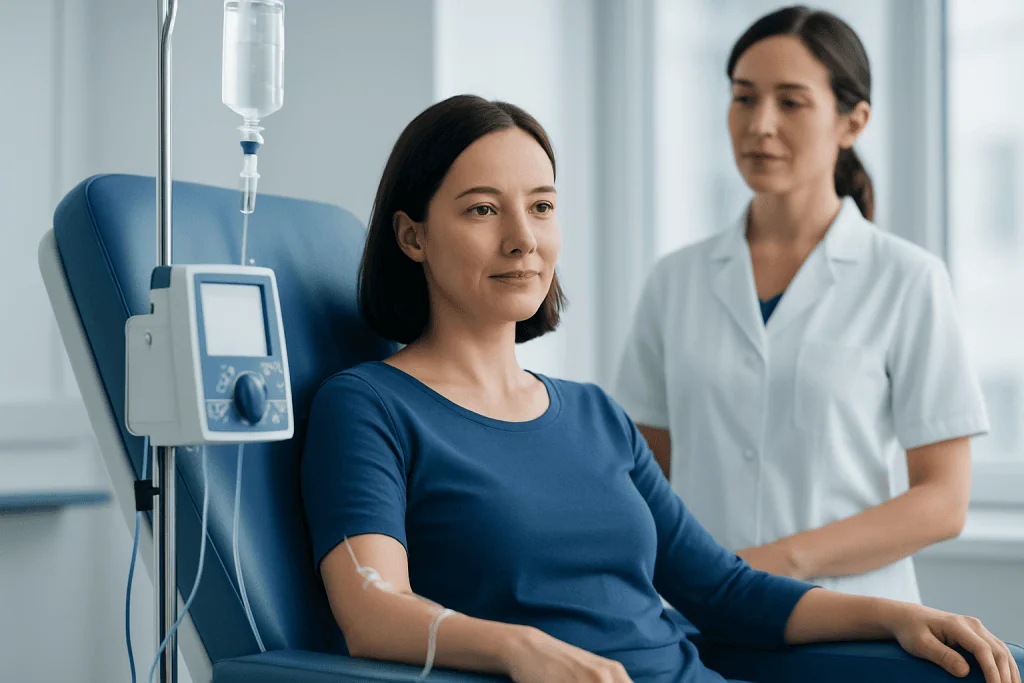
Cancer develops when cells acquire changes that allow them to grow in an uncontrolled way. Some of these changes create “drivers,” meaning they play a central role in helping the cancer survive. Targeted cancer therapy aims to block these drivers or the pathways they control. When the target is successfully blocked, cancer cell growth may slow, the tumor may shrink, or the disease may remain stable for a period of time.
There are several main types of targeted therapies. Small-molecule drugs can enter cells and interfere with signals inside the cancer cell, often by blocking enzymes called kinases. Monoclonal antibodies usually work on the outside of cells or in the bloodstream; they may block growth signals, mark cancer cells for immune attack, or deliver a treatment directly to cancer cells. Other targeted approaches include antibody-drug conjugates, angiogenesis inhibitors that limit tumor blood vessel formation, and PARP inhibitors that affect DNA repair in certain cancers.
Targeted treatment does not mean treatment is free of side effects or that it will work for every patient. Cancer cells can be complex and may use more than one pathway to survive. Over time, some tumors develop resistance by acquiring new changes or activating alternative pathways. For this reason, doctors may repeat testing if the cancer changes or progresses during treatment.
Biomarkers and Molecular Testing

Biomarkers are measurable features that provide information about a cancer. In targeted cancer therapy, biomarkers often include gene mutations, gene rearrangements, gene amplifications, protein expression, or patterns of DNA repair. Examples include HER2 in some breast and stomach cancers, EGFR and ALK changes in some lung cancers, BRAF changes in melanoma and other cancers, and specific DNA repair changes in some ovarian, breast, prostate, and pancreatic cancers.
Molecular testing may be performed on a sample taken during biopsy or surgery. In some situations, a blood test known as a liquid biopsy may be used to look for tumor DNA circulating in the bloodstream. Tissue testing and liquid biopsy provide different types of information, and one does not always replace the other. The oncology team decides which test is most appropriate based on the cancer type, available tissue, urgency of treatment, and clinical question.
Common biomarker testing methods include immunohistochemistry, fluorescence in situ hybridization, polymerase chain reaction, and next-generation sequencing. Larger sequencing panels can look for many changes at once, which may be useful when several possible targets are known. Results can take time, and the report may include findings that are clearly actionable, findings of uncertain significance, or no currently targetable alteration.
Patients can ask their doctor whether biomarker testing is recommended for their cancer type and stage. Useful questions include whether testing has already been done, which biomarkers were checked, whether additional testing is needed, and how the results may affect treatment choices. Understanding the test results can help patients participate more confidently in shared decision-making.
Benefits and Limitations
The main benefit of targeted cancer therapy is that it can match treatment more closely to the tumor’s biology. When a cancer depends on a specific target, blocking that target may be especially effective. For some patients, targeted therapy can provide meaningful disease control, relieve symptoms related to cancer, or delay the need for other treatments. Many targeted therapies are taken as tablets, while others are given by intravenous infusion.
Targeted therapy can also help avoid treatments that are unlikely to work when a required biomarker is absent. This is an important part of personalized care. In some cancers, biomarker results help doctors select a first treatment; in others, targeted therapy may be used after chemotherapy, immunotherapy, or hormone therapy. Treatment plans are often adjusted over time as new information becomes available.
However, targeted therapy has limitations. Not every cancer has an identifiable target, and not every target has an approved treatment. Some targeted drugs work only when a specific biomarker is present, while others may be used based on cancer type and clinical factors. Even when a target is present, response cannot be guaranteed because tumors may have additional biological features that influence treatment effect.
Resistance is another important limitation. A cancer may respond at first and later begin to grow again. If this happens, the oncology team may consider repeat biopsy, liquid biopsy, a different targeted medicine, a combination treatment, clinical trial participation, or another standard therapy. These decisions are individualized and should be discussed in detail with the treating oncologist.
Possible Side Effects
Targeted therapy is often described as more selective than chemotherapy, but it can still affect healthy cells and organs. Side effects vary widely depending on the drug, dose, treatment duration, combinations with other therapies, and the patient’s overall health. Some side effects are mild and manageable, while others require prompt medical attention, dose changes, treatment pauses, or switching therapy.
Common side effects may include fatigue, nausea, diarrhea, mouth sores, skin rash, dry skin, itching, nail changes, appetite changes, and changes in liver blood tests. Some targeted therapies can increase blood pressure, affect wound healing, raise the risk of bleeding or blood clots, or cause hand-foot skin reactions. Others may affect the heart, lungs, kidneys, thyroid gland, or blood counts. Eye symptoms can also occur with certain medicines.
Patients should report new or worsening symptoms early rather than waiting for the next appointment. Early management can often reduce discomfort and help patients continue treatment safely. The care team may recommend skin care, anti-diarrheal medicines, blood pressure monitoring, blood tests, heart tests, eye checks, or other supportive measures depending on the drug being used.
It is important not to stop or restart a targeted medicine without medical advice. Some side effects improve after a short pause or dose adjustment, but these decisions should be made by the oncology team. Patients should also tell their doctor about all prescription medicines, over-the-counter drugs, supplements, and herbal products because interactions can affect safety or treatment levels in the body.
Treatment Planning and Monitoring
Before starting targeted cancer therapy, the oncology team reviews the diagnosis, cancer stage, pathology report, biomarker results, imaging findings, previous treatments, and current symptoms. They also consider medical history, organ function, pregnancy potential, other medications, and patient preferences. This process helps determine whether targeted therapy is appropriate and how it should be used.
Monitoring is a key part of treatment. Patients may have regular blood tests to check liver and kidney function, blood counts, electrolytes, or hormone levels. Imaging tests such as CT, MRI, PET/CT, or ultrasound may be used at intervals to assess whether the cancer is responding, stable, or progressing. The schedule depends on the cancer type, treatment goal, and clinical situation.
The care team also monitors quality of life and practical issues, including how the medicine is taken, whether doses are missed, and whether side effects are interfering with daily activities. For oral targeted therapies, taking the medicine exactly as prescribed is especially important. Some tablets must be taken with food, without food, or away from certain other medications, so patients should follow their individual instructions carefully.
In some cases, targeted therapy is part of a long-term treatment plan. In others, it is used for a defined period, such as after surgery in selected cancers, or until the cancer changes. Patients should feel comfortable asking what the goal of treatment is, how success will be measured, what side effects require urgent contact, and what options may be available if the current treatment stops working.
Prevention, Self-Care, and Daily Life
Targeted therapy treats cancer that is already present; it is not a general cancer prevention method. However, self-care can support treatment tolerance and overall well-being. Patients are encouraged to maintain open communication with their care team, attend scheduled visits, complete recommended blood tests and scans, and report symptoms early. Keeping a treatment diary can help track doses, side effects, blood pressure readings, and questions for appointments.
General healthy habits may support recovery and resilience during cancer treatment. These include balanced nutrition, adequate hydration, gentle physical activity when approved by the doctor, good sleep routines, and avoiding tobacco. Alcohol intake should be discussed with the oncology team, especially if the treatment may affect the liver. Patients should also ask before starting supplements, as some may interact with cancer medicines.
Skin care is especially important for many targeted therapies. A gentle moisturizer, sun protection, mild cleansers, and early reporting of rash or nail changes can be helpful. For medicines associated with high blood pressure, home monitoring may be recommended. For therapies that can cause diarrhea, patients should ask in advance what steps to take and when to call the clinic.
Emotional and practical support also matters. Living with cancer treatment can affect work, travel, family life, and mood. Patients may benefit from counseling, support groups, oncology nursing guidance, nutrition advice, rehabilitation, or palliative care services focused on symptom relief and quality of life. These services can be used alongside active cancer treatment and do not mean that treatment is stopping.
When to See a Doctor
A person diagnosed with cancer should speak with an oncologist about whether biomarker testing is recommended for their specific cancer type and stage. This is especially important when targeted therapies are standard options or when the cancer has progressed after previous treatment. Patients who have already had testing can ask for a clear explanation of the results and how they affect treatment planning.
During targeted therapy, patients should contact their care team promptly for symptoms such as severe or persistent diarrhea, fever, shortness of breath, chest pain, fainting, sudden swelling, unusual bleeding, yellowing of the skin or eyes, severe rash, vision changes, confusion, or any symptom that feels concerning. The exact warning signs depend on the medicine, so patients should receive written guidance from their oncology team.
Medical advice is also needed before surgery, dental procedures, pregnancy planning, vaccinations, or starting new medicines and supplements. Some targeted therapies need to be paused before procedures or avoided during pregnancy because they may affect healing or fetal development. Patients should never assume that a medicine is safe to combine without checking first.
For international patients, Acibadem International’s multidisciplinary oncology specialists and JCI-accredited hospitals provide diagnosis and treatment planning for cancers where targeted therapy may be considered. A qualified oncology team can review pathology, biomarkers, imaging, and overall health to recommend an evidence-based plan tailored to the individual patient.
Frequently asked questions
What is targeted cancer therapy?
Targeted cancer therapy is treatment designed to interfere with specific molecules involved in cancer growth and survival. It may block abnormal proteins, growth signals, blood vessel formation, or DNA repair pathways. It is usually selected based on the cancer type and, often, biomarker test results.
Is targeted therapy the same as chemotherapy?
No. Chemotherapy generally affects rapidly dividing cells, while targeted therapy focuses on specific cancer-related targets. Both can be effective, and they are sometimes used together. The best option depends on the cancer diagnosis, stage, biomarkers, previous treatments, and the patient’s overall health.
Does every patient need biomarker testing?
Not every patient needs the same testing, but biomarker testing is recommended for many cancers where targeted therapies or immunotherapies may be options. The need for testing depends on the cancer type, stage, available treatments, and clinical guidelines. Patients can ask their oncologist whether their tumor has been tested and whether additional testing is appropriate.
Can targeted therapy cure cancer?
In some situations, targeted therapy can be part of treatment given with curative intent, such as after surgery for selected cancers. In advanced cancers, it is often used to control disease, reduce symptoms, and help patients live longer or better, depending on the cancer and treatment response. No treatment can guarantee a cure, so patients should discuss realistic goals with their oncologist.
What are the most common side effects of targeted therapy?
Side effects vary by medicine but may include fatigue, diarrhea, nausea, rash, dry skin, mouth sores, nail changes, high blood pressure, and changes in blood tests. Some targeted therapies can affect the heart, lungs, liver, kidneys, thyroid, eyes, or blood clotting. Patients should receive drug-specific instructions and report new symptoms early.
What happens if targeted therapy stops working?
If the cancer progresses, the oncology team may recommend repeat imaging, new biomarker testing, a liquid biopsy, or another tissue biopsy. Treatment options may include a different targeted drug, chemotherapy, immunotherapy, radiation therapy, surgery in selected cases, or a clinical trial. The next step depends on why the cancer is growing and what options are available.
Can patients travel while taking targeted therapy?
Some patients can travel during treatment if their condition is stable and the oncology team agrees. They should carry enough medication, a treatment summary, emergency contact details, and instructions for managing side effects. Travel plans should be discussed in advance, especially for patients who need regular blood tests, infusions, or monitoring.
References
- National Cancer Institute
- American Society of Clinical Oncology
- European Society for Medical Oncology
- World Health Organization
- U.S. Food and Drug Administration
This article is for general information only and is not a substitute for professional medical advice. Please consult a qualified doctor about your individual situation.
Oncology care in Turkey — second opinion and treatment plan
JCI-accredited · board-certified surgeons · reply within 24h
Add us as a Preferred Source to see more of our trusted health content across Google Search, AI Overviews and Discover.
Check your numbers in seconds
BMI, calories, due date, blood pressure and 30+ more clinical calculators — free, instant, doctor-reviewed ranges.

Medical Oncology Department
Medical treatment of cancer with chemotherapy, immunotherapy and targeted therapies under a multidisciplinary tumor board.
60 specialists in this unitMore from the Health Library



Related Specialists

Dr. Emre Sahillioğlu
Anesthesiology
Dr. Gizem Kaplan
Gynecology & Obstetrics
Dr. Deniz Çetinkünar
Dermatology
Dr. Ali Osman Çiçek
Orthopedic Surgery & Traumatology