Tea for Anxiety Disorder: Diagnosis, Outlook, and Modern Treatment Approaches
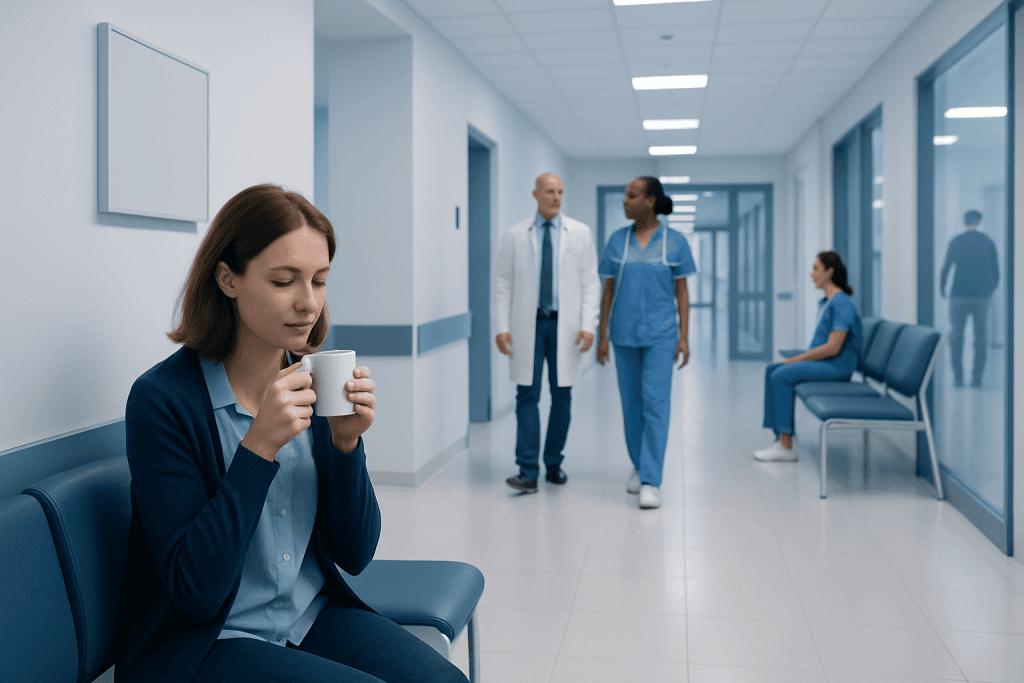
Herbal tea may support relaxation, but evidence is not strong enough to consider it a primary treatment for anxiety disorders. Caffeinated tea can worsen palpitations, restlessness, sleep difficulties, and anxiety in sensitive people.
Key Takeaways
- Herbal tea may support relaxation, but evidence is not strong enough to consider it a primary treatment for anxiety disorders.
- Caffeinated tea can worsen palpitations, restlessness, sleep difficulties, and anxiety in sensitive people.
- Anxiety disorders are diagnosed through a clinical conversation that considers symptoms, duration, daily functioning, and physical health.
- Cognitive behavioral therapy and other structured psychological treatments are effective options for many people.
- Medication may be helpful for moderate to severe symptoms or when therapy alone does not provide enough relief.
- Urgent help is important if anxiety is accompanied by thoughts of self-harm, inability to stay safe, or severe physical symptoms.
Tea for anxiety disorder can be a comforting part of a daily routine, particularly when it replaces caffeinated drinks, but it is not a proven stand-alone treatment for an anxiety disorder. Persistent or disruptive anxiety deserves a clinical assessment, as effective treatments include psychological therapies, lifestyle support, and, when appropriate, medication.
Tea for Anxiety Disorder: What It Can and Cannot Do
Tea for anxiety disorder may be soothing as a daily ritual, especially if a person chooses a naturally caffeine-free herbal tea and uses the time to pause, hydrate, and practise slow breathing. However, tea is not a substitute for an assessment or for evidence-based treatment when anxiety is persistent, difficult to control, or affecting work, relationships, sleep, or physical health.
Some people find chamomile, peppermint, lemon balm, or other herbal infusions calming. Research on these products is limited and variable, and results from small studies cannot confirm that a particular tea treats an anxiety disorder. Benefits may come partly from warmth, familiar routines, expectation, and taking a quiet break rather than from a specific ingredient.
It is also important to distinguish herbal tea from black, green, oolong, matcha, and some iced teas, which may contain caffeine. Caffeine can increase jitteriness, racing thoughts, tremor, a fast heartbeat, and poor sleep in some people. For a person whose anxiety is linked with these symptoms, reducing caffeine may be more useful than adding another calming product.
Understanding Anxiety Disorders and Their Outlook
Anxiety is a normal response to uncertainty or threat. An anxiety disorder is different: fear, worry, panic, or avoidance becomes excessive, lasts beyond a temporary stressor, and interferes with everyday life. Common conditions include generalized anxiety disorder, panic disorder, social anxiety disorder, specific phobias, and anxiety that occurs alongside other mental or physical health conditions.
Symptoms can involve both mind and body. A person may experience constant worry, feeling on edge, difficulty concentrating, irritability, muscle tension, fatigue, disturbed sleep, stomach discomfort, shortness of breath, sweating, or a pounding heart. Panic attacks can cause sudden, intense physical fear, even when there is no immediate danger.
The outlook is generally positive with appropriate support. Symptoms often improve through a tailored plan that addresses triggers, coping patterns, sleep, substance use, physical health, and any coexisting depression or trauma-related symptoms. Improvement may be gradual, and follow-up helps clinicians adjust treatment to a person’s needs.
How Tea, Caffeine, and Supplements Fit Into Anxiety Care
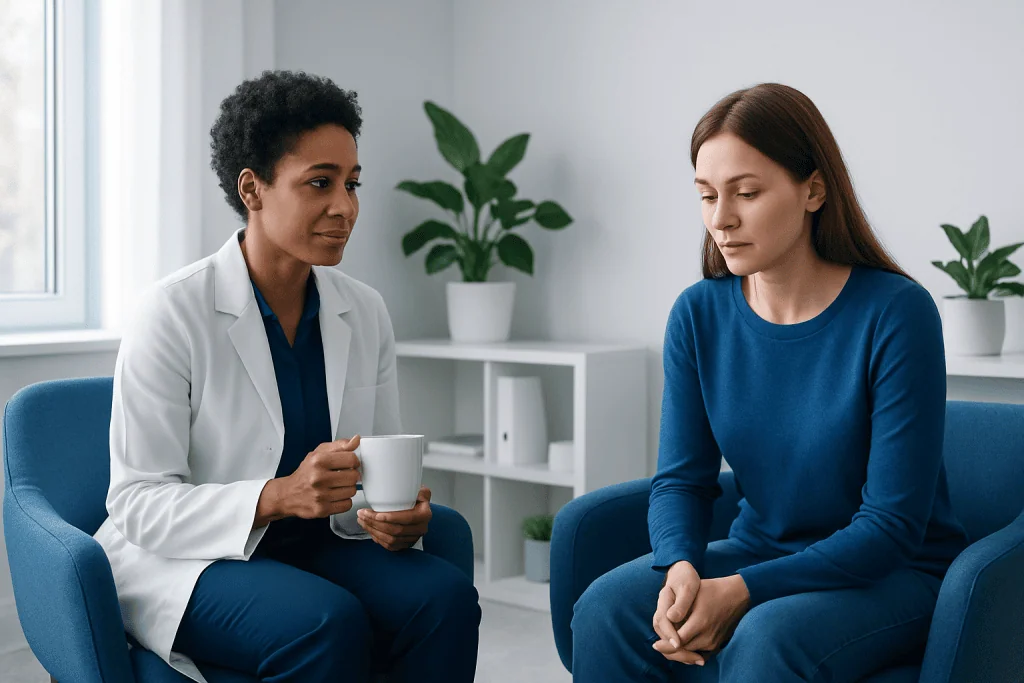
A calming beverage can be used as one small supportive habit, not as a cure. Preparing herbal tea can create a planned pause during the day, and pairing it with a brief relaxation practice may help a person notice tension before it builds. Decaffeinated options may be preferable in the afternoon or evening for people who are sensitive to caffeine or have sleep difficulties.
Herbal products are not automatically risk-free. Their ingredients and strength can vary, and some may interact with prescription medicines, including medicines used for mood, sleep, blood thinning, blood pressure, or seizure control. Pregnancy, breastfeeding, liver or kidney disease, allergies, and upcoming surgery are additional reasons to check with a doctor or pharmacist before using herbal preparations regularly.
Products marketed as natural anxiety remedies should not delay professional care or lead a person to stop prescribed treatment abruptly. It is also wise to avoid relying on alcohol, sedating over-the-counter products, or unregulated supplements to manage distress. A clinician can help identify safer approaches and discuss anxiety disorders in the context of the person’s overall health.
How Anxiety Disorders Are Diagnosed
There is no single blood test or scan that confirms an anxiety disorder. Diagnosis is made by a qualified healthcare professional through a detailed conversation about symptoms, when they began, how often they occur, possible triggers, and their impact on daily activities. Standard questionnaires may be used to measure symptom severity and monitor progress over time.
The assessment also considers medical conditions and substances that can resemble or worsen anxiety. For example, thyroid problems, heart rhythm changes, asthma, anemia, pain, sleep disorders, medication side effects, alcohol, recreational drugs, and caffeine may contribute to similar symptoms. Depending on the situation, a clinician may recommend a physical examination or targeted tests.
Accurate diagnosis matters because treatment differs between generalized worry, recurrent panic attacks, phobias, obsessive-compulsive symptoms, trauma-related symptoms, depression, and bipolar-spectrum conditions. A careful evaluation also helps identify urgent concerns, such as self-harm thoughts, severe functional decline, or substance dependence.
Modern Treatment Approaches
Psychological therapy is a central treatment for many anxiety disorders. Cognitive behavioral therapy, often called CBT, helps people identify unhelpful patterns of thinking and behavior and practise more balanced responses. Depending on the diagnosis, treatment may also include exposure-based therapy, acceptance and commitment therapy, mindfulness-based approaches, or other structured therapies.
For some people, medication is considered alongside therapy or when symptoms are moderate to severe. A clinician may discuss medicines that are used to reduce ongoing anxiety, as well as the expected benefits, possible side effects, timing, interactions, and need for review. The choice is individualized; medication should be started, changed, or stopped only with medical guidance.
Daily habits can strengthen formal treatment. Regular movement, consistent sleep and wake times, balanced meals, limiting caffeine and alcohol, and maintaining supportive social contact may all reduce vulnerability to anxiety symptoms. Breathing exercises and grounding techniques can be helpful during moments of rising anxiety, although they work best as part of a wider care plan.
At Acibadem International, multidisciplinary specialists in JCI-accredited hospitals can assess and treat anxiety-related concerns for international patients, with care tailored to the individual’s symptoms and medical history.
Practical Self-Care Alongside Professional Support
Self-care works best when it is specific and manageable. A person might keep a brief record of anxiety symptoms, sleep, caffeine intake, and stressful events to identify patterns. Setting aside a regular time for a caffeine-free tea, a short walk, or a relaxation exercise can be a useful cue to slow down, but it should not become a rule that causes additional worry.
When trying tea for anxiety disorder, choosing a simple, reputable product and avoiding concentrated extracts may reduce unnecessary risks. People should read labels carefully, particularly where blends contain multiple herbs or added stimulants. If a tea seems to worsen reflux, allergies, dizziness, sleep, or anxious sensations, it is reasonable to stop using it and seek advice if symptoms continue.
Support from trusted family members, friends, or a mental health professional can reduce isolation. Avoidance may bring short-term relief but often maintains anxiety over time, so gradual, supported steps toward feared situations are often more helpful than withdrawing completely.
When to Seek Medical Care
Medical advice is appropriate when anxiety lasts for several weeks, feels difficult to control, causes panic attacks, disrupts sleep, leads to avoidance, or affects study, work, family life, or relationships. A doctor can check for physical contributors and discuss appropriate mental health support.
Urgent help is needed if a person has thoughts of self-harm or suicide, feels unable to stay safe, experiences severe agitation or confusion, or has used alcohol or drugs in a dangerous way. Emergency assessment is also important for new or severe chest pain, fainting, major breathing difficulty, or other sudden physical symptoms, as these should not be assumed to be anxiety.
Seeking care is a constructive step, not a sign of weakness. Early assessment can clarify what is happening and help a person access treatment before anxiety becomes more limiting.
Frequently asked questions
Can tea cure an anxiety disorder?
No. Tea may be comforting and may help some people reduce caffeine or create a relaxing routine, but it does not cure an anxiety disorder. Persistent or impairing anxiety should be assessed by a qualified healthcare professional.
Which tea is best for anxiety?
There is no tea proven to be best for treating anxiety disorders. Caffeine-free herbal teas, such as chamomile or peppermint, may be pleasant choices for some people, while caffeinated teas may aggravate symptoms in others. Individual tolerance, allergies, medicines, and health conditions should be considered.
Can green tea make anxiety worse?
Green tea contains caffeine, although the amount varies by product and preparation. Caffeine can worsen nervousness, rapid heartbeat, shakiness, and sleep problems in people who are sensitive to it. Reducing intake or choosing decaffeinated tea may help if symptoms appear linked to caffeine.
How is an anxiety disorder diagnosed?
A doctor or mental health professional diagnoses anxiety through a clinical assessment of symptoms, duration, triggers, and impact on daily life. They may also ask about physical health, medicines, sleep, alcohol, drugs, and caffeine to rule out or identify contributing factors.
What is the most effective treatment for anxiety disorders?
Treatment depends on the type and severity of anxiety and the person’s preferences and medical history. Structured psychological therapies, particularly cognitive behavioral therapy, are effective for many people, while medication may also be appropriate in some cases. Lifestyle changes can support, but usually do not replace, professional treatment.
When should someone seek urgent help for anxiety?
Urgent help is needed for thoughts of self-harm or suicide, an inability to stay safe, severe confusion, or dangerous substance use. New or severe chest pain, fainting, or major breathing difficulty also need prompt medical assessment because they may have causes other than anxiety.
References
- National Institute of Mental Health
- National Institute for Health and Care Excellence
- American Psychiatric Association
- National Center for Complementary and Integrative Health
- World Health Organization
This article is for general information only and is not a substitute for professional medical advice. Please consult a qualified doctor about your individual situation.
Explore treatments in Turkey — costs, top hospitals & a free quote
JCI-accredited · board-certified surgeons · reply within 24h
Add us as a Preferred Source to see more of our trusted health content across Google Search, AI Overviews and Discover.
Check your numbers in seconds
BMI, calories, due date, blood pressure and 30+ more clinical calculators — free, instant, doctor-reviewed ranges.

More from the Health Library
Related Specialists

Assoc. Prof. Dr. Sercan Yılmaz
Urology
Assoc. Prof. Dr. Emre Bozkurt
General Surgery
Dt. Aydın Akçakoca
Oral & Dental Health
Dr. Şenay Olguner
Anesthesiology