Telemedicine: When an Online Doctor Visit Is Appropriate

Telemedicine is most appropriate for non-emergency symptoms, follow-up care, medication reviews, and health education. An online doctor visit cannot fully replace a physical examination, emergency assessment, imaging, or procedures when these are needed.
Key Takeaways
- Telemedicine is most appropriate for non-emergency symptoms, follow-up care, medication reviews, and health education.
- An online doctor visit cannot fully replace a physical examination, emergency assessment, imaging, or procedures when these are needed.
- Chest pain, severe breathing difficulty, stroke symptoms, major injuries, and severe allergic reactions require emergency care, not telemedicine.
- Patients can improve the quality of a virtual visit by preparing symptoms, medications, vital signs, photos, and questions in advance.
- Secure platforms, privacy, informed consent, and access to in-person referral pathways are important for safe telemedicine.
Telemedicine allows patients to consult qualified healthcare professionals by video, phone, or secure messaging. It can be convenient and effective for many non-emergency concerns, but some symptoms and conditions still require an in-person examination or urgent care.
Overview
Telemedicine, also called virtual care or a remote consultation, is healthcare delivered at a distance through video calls, phone calls, secure messaging, or connected digital tools. It is used by doctors, nurses, mental health professionals, dietitians, physiotherapists, and other qualified clinicians to assess symptoms, provide guidance, review test results, manage ongoing conditions, and decide whether in-person care is needed.
An online doctor visit is not simply a quick chat. A well-conducted telemedicine appointment includes careful history-taking, review of relevant medical records, visual assessment when possible, shared decision-making, and a clear plan. Depending on local regulations and the patient’s clinical situation, the clinician may recommend self-care, order tests, adjust treatment, prescribe medication, or arrange an in-person examination.
Telemedicine is especially useful when travel is difficult, when a patient needs timely advice, or when ongoing care can be safely monitored from home. It can reduce unnecessary clinic visits and help patients access appropriate expertise earlier. However, it has limits, and the safest care sometimes requires hands-on examination, diagnostic imaging, laboratory testing, or emergency treatment.
When an Online Doctor Visit Is Usually Appropriate
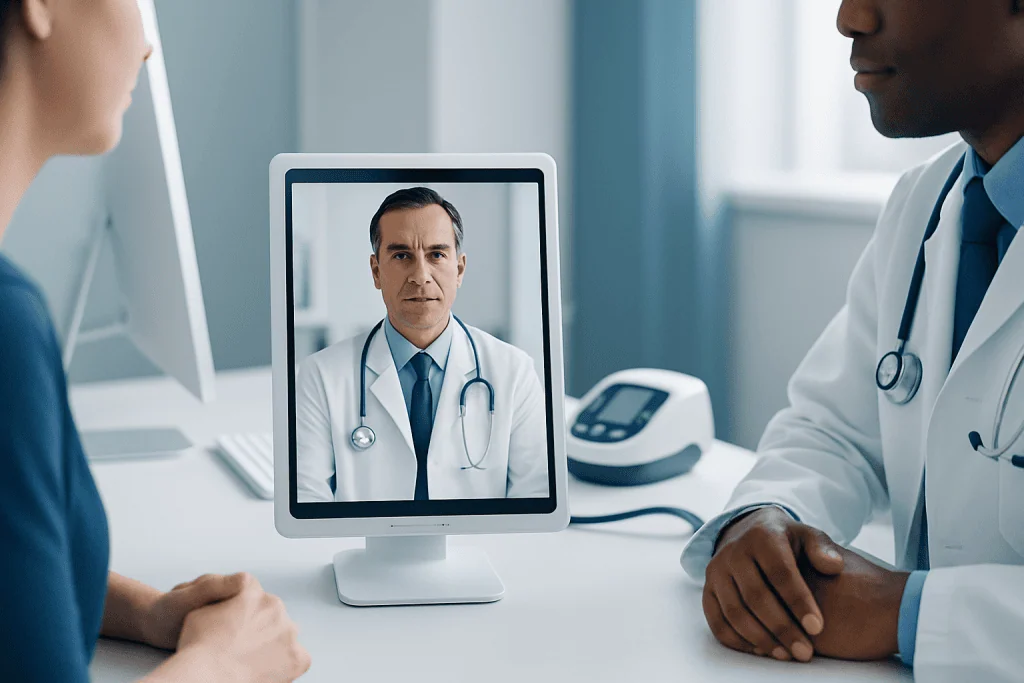
Telemedicine is often appropriate for non-emergency health concerns where a detailed conversation and visual assessment provide enough information to guide the next step. Examples include mild respiratory symptoms, seasonal allergies, medication questions, skin rashes that can be shown clearly on camera, digestive discomfort without warning signs, urinary symptoms in selected patients, and general health advice.
It is also valuable for follow-up appointments. Patients with chronic conditions such as diabetes, high blood pressure, asthma, thyroid disease, migraine, or stable heart conditions may use virtual visits to review symptoms, home measurements, medication adherence, side effects, and lifestyle goals. In many cases, the doctor can decide whether treatment is working or whether laboratory tests or an in-person review should be scheduled.
Common situations that may be suitable for telemedicine include:
- Reviewing laboratory or imaging results after tests have already been performed.
- Discussing medication refills, side effects, or interactions.
- Receiving advice for mild infections, allergies, or minor skin problems.
- Managing stable long-term conditions with home blood pressure, glucose, oxygen, or weight measurements.
- Receiving mental health support, nutrition counseling, smoking cessation support, or rehabilitation guidance when clinically appropriate.
Telemedicine is also useful for triage. If a patient is unsure whether symptoms require a clinic visit, a virtual consultation can help identify the right level of care. The clinician may reassure the patient, provide a home-care plan, or recommend same-day in-person evaluation if the symptoms suggest a condition that cannot be assessed safely online.
Symptoms and Situations That Need In-Person or Emergency Care
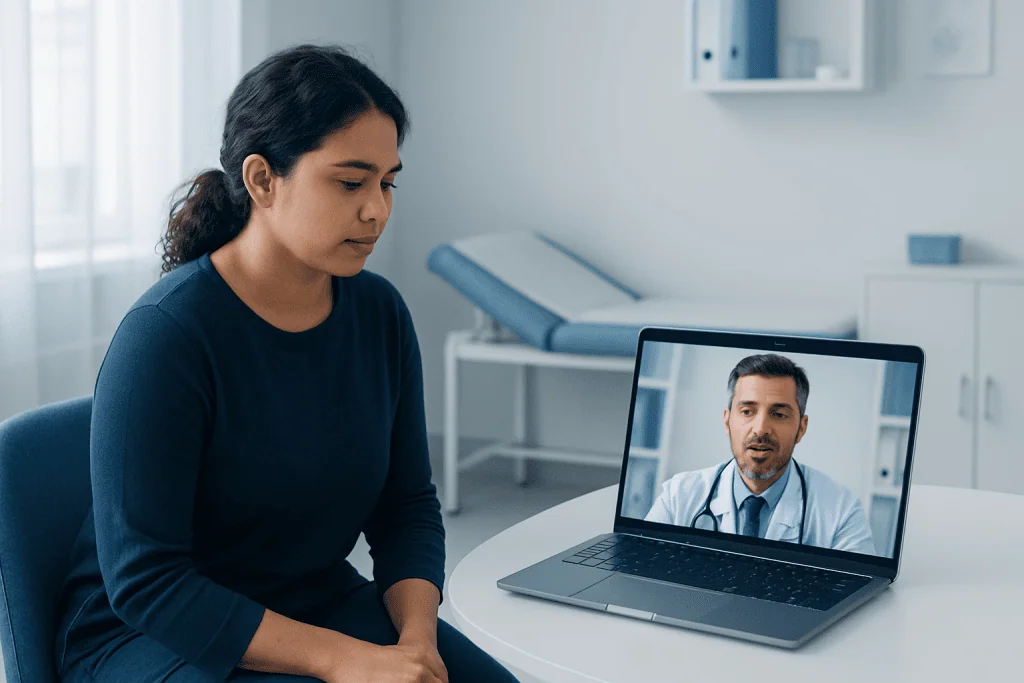
Some symptoms should not be managed through a routine online doctor visit. Emergency warning signs need immediate medical attention because delays may affect safety. Patients should contact local emergency services or go to the nearest emergency department if they have chest pain, severe shortness of breath, fainting, signs of stroke, severe weakness, uncontrolled bleeding, major injury, severe allergic reaction, sudden severe headache, or confusion.
Telemedicine is also limited when a doctor needs to listen to the heart or lungs, examine the abdomen, assess the nervous system in detail, perform a pelvic or rectal examination, check a deep wound, or evaluate severe pain. In these cases, an online consultation may still help with triage, but it should not be considered a complete replacement for hands-on care.
Other situations that often require in-person assessment include high fever in very young infants, pregnancy-related bleeding or severe abdominal pain, suspected fractures, eye injuries, sudden vision loss, severe dehydration, new seizure, rapidly worsening infection, and symptoms after significant head injury. Children, older adults, pregnant patients, and people with weakened immune systems may need a lower threshold for in-person care.
A safe telemedicine service should clearly explain when virtual care is not enough. If the clinician advises urgent assessment, the patient should follow that advice even if symptoms later seem to improve. Online care works best when it is connected to clear pathways for laboratory testing, imaging, specialist referral, or emergency care when needed.
How to Prepare for a Telemedicine Appointment
Preparation helps the clinician make the most accurate assessment possible. Before the appointment, the patient should choose a quiet, private, well-lit place with a stable internet connection. If the visit is by video, it is helpful to test the camera and microphone in advance and to keep the device charged or plugged in.
Patients should write down the main concern, when symptoms started, what makes them better or worse, related symptoms, allergies, current medications, past medical conditions, and recent test results. Home measurements can be very useful when available, such as temperature, blood pressure, pulse, blood glucose, oxygen saturation, weight, or peak flow readings for asthma. For skin problems, good-quality photos taken in natural light can help, especially if the rash is hard to show during the video call.
It may also help to have prescription bottles, supplements, medical reports, and insurance or identification details nearby. For children, older adults, or patients with communication difficulties, a caregiver may join the visit with the patient’s permission. The patient should prepare questions in advance, including what to do if symptoms worsen, when to seek in-person care, and how to follow up.
At the end of the visit, the patient should understand the plan clearly. This may include self-care instructions, warning signs, prescriptions if appropriate, test orders, referral recommendations, and follow-up timing. If anything is unclear, the patient should ask the clinician to repeat or write down the instructions.
Diagnosis, Prescriptions, and Follow-Up in Virtual Care
During a telemedicine visit, the clinician usually begins by taking a detailed medical history. This is often the most important part of diagnosis in both virtual and in-person care. The doctor may then observe the patient’s breathing, speech, skin color, movement, swelling, rash, posture, or ability to perform simple guided checks, depending on the concern.
In some cases, this information is enough to make a likely diagnosis and recommend treatment. In other cases, the clinician may say that a diagnosis cannot be confirmed online and that an in-person examination, blood test, urine test, X-ray, ultrasound, ECG, or other investigation is needed. This is not a failure of telemedicine; it is part of safe medical decision-making.
Prescribing through telemedicine depends on the condition, patient history, and local laws. A doctor may prescribe medication for appropriate conditions after a proper assessment, but antibiotics, controlled medicines, strong pain medicines, and certain long-term treatments require careful judgment. Patients should avoid pressuring clinicians for prescriptions and should never use medicines prescribed for someone else.
Follow-up is an important part of virtual care. The doctor may schedule another online visit, ask the patient to report home measurements, or recommend an in-person review. Patients should follow the agreed plan and seek earlier care if symptoms worsen, new warning signs appear, or treatment does not work as expected.
Safety, Privacy, and Quality Considerations
Good telemedicine should be safe, private, and patient-centered. Patients should use services that identify the clinician, explain the clinician’s qualifications, protect personal health information, and provide clear instructions about consent, prescriptions, medical records, and follow-up. A secure platform is preferred over informal messaging when medical details are discussed.
Privacy matters on both sides of the visit. Patients should try to speak from a private space and use a secure internet connection when possible. They should be cautious about sharing medical images or personal details through non-secure channels. If an interpreter or family member is present, the patient’s permission should be obtained, and sensitive information should be handled respectfully.
Quality virtual care also depends on honesty and completeness. Patients should tell the clinician about all medications, supplements, allergies, pregnancy status if relevant, previous diagnoses, and any serious symptoms. Missing information can make remote assessment less reliable. It is equally important for clinicians to explain uncertainty and recommend in-person care when needed.
Telemedicine is best viewed as one part of a broader healthcare system. It can be highly convenient, but it should not isolate patients from physical examinations, preventive screening, vaccinations, diagnostic testing, or emergency services. The safest model combines digital access with timely in-person care when appropriate.
Telemedicine for International Patients and When to See a Doctor
For international patients, telemedicine may be useful before travel, after returning home, or when seeking a second opinion. It can help patients share medical records, understand treatment options, plan necessary appointments, and clarify whether travel for diagnosis or treatment is appropriate. However, complex conditions may still require direct examination, imaging, laboratory testing, or procedures at a healthcare facility.
Patients should arrange a medical consultation if symptoms persist, recur, interfere with daily life, or cause concern. A virtual visit may be a reasonable first step for mild or moderate symptoms, medication questions, chronic disease follow-up, or review of existing test results. If the doctor recommends in-person care, the patient should not delay the next step.
Acibadem International’s multidisciplinary specialists and JCI-accredited hospitals diagnose and treat a wide range of conditions for international patients, including cases where telemedicine can support pre-visit planning or follow-up. The choice between online and in-person care should always be based on the patient’s symptoms, medical history, and the clinician’s professional assessment.
Frequently asked questions
Is telemedicine as good as an in-person doctor visit?
Telemedicine can be very effective for many non-emergency concerns, follow-up visits, medication reviews, and health education. It is not always equal to an in-person visit because the doctor cannot perform a full physical examination or procedures remotely. The safest option depends on the symptoms and the clinician’s assessment.
Can an online doctor prescribe medication?
In many settings, doctors can prescribe medication after an appropriate telemedicine assessment, depending on local laws and the medical situation. Some medicines require extra caution or an in-person examination. Patients should use prescriptions only as directed and should ask about side effects, interactions, and follow-up.
What symptoms should not wait for a telemedicine appointment?
Chest pain, severe breathing difficulty, stroke-like symptoms, severe allergic reaction, uncontrolled bleeding, major injury, sudden severe headache, fainting, or confusion require emergency care. Telemedicine should not delay urgent treatment. If a patient is unsure, it is safer to contact emergency services or seek immediate medical help.
How can a doctor examine a patient online?
A doctor can ask detailed questions, observe the patient on video, review home measurements, examine visible skin changes, and guide simple movements or checks. This can provide helpful information, but it has limits. If the clinician needs to listen to the lungs, feel the abdomen, assess a wound, or perform tests, an in-person visit may be needed.
Is telemedicine safe for children?
Telemedicine can be useful for some pediatric concerns, such as follow-up visits, mild symptoms, medication questions, and advice from a pediatric clinician. Very young infants, children with breathing difficulty, dehydration, persistent high fever, severe pain, or unusual sleepiness should be assessed urgently in person. Parents should follow the clinician’s guidance about when to seek emergency care.
What should patients have ready for an online doctor visit?
Patients should prepare a list of symptoms, current medications, allergies, medical history, and questions. If available, they should have recent test results and home measurements such as temperature, blood pressure, pulse, glucose, or oxygen saturation. Good lighting and a private, quiet space also improve the quality of the visit.
References
- World Health Organization
- American Medical Association
- Centers for Disease Control and Prevention
- National Institute for Health and Care Excellence
- Mayo Clinic
This article is for general information only and is not a substitute for professional medical advice. Please consult a qualified doctor about your individual situation.
Explore treatments in Turkey — costs, top hospitals & a free quote
JCI-accredited · board-certified surgeons · reply within 24h
Add us as a Preferred Source to see more of our trusted health content across Google Search, AI Overviews and Discover.
Check your numbers in seconds
BMI, calories, due date, blood pressure and 30+ more clinical calculators — free, instant, doctor-reviewed ranges.

More from the Health Library



Related Specialists

Prof. Dr. Irmak Durur Subaşı
Radiology
Dr. İlke Karagöz
Aesthetic Plastic & Reconstructive Surgery
Assoc. Prof. Dr. Recep Kurnaz
Orthopedic Surgery & Traumatology
Prof. Dr. Alper Özkan
Cardiology