Temporal Artery: A Complete Medical Overview

The temporal artery is a branch of the external carotid artery located at the side of the head. Temple tenderness or a prominent pulsating vessel can have harmless causes, but persistent pain should be assessed.
Key Takeaways
- The temporal artery is a branch of the external carotid artery located at the side of the head.
- Temple tenderness or a prominent pulsating vessel can have harmless causes, but persistent pain should be assessed.
- Inflammation of the temporal artery is often part of giant cell arteritis, a condition that can affect vision if untreated.
- Doctors diagnose temporal artery problems through medical history, examination, blood tests, and sometimes imaging or biopsy.
- Treatment depends on the cause and may range from self-care for mild irritation to urgent anti-inflammatory treatment for arteritis.
The temporal artery is a blood vessel near the temple that helps supply blood to the scalp and parts of the face. Most people notice it only when there is tenderness, throbbing, or swelling, but in some cases symptoms can point to inflammation called giant cell arteritis that needs prompt medical attention.
What the temporal artery is and why it matters
The temporal artery is a blood vessel that runs along the side of the head, in front of the ear and across the temple. It is usually a branch of the superficial temporal artery, which comes from the external carotid artery. Its job is to carry oxygen-rich blood to the scalp, skin, and nearby tissues.
In everyday life, the temporal artery is not something most people think about. It may become more noticeable during exercise, stress, hot weather, or after physical activity because blood flow increases and the vessel can briefly appear more prominent. In many people, this is normal.
The temporal artery becomes medically important when there is pain, tenderness, swelling, or a change in the pulse of the vessel. These symptoms may be related to tension headaches, migraine, jaw clenching, local skin or muscle irritation, or inflammation of the artery itself. One important cause is giant cell arteritis, also called temporal arteritis, an inflammatory condition that usually affects older adults.
Because the temporal artery is close to the skin, doctors can often examine it directly by looking and gently feeling the area. This helps them decide whether symptoms are more likely to come from the blood vessel, the surrounding muscles, the jaw joint, or a headache disorder.
Common symptoms linked to the temporal artery
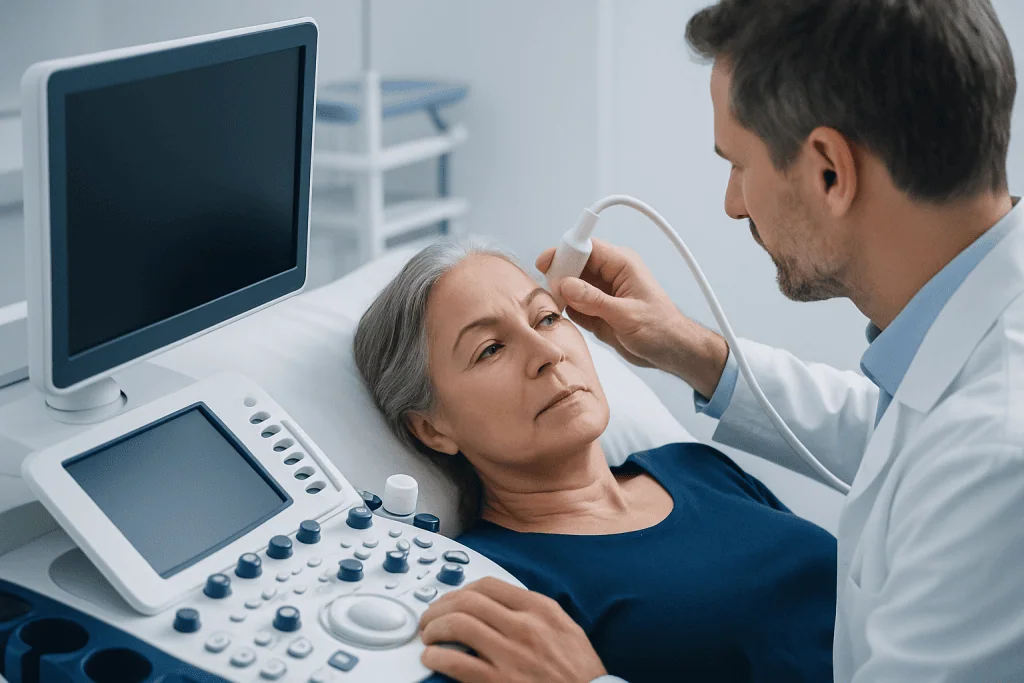
Symptoms involving the temporal artery can vary widely. Some people simply notice a pulsing vessel at the temple without pain. Others develop tenderness when touching the area, a new headache at the side of the head, or discomfort that seems to radiate to the scalp, forehead, ear, or jaw.
When the artery is inflamed, symptoms may be more specific. The temple may feel sore, the scalp can become sensitive when brushing hair, and pain may worsen when chewing. Some people describe jaw fatigue or aching during meals, known as jaw claudication. General symptoms such as fatigue, low-grade fever, and unintended weight loss can also occur.
Visual symptoms deserve special attention. Blurred vision, double vision, brief episodes of vision loss, or sudden loss of sight can occur when inflammation affects blood flow to the eye. This is one reason doctors take suspected giant cell arteritis seriously and may recommend urgent assessment and treatment.
- Temple pain or throbbing
- Tenderness over the scalp or artery
- A visible or thickened artery at the temple
- New headache, especially after age 50
- Jaw pain while chewing
- Vision changes
- General symptoms such as fatigue or fever
Possible causes and risk factors

Not all temple discomfort comes from the temporal artery itself. Common non-arterial causes include tension-type headache, migraine, dehydration, lack of sleep, eye strain, sinus problems, teeth grinding, and temporomandibular joint disorders. Muscle tenderness in the temples can also develop from stress or clenching the jaw.
When the artery is the source, the most important condition is giant cell arteritis. This is an inflammatory disease of medium and large arteries, especially arteries of the head and neck. It typically affects adults over age 50 and is more common with increasing age. Doctors also know that it may occur together with polymyalgia rheumatica, a condition that causes pain and stiffness in the shoulders and hips.
Less commonly, the temporal region may be affected by local injury, infection, or blood vessel abnormalities. A recent blow to the temple, an overlying skin infection, or irritation after a procedure can make the area sensitive. In rare cases, a vascular malformation or aneurysm may need evaluation by a specialist.
Risk factors that make clinicians more alert include older age, a new persistent headache, visual symptoms, jaw pain with chewing, and raised inflammatory markers on blood tests. Although many people worry that a visible temporal artery means disease, appearance alone does not confirm a problem. Context, symptoms, and examination findings matter most.
How doctors diagnose temporal artery problems
Diagnosis starts with a careful history. A doctor asks when the symptoms began, whether the pain is new, what makes it worse, and whether there are associated symptoms such as scalp tenderness, jaw discomfort, fever, fatigue, or changes in vision. Age and overall medical history are important because they affect the likelihood of different causes.
During the examination, the doctor may feel the temporal artery to check for tenderness, thickening, reduced pulse, or swelling. The scalp, jaw joint, neck muscles, and eyes may also be examined. This helps distinguish artery-related symptoms from migraine, muscle tension, dental causes, or TMJ problems.
Blood tests are often used when inflammation is suspected. These commonly include erythrocyte sedimentation rate and C-reactive protein, which can rise in giant cell arteritis. However, normal blood tests do not always rule it out, so doctors interpret results together with symptoms and examination findings.
Further testing may include ultrasound of the temporal arteries, other vascular imaging, or a temporal artery biopsy. Ultrasound can show changes that suggest inflammation, while biopsy allows a tissue sample to be examined under a microscope. Depending on symptoms, a clinician may also recommend MRI scanning or other imaging to assess related structures and rule out alternative diagnoses.
Treatment options and what they aim to do
Treatment depends on the cause. If temple discomfort is related to a tension headache, muscle strain, dehydration, or jaw clenching, care may focus on rest, hydration, posture, stress reduction, treatment of the underlying headache disorder, or dental assessment if teeth grinding is suspected. Some people benefit from guided care through headache treatment when symptoms are recurrent.
If a doctor suspects giant cell arteritis, treatment is usually started promptly, often before a biopsy result is available. The goal is to reduce inflammation quickly and protect blood flow, especially to the eyes. Corticosteroid medicines are commonly used first, and some patients may need other medications to help control inflammation or reduce steroid exposure over time.
Monitoring is an important part of care. Doctors track symptoms, blood test results, and possible treatment side effects over time. Eye symptoms may require urgent ophthalmology evaluation, and widespread arterial involvement may need additional vascular imaging. In selected cases, specialists may assess blood vessels using angiography or other imaging techniques when broader vascular disease is suspected.
Care is often multidisciplinary, especially when symptoms overlap with rheumatology, neurology, vascular medicine, or ophthalmology. Near the end of the diagnostic pathway, some international patients choose centers such as Acibadem International, where multidisciplinary specialists in JCI-accredited hospitals evaluate and treat complex temporal artery and vascular inflammatory conditions.
Prevention and self-care for temple discomfort
There is no guaranteed way to prevent every cause of temporal artery symptoms, because some conditions, such as giant cell arteritis, are inflammatory diseases that are not caused by lifestyle alone. Still, general self-care can reduce common triggers of temple pain, including dehydration, stress, poor sleep, and prolonged jaw clenching.
Useful measures include drinking enough fluids, maintaining regular meals, limiting excessive alcohol if it triggers headaches, and taking breaks from screens or tasks that strain the eyes and neck. Gentle relaxation techniques, good posture, and addressing nighttime teeth grinding can also help in some cases.
People with diagnosed giant cell arteritis should follow their treatment plan closely and attend follow-up appointments. Because treatment may continue for months or longer, it is important to discuss side effects, bone health, blood pressure, and infection risk with the care team. Changes in vision, worsening headache, or new jaw pain should not be managed at home without medical advice.
Self-care is best viewed as supportive, not as a substitute for diagnosis. New temple pain in an older adult, especially with tenderness or visual symptoms, should be assessed by a qualified doctor rather than treated as a routine headache.
When to seek medical care
Medical care should be sought promptly if there is new temple pain with scalp tenderness, pain while chewing, fever, fatigue, or a thickened temporal artery, particularly in someone over age 50. These symptoms can suggest giant cell arteritis, and early treatment can help lower the risk of complications.
Urgent evaluation is especially important for any visual symptom. Blurred vision, double vision, brief dimming of sight, or sudden vision loss should be treated as an emergency. The same is true for severe new headache with neurological symptoms such as weakness, confusion, or trouble speaking.
Even when symptoms are milder, a doctor should assess pain that does not improve, keeps returning, or interferes with daily life. If the source is not clear, a clinician may coordinate further evaluation with specialists and, when appropriate, arrange neurology care to investigate headache, nerve-related, or vascular causes.
Frequently asked questions
Where is the temporal artery located?
The temporal artery is located at the side of the head, near the temple and in front of the ear. It runs close to the skin, which is why it can sometimes be seen or felt pulsing.
Is it normal to feel the temporal artery pulse?
Yes, in many people it is normal to feel or occasionally see a pulse at the temple, especially after exercise, in warm weather, or during stress. It becomes more concerning when it is associated with pain, tenderness, swelling, or other symptoms.
What is the difference between temporal artery pain and temporal arteritis?
Temporal artery pain is a symptom, not a diagnosis. Temporal arteritis, also called giant cell arteritis, is a specific inflammatory disease of the arteries that can cause temple pain along with scalp tenderness, jaw pain, and vision problems.
Can a headache mean there is a temporal artery problem?
Sometimes, but not always. Most headaches are caused by conditions such as tension headache or migraine, but a new persistent headache in an older adult may need evaluation to rule out inflammation of the temporal artery.
How is giant cell arteritis confirmed?
Doctors usually combine symptoms, physical examination, blood tests, and imaging findings. In some cases, a temporal artery biopsy is used to confirm the diagnosis by showing inflammation in the artery wall.
Can temporal artery problems affect vision?
Yes. In giant cell arteritis, reduced blood flow to the eye can lead to blurred vision, double vision, or sudden vision loss. That is why visual symptoms require urgent medical care.
This article is for general information only and is not a substitute for professional medical advice. Please consult a qualified doctor about your individual situation.
Hair transplant in Turkey — costs, graft counts & a free assessment
JCI-accredited · board-certified surgeons · reply within 24h
Add us as a Preferred Source to see more of our trusted health content across Google Search, AI Overviews and Discover.

More from the Health Library

Dry Skin in Ears: What Patients Need to Know

Inferior Vena Cava: An Evidence-Based Guide for Patients

Shungite: What Patients Need to Know

Hiit Workouts: An Evidence-Based Guide for Patients

Gracilis Muscle: What Patients Need to Know