

Testicular Atrophy — Explained by Medical Evidence, Not Myths
Testicular atrophy refers to a reduction in testicle size and may affect one or both testicles. Possible causes include varicocele, infection, testicular torsion, hormone-related conditions, injury, certain medicines, and aging.
Key Takeaways
- Testicular atrophy refers to a reduction in testicle size and may affect one or both testicles.
- Possible causes include varicocele, infection, testicular torsion, hormone-related conditions, injury, certain medicines, and aging.
- A sudden painful change in a testicle needs urgent medical assessment because torsion can threaten testicular blood flow.
- Not every size difference is harmful, but a new or progressive change should be checked by a clinician.
- Treatment depends on the underlying cause and may include observation, medicines, surgery, hormone evaluation, or fertility support.
Testicular atrophy means that one or both testicles have become smaller than expected. It is a sign rather than a diagnosis, and evaluation can identify treatable causes while addressing concerns about testosterone production, fertility, and overall health.
Testicular atrophy: what it means
Testicular atrophy is a medical term for a decrease in the size of one or both testicles. The testicles normally produce sperm and testosterone, so a significant reduction in their tissue may sometimes affect fertility, sexual function, energy, muscle mass, or other functions influenced by testosterone. However, the impact varies widely, and some people with a smaller testicle have normal hormone levels and fertility.
The scrotum can temporarily look or feel different because of cold temperature, stress, exercise, or normal contraction of the muscles around the testicles. This is not the same as true atrophy. True atrophy is generally a persistent reduction in testicular size or firmness that does not resolve when the body is warm and relaxed.
A modest difference in size between the two testicles is common and is not automatically a problem. What matters most is whether the difference is new, increasing, associated with pain or a lump, or accompanied by changes such as reduced libido, erectile difficulties, infertility, breast enlargement, or loss of body hair. A clinician can help distinguish normal variation from a condition needing care.
Symptoms and changes a person may notice
The most noticeable feature is that one testicle, or both, seems smaller than before. The change may be gradual and painless, particularly when related to a varicocele, long-term hormone changes, or prior injury. In other situations, there may be discomfort, a heavy feeling in the scrotum, swelling, tenderness, or changes in the testicle’s firmness.
Because the testicles contribute to testosterone production, some people may also develop symptoms of low testosterone. These can include reduced sexual desire, fewer spontaneous erections, fatigue, low mood, decreased muscle strength, increased body fat, hot flushes, or reduced facial and body hair. These symptoms have many possible causes and do not confirm testicular atrophy by themselves.
Fertility may be affected when sperm production is reduced, although this cannot be determined by appearance alone. Difficulty achieving pregnancy after regular unprotected intercourse may prompt semen testing. It is important not to assume that a smaller testicle means infertility, or that normal-looking testicles guarantee normal fertility.
- New or increasing asymmetry between the testicles
- Persistent pain, heaviness, swelling, or tenderness in the scrotum
- A lump, hard area, or change in testicular consistency
- Symptoms that may suggest low testosterone or fertility concerns
Why testicular atrophy can happen
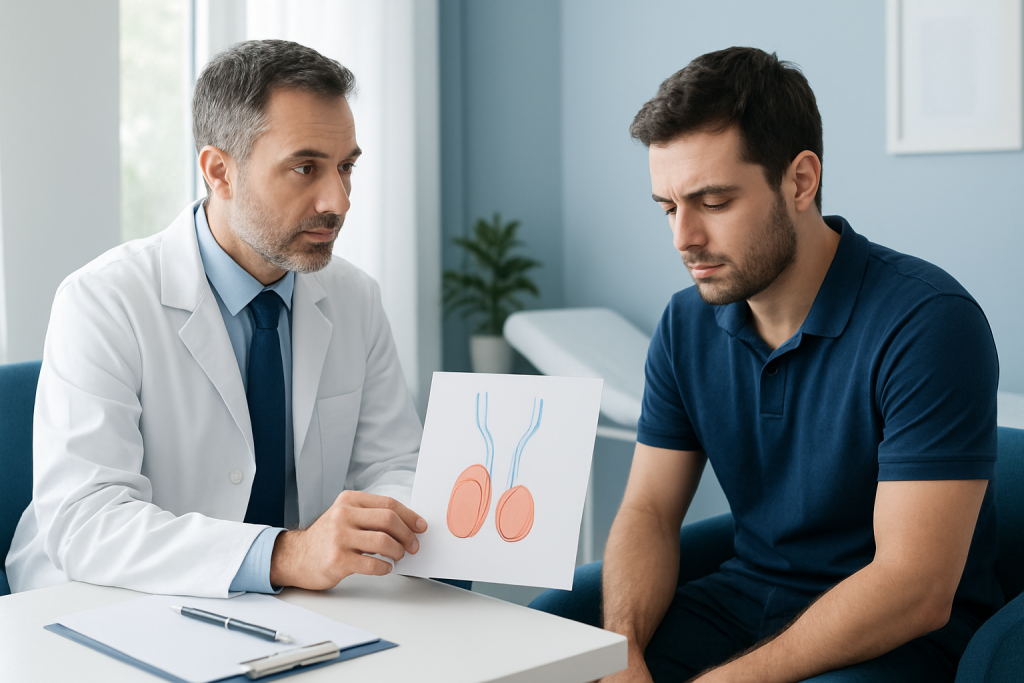
Testicular atrophy can result from reduced blood supply, inflammation, impaired sperm production, or changes in hormone signaling. One relatively common cause is varicocele, an enlargement of veins in the scrotum that may raise local temperature and affect testicular development or function. It more often occurs on the left side and may cause a dull ache or a feeling sometimes described as a bag of worms.
Infections can also affect the testicles. Mumps orchitis, which is inflammation of the testicle associated with mumps infection, may lead to shrinkage after recovery. Other infections involving the epididymis or testicle may cause pain and swelling and should be assessed promptly. Vaccination against mumps helps reduce the risk of this particular complication.
Testicular torsion is a twisting of the spermatic cord that can cut off blood supply to a testicle. Without urgent treatment, the affected testicle may be permanently damaged and later become smaller. Significant trauma, previous surgery, undescended testicles, chemotherapy or radiation involving the pelvic area, and some genetic or endocrine conditions may also contribute.
Hormonal influences matter as well. Conditions affecting the pituitary gland or hypothalamus can reduce signals that stimulate the testicles. Use of anabolic-androgenic steroids or testosterone without appropriate medical supervision can suppress the body’s hormone signaling and cause the testicles to shrink. Long-term heavy alcohol use and some medicines may also play a role in selected cases. Aging can be associated with gradual changes in testicular function, but a noticeable new change should not simply be attributed to age without evaluation.
Separating evidence from common myths
Testicular atrophy is not caused by masturbation, frequent sex, or ejaculation. These normal sexual activities do not permanently shrink the testicles. Similarly, wearing fitted underwear or sitting for long periods does not generally cause testicular atrophy, although prolonged heat exposure may be relevant to sperm production in some circumstances.
Another common misconception is that every smaller testicle indicates cancer. Testicular cancer more often presents as a painless lump, enlargement, firmness, or a feeling of heaviness rather than simple shrinkage. Still, any persistent lump, unexplained enlargement, or meaningful change in a testicle deserves medical examination because only an assessment can identify the cause reliably.
It is also inaccurate to assume that supplements, herbal products, or unregulated “testosterone boosters” can restore a shrunken testicle. Evidence for such products is limited, and some may interfere with hormones, interact with medicines, or contain undeclared substances. Care should focus on identifying and managing the underlying cause rather than relying on unproven products.
How clinicians assess testicular atrophy
A clinician usually begins with a discussion of when the change was first noticed and whether there has been pain, injury, fever, infection, fertility difficulty, puberty concerns, medication use, steroid use, or prior surgery. They may also ask about childhood history, including whether both testicles descended normally. These details can help narrow the possible causes.
A physical examination includes checking the size, texture, position, and tenderness of the testicles and looking for signs of a varicocele, hernia, fluid collection, or infection. If an examination is uncomfortable or sensitive, patients can tell the clinician; the examination is performed respectfully and is typically brief.
Scrotal ultrasound is often used when there is an unexplained size difference, pain, a lump, or concern about blood flow. It can provide detailed images of the testicle and surrounding structures without radiation. Depending on symptoms, blood tests may measure testosterone and other reproductive hormones, and a semen analysis may be considered when fertility is a concern. Further testing is guided by the findings rather than being necessary for everyone.
Treatment options and protecting testicular health
There is no single treatment for testicular atrophy because treatment depends on the cause. A varicocele may be monitored when it causes no symptoms or functional concern, while surgery or a minimally invasive procedure may be considered for persistent pain, impaired testicular development, or certain fertility concerns. Infection may require targeted treatment, and hormonal disorders may need assessment by a urologist or endocrinologist.
When low testosterone is confirmed, clinicians consider the cause, symptoms, age, and reproductive plans before recommending treatment. Testosterone therapy can be appropriate for some people with documented deficiency, but it may reduce sperm production and is not usually the first choice for someone trying to conceive. Fertility-focused treatment may instead address the underlying hormonal issue or involve a reproductive specialist.
A testicle that has already lost substantial tissue may not return fully to its former size, particularly after severe torsion, infection, or longstanding damage. Even so, identifying the cause can help preserve function in the other testicle, manage symptoms, and support fertility or hormonal health. If one testicle is healthy, it can often provide adequate testosterone and sperm production.
Practical protective steps include avoiding anabolic steroids and non-prescribed hormones, using appropriate protection during contact sports, seeking care for scrotal pain without delay, treating sexually transmitted infections promptly, and keeping routine health appointments. People with fertility goals should discuss medication and supplement use with a qualified clinician before starting treatment.
When to seek medical care
Urgent medical care is needed for sudden or severe testicular pain, especially when it begins over hours and is accompanied by swelling, nausea, vomiting, or a high-riding testicle. These symptoms may occur with testicular torsion, which is time-sensitive. It is safer to seek emergency assessment even if the pain later improves.
A prompt, non-emergency appointment is appropriate for a testicle that is becoming smaller, a persistent size difference, a new lump, firmness, scrotal heaviness, recurring discomfort, or symptoms of infection such as fever, burning urination, or discharge. People concerned about low testosterone, delayed puberty, or infertility should also arrange an evaluation rather than self-treating with hormones or supplements.
For international patients, Acibadem International’s multidisciplinary specialists and JCI-accredited hospitals can assess testicular and hormonal concerns through urology, endocrinology, imaging, and fertility services where appropriate. Individual evaluation is important because the best next step depends on symptoms, examination findings, and personal reproductive goals.
Frequently asked questions
Can testicular atrophy be reversed?
Whether testicular atrophy can improve depends on its cause and how long it has been present. Treating a contributing condition, such as infection, a hormone disorder, or varicocele in selected cases, may help protect function. Tissue that has been severely damaged may not regain its previous size, but treatment can still be valuable for symptoms, hormones, and fertility.
Is one testicle naturally smaller than the other?
Yes. Mild differences in size or position are common, and one testicle often hangs lower than the other. A new, clear, or worsening difference should be assessed, particularly if there is pain, a lump, or a change in firmness.
Does low testosterone always mean testicular atrophy?
No. Testosterone levels can be low for many reasons, including illness, obesity, sleep problems, some medicines, and conditions affecting hormone regulation. Blood testing and clinical assessment are needed to understand the cause and determine whether treatment is appropriate.
Can testosterone therapy cause testicular shrinkage?
Testosterone therapy can suppress the hormonal signals from the brain that normally stimulate the testicles. As a result, testicular size and sperm production may decrease in some people. Anyone considering testosterone should discuss fertility plans and possible alternatives with a clinician first.
Can a varicocele cause testicular atrophy?
A varicocele can be associated with reduced testicular growth or shrinkage, most often on the affected side. Not every varicocele causes problems or requires treatment. A urologist can assess symptoms, testicular size, hormone status, and fertility considerations to guide care.
Is testicular atrophy painful?
Testicular atrophy itself may be painless and noticed only as a size change. Pain can occur when the underlying cause involves inflammation, infection, trauma, or a varicocele. Sudden significant pain requires urgent evaluation because torsion must be ruled out.
References
- American Urological Association
- Urology Care Foundation
- National Institute of Diabetes and Digestive and Kidney Diseases
- Mayo Clinic
- World Health Organization
This article is for general information only and is not a substitute for professional medical advice. Please consult a qualified doctor about your individual situation.
IVF & fertility treatment in Turkey — success rates and costs
JCI-accredited · board-certified surgeons · reply within 24h
Add us as a Preferred Source to see more of our trusted health content across Google Search, AI Overviews and Discover.
Check your numbers in seconds
BMI, calories, due date, blood pressure and 30+ more clinical calculators — free, instant, doctor-reviewed ranges.

More from the Health Library



Related Specialists

Dr. Umut Özbebit (m)
Aesthetic Plastic & Reconstructive Surgery
Prof. Dr. Ata Can Atalar
Orthopedic Surgery & Traumatology
Dr. Sevil Elçin Kızılok
Pediatrics
Dr. Ayşenur Zorteymur
Pediatrics