Testicular Cancer Surgery: Procedure, Recovery and Results

Radical inguinal orchiectomy is the most common first operation for suspected testicular cancer. The surgeon removes the testicle through the groin rather than the scrotum to support accurate cancer treatment.
Key Takeaways
- Radical inguinal orchiectomy is the most common first operation for suspected testicular cancer.
- The surgeon removes the testicle through the groin rather than the scrotum to support accurate cancer treatment.
- Many people return to light daily activities within 1 to 2 weeks, while full recovery may take several weeks.
- Some patients need additional treatment or lymph node surgery after orchiectomy, depending on staging results.
- Fertility, testosterone levels, and body image should be discussed before surgery whenever possible.
Testicular cancer surgery usually involves removing the affected testicle through a groin incision, a procedure called radical inguinal orchiectomy. It provides essential diagnostic information and is often the first treatment step, with further care based on cancer type, stage, and individual needs.
Overview: What Is Testicular Cancer Surgery?
Testicular cancer surgery most often means removing the testicle that contains or is strongly suspected to contain cancer. This operation, called a radical inguinal orchiectomy, is performed through an incision in the groin. It both removes the primary tumor and allows a pathologist to identify the precise cancer type.
For many people, surgery is the first and most important step in care. The results help the cancer team determine whether observation with close follow-up is appropriate or whether chemotherapy, radiation therapy, or additional surgery is recommended.
Testicular cancer is highly treatable, including when it has spread beyond the testicle. Treatment planning is individualized and generally involves urologists, medical oncologists, radiologists, pathologists, and fertility specialists when needed.
How Surgery Works and Who May Need It
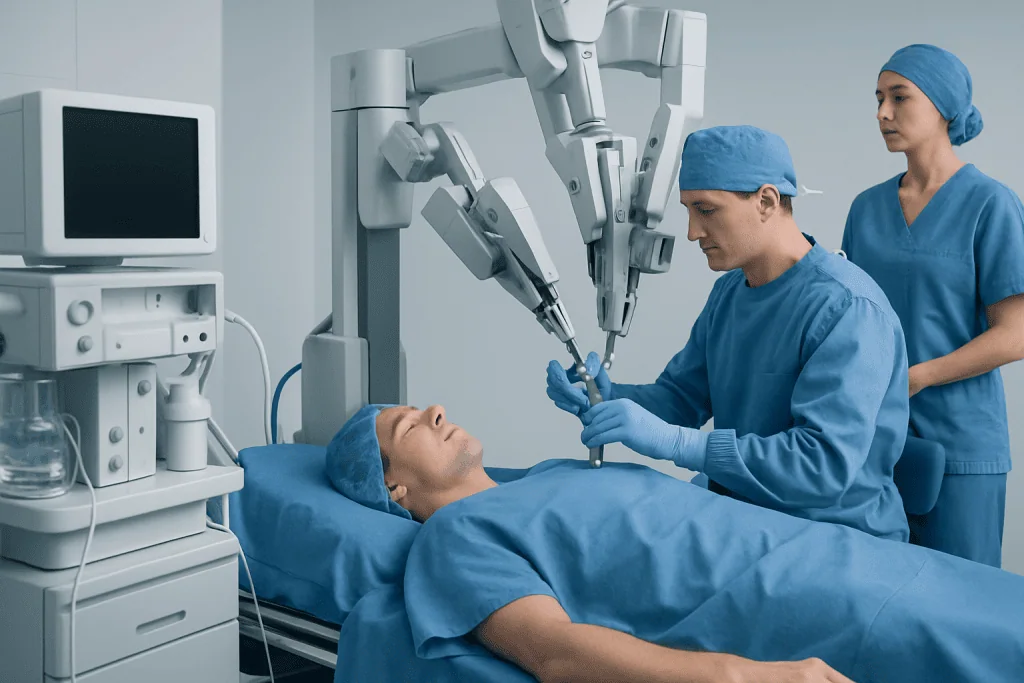
A painless lump, swelling, firmness, enlargement, or persistent heaviness in a testicle should be assessed promptly. Ultrasound and blood tests for tumor markers can help evaluate a suspicious finding, but a biopsy through the scrotum is usually avoided when testicular cancer is suspected. Instead, removal of the testicle through the groin provides the tissue needed for diagnosis while following established cancer-surgery principles.
Radical inguinal orchiectomy may be recommended when imaging and clinical findings suggest a testicular tumor. In selected situations, such as a tumor in a person with one testicle or tumors affecting both testicles, a specialist may discuss testis-sparing surgery. This is uncommon and requires careful assessment, because complete cancer control remains the priority.
After the pathology report and staging scans are complete, the team may recommend surveillance, chemotherapy, radiotherapy for selected seminoma cases, or removal of lymph nodes at the back of the abdomen. This latter operation is called retroperitoneal lymph node dissection, or RPLND, and may be considered for certain cancer types and stages.
Patients may also benefit from reading about testicular cancer to understand diagnosis, staging, and treatment decisions beyond the operation itself.
Before the Procedure: Planning, Fertility and Candidacy
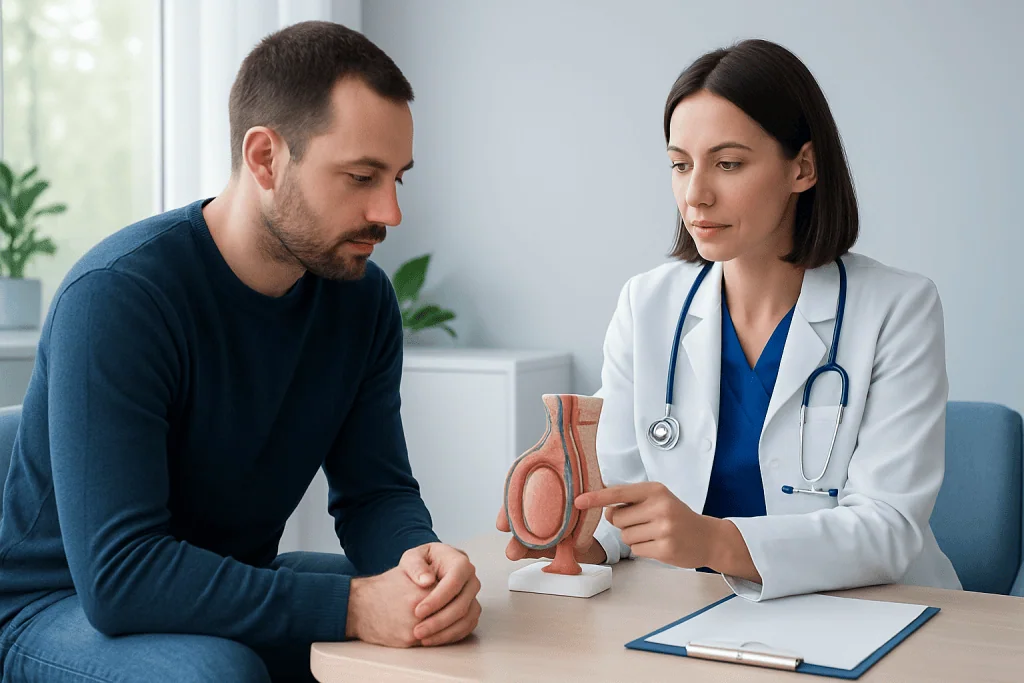
Before surgery, the clinical team reviews medical history, medications, allergies, imaging findings, blood tests, and anesthesia suitability. People are usually asked to follow instructions about eating and drinking before anesthesia and may need to pause certain medicines under medical guidance. The operation is generally performed under general anesthesia.
Fertility preservation is an important discussion before treatment begins. Removing one healthy-functioning testicle often does not prevent natural fertility, but cancer itself and later treatments such as chemotherapy can affect sperm production. Sperm banking may be offered before orchiectomy or before additional treatment, particularly for people who may want biological children in the future.
Most people continue to produce enough testosterone with one remaining healthy testicle. However, baseline hormone testing and later assessment can be appropriate if there are symptoms such as low energy, reduced sexual desire, erectile concerns, or mood changes. A testicular prosthesis may also be discussed for those who would like one; it can be placed during the same procedure or at a later time.
Step by Step: Radical Inguinal Orchiectomy
On the day of surgery, the patient receives anesthesia and the surgical area is cleaned and prepared. The surgeon makes a small incision in the lower abdomen or groin, just above the scrotum. The affected testicle is delivered through this incision rather than through the scrotal skin.
The surgeon carefully controls the spermatic cord, which contains blood vessels and other structures connecting the testicle to the body, and removes the testicle along with the cord at an appropriate level. The specimen is sent to a pathology laboratory, where specialists examine it for the cancer subtype, tumor size, involvement of nearby structures, and other features that guide staging.
The incision is then closed, often with dissolvable sutures. The operation commonly takes less than an hour, although total time at the hospital also includes preparation, anesthesia, and recovery monitoring. Some patients go home on the same day, while others stay overnight depending on their health and the care plan.
When surgery is part of a wider cancer treatment plan, patients can discuss testicular cancer treatment options with their multidisciplinary team.
Testicular Cancer Surgery Recovery Time and Aftercare
Testicular cancer surgery recovery varies, but many people are able to walk carefully on the day of surgery and return to light activities within about 1 to 2 weeks. A fuller testicular cancer recovery time is often several weeks, particularly before resuming strenuous exercise, cycling, heavy lifting, or sexual activity. The surgeon gives personalized instructions based on the procedure and the individual’s healing.
Bruising, mild swelling, numbness near the incision, and discomfort in the groin or scrotum can occur during early healing. Supportive underwear, rest, prescribed or recommended pain relief, and keeping the incision clean and dry as instructed can improve comfort. Short walks are often encouraged to support circulation, but activity should increase gradually.
People searching online for “testicular cancer surgery recovery reddit” may find a wide range of personal experiences. These accounts can offer emotional support, but they cannot predict an individual testicular surgery recovery time or replace instructions from the surgical team. Persistent or worsening symptoms should be discussed with a clinician.
A pathology review and follow-up appointment are usually arranged soon after surgery. At this visit, the team explains the results, checks wound healing, reviews tumor markers and imaging where relevant, and outlines the surveillance or treatment plan.
Benefits, Risks and Possible Further Treatment
The main benefit of orchiectomy is removal of the known or suspected tumor and confirmation of the diagnosis. It also provides detailed pathology information that helps prevent both undertreatment and unnecessary treatment. For some early-stage cancers, surgery followed by surveillance may be sufficient.
All operations involve some risks. Possible short-term complications include bleeding, infection, pain, fluid collection, bruising, delayed wound healing, or reactions to anesthesia. Less common concerns include ongoing numbness or discomfort near the groin incision. The surgeon explains individual risks and how they are reduced.
Removing one testicle usually has little effect on testosterone production or sexual function when the other testicle is healthy. Nonetheless, fertility and hormone effects deserve attention, especially if chemotherapy, radiation therapy, or surgery on both testicles is needed. Blood tests, fertility counseling, and hormone treatment can be considered when clinically appropriate.
If staging indicates cancer cells may be present beyond the testicle, the team may discuss systemic therapy or further surgery. Chemotherapy may be used for certain stages and cancer types, while selected patients may be candidates for robotic surgery approaches to lymph node procedures at experienced centers.
When to Seek Medical Care
Medical assessment is important for any new lump, persistent swelling, pain, heaviness, firmness, or change in size or shape of a testicle. Pain is not always present in testicular cancer, and many noncancerous conditions can cause similar symptoms, so examination is the safest way to establish the cause.
After surgery, patients should contact their care team promptly for fever, increasing redness or drainage from the incision, worsening pain that is not controlled by the recommended plan, significant swelling, trouble urinating, chest pain, shortness of breath, or swelling and pain in a leg. These symptoms do not always indicate a serious complication, but they require timely medical advice.
Follow-up is an essential part of long-term care. It may include physical examinations, tumor marker blood tests, and scans at scheduled intervals. Keeping these appointments helps the team monitor recovery and detect any recurrence at an early stage.
Acibadem International’s multidisciplinary specialists and JCI-accredited hospitals support international patients with diagnosis, surgery, fertility-focused planning, and follow-up for testicular cancer.
Living Well After Surgery
Physical recovery is only one part of adjusting after testicular cancer surgery. It is common to have questions about fertility, intimacy, body image, work, exercise, and fear of recurrence. Open discussion with the care team, a counselor, a sexual-health professional, or a support group can be helpful.
A balanced diet, adequate sleep, gradual return to activity, and avoiding tobacco can support general health during recovery. There is no single diet or supplement proven to prevent recurrence, and patients should speak with their oncology team before starting supplements or alternative therapies.
Most people can return to active lives after treatment. The appropriate pace depends on surgery type, final pathology, whether additional treatment is needed, overall health, and personal priorities. A written follow-up plan can make recovery and longer-term monitoring easier to understand.
Frequently asked questions
How long does testicular cancer surgery take?
A radical inguinal orchiectomy often takes less than an hour, although the total hospital visit is longer because of anesthesia preparation and recovery monitoring. The exact duration can vary with the surgical plan and the patient's medical needs.
What is the usual testicular cancer surgery recovery time?
Many patients resume light daily activities within 1 to 2 weeks. Recovery before heavy lifting, vigorous exercise, cycling, or other strenuous activity commonly takes several weeks, and the surgical team provides individualized guidance.
Can a person have children after one testicle is removed?
Many people remain fertile after removal of one testicle if the remaining testicle is healthy. Because cancer and additional treatments can affect fertility, sperm banking should be discussed before treatment whenever feasible.
Will removing one testicle lower testosterone?
One healthy remaining testicle usually produces sufficient testosterone. If symptoms of low testosterone occur, clinicians can assess hormone levels and discuss appropriate care.
Is a testicular prosthesis available after orchiectomy?
Yes. A testicular prosthesis may be placed during orchiectomy or later, depending on preference and clinical circumstances. It is a personal choice and does not affect cancer treatment.
Will surgery alone cure testicular cancer?
For some early-stage testicular cancers, orchiectomy followed by close surveillance may be all that is needed. Others require additional treatment based on pathology findings, tumor markers, imaging, and cancer stage.
References
- American Cancer Society
- National Cancer Institute
- European Association of Urology
- American Urological Association
- National Comprehensive Cancer Network
This article is for general information only and is not a substitute for professional medical advice. Please consult a qualified doctor about your individual situation.
Testicular Cancer in Turkey — costs, top hospitals & a free quote
JCI-accredited · board-certified surgeons · reply within 24h
Add us as a Preferred Source to see more of our trusted health content across Google Search, AI Overviews and Discover.

More from the Health Library



Related Specialists

Fzt. Melisa Yay
Physical Medicine & Rehabilitation
Dr. Hasan Kendirli
Emergency Service
Prof. Dr. Ahmet Arnaz
Cardiovascular Surgery
Assoc. Prof. Dr. Özden Sıla Ulus Buturak
Radiology