Throat Cancer Chemotherapy Drugs: How It Works, Results and What to Expect

Chemotherapy may be given with radiation, before surgery or radiation, after treatment, or for recurrent or metastatic throat cancer. Cisplatin is commonly used, while carboplatin, fluorouracil (5-FU), docetaxel and paclitaxel may be appropriate in selected situations.
Key Takeaways
- Chemotherapy may be given with radiation, before surgery or radiation, after treatment, or for recurrent or metastatic throat cancer.
- Cisplatin is commonly used, while carboplatin, fluorouracil (5-FU), docetaxel and paclitaxel may be appropriate in selected situations.
- The best regimen depends on the cancer site and stage, treatment goals, kidney and hearing function, overall health, and previous treatment.
- Side effects are monitored closely and can often be prevented, reduced or treated with supportive care.
- Regular nutrition, dental, speech-and-swallowing, oncology and radiation support can be important parts of care.
Throat cancer chemotherapy drugs are medicines that circulate through the bloodstream to destroy cancer cells or slow their growth. They are commonly combined with radiation therapy, used before or after surgery, or offered for cancer that has returned or spread.
Overview: how throat cancer chemotherapy drugs work
Throat cancer chemotherapy drugs are anti-cancer medicines that enter the bloodstream and target rapidly dividing cells. They may kill cancer cells directly, interfere with their ability to copy genetic material, or make cancer cells more sensitive to radiation. Chemotherapy is not one single medicine; the drug or combination is selected according to the individual clinical situation.
“Throat cancer” can include cancers of the pharynx and larynx, often grouped clinically as head and neck cancers. For many locally advanced cancers, chemotherapy is given at the same time as radiation therapy. This approach, called chemoradiation, can improve the effect of radiation in the tumor area and may help preserve structures involved in speech and swallowing when appropriate.
Chemotherapy may also be used before definitive treatment to reduce the tumor burden, after surgery when there is a high risk of recurrence, or to control cancer that has come back or spread to other parts of the body. The aim may be cure, reduction of recurrence risk, tumor control, or symptom relief; the oncology team will explain which aim applies.
Which drugs may be used and why
Cisplatin is one of the most frequently used throat cancer chemotherapy drugs, particularly when chemotherapy is combined with radiation. It is a platinum-based medicine that damages cancer-cell DNA. Depending on the treatment plan, it may be administered at regular intervals during radiation or on another schedule designed by the oncology team.
Carboplatin is another platinum medicine and may be considered when cisplatin is not suitable, for example because of certain kidney problems, hearing concerns, nerve symptoms, frailty, or other health factors. Other medicines that may be used include fluorouracil (5-FU), docetaxel and paclitaxel. In some settings, drugs are combined to treat recurrent or metastatic disease or to prepare for later treatment.
Chemotherapy may be used alongside other systemic treatments, including immunotherapy or targeted therapy, in selected cases. These medicines work differently from standard chemotherapy and are not interchangeable for every patient. The treatment team considers tumor location, pathology results, HPV status where relevant, prior therapies, symptoms and personal treatment goals when recommending a plan.
- Platinum drugs: cisplatin and carboplatin.
- Antimetabolite: fluorouracil (5-FU).
- Taxanes: docetaxel and paclitaxel.
- Other systemic approaches: immunotherapy or targeted therapy may be considered in particular circumstances.
Who may be a candidate for chemotherapy

Candidacy is determined by a multidisciplinary team, often including medical oncologists, radiation oncologists, ENT or head and neck surgeons, radiologists, pathologists, dentists, dietitians and speech-and-swallowing specialists. Staging scans, examination findings and biopsy results help the team determine whether the cancer is localized, locally advanced, recurrent or metastatic.
Before recommending a drug, clinicians assess overall fitness, nutritional status, blood counts, kidney and liver function, hearing, nerve function and heart health when relevant. They also review medicines, allergies, smoking and alcohol history, and any previous cancer treatment. These checks help balance potential benefit with the risk of complications.
Not every person needs chemotherapy. Earlier-stage throat cancers may be treated with surgery or radiation alone, while some people may be better suited to another systemic therapy or a modified regimen. Patients should feel comfortable asking why a specific drug is recommended, what alternatives exist, and whether the treatment goal is cure or disease control.
What happens during treatment: step by step
Before treatment starts, patients usually have baseline blood tests and may undergo imaging, a dental evaluation and assessments of swallowing and nutrition. If radiation is planned, careful treatment planning is completed first. A central venous access device may be recommended for some regimens, especially when repeated infusions or medicines that can irritate smaller veins are expected.
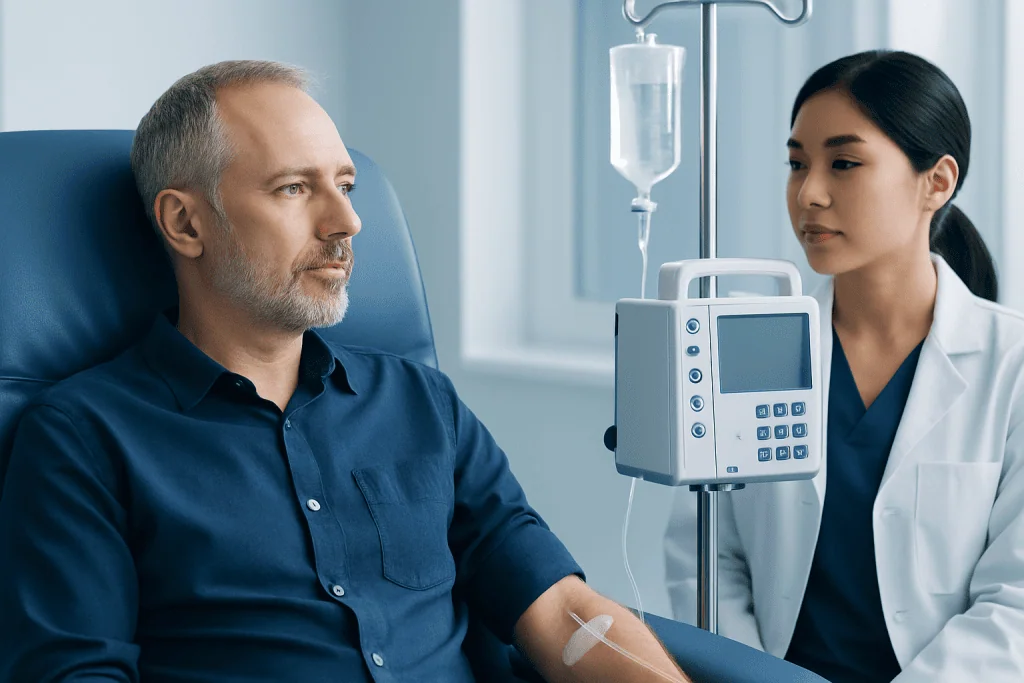
On treatment days, the care team checks symptoms, weight, vital signs and laboratory results. Chemotherapy is usually delivered through a vein in an outpatient infusion unit, although some treatment schedules require a temporary infusion pump or hospital observation. Fluids and medicines to reduce nausea or allergic reactions may be given before the anti-cancer drugs.
Each visit is also an opportunity to identify side effects early. Blood tests may lead to a delay, dose adjustment, additional fluids, growth-factor support in selected settings, or other supportive treatment. Changes do not necessarily mean that treatment is failing; they are often a routine safety measure tailored to the body’s response.
When chemotherapy is combined with radiation, appointments are coordinated closely because both treatments follow a planned course. Chemotherapy treatment should always be individualized and delivered under the supervision of an experienced cancer team.
Expected benefits, side effects and safety monitoring
The potential benefits of chemotherapy depend on the setting. With radiation, it may increase local cancer control. Before other treatment, it may shrink a tumor in selected circumstances. For recurrent or metastatic disease, it may slow growth, reduce symptoms and support quality of life. Individual results vary according to tumor biology, stage, response to treatment and overall health.
Common side effects can include tiredness, nausea, vomiting, reduced appetite, taste changes, mouth soreness, low blood cell counts and a higher risk of infection. Radiation to the throat area can add mouth and throat pain, dry mouth, skin irritation and swallowing difficulty. Nutrition and hydration support are particularly important because treatment-related swallowing pain can make eating and drinking harder.
Some effects are drug-specific. Cisplatin can affect kidney function, hearing and nerves, so blood tests, hydration plans and symptom reviews are important. Taxanes can cause nerve symptoms, muscle or joint aches, and changes in blood counts. The team may adjust treatment to reduce risks while maintaining an effective plan.
Patients should report fever, chills, breathing difficulty, uncontrolled vomiting, severe diarrhea, inability to drink, confusion, bleeding, new severe pain, or a sudden reduction in urine output promptly. The treatment center provides instructions for urgent and out-of-hours concerns.
Recovery timeline and supportive care
Recovery is individual. Some infusion-related symptoms occur in the first few days, while tiredness and low blood counts may develop later in a treatment cycle. When chemoradiation is used, mouth and throat symptoms often build gradually during treatment and can remain significant for several weeks after the final radiation session before slowly improving.
Follow-up visits include physical examinations, blood tests when needed and imaging at an appropriate interval. The team monitors for recurrence, treatment response, nutrition, thyroid function when relevant, dental health, speech, hearing and long-term swallowing changes. Recovery may continue for months, and rehabilitation can make a meaningful difference.
Helpful supportive measures include taking prescribed anti-nausea medicines, drinking fluids as advised, choosing soft and protein-rich foods when swallowing is difficult, maintaining mouth care, and avoiding tobacco and alcohol. A dietitian and speech-and-swallowing therapist can tailor recommendations. Patients should not start supplements or herbal products without discussing them with the oncology team because some may interact with treatment.
Acibadem International’s multidisciplinary specialists and JCI-accredited hospitals support diagnosis and treatment planning for international patients with throat cancer, including coordinated oncology, ENT, radiation, nutrition and rehabilitation care.
When to seek medical care
Anyone with persistent hoarseness, a sore throat that does not improve, pain or difficulty swallowing, a neck lump, unexplained weight loss, coughing up blood, persistent ear pain, or ongoing voice changes should arrange a medical assessment. These symptoms can have causes other than cancer, but timely evaluation is important when they persist or worsen.
During chemotherapy, patients should contact their cancer team urgently for a fever or signs of infection, severe mouth pain that prevents drinking, repeated vomiting, dehydration, unexpected bruising or bleeding, chest pain, shortness of breath, or a serious allergic-type reaction. It is safer to call the treatment team rather than waiting for the next scheduled visit.
People should also seek urgent medical help for sudden difficulty breathing, severe swelling of the face or throat, confusion, fainting, or uncontrolled pain. Keeping the oncology unit’s day and after-hours contact numbers readily available can help patients and caregivers act promptly.
Frequently asked questions
What is the most common chemotherapy drug for throat cancer?
Cisplatin is commonly used, especially when chemotherapy is given with radiation for locally advanced throat cancer. However, the best drug varies between patients. Carboplatin, 5-FU, docetaxel or paclitaxel may be used in particular circumstances.
Does chemotherapy cure throat cancer?
Chemotherapy can be part of treatment intended to cure throat cancer, most often when combined with radiation or incorporated into a broader treatment plan. Whether cure is realistic depends on the cancer stage, location, biology and response to treatment. In recurrent or metastatic cancer, chemotherapy may instead be used to control disease and symptoms.
How long does chemotherapy for throat cancer last?
The duration depends on the treatment purpose and medicines used. When combined with radiation, chemotherapy is typically scheduled throughout the radiation course. Treatment for recurrent or metastatic cancer may continue in cycles for as long as it is helping and side effects remain manageable.
Will chemotherapy cause hair loss in throat cancer treatment?
Hair loss depends on the specific drug. Cisplatin alone is less likely to cause complete hair loss than some other chemotherapy medicines, while taxanes can cause more noticeable hair thinning or loss. The oncology team can explain what to expect from the planned regimen.
Can someone eat normally during throat cancer chemotherapy?
Some people can maintain regular eating, while others develop taste changes, nausea, mouth soreness or swallowing difficulty. Soft, moist foods, frequent small meals and high-protein options can be helpful. A dietitian and swallowing specialist can provide individualized advice when intake becomes difficult.
What tests are needed before chemotherapy?
Testing commonly includes blood counts and kidney and liver function tests, with additional assessments based on the planned drugs. Hearing and nerve assessments may be important before cisplatin, and dental, nutritional and swallowing evaluations are often useful before chemoradiation. Imaging and pathology results are also reviewed to confirm the treatment plan.
References
- National Cancer Institute
- American Cancer Society
- National Comprehensive Cancer Network
- European Society for Medical Oncology
- World Health Organization
This article is for general information only and is not a substitute for professional medical advice. Please consult a qualified doctor about your individual situation.
Chemotherapy in Turkey — costs, top hospitals & a free quote
JCI-accredited · board-certified surgeons · reply within 24h
Add us as a Preferred Source to see more of our trusted health content across Google Search, AI Overviews and Discover.

Medical Oncology Department
Medical treatment of cancer with chemotherapy, immunotherapy and targeted therapies under a multidisciplinary tumor board.
60 specialists in this unit