Thymus Gland: An Evidence-Based Guide for Patients

The thymus gland helps T cells mature, which supports the body's immune defenses. It is most active in childhood and usually becomes smaller and fattier after puberty.
Key Takeaways
- The thymus gland helps T cells mature, which supports the body's immune defenses.
- It is most active in childhood and usually becomes smaller and fattier after puberty.
- Many thymus gland problems cause no symptoms and are found on imaging done for other reasons.
- When symptoms occur, they may relate to pressure in the chest, autoimmune disease, or a tumor such as thymoma.
- Diagnosis often uses imaging, blood tests, and sometimes biopsy or surgery.
- Treatment depends on the cause and may include monitoring, medication, surgery, radiation therapy, or chemotherapy.
The thymus gland is a small organ in the upper chest that plays a key role in training the immune system, especially early in life. Although it naturally shrinks with age, it can still be involved in conditions such as thymoma, cysts, enlargement, and autoimmune disorders that may need medical evaluation.
Overview: what the thymus gland does
The thymus gland is a small organ located behind the breastbone and in front of the heart. Its main job is to help the immune system develop by guiding certain white blood cells, called T lymphocytes or T cells, to mature and learn how to recognize threats while avoiding the body’s own tissues. In simple terms, the thymus gland acts as a training center for part of the immune system.
The thymus is most active during infancy, childhood, and early adolescence. After puberty, it gradually becomes smaller and is partly replaced by fatty tissue. This normal change is called involution. Even though the thymus becomes less prominent with age, its early work remains important because it helped build a lasting T-cell population.
Many people never think about the thymus gland because it usually causes no symptoms and is not something that can be felt from the outside. However, doctors may evaluate it if imaging shows a mass in the chest, if autoimmune symptoms suggest a related condition, or if there are signs of a mediastinal tumor such as thymoma.
Why the thymus gland matters to the immune system
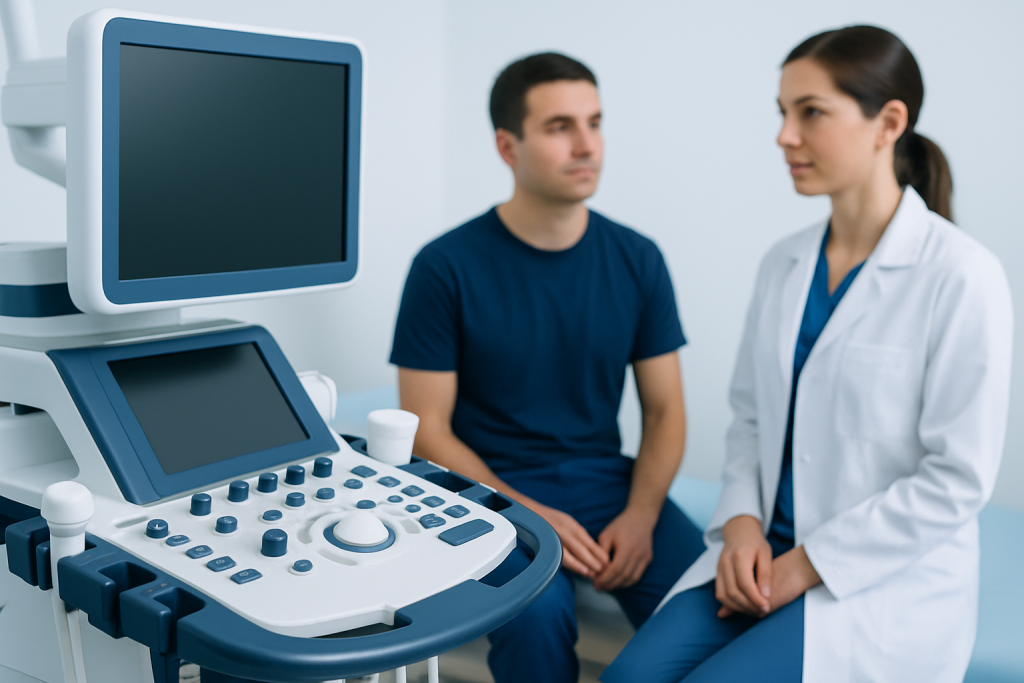
The immune system depends on different types of white blood cells to defend the body. T cells are especially important because they help identify infected cells, coordinate immune responses, and support balance within the immune system. The thymus gland provides the environment where immature T cells learn these tasks safely.
Inside the thymus, developing T cells go through a careful selection process. Cells that can respond to infections appropriately are kept, while cells that react too strongly to the body’s own tissues are usually removed. This helps reduce the risk of autoimmunity, although the process is not perfect and autoimmune disease can still occur.
Because of this link to immune tolerance, some thymus gland disorders are connected with autoimmune conditions. The best-known example is myasthenia gravis, in which the immune system affects communication between nerves and muscles. In some patients, thymic enlargement or thymoma is found during evaluation for myasthenia gravis.
Common thymus gland conditions
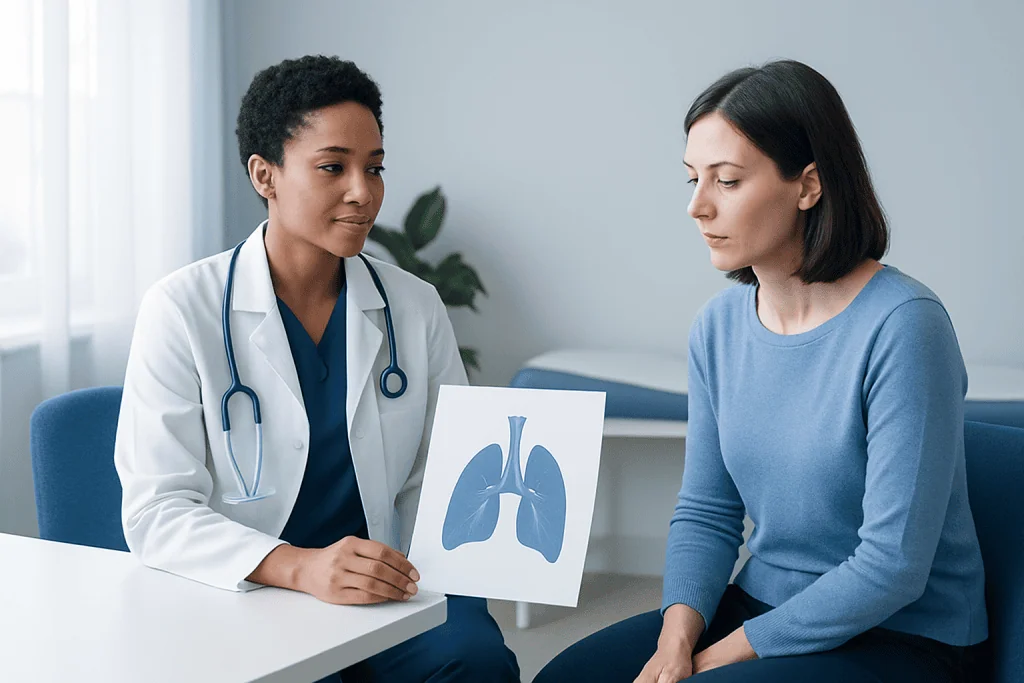
Several different conditions can affect the thymus gland. Some are harmless findings, while others need active treatment. A doctor’s assessment is important because chest imaging alone cannot always tell exactly what a thymus abnormality represents.
Common thymus-related conditions include:
- Thymic hyperplasia: an enlarged or more active thymus, sometimes seen after stress, certain illnesses, or with autoimmune disease.
- Thymic cysts: fluid-filled sacs that may be benign and discovered incidentally.
- Thymoma: a tumor that arises from thymic epithelial cells and may behave in a slow-growing but locally invasive way.
- Thymic carcinoma: a rarer and generally more aggressive cancer of the thymus.
- Association with autoimmune disease: especially myasthenia gravis, but also occasionally other immune-related disorders.
Not every thymus mass is cancer, and not every enlarged thymus is dangerous. In children and younger adults, the thymus can look relatively large and still be normal. In adults, doctors interpret the appearance based on age, symptoms, blood tests, and imaging features, and sometimes they recommend further testing to clarify whether the finding is benign or requires treatment.
Symptoms and signs of thymus gland problems
Many thymus gland abnormalities do not cause noticeable symptoms. They are often found by chance during a chest X-ray, CT scan, or MRI done for another reason. When symptoms are present, they may come either from pressure on nearby structures in the chest or from related autoimmune disease.
Possible symptoms include chest discomfort, a cough that does not improve, shortness of breath, or a feeling of pressure behind the breastbone. If a mass affects nearby nerves or blood vessels, less common symptoms such as voice changes, swelling, or difficulty swallowing may occur. These symptoms do not automatically mean a thymus disorder, but they should be assessed by a doctor.
Symptoms linked to autoimmune conditions can be another clue. In myasthenia gravis, for example, people may notice drooping eyelids, double vision, trouble chewing, difficulty swallowing, slurred speech, or muscle weakness that worsens with activity. Because these symptoms can overlap with other conditions, medical evaluation is important to identify the true cause.
How doctors diagnose thymus gland disorders
Diagnosis starts with a medical history and physical examination, but imaging is often central because the thymus sits deep in the chest. A chest X-ray may suggest an abnormality, while a CT scan gives more detail about the size, shape, and location of a thymic mass. MRI can be useful in selected cases, especially when doctors want to better characterize tissue or evaluate surrounding structures. In some situations, MRI or CT imaging helps distinguish normal thymic tissue from a tumor.
Blood tests may also be ordered, particularly when autoimmune disease is suspected. For example, antibody testing may support a diagnosis of myasthenia gravis. Pulmonary function tests or additional specialist evaluations may be needed if symptoms involve breathing or muscle weakness.
Sometimes the diagnosis remains uncertain after imaging. In that case, doctors may recommend biopsy or surgical removal, depending on how suspicious the lesion appears and whether it seems safely removable. Pathology examination of tissue provides the most definite diagnosis. For confirmed cancer or suspected spread, PET-CT may be used in selected cases to help stage disease and guide treatment planning.
Treatment options for thymus gland conditions
Treatment depends on the underlying condition, the person’s age and overall health, symptoms, and whether the thymus lesion is benign, localized, or malignant. Some small, clearly benign-appearing findings may only need monitoring with repeat imaging. Others require a more active approach.
For thymoma and certain other thymic tumors, surgery is often a key treatment, especially when the tumor appears removable. An operation to remove the thymus is called a thymectomy. It may also be recommended in selected patients with myasthenia gravis, even when the main goal is to improve disease control rather than remove a cancer. In appropriate patients, robotic surgery may be one possible surgical approach, depending on the tumor and the center’s expertise.
Radiation therapy may be used after surgery or sometimes as a primary treatment when complete removal is not possible. Chemotherapy may be recommended for advanced thymic tumors, recurrent disease, or before surgery in selected cases. Autoimmune symptoms such as myasthenia gravis are managed with medicines and supportive care tailored to the individual. A multidisciplinary team is often helpful because thoracic surgery, neurology, oncology, radiology, and pathology may all be involved.
Living with a thymus gland condition
Being told that there is a mass near the thymus gland can feel unsettling, but outcomes vary widely depending on the exact diagnosis. Some findings turn out to be benign or stable over time. Others need treatment but can often be managed effectively with a personalized care plan.
Patients often benefit from asking clear questions at each step: What does the imaging show? Is the finding definitely in the thymus? Does it look benign or suspicious? What follow-up is needed, and what symptoms should prompt earlier review? Keeping copies of imaging reports and pathology results can also make future consultations easier.
General self-care remains important. This includes attending follow-up appointments, taking medications as prescribed, staying up to date with vaccinations when advised by a doctor, and reporting any new weakness, breathing changes, or swallowing problems promptly. Near the end of the care pathway, some people may need rehabilitation, nutrition support, or ongoing neurological follow-up, particularly if an autoimmune condition is also present.
For international patients who need evaluation or treatment, Acibadem International’s multidisciplinary specialists and JCI-accredited hospitals diagnose and treat thymus-related conditions with coordinated care across imaging, surgery, neurology, and oncology services.
When to seek medical care
Medical care is appropriate if there is a persistent cough, chest discomfort, unexplained shortness of breath, trouble swallowing, or an abnormal chest scan that mentions the thymus gland or anterior mediastinum. These symptoms and findings often have causes other than a thymus disorder, but they should not be ignored.
Prompt assessment is especially important if weakness affects the eyes, face, speech, swallowing, or breathing, since this can suggest myasthenia gravis or another neurological problem. Sudden worsening breathing difficulty, severe swallowing trouble, or rapid progression of weakness needs urgent medical attention.
Even when there are no symptoms, follow-up matters if a doctor has advised repeat imaging for a thymic finding. Monitoring allows specialists to see whether the thymus abnormality is stable, shrinking, or changing in a way that calls for further tests or treatment.
Frequently asked questions
What is the thymus gland?
The thymus gland is a small organ in the upper chest, behind the breastbone. Its main role is to help certain immune cells called T cells mature, especially during childhood and adolescence.
Does the thymus gland disappear with age?
It does not completely disappear, but it usually becomes much smaller after puberty. Over time, much of the gland is replaced by fatty tissue, which is a normal age-related change.
Can a person live without the thymus gland?
Yes, many people can live without the thymus gland, particularly after childhood when much of its immune training role has already occurred. However, the reasons for removal and the person’s overall health still matter, so follow-up care is important.
Are all thymus gland masses cancer?
No, not all thymus masses are cancerous. Some are benign cysts, normal variations, or thymic hyperplasia, while others may be tumors such as thymoma or thymic carcinoma.
What is the link between the thymus gland and myasthenia gravis?
The thymus gland is involved in immune regulation, and abnormalities in the gland are often seen in people with myasthenia gravis. In some patients, the thymus is enlarged or contains a thymoma, and treatment may include thymectomy as part of overall care.
How is a thymus gland problem usually found?
Many problems are found incidentally on imaging tests such as a chest X-ray or CT scan done for another reason. If symptoms are present, doctors may also use blood tests, MRI, and sometimes biopsy or surgery to confirm the diagnosis.
References
- National Cancer Institute
- National Institute of Neurological Disorders and Stroke
- American Cancer Society
- Mayo Clinic
- Merck Manual Consumer Version
This article is for general information only and is not a substitute for professional medical advice. Please consult a qualified doctor about your individual situation.
Explore treatments in Turkey — costs, top hospitals & a free quote
JCI-accredited · board-certified surgeons · reply within 24h
Add us as a Preferred Source to see more of our trusted health content across Google Search, AI Overviews and Discover.

More from the Health Library

Medical Glue: A Complete Medical Overview

Fire Ant Bites — Explained by Medical Evidence, Not Myths

Iron Deficiency: An Evidence-Based Guide for Patients

Soy Bean: An Evidence-Based Guide for Patients

Luteal Phase: What Patients Need to Know