Medical Glue: A Complete Medical Overview

Medical glue closes the top layer of some wounds and forms a protective seal while the skin heals. It is often used for small, clean, low-tension cuts and some surgical incisions.
Key Takeaways
- Medical glue closes the top layer of some wounds and forms a protective seal while the skin heals.
- It is often used for small, clean, low-tension cuts and some surgical incisions.
- Not every wound is suitable for glue; deeper, contaminated, or heavily bleeding wounds may need stitches or other treatment.
- The adhesive usually peels off on its own, and the area should be kept clean and protected during healing.
- Medical assessment is important if a wound is deep, gaping, infected, or caused by an animal bite or dirty object.
Medical glue is a special adhesive used by healthcare professionals to close certain cuts, surgical incisions, and small wounds. It can be a quick, effective alternative to stitches or staples for selected wounds, but it is not suitable for every injury.
What medical glue is and how it works
Medical glue is a sterile skin adhesive used to close certain wounds by holding the skin edges together. In simple terms, it acts like a protective seal over the surface of a cut or incision, helping the skin heal naturally underneath. It is commonly used in emergency care, outpatient procedures, and surgery for wounds that are clean and not under too much tension.
Most medical glues used on skin are based on cyanoacrylate compounds that are designed for medical use. These products are different from household glues and should only be applied by trained professionals in appropriate situations. Once placed on the skin, the adhesive quickly hardens into a thin film.
The film helps keep the wound edges together, reduces the need for suture removal in many cases, and creates a barrier against minor external contamination. Over time, the glue naturally loosens and falls away as the skin repairs itself. For many patients, this makes wound care simpler and more comfortable.
When medical glue is used
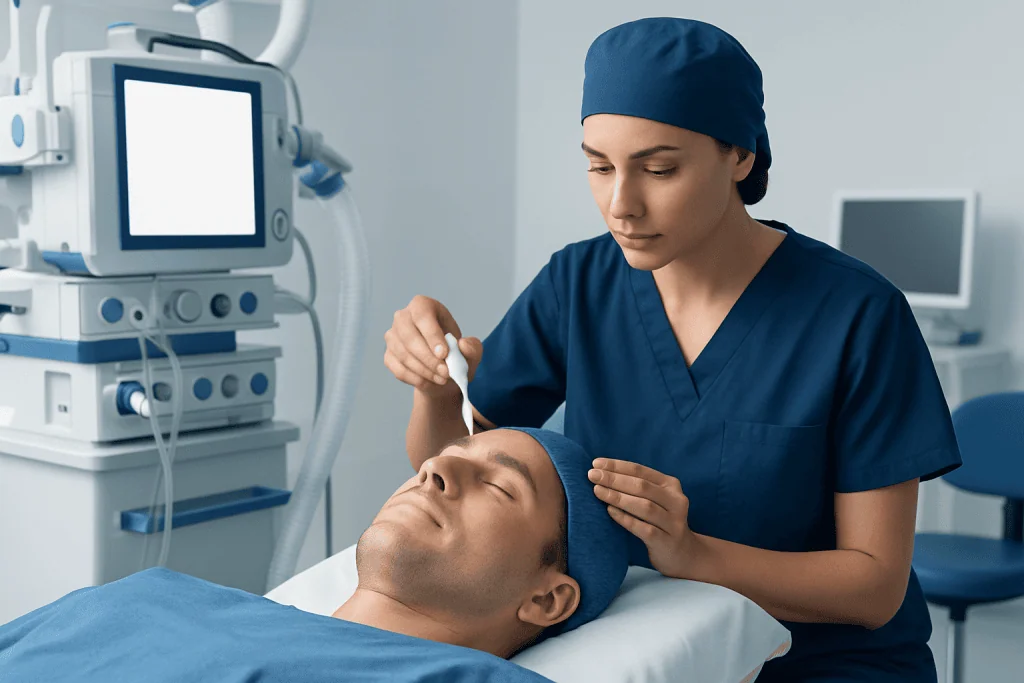
Medical glue is often chosen for small, straight, clean cuts with edges that can be easily brought together. It may also be used for selected surgical incisions, especially when the wound is shallow and in an area that does not stretch too much. In some procedures, glue is used alone; in others, it may be combined with deeper dissolvable stitches to support the tissue underneath.
Doctors may prefer glue because it can be fast to apply and may reduce the need for follow-up removal compared with traditional stitches. It can also be useful in children or people who are anxious about needles, as some wounds can be closed without injecting local anesthetic, depending on the situation.
Common settings where skin adhesive may be considered include minor facial cuts, small lacerations on the trunk, and carefully selected surgical wounds. It is not a one-size-fits-all method, and the decision depends on wound depth, location, contamination risk, bleeding, and how much movement the area will experience during healing.
When a wound needs procedural treatment, a specialist may consider options such as wound care treatment or general surgery depending on the cause, depth, and tissue involved.
Benefits and possible limitations

One of the main benefits of medical glue is convenience. It is usually quick to apply, creates a waterproof-like protective layer for brief daily exposure, and often gives a neat cosmetic result when used on the right wound. Many people also appreciate that there are no external stitches to remove later.
Another advantage is comfort. Because glue is placed on the surface of the skin rather than passed through the tissue like sutures, some patients find the experience less intimidating. In suitable cases, this can simplify care after minor injuries or surgery.
At the same time, medical glue has clear limitations. It is generally not suitable for deep wounds, jagged tears, areas with heavy friction, or places where the skin is pulled tightly with movement. It also may not be appropriate if the wound is infected, heavily contaminated, or actively bleeding.
If the wrong wound is closed with glue, the edges may separate before healing is complete. That can increase the chance of delayed healing, scarring, or infection. For this reason, medical glue should be viewed as one wound-closure option rather than the best choice for every cut.
When medical glue should not be used
Medical glue is not ideal for every injury. Wounds that are deep, gaping, crushed, or irregular often need layered repair with sutures. Cuts over joints or highly mobile areas may also need stronger support because repeated movement can pull the edges apart.
Glue is usually avoided for wounds that are contaminated or at higher risk of infection, such as animal bites, puncture wounds, dirty injuries, or wounds with dead tissue. If bacteria are trapped inside a poorly cleaned wound, sealing the surface may make proper healing more difficult.
Some body areas are also less suitable. Very moist surfaces, mucosal tissues, or hairy areas can make the adhesive less reliable unless specific techniques are used. Wounds near the eyes require special caution because accidental glue exposure can cause additional problems.
People with underlying health issues that affect healing, such as poor circulation or uncontrolled diabetes, may need closer evaluation before any wound is closed. In these situations, doctors may also assess for related problems such as diabetic foot when foot wounds are present.
How clinicians decide between glue, stitches, and other closure methods
Choosing the best way to close a wound depends on several practical questions. A clinician first checks how deep the injury is, whether important structures may be involved, and whether the wound can be cleaned properly. The doctor also looks at bleeding, the amount of skin tension, and the risk of infection.
Glue tends to work best when the wound edges come together easily and stay together without force. If the wound is under tension, deeper stitches may be needed to support the tissue. Staples may be preferred for some scalp or longer surgical wounds, while adhesive strips can work for very superficial injuries.
Cosmetic outcome matters too, especially on the face. In selected facial wounds, skin adhesive can give very good results if the cut is simple and well aligned. However, careful technique is essential, and some facial injuries still require sutures for the best healing and appearance.
When the wound is caused by trauma, doctors may also evaluate deeper soft tissue damage or associated issues such as skin infections if redness, warmth, drainage, or tenderness suggest infection has already begun.
Aftercare and healing with medical glue
After medical glue is applied, the area should usually be kept clean, protected, and as dry as the clinician advises. Gentle showering may be allowed in many cases, but soaking in baths, swimming pools, or hot tubs is often discouraged until the wound has sealed and begun healing well. Patients should not scrub, pick, or peel the adhesive film.
It is also important to avoid ointments, creams, or oils directly over the glue unless a doctor specifically recommends them. These products can weaken the adhesive and cause it to come off too early. Tight rubbing from clothing or repeated stretching of the area can also affect healing.
The glue usually flakes off on its own over several days to a couple of weeks, depending on the product, body area, and skin type. Mild pulling, slight firmness, or a temporary shiny appearance can be normal during healing. However, increasing redness, swelling, warmth, pus, worsening pain, or wound separation should be assessed by a healthcare professional.
For complex wounds or wounds related to broader surgical care, clinicians may coordinate follow-up through services such as plastic and reconstructive surgery when function or appearance needs special attention.
Possible risks and complications
Medical glue is generally safe when used correctly, but no wound-closure method is completely risk-free. The most common concern is wound dehiscence, meaning the edges separate because the adhesive cannot withstand movement or tension. This is more likely if the wound was not an ideal candidate for glue in the first place.
Infection is another possible complication. Glue itself does not treat infection, and a wound must be properly cleaned before closure. Warning signs include expanding redness, increasing pain, swelling, cloudy or foul-smelling drainage, and fever.
Some people may develop mild skin irritation or a contact reaction around the adhesive. Rarely, accidental application to nearby structures, especially around the eye, can create additional issues that need prompt care. Scarring can also occur with any wound, though careful wound selection and good aftercare may help reduce it.
Because some symptoms can overlap, it is best not to guess at the cause of delayed healing. A qualified clinician can determine whether the issue is normal healing, irritation, infection, or another problem that needs treatment.
When to seek medical care
Medical care is important if a cut is deep, gaping, continues bleeding after pressure, exposes fat or deeper tissue, or results from a bite, puncture, or dirty object. Wounds on the face, hands, genitals, or over joints also deserve professional assessment because function and healing may be more complex in these areas.
A person should also seek care if the wound looks infected, if the glue comes off very early and the edges reopen, or if pain, swelling, or redness is getting worse rather than better. Tetanus protection may need review after some injuries, especially if the object was rusty, dirty, or contaminated with soil.
Children, older adults, and people with diabetes, circulation problems, or weakened immunity may need earlier evaluation because healing can be less predictable. Near the end of care planning, some patients may choose centers that can coordinate surgical, wound, and skin expertise; Acibadem International’s multidisciplinary specialists in JCI-accredited hospitals diagnose and treat wound-related conditions for international patients.
Even when a wound seems minor, it is reasonable to ask a doctor or nurse whether medical glue, stitches, or simple dressings are the safest approach. Prompt assessment can lower the risk of infection, poor healing, and avoidable scarring.
Frequently asked questions
Is medical glue the same as regular super glue?
No. Medical glue is specially formulated, sterilized, and approved for use on skin in healthcare settings. Household super glue is not a safe substitute for treating wounds.
How long does medical glue stay on the skin?
It commonly remains in place for several days and often peels off on its own within about one to two weeks. The exact timing depends on the product used, the location of the wound, and how well the area is protected during healing.
Can a person shower after medical glue is applied?
In many cases, brief gentle showering is allowed, but the area should not be soaked or scrubbed. It is best to follow the specific instructions given by the treating clinician, since recommendations can vary by wound type and location.
Does medical glue reduce scarring?
Medical glue can provide a good cosmetic result when it is used on the right kind of wound and the edges are well aligned. However, scarring depends on many factors, including wound depth, location, infection risk, skin tension, and individual healing.
Can medical glue be used on all cuts?
No. Deep, contaminated, heavily bleeding, jagged, or high-tension wounds often need stitches, staples, or other methods instead. A healthcare professional can decide whether glue is appropriate after examining the injury.
What should a person do if the glued wound opens again?
The area should be kept clean and protected, and the person should seek medical advice promptly. Reopened wounds may need a different type of closure or evaluation for infection, tension, or deeper tissue injury.
This article is for general information only and is not a substitute for professional medical advice. Please consult a qualified doctor about your individual situation.
Explore treatments in Turkey — costs, top hospitals & a free quote
JCI-accredited · board-certified surgeons · reply within 24h
Add us as a Preferred Source to see more of our trusted health content across Google Search, AI Overviews and Discover.

More from the Health Library

Olives — Explained by Medical Evidence, Not Myths

Moles on Face — Explained by Medical Evidence, Not Myths

Chokeberry: What Patients Need to Know
Postural Drainage: An Evidence-Based Guide for Patients

Zocor — Explained by Medical Evidence, Not Myths